Blog

  • Teeth whitening kits an essential guide to bright smiles

    Teeth whitening kits take center stage as the go-to solution for anyone looking to brighten their smile from the comfort of home. With various options available, these kits offer a convenient and effective alternative to professional treatments, making them a popular choice among many. Understanding their benefits, ingredients, and application processes can help you make informed decisions about which kit suits your needs best.

    From strips to trays and gels to pens, teeth whitening kits come in various forms tailored to fit different lifestyles and preferences. Each type has its unique set of advantages and disadvantages, and navigating through these choices can be overwhelming. This guide aims to provide you with all the essential information to help you choose the right teeth whitening kit for your brightening journey.

    Overview of Teeth Whitening Kits
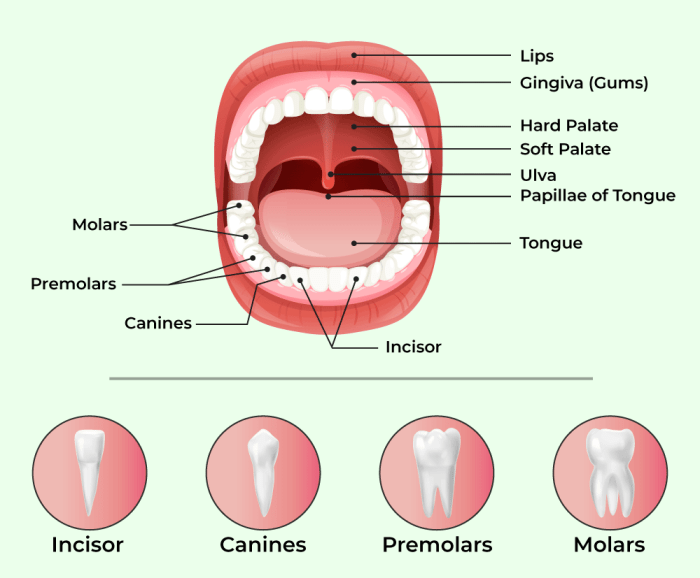
    Teeth eruption chart for deciduous and permanent teeth | News | Dentagama

    Source: geeksforgeeks.org

    Teeth whitening kits are a popular solution for those seeking a brighter smile. They are designed to reduce the discoloration of teeth caused by various factors such as diet, age, and lifestyle choices. Using these kits can lead to enhanced confidence and improved aesthetics, making them a go-to option for many individuals.The primary purpose of teeth whitening kits is to remove stains and lighten the color of teeth, typically using various bleaching agents.

    The benefits of using these kits include convenience, affordability compared to professional treatments, and the ability to achieve results in the comfort of one’s home. However, with numerous options available on the market, it can be challenging to choose the right one.

    Types of Teeth Whitening Kits

    Several types of teeth whitening kits are available, each with its unique features and effectiveness. Understanding these options can help consumers make informed choices based on their individual needs.

    • Whitening Strips: These thin, flexible strips are coated with a whitening gel containing peroxide. They are easy to use and typically worn for a specified period each day over a week or two.
    • Whitening Gels: Often delivered via a tray, these products provide a higher concentration of whitening agents. They require a custom or generic tray to hold the gel against the teeth for optimal results.
    • Whitening Pens: These portable options allow for precise application of the gel directly onto the teeth. They are ideal for on-the-go touch-ups and usually have a lower concentration of bleaching agents.
    • LED Whitening Kits: These kits incorporate light technology to enhance the whitening process. The LED light activates the gel’s ingredients to potentially expedite results, often with a user-friendly design.

    Common Ingredients in Teeth Whitening Kits

    Teeth whitening kits often contain a variety of active ingredients that serve different purposes in the whitening process. Familiarizing oneself with these components is essential for choosing an effective product.

    • Hydrogen Peroxide: A common bleaching agent, hydrogen peroxide penetrates the enamel to whiten teeth. It typically ranges from 3% to 20% concentration in over-the-counter products.
    • Carbamide Peroxide: This compound breaks down into hydrogen peroxide and is often found in higher concentrations. It is effective for longer treatments and is commonly used in professional settings.
    • Fluoride: While primarily known for preventing cavities, fluoride can help protect teeth during the whitening process, reducing sensitivity.
    • Whitening Agents: Additional ingredients may include sodium bicarbonate or silica, which can help with surface stain removal without damaging enamel.

    “The efficacy of teeth whitening kits often depends on the concentrations of the active ingredients and the method of application.”

    Types of Teeth Whitening Kits

    Teeth whitening kits come in various forms, each designed to meet different preferences and needs. Understanding these options can help you choose the right one for your dental goals. This section will cover the primary types of teeth whitening kits available on the market, along with their pros and cons, helping you make an informed decision.

    Teeth Whitening Strips

    Teeth whitening strips are thin, flexible plastic strips coated with a peroxide-based whitening gel. They are easy to use and typically require daily application for a specified duration.

    • Pros:
      • Convenient and easy to apply.
      • Discreet and often less messy than other methods.
      • Can effectively reduce stains from food and beverages.
    • Cons:
      • Results may vary depending on the individual.
      • Limited coverage may leave some areas untreated.
      • Can cause tooth sensitivity in some users.

    Many users appreciate the effectiveness of whitening strips, noting visible results after a few applications. For instance, one user reported, “After just a week, my teeth were several shades lighter, and I felt more confident in my smile.”

    Teeth Whitening Trays

    Teeth whitening trays usually come in two forms: custom-fitted trays from a dentist or over-the-counter versions. Both types are filled with a whitening gel and worn for a given period.

    • Pros:
      • Custom trays offer better fit and coverage, leading to more effective results.
      • Can be reused multiple times, making them cost-effective.
      • Suitable for users with significant staining.
    • Cons:
      • Custom trays can be expensive and require a dental visit.
      • Over-the-counter options may not fit as well and can lead to uneven whitening.
      • Some users experience discomfort when wearing trays for extended periods.

    User testimonials often highlight the superior results from custom trays. One individual shared, “The custom tray was a game-changer for me. The fit was perfect, and I achieved noticeable whitening faster than I expected!”

    Teeth Whitening Gels

    Teeth whitening gels are usually applied with a brush or included applicator. These gels can be used on their own or in conjunction with trays.

    • Pros:
      • Targeted application can help with specific areas of discoloration.
      • Fast-acting formulas provide quick results.
      • Some gels are designed for sensitive teeth, minimizing discomfort.
    • Cons:
      • Application can be tricky without a proper applicator.
      • Results can vary based on the user’s technique.
      • May require multiple applications for desired results.

    Users have reported that gels can deliver impressive results, especially when used consistently. One user mentioned, “I love how easy it is to apply. The gel worked wonders on my stubborn stains!”

    Teeth Whitening Pens

    Teeth whitening pens are portable and contain a whitening gel that can be directly applied to the teeth. They are ideal for on-the-go touch-ups.

    • Pros:
      • Highly portable and convenient for travel.
      • Easy to apply without mess.
      • Allows for precision whitening in targeted areas.
    • Cons:
      • Generally less effective for extensive whitening needs.
      • May require frequent application for noticeable results.
      • Gels can dry quickly, limiting application time.

    Many users find whitening pens to be a handy solution. A satisfied customer noted, “I keep one in my bag for quick touch-ups before meetings. It’s an instant confidence booster!”

    Application Procedures: Teeth Whitening Kits

    Teeth whitening kits

    Source: squarespace-cdn.com

    Using teeth whitening kits can significantly enhance the brightness of your smile, but it’s crucial to follow the correct application procedures for the best results. Different types of whitening kits come with specific guidelines to ensure safety and efficacy. Below, I’ll Artikel step-by-step processes for using teeth whitening strips and tray-based whitening kits, as well as important precautions to consider before and after treatment.

    Application of Teeth Whitening Strips

    Teeth whitening strips are a popular choice due to their convenience and ease of use. Here’s how to apply them effectively:

    1. Preparation

    Begin by brushing your teeth to remove plaque and ensure the strips adhere well to the surface of your teeth.

    2. Open the package

    Carefully remove the strips from the packaging. Each kit typically includes one strip for the upper teeth and one for the lower teeth.

    3. Placement

    Apply the adhesive side of the strip to your teeth, making sure it covers the entire surface you wish to whiten. Press it gently to secure it in place.

    4. Timing

    Follow the instructions regarding how long to wear the strips. This usually ranges from 30 minutes to an hour.

    5. Removal

    After the designated time, carefully peel the strips away from your teeth. Discard them properly.

    6. Rinse

    It’s recommended to rinse your mouth with water afterward to remove any residue from the strips.This straightforward process can help you achieve noticeable whitening results. Regular use, as per your kit’s instructions, often leads to a brighter smile within a few weeks.

    Guide to Tray-Based Whitening Kits

    Tray-based whitening kits offer a customizable option for teeth whitening. Here’s how to use them correctly:

    1. Preparation

    Brush and floss your teeth thoroughly to remove any debris.

    2. Mold the trays

    If your kit includes customizable trays, follow the instructions to mold them to your teeth. This often involves heating the trays in hot water and then biting into them to create an impression.

    3. Apply the whitening gel

    Squeeze a small amount of whitening gel into each tray. Avoid overfilling to prevent excess gel from leaking onto your gums.

    4. Insert the trays

    Place the trays over your teeth, ensuring they fit snugly. Press gently to adhere the gel to your teeth.

    5. Timing

    Leave the trays in place for the recommended time, which can differ based on the product—ranging from 15 minutes to overnight.

    6. Removal and cleanup

    After the time has elapsed, remove the trays and rinse your mouth thoroughly. Clean the trays according to the kit’s instructions to maintain their hygiene.This detailed approach maximizes the benefit of tray-based whitening kits, often resulting in a more uniform whitening effect across all teeth.

    Precautions Before and After Whitening

    Taking precautions before and after using whitening products ensures a safe experience and optimal results. Here are key considerations:

    Consultation

    Before starting any whitening regimen, it’s advisable to consult with a dentist, especially if you have existing dental issues or sensitive teeth.

    Gum protection

    Consider using a protective gel on your gums to minimize irritation, particularly with tray-based kits.

    Follow instructions

    Adhere strictly to the product instructions regarding application time and frequency to avoid overuse, which can lead to tooth sensitivity.

    Post-treatment care

    After treatment, avoid foods and drinks that can stain your teeth—such as coffee, red wine, and berries—for at least 24 hours.

    Oral hygiene

    Maintain good oral hygiene practices, including regular brushing and flossing, to prolong the effects of whitening.By following these procedures and precautions, you can enhance your teeth whitening experience, leading to a dazzling smile while minimizing potential side effects.

    Safety and Side Effects
    Teeth whitening kits

    Source: rodeodental.com

    Teeth whitening kits have gained immense popularity for their potential to enhance smiles, but they come with their own set of safety considerations and potential side effects. Understanding these factors is crucial for anyone considering the use of such products. This section aims to provide clarity on common side effects, who should avoid using these kits, and best practices for safe application.

    Potential Side Effects of Teeth Whitening Kits

    While teeth whitening kits can effectively lighten tooth color, they may also lead to certain unwanted effects. Common side effects include:

    • Tooth Sensitivity: Many users experience heightened sensitivity during the whitening process, particularly to hot or cold stimuli. This sensitivity is typically temporary but can be uncomfortable.
    • Gum Irritation: Whitening agents can cause irritation or burning sensations in the gums, especially if the product comes into contact with soft tissue.
    • Uneven Whitening: Some individuals may notice uneven results, where certain areas of the teeth are lighter than others, often due to improper application.
    • Enamel Damage: Overuse of whitening products may lead to enamel erosion or damage, compromising tooth structure and increasing sensitivity.

    Understanding these side effects is essential for users to make informed choices about their oral health.

    Who Should Avoid Using Teeth Whitening Products

    Certain individuals should refrain from using teeth whitening kits to prevent adverse reactions. Those who should avoid these products include:

    • Individuals with existing dental conditions, such as cavities or gum disease, as whitening may exacerbate these issues.
    • People with extreme tooth sensitivity or allergic reactions to whitening agents should consult their dentist before use.
    • Pregnant or nursing women are advised to avoid teeth whitening products, as safety during these stages has not been thoroughly studied.
    • Those under the age of 16 should avoid whitening products, as their teeth and gums are still developing.

    It’s vital for these groups to seek alternative methods for improving their smile, preferably under professional guidance.

    Recommendations for Safe Usage of Whitening Kits

    To maximize the benefits of teeth whitening while minimizing potential risks, users should adhere to the following best practices:

    • Follow Instructions: It’s crucial to read and follow the manufacturer’s guidelines carefully to avoid misuse and potential damage to teeth.
    • Conduct a Patch Test: Before full application, perform a patch test on a small area to check for any adverse reactions.
    • Limit Frequency: Avoid excessive use of whitening kits. Space out treatments as recommended to protect tooth enamel.
    • Consult a Dentist: Always consider seeking professional advice before starting any whitening regimen, especially for those with pre-existing dental issues.

    These recommendations can help ensure a safer whitening experience, contributing to a brighter smile without compromising oral health.

    Effectiveness of Teeth Whitening Kits

    Teeth whitening kits have gained immense popularity, with countless options available for consumers seeking a brighter smile. Understanding the effectiveness of these kits can help users make informed decisions and set realistic expectations regarding their results. This section delves into various studies and statistics that evaluate the efficacy of different whitening kits, comparing at-home options with professional treatments and providing tips to enhance results.

    Effectiveness Supported by Studies

    Numerous studies have investigated the effectiveness of teeth whitening kits, revealing significant disparities in results based on the type of product used. Research published in theJournal of the American Dental Association* indicates that professional whitening treatments can lighten teeth by an average of eight shades, while at-home kits may range from two to six shades of improvement. This variation often comes down to the concentration of active ingredients, such as hydrogen peroxide or carbamide peroxide, which are commonly found in whitening products.A study conducted by theAmerican Academy of Cosmetic Dentistry* revealed that 85% of participants reported satisfaction with the outcomes from professional whitening.

    In contrast, at-home kits yielded a satisfaction rate of approximately 60%. These statistics highlight the effectiveness of professional treatments for achieving dramatic results, while at-home kits can still provide noticeable improvements when used correctly.

    Comparison of At-Home Kits and Professional Treatments

    When comparing at-home whitening kits with professional treatments, several factors come into play, including cost, convenience, and results. Professional treatments typically involve a dentist’s supervision, which ensures safety and optimal results, but they can also be significantly more expensive than at-home alternatives. Here’s a breakdown of the two options:

    • At-Home Kits:
      • Generally more affordable, with prices ranging from $20 to $200.
      • Convenient for use at home, allowing flexibility in timing.
      • Results may vary significantly based on individual usage and product selection.
    • Professional Treatments:
      • Cost typically ranges from $300 to $1,000.
      • Immediate and dramatic results usually achieved in one or two sessions.
      • Supervised by dental professionals, ensuring safety and efficacy.

    Maximizing Results from At-Home Whitening Kits

    To achieve the best possible results from at-home whitening kits, users can follow several tips that enhance the effectiveness of their whitening routines. Implementing these strategies can lead to a more satisfying experience and optimal outcomes.Firstly, maintaining good oral hygiene is crucial. Regular brushing and flossing can help remove surface stains and allow whitening agents to work more effectively. Secondly, following the manufacturer’s instructions meticulously is essential for safety and results.

    Overuse or incorrect application can lead to undesired effects, such as tooth sensitivity or uneven whitening.In addition, avoiding foods and beverages that stain teeth, such as coffee, tea, and red wine, during the whitening process can preserve results. Lastly, considering the use of desensitizing toothpaste may help alleviate any discomfort associated with sensitivity during treatment.

    “Proper care and maintenance during teeth whitening can significantly affect the longevity of results.”

    Cost Analysis

    Teeth whitening kits can vary significantly in price, making it essential to understand the cost landscape before making a purchase. This cost analysis will provide insight into popular products, the factors influencing their prices, and budgeting tips for individuals considering teeth whitening options.

    Price Comparison of Popular Teeth Whitening Kits

    When looking at teeth whitening kits, consumers often seek effective products that fit their budget. Below is a table comparing the prices of popular teeth whitening kits on the market today:

    Brand Product Name Price (USD)
    Whitestrips Whitestrips Professional Effects $44.99
    Crest Crest 3D White Luxe $39.99
    Snow Wireless Teeth Whitening Kit $149.00
    Colgate Colgate Optic White $29.99
    AuraGlow AuraGlow Teeth Whitening Kit $49.99

    Understanding the prices of these kits helps consumers make informed choices based on their budget and whitening needs.

    Factors Influencing the Cost of Teeth Whitening Kits

    Several factors play a crucial role in determining the price of teeth whitening kits. These factors include:

    • Brand Reputation: Established brands often charge more due to their popularity and trustworthiness in the market.
    • Ingredients Used: Kits containing professional-grade whitening agents like hydrogen peroxide tend to be more expensive.
    • Type of Kit: LED kits and professional treatments are generally pricier than basic strips or gels.
    • Additional Features: Kits offering extras such as mouth trays, desensitizing gels, or aftercare products may have higher prices.
    • Promotions and Discounts: Seasonal sales or bulk purchase options can lower the overall cost.

    Considering these factors can help consumers understand why certain kits are priced higher and whether they are worth the investment.

    Budgeting Tips for Teeth Whitening Options

    When considering teeth whitening, it’s essential to budget effectively. Here are some practical tips to help you manage costs:

    • Set a Budget: Determine how much you are willing to spend on teeth whitening products and stick to it.
    • Research Offers: Look for sales, discount codes, and promotions to save on your chosen kit.
    • Consider DIY Options: Some effective at-home solutions can be less expensive than branded kits.
    • Evaluate Long-Term Costs: Invest in kits that provide lasting results to save money on frequent purchases.
    • Consult a Dentist: Professional recommendations can help you choose effective and cost-efficient options.

    By following these budgeting tips, individuals can make informed choices that align with their financial situation, ensuring they achieve a brighter smile without breaking the bank.

    Maintenance of Whitened Teeth

    Keeping your teeth bright and white after a whitening procedure requires some diligence and care. While the results of teeth whitening can be impressive, they are not permanent. Maintaining that dazzling smile involves a few straightforward practices and lifestyle adjustments. To extend the longevity of your teeth whitening results, you need to adopt certain post-whitening care habits and be mindful of what you consume.

    Here are some valuable tips to keep in mind for maintaining your newly whitened teeth.

    Post-Whitening Care Tips

    After undergoing teeth whitening, it’s crucial to follow some care tips to preserve your results. Here are a few strategies to maintain teeth brightness:

    • Practice Good Oral Hygiene: Brush at least twice a day with a fluoride toothpaste and floss daily to reduce plaque build-up, which can dull the brightness.
    • Use a Straw: When drinking beverages that may stain, such as coffee or red wine, using a straw can minimize contact with your teeth.
    • Rinse with Water: After consuming staining foods or drinks, rinse your mouth with water to wash away residues that could lead to discoloration.
    • Regular Dental Check-ups: Schedule regular visits to your dentist for cleanings and check-ups to help maintain the shine of your smile.

    Foods and Habits Affecting Longevity, Teeth whitening kits

    Certain foods and habits can significantly impact the duration of your teeth whitening results. Understanding these factors can help you make better choices for your dental health. Here are some common culprits to be aware of:

    • Staining Beverages: Coffee, tea, red wine, and soda can lead to staining and should be consumed in moderation.
    • Dark Foods: Foods like berries, soy sauce, and dark chocolate can leave stains, so consider rinsing your mouth after consuming them.
    • Tobacco Products: Smoking or using tobacco can cause significant discoloration, so avoiding these products is advised.
    • Acidic Foods: Citrus fruits and vinegar can wear down enamel, making teeth more susceptible to stains. Balance these with enamel-friendly foods.

    Maintenance Schedule for Ongoing Whitening Treatments

    To keep your teeth looking their best, establishing a maintenance schedule can be very effective. Regular touch-ups can help maintain the desired brightness without the need for extensive whitening procedures. A suggested maintenance schedule includes:

    • Initial Touch-Up: Schedule a touch-up treatment every 6 months after the initial whitening session.
    • At-Home Maintenance: Use at-home whitening kits or maintenance products once a month to keep stains at bay.
    • Regular Cleanings: Visit your dentist for professional cleanings every 6 months to remove surface stains and plaque.

    Staying consistent with your oral care routine and being mindful of your diet can significantly enhance the longevity of your teeth whitening results.

    Alternatives to Teeth Whitening Kits

    Exploring alternatives to teeth whitening kits provides options for individuals looking for a brighter smile without the use of commercial products. Natural remedies and professional dental services can serve as effective means of achieving and maintaining whiteness in teeth. Understanding these alternatives allows for informed choices when it comes to oral care and aesthetics.

    Natural Remedies for Teeth Whitening

    Natural remedies, such as baking soda and activated charcoal, are sought after for their mild abrasive properties that can help remove surface stains on teeth. Baking soda, a common household item, is effective due to its abrasive texture that gently polishes teeth. When mixed with water to form a paste, it can be applied with a toothbrush. The alkalinity of baking soda may also neutralize acids in the mouth, promoting better dental health.Activated charcoal is another popular option.

    This black powder is known for its absorbent properties that allow it to bind to toxins and stains. When used as a paste or in a tooth powder, it can help lift stains, resulting in a whiter appearance. However, caution is advised to avoid overuse, as the abrasive nature may wear down enamel over time.

    Benefits of Professional Dental Whitening Services

    Professional dental whitening services provide a level of effectiveness and safety that at-home kits may not match. These services are conducted by trained dental professionals who can ensure the process is tailored to individual needs.One significant advantage is the use of stronger whitening agents that can achieve results in a shorter time frame compared to over-the-counter products. Dentists also offer customized mouth trays for better coverage and effectiveness.

    Additionally, the professional environment allows for monitoring of any side effects, ensuring patient safety throughout the procedure. Many people report a more noticeable and longer-lasting whiteness when opting for professional services.

    Role of Dental Hygiene in Maintaining White Teeth

    Maintaining white teeth can often be achieved through diligent dental hygiene practices. Regular brushing, flossing, and routine dentist visits play a critical role in preventing stains and maintaining brightness.Brushing at least twice a day with fluoride toothpaste helps remove plaque and food particles that can lead to discoloration. Flossing daily ensures that buildup between teeth is efficiently cleaned, contributing to overall oral health.Incorporating mouthwash into daily routines can further enhance dental hygiene by reducing bacteria and preventing bad breath, which can also affect the appearance of teeth.

    Regular professional cleanings can help remove any stubborn stains, reinforcing the importance of consistent dental care. Overall, while teeth whitening kits can be effective, exploring natural remedies, professional options, and diligent dental hygiene can provide a comprehensive approach to maintaining a bright and healthy smile.

    Final Wrap-Up

    In conclusion, teeth whitening kits offer a flexible and effective way to enhance your smile without stepping foot in a dentist’s office. By understanding the various options, application methods, and maintenance tips, you can achieve and maintain that dazzling brightness. Remember to weigh the pros and cons of each kit and prioritize safety to enjoy the best results.

    FAQ Resource

    Are teeth whitening kits safe to use?

    Yes, most teeth whitening kits are safe when used as directed, but it’s essential to follow instructions and consult with a dentist if you have concerns.

    How long does it take to see results from teeth whitening kits?

    Results can vary, but many users notice a difference within a few days to a couple of weeks, depending on the type of kit and usage frequency.

    Can I use teeth whitening kits if I have sensitive teeth?

    Some kits are designed for sensitive teeth, but it’s advisable to consult with a dentist before starting any whitening treatment if you have sensitivity issues.

    How often can I use teeth whitening kits?

    Usage frequency depends on the specific product; always follow the manufacturer’s guidelines to avoid overuse and potential damage to your enamel.

    Will teeth whitening kits work on crowns or veneers?

    Teeth whitening kits typically do not affect crowns or veneers, so consult with your dentist for the best options if you have these dental restorations.


  • Healthy digestion supplements for optimal wellness

    Healthy digestion supplements are vital for maintaining a well-functioning digestive system, which plays a crucial role in our overall health. These supplements can address various digestive issues, from bloating and gas to more serious concerns like irritable bowel syndrome. While supplements offer significant support, it’s essential to remember that a balanced diet and healthy lifestyle are equally important for achieving optimal digestive health.

    With a variety of supplements available, including probiotics, digestive enzymes, and fiber sources, each type serves unique benefits that contribute to better digestion. Understanding how these supplements work in conjunction with a healthy diet will help you make informed choices that positively impact your digestive wellness.

    Introduction to Healthy Digestion Supplements

    Healthy digestion supplements

    Source: livenaturallymagazine.com

    Healthy digestion is crucial for overall well-being, as it ensures that our bodies absorb the essential nutrients needed for energy, growth, and repair. When digestion functions optimally, it can lead to increased energy levels, improved mood, and enhanced immune function. However, various factors such as poor dietary choices, stress, and lack of physical activity can disrupt this process. Healthy digestion supplements are designed to support and promote digestive health, making it easier for individuals to maintain a balanced gut environment.Common digestive issues include bloating, gas, constipation, and irritable bowel syndrome (IBS).

    These conditions can significantly impact daily life, leading to discomfort and reduced quality of living. Supplements like probiotics, prebiotics, digestive enzymes, and fiber can assist in alleviating these issues by restoring gut flora, improving nutrient absorption, and promoting regular bowel movements. It’s essential to understand that while supplements can be beneficial, they should not replace a healthy lifestyle and balanced diet, which are fundamental in achieving optimal digestive health.

    Role of Lifestyle and Diet in Digestive Health

    Maintaining a healthy lifestyle and diet is integral to supporting the effectiveness of digestion supplements. A balanced approach that incorporates nutritious foods can enhance the benefits provided by these supplements. Here are some key components to consider:

    • Fiber-rich foods: Consuming plenty of fruits, vegetables, whole grains, and legumes can help regulate bowel movements and prevent constipation.
    • Hydration: Drinking adequate water throughout the day aids digestion by helping to break down food and absorb nutrients effectively.
    • Regular physical activity: Engaging in moderate exercise can stimulate digestive function and improve gut motility.
    • Mindful eating: Paying attention to meal times and eating slowly can help reduce digestive discomfort and enhance nutrient absorption.
    • Avoiding processed foods: Limiting intake of highly processed and sugary foods can reduce the risk of digestive issues and support a healthy gut microbiome.

    The synergy between a balanced diet, active lifestyle, and digestive supplements can create a powerful foundation for maintaining digestive health. This holistic approach not only addresses immediate digestive concerns but also fosters long-term wellness by nurturing the gut environment.

    “Healthy digestion is not just about supplements; it’s a lifestyle choice that involves mindful eating and active living.”

    Types of Healthy Digestion Supplements

    Healthy digestion is essential for overall well-being, and various supplements can aid in achieving optimal digestive health. Understanding the types of digestion supplements available can help individuals select the most appropriate options for their unique needs. Below, we delve into the major categories of digestion supplements, each with distinct benefits and ingredients.

    Probiotics

    Probiotics are live microorganisms that provide health benefits when consumed in adequate amounts. They help maintain a balanced gut microbiome, which is crucial for effective digestion and immune function. Here are some of the key benefits of probiotics:

    • Restoration of Gut Flora: Probiotics help replenish beneficial bacteria that may be depleted due to factors like antibiotics or poor diet.
    • Enhanced Nutrient Absorption: They facilitate the breakdown and absorption of essential nutrients from food.
    • Support for Digestive Disorders: Probiotics can alleviate symptoms of conditions like irritable bowel syndrome (IBS) and diarrhea.

    Common probiotic strains include Lactobacillus, Bifidobacterium, and Saccharomyces boulardii. These strains are often found in foods like yogurt and fermented products, as well as in supplement form.

    Digestive Enzymes

    Digestive enzymes are substances that help break down food into smaller, absorbable components. They are crucial for those who struggle with digesting certain food types or have enzyme deficiencies. The benefits of incorporating digestive enzymes into one’s diet include:

    • Improved Digestion: They assist in the breakdown of carbohydrates, proteins, and fats, enhancing overall digestive efficiency.
    • Reduction of Bloating and Gas: By breaking down food more effectively, digestive enzymes can minimize common digestive discomforts.
    • Support for Food Intolerances: Certain enzymes, like lactase, can help those with lactose intolerance digest dairy products comfortably.

    Typical ingredients in digestive enzyme supplements include amylase (for carbohydrates), protease (for proteins), and lipase (for fats). These enzymes can be sourced from animals or plants.

    Fiber Supplements

    Fiber supplements provide an additional source of dietary fiber, which is essential for maintaining regular bowel movements and overall digestive health. The importance of fiber supplements is highlighted through their numerous benefits:

    • Promoting Regularity: Fiber aids in bulking up stool, thus preventing constipation and promoting regular bowel movements.
    • Supporting Gut Health: Fiber acts as a prebiotic, feeding beneficial gut bacteria and promoting a healthy microbiome.
    • Weight Management: By increasing feelings of fullness, fiber can help in managing appetite and supporting weight loss efforts.

    Common types of fiber found in supplements include soluble fiber (such as psyllium husk) and insoluble fiber (such as wheat bran). These can be easily incorporated into daily routines through powders, capsules, or chewable forms.

    “The right balance of probiotics, enzymes, and fiber can significantly enhance digestive health and overall well-being.”

    Benefits of Healthy Digestion Supplements

    Healthy digestion is the cornerstone of overall wellness. Supplements designed specifically for digestion can significantly enhance how our bodies process food, absorb nutrients, and maintain energy levels. By incorporating these products into daily routines, individuals can experience a cascade of physiological benefits that contribute to a healthier lifestyle.One of the primary advantages of healthy digestion supplements is improved nutrient absorption.

    Many supplements contain enzymes, probiotics, and fibers that aid in breaking down food more efficiently, allowing the body to utilize vitamins and minerals effectively. This enhanced absorption leads to better nourishment at a cellular level, which is essential for maintaining energy and vitality throughout the day.

    Physiological Benefits of Improved Nutrient Absorption

    The link between digestion and nutrient absorption is profound. When the digestive system operates optimally, the body can more effectively utilize the nutrients consumed. This means that individuals may experience:

    • Enhanced Energy Levels: With improved absorption, the body can convert food into energy more efficiently, reducing fatigue and increasing stamina.
    • Stronger Immune Function: Adequate nutrient intake supports immune health, providing the necessary building blocks for immune cells and antibodies.
    • Improved Mood Stability: A well-nourished body can better regulate hormones and neurotransmitters, contributing to improved mental health and emotional balance.
    • Healthier Skin, Hair, and Nails: Essential nutrients from food play a critical role in maintaining the health and appearance of skin, hair, and nails.

    Studies have shown that individuals using digestive health supplements report a significant improvement in their overall wellness. For instance, a study published in the Journal of Gastroenterology indicated that participants who took probiotics experienced a notable reduction in digestive discomfort and an increase in energy levels. These findings highlight the efficacy of supplements in promoting digestive health.

    “Effective digestion is the key to unlocking your body’s potential.”

    In conclusion, the physiological benefits of healthy digestion supplements extend far beyond the digestive system itself. Improved nutrient absorption not only enhances energy levels but also supports various bodily functions that contribute to overall wellness. As research continues to highlight the efficacy of these supplements, more individuals are discovering the transformative effects they can have on their health and vitality.

    Potential Side Effects and Considerations

    Digestive health supplements can significantly enhance well-being, but like any health product, they come with potential side effects. It’s crucial to understand these risks and take proactive measures to ensure safe usage. Making informed decisions helps to maximize benefits while minimizing adverse effects.When considering digestion supplements, it’s essential to be aware of the possible side effects that can vary depending on the type of supplement used.

    While many users report positive outcomes, some individuals may experience discomfort or adverse reactions. Consulting with healthcare professionals prior to starting a supplement regimen is vital for tailored advice and to mitigate risks.

    Common Side Effects of Digestive Supplements

    Understanding the side effects associated with different digestion supplements allows users to make informed choices. Below is a comparison of various types of digestion supplements, their common side effects, severity, and frequency:

    Supplement Type Common Side Effects Severity Frequency
    Probiotics Bloating, gas, mild digestive upset Low Common (10-30% of users)
    Digestive Enzymes Diarrhea, abdominal cramping Moderate Occasional (5-15% of users)
    Fiber Supplements Bloating, gas, constipation if not enough water is consumed Low to Moderate Common (10-20% of users)
    Herbal Supplements (e.g., ginger, peppermint) Nausea, heartburn, allergic reactions Moderate Rare (2-5% of users)

    To minimize risks, it’s important to follow recommended dosages, gradually introduce new supplements into your routine, and monitor your body’s response. Additionally, staying hydrated and maintaining a balanced diet can help alleviate some side effects. Always consult healthcare professionals to ensure the supplements align with your individual health needs and existing conditions.

    How to Choose the Right Supplement

    Selecting the right digestion supplement requires careful consideration of various factors that can significantly impact its effectiveness and safety. With numerous options available in the market, knowing what to look for can make the process simpler and more effective.Quality, sourcing, and certifications play pivotal roles in determining the reliability of digestion supplements. Consumers must prioritize products that are made from high-quality ingredients, sourced ethically, and backed by credible certifications, ensuring they are safe and effective for consumption.

    Factors to Consider When Choosing Supplements

    When evaluating digestion supplements, several key aspects should be taken into account. These factors will influence the overall quality and effectiveness of the supplements you choose.

    • Ingredient Transparency: Look for supplements that provide a complete list of ingredients, including the specific strains of probiotics or enzymes used.
    • Third-Party Testing: Supplements that undergo third-party testing are more likely to be free of contaminants and accurately labeled, ensuring quality and safety.
    • Formulation: Different formulations can target specific digestive issues; consider whether you need probiotics, enzymes, or fiber supplements based on your needs.
    • Brand Reputation: Research the brand’s history, customer reviews, and ratings to gauge the product’s reliability and effectiveness.
    • Certifications: Look for products that have certifications such as NSF, USP, or Non-GMO, which indicate a higher standard of quality and transparency.

    Comparison of Popular Brands

    Investigating and comparing popular digestion supplement brands can help inform your purchasing decision. Below is a table highlighting some key brands, their formulations, and benefits.

    Brand Formulation Benefits
    Garden of Life Probiotics + Prebiotics Supports gut health, boosts immunity, and provides digestive relief.
    Culturelle Probiotic Capsules Helps restore gut flora balance and promotes regularity.
    Digestive Advantage Probiotic Gummies Easy to take, supports digestive health, and may reduce gas and bloating.
    NOW Foods Digestive Enzymes Aids in the breakdown of proteins, fats, and carbohydrates for better nutrient absorption.
    Renew Life Probiotic Capsules High CFU count, geared towards more severe digestive issues like IBS.

    Choosing the right digestion supplement is an investment in your health that requires informed decisions based on quality, sourcing, and reliable formulations.

    Incorporating Supplements into a Daily Routine

    Trouble Digesting Healthy Foods? 3 Ways to Aid Digestion and Feel ...

    Source: drbeckyfitness.com

    Establishing a consistent routine for incorporating digestion supplements into your daily life can significantly enhance their effectiveness. By strategically timing your doses and pairing them with appropriate meals, you can optimize your digestive health.Creating a daily routine that works for you is crucial. Here’s a sample daily schedule that includes the timing and dosage of digestion supplements:

    Sample Daily Routine, Healthy digestion supplements

    To maximize the benefits of digestion supplements, consider the following schedule that aligns with meal times:

    Time Supplement Dosage Meal Pairing
    7:30 AM Probiotic 1 capsule Upon waking, before breakfast
    12:00 PM Digestive Enzymes 1-2 capsules With lunch
    6:00 PM Fiber Supplement 1 scoop or capsule With dinner
    9:00 PM Herbal Supplement (for digestion) 1 tablet After dinner, before bedtime

    In this routine, probiotics are taken on an empty stomach to help promote a healthy gut flora. Digestive enzymes are paired with meals to assist in breaking down food effectively. Fiber supplements are best taken with dinner to support digestive regularity, while herbal supplements can aid digestion overnight.

    Pairing Supplements with Specific Meals

    Optimizing the timing and pairing of your supplements can enhance their effectiveness. Here are some insights on how to select the right foods to consume alongside your supplements:

    Probiotics

    Best taken with prebiotic-rich foods like bananas, onions, and asparagus to fuel beneficial bacteria.

    Digestive Enzymes

    Pair with high-protein meals, such as chicken or fish, to help break down proteins effectively.

    Fiber Supplements

    Consume with plenty of water to aid in digestion and prevent constipation. Foods rich in fiber like fruits, vegetables, and whole grains can complement this.

    Herbal Supplements

    These can be taken with ginger or peppermint tea, known for their soothing properties on the digestive tract.This strategic pairing can help enhance the absorption and efficacy of your digestion supplements.

    Supplement Intake Tracking Checklist

    Monitoring your supplement intake and any reactions can help you assess their effectiveness over time. Here’s a simple checklist to keep track of your supplements:

    [ ] Date

    Record each date you take your supplements.

    [ ] Supplement Name

    Note down the name of the supplement taken.

    [ ] Dosage

    Document the amount taken.

    [ ] Time of Intake

    Write down when you took the supplement.

    [ ] Meal Paired With

    Specify what meal you consumed the supplement with.

    [ ] Feelings/Changes

    Note any digestive changes, side effects, or general feelings post-intake.Using this straightforward checklist can help you identify patterns and make necessary adjustments to your routine for optimal digestion health.

    Natural Alternatives to Supplementation

    Healthy digestion supplements

    Source: imimg.com

    Incorporating natural foods into your diet can significantly enhance digestive health and serve as a wonderful complement to supplements. Many everyday ingredients are packed with nutrients and compounds that promote healthy digestion, making them excellent alternatives or additions to any supplementation strategy.Several natural foods have been recognized for their beneficial effects on digestion, including various herbs, spices, and fermented products.

    These foods not only aid in breaking down food but also promote gut health and can improve overall wellness.

    Digestive-Boosting Foods

    Natural foods that promote digestion include those rich in fiber, probiotics, and various digestive enzymes. Here are some notable options:

    Ginger

    Known for its soothing effects on the gastrointestinal tract, ginger can help relieve indigestion and nausea.

    Garlic

    This flavorful bulb acts as a prebiotic, promoting healthy gut bacteria and improving digestive function.

    Turmeric

    Curcumin, the active compound in turmeric, has anti-inflammatory properties that benefit the digestive system.

    Papaya

    This tropical fruit contains the enzyme papain, which helps break down proteins and aids digestion.

    Fermented Foods

    Items like yogurt, kefir, sauerkraut, and kimchi are rich in probiotics that support gut health and enhance digestion.

    Whole Grains

    Foods such as oats, quinoa, and brown rice are high in fiber, which aids in maintaining digestive regularity.Integrating these foods into your diet can be both delicious and beneficial. Here’s a list of recipes that incorporate these natural alternatives for enhancing digestion:

    • Ginger and Turmeric Tea: A soothing drink made with fresh ginger, turmeric, and honey, perfect for calming the stomach.
    • Garlic Roasted Vegetables: Toss your favorite vegetables with garlic and olive oil, then roast for a flavorful side dish that promotes gut health.
    • Papaya Smoothie: Blend fresh papaya with yogurt and a sprinkle of cinnamon for a gut-friendly breakfast.
    • Fermented Vegetable Salad: Mix fermented vegetables like sauerkraut or kimchi with fresh greens for a crunchy, probiotic-rich salad.
    • Whole Grain Stir-fry: Use brown rice or quinoa as the base for a stir-fry, adding plenty of colorful vegetables and lean protein for a nutritious meal.

    Incorporating these recipes into your daily meals can significantly enhance your digestive health naturally. It’s not only about supplementation; the right food choices can provide a holistic approach to digestion.

    Future Trends in Digestive Health Supplements

    The landscape of digestive health supplements is continuously evolving as new ingredients and technologies emerge. Consumers are increasingly informed and proactive about their health, leading to innovative solutions that cater to their needs. The future will likely bring a combination of scientifically backed formulations and a heightened focus on natural and organic options, reflecting the changing preferences of health-conscious individuals.Emerging ingredients in the field of digestive health supplementation are leveraging advancements in nutritional science.

    Probiotics and prebiotics remain at the forefront, but new strains and formulations are being developed to target specific digestive issues more effectively. Additionally, ingredients like fermented foods, digestive enzymes, and fiber sources such as psyllium and inulin are gaining popularity for their proven benefits. As more research emerges, the integration of these ingredients into supplements will become more sophisticated.

    Consumer Preferences for Plant-Based and Organic Supplements

    The demand for plant-based and organic supplements is reshaping the market for digestive health products. Consumers are gravitating towards options that align with their values, emphasizing sustainability, ethical sourcing, and natural ingredients. This trend is not only about dietary preferences but also reflects a broader lifestyle choice focused on wellness and environmental responsibility.

    • Many companies are reformulating their products to be vegan and free from artificial additives.
    • Organic certifications are becoming a significant selling point, as consumers seek transparency in their supplement choices.
    • The rise of e-commerce has made it easier for niche brands focusing on plant-based ingredients to reach health-conscious consumers.

    This shift is also supported by research indicating that plant-based diets can improve gut health, leading to an increase in demand for supplements that complement these dietary habits.

    Insights on the Evolution of Digestive Health Supplements

    The next few years will likely see transformative changes in the digestive health supplement industry, driven by technological advancements and consumer preferences. With the growing interest in personalized nutrition, supplements tailored to individual gut microbiomes may become standard. This shift towards customization is supported by advancements in genetic testing and microbiome analysis, allowing consumers to select products that best suit their digestive needs.Furthermore, innovative delivery methods such as gummies, powders, and effervescent tablets are becoming popular, making supplementation more appealing and convenient.

    The emphasis will not only be on effectiveness but also on enhancing the overall experience of taking health supplements.

    • Research shows that the integration of smart technology in supplement consumption, such as apps that track gut health, will empower consumers to make informed choices.
    • Increased focus on holistic health will encourage brands to develop synergistic formulations that address multiple aspects of health, including digestion, immunity, and mental wellness.

    As the industry adapts to these trends, the future of digestive health supplements promises to be more inclusive, effective, and aligned with consumer lifestyles, paving the way for innovative solutions that support gut health and overall well-being.

    Final Thoughts

    In summary, healthy digestion supplements offer a promising avenue for enhancing digestive health and overall well-being. By combining these supplements with a nutritious diet and lifestyle adjustments, individuals can experience improved nutrient absorption and energy levels. As the field of digestive health continues to evolve, staying informed about the latest trends and findings will empower you to make the best choices for your digestive health journey.

    Essential FAQs

    What are the main types of healthy digestion supplements?

    The main types include probiotics, digestive enzymes, and fiber supplements, each targeting specific digestive issues.

    Can healthy digestion supplements replace a balanced diet?

    No, supplements are meant to complement a balanced diet, not replace it.

    How long does it take to see results from digestion supplements?

    Results can vary, but many people notice improvements within a few weeks of consistent use.

    Are there any specific dietary restrictions when using these supplements?

    It depends on the supplement; always check labels and consult a healthcare professional if unsure.

    Can I take multiple digestion supplements at the same time?

    Yes, but it’s best to consult with a healthcare provider for personalized advice.

  • Fertility supplements for women Boosting reproductive health

    Fertility supplements for women have become increasingly popular among those looking to enhance their reproductive health. Understanding the right combination of vitamins and minerals can significantly impact a woman’s fertility journey. In today’s world, where lifestyle choices play a crucial role, these supplements offer a potential pathway to support and optimize reproductive functions.

    With an array of options available on the market, knowing which supplements to choose and how they work can be overwhelming. This guide will delve into various aspects of fertility supplements, including their benefits, potential side effects, and how to integrate them with a balanced diet for maximum effect.

    Understanding Fertility Supplements

    Fertility supplements for women

    Source: com.au

    Fertility supplements play a significant role in enhancing women’s reproductive health, especially for those looking to conceive. They provide essential nutrients that may be lacking in a typical diet, helping to create an optimal environment for conception and supporting overall reproductive function.The effectiveness of fertility supplements is largely attributed to their constituent vitamins and minerals, which are crucial for various physiological processes involved in fertility.

    Key nutrients such as folic acid, Vitamin D, zinc, and omega-3 fatty acids contribute significantly to reproductive health by supporting hormonal balance, ovarian function, and the health of eggs.

    Essential Vitamins and Minerals Contributing to Fertility

    A variety of vitamins and minerals are recognized for their contribution to fertility. Understanding these nutrients can help women make informed choices about their supplement intake.

    • Folic Acid: Essential for DNA synthesis and cell division, folic acid is crucial for preventing neural tube defects in early pregnancy.
    • Vitamin D: This vitamin is important for regulating the menstrual cycle and may improve egg quality.
    • Zinc: Vital for hormone production and ovulation, zinc supports reproductive health by enhancing fertility.
    • Omega-3 Fatty Acids: These healthy fats are known to improve blood flow to reproductive organs and reduce inflammation.
    • Coenzyme Q10: An antioxidant that helps improve egg quality and may enhance fertility in older women.

    The intake of these nutrients can vary based on individual dietary habits and lifestyle choices. Therefore, it’s important for women to assess their nutritional intake and consider supplements to fill any gaps.

    Impact of Lifestyle Factors on the Effectiveness of Fertility Supplements, Fertility supplements for women

    Lifestyle factors significantly influence the effectiveness of fertility supplements. A healthy lifestyle can enhance the benefits of these supplements and improve overall reproductive health.Maintaining a balanced diet, engaging in regular physical activity, and managing stress are critical components of a healthy lifestyle that can impact fertility.

    • Diet: Consuming a nutrient-rich diet with an emphasis on whole foods can maximize the absorption and efficacy of fertility supplements.
    • Exercise: Regular physical activity can help maintain a healthy weight, which is important for hormonal balance and fertility.
    • Stress Management: High stress levels can negatively affect hormone levels, thereby impacting fertility. Incorporating mindfulness practices can be beneficial.

    The interplay between nutrition, physical health, and emotional well-being underscores the importance of a holistic approach to fertility. By understanding and optimizing these factors, women can enhance the effectiveness of their fertility supplements and improve their chances of conception.

    Common Types of Fertility Supplements

    Fertility supplements for women have gained significant attention in recent years as more individuals seek to enhance their reproductive health. With a plethora of options available, it can be challenging to identify which supplements are the most beneficial and what ingredients they contain. Understanding these common types can aid in making informed decisions tailored to individual needs.Various fertility supplements on the market contain an array of beneficial ingredients that target specific areas of reproductive health.

    These supplements often include vitamins, minerals, herbs, and other natural compounds, each contributing uniquely to fertility enhancement. Knowing the components of these supplements can help in understanding their effects on the body.

    Popular Fertility Supplements and Their Ingredients

    Among the many fertility supplements available, some have garnered a reputation for their effectiveness. These include:

    • Folic Acid: Essential for DNA synthesis and repair, folic acid is crucial for preventing neural tube defects during early pregnancy.
    • Coenzyme Q10 (CoQ10): An antioxidant that supports cellular energy production, CoQ10 may improve egg quality and overall reproductive function.
    • Vitamin D: Linked to reproductive health, adequate levels of vitamin D can enhance fertility by promoting healthy ovarian function.
    • Zinc: Important for hormone regulation and ovulation, zinc plays a significant role in reproductive health.
    • Omega-3 Fatty Acids: These essential fats support hormone production and improve overall health, which can positively influence fertility.
    • Vitex (Chaste Tree Berry): This herbal supplement helps balance hormones and may regulate menstrual cycles, aiding in fertility.

    The ingredients found in these supplements offer specific benefits that can help women prepare for conception. For instance, folic acid’s role in preventing developmental issues and CoQ10’s impact on egg quality are just a couple of examples illustrating how these supplements can be vital in a woman’s fertility journey.

    When considering fertility supplements, it is crucial to differentiate between natural and synthetic options, as they may vary in efficacy and absorption.

    Natural vs. Synthetic Fertility Supplements

    The choice between natural and synthetic fertility supplements can significantly influence health outcomes. Natural supplements often consist of bioavailable forms of nutrients derived from whole foods or plant extracts, while synthetic supplements are chemically manufactured. Here’s a brief overview of each type:

    • Natural Supplements:
      • Typically contain whole food-based nutrients.
      • Often better absorbed by the body.
      • Generally associated with fewer side effects.
      • Examples: Herbal extracts like Vitex and food-derived vitamins.
    • Synthetic Supplements:
      • Manufactured in a lab, they may not mimic natural forms.
      • Some individuals may experience adverse reactions.
      • Examples: Synthetic folic acid and lab-created vitamins.

    “Choosing the right type of supplement can make a significant difference in supporting fertility and overall health.”

    Understanding the distinctions between these options is essential for women looking to enhance their fertility naturally and safely. Engaging with healthcare professionals may also provide valuable insights tailored to individual health needs and goals.

    How to Choose the Right Fertility Supplement

    Selecting the right fertility supplement is a crucial step in your journey toward enhancing reproductive health. With a wide array of options on the market, understanding how to assess the quality and effectiveness of these supplements can help ensure you make an informed choice that aligns with your individual needs.To effectively choose a fertility supplement, it’s important to evaluate several key factors such as ingredient quality, certifications, and manufacturer reputation.

    The following guidelines will help you navigate the myriad of options available, ensuring you pick a supplement that is not only safe but also beneficial for your fertility journey.

    Guidelines for Assessing Quality

    When assessing the quality of fertility supplements, consider the following points:

    • Look for third-party testing or certifications that verify the supplement’s quality and purity. This can include certifications from organizations like NSF International or US Pharmacopeia.
    • Research the source of the ingredients. Supplements derived from natural sources tend to be more beneficial and have fewer side effects.
    • Check the ingredient list for common additives or allergens that may not agree with your body.
    • Read reviews and testimonials from other users to gauge effectiveness and satisfaction levels.

    Questions to Consider Before Selection

    Taking the time to consider specific factors can enhance your selection process. Here are essential questions to keep in mind:

    • Is the supplement formulated specifically for women and their unique fertility needs?
    • What is the recommended dosage, and does it align with the instructions provided?
    • Are there any known side effects associated with the supplement?
    • How long should I plan to take the supplement before expecting results?
    • Is there clinical research backing the effectiveness of the supplement’s ingredients?

    Comparison of Top-Rated Fertility Supplements

    To aid in your decision-making, here’s a comparison table of some of the top-rated fertility supplements currently available. Each entry includes key features that can help you weigh your options effectively.

    Supplement Name Key Ingredients Features Price Range
    FertilAid for Women Vitamins, minerals, herbs Supports ovulation, hormone balance $25 – $30
    OvaFolix Myo-Inositol, D-Chiro Inositol Supports ovarian function, insulin sensitivity $35 – $40
    CoQ10 Coenzyme Q10 Supports egg quality, energy production $20 – $25
    Prenatal Multivitamin Folic acid, Iron, DHA General reproductive health support $15 – $20

    This comparison should provide you with a clearer understanding of your options, helping you choose the fertility supplement that best fits your needs and goals.

    Potential Side Effects of Fertility Supplements

    Fertility supplements are often used to enhance reproductive health; however, they can come with potential side effects. Understanding these side effects is crucial for anyone considering these supplements as part of their fertility journey. Being informed allows individuals to make decisions that prioritize their health and wellbeing.While many women may use fertility supplements without experiencing adverse effects, it’s important to be aware of the common reactions that can occur.

    Some people may be sensitive to certain ingredients, leading to unwanted symptoms. Consulting with a healthcare provider before starting any supplement is essential, as they can help identify potential risks and interactions with other medications or health conditions.

    Common Side Effects of Fertility Supplements

    Fertility supplements may cause a variety of side effects. These can range from mild discomfort to more serious health concerns. It’s essential to monitor your body’s reactions when starting any new supplement. Some of the common side effects include:

    • Gastrointestinal issues such as nausea, bloating, and diarrhea.
    • Allergic reactions, which may manifest as rashes, itching, or swelling.
    • Hormonal imbalances that can lead to changes in menstrual cycles.
    • Headaches or migraines related to hormonal fluctuations.
    • Fatigue or mood swings during the adjustment period.

    Consulting with a healthcare provider before starting any supplement is paramount. They can offer personalized recommendations based on individual health profiles and fertility goals. Additionally, they can help navigate the potential interactions between supplements and any medications currently being taken.

    Contraindications for Specific Supplements

    Understanding contraindications is vital when considering fertility supplements. Certain supplements may not be suitable for everyone due to existing health conditions or medications. Here are some specific contraindications associated with popular fertility supplements:When evaluating supplements, keep in mind these contraindications:

    • Folic Acid: Should be approached with caution in individuals with certain types of cancer or those on anti-seizure medications.
    • Coenzyme Q10: May interact with blood thinners; individuals on anticoagulant therapy should consult a doctor.
    • Vitamin D: Excessive intake can lead to calcium imbalance and should be monitored in individuals with kidney issues.
    • Evening Primrose Oil: Not recommended for those with bleeding disorders or taking blood-thinning medications.
    • Omega-3 Fatty Acids: Can enhance bleeding risk for individuals on blood thinners or those undergoing surgery.

    Always consult a healthcare professional before starting any fertility supplement to ensure it aligns with your health needs and conditions.

    Fertility Supplements and Diet: Fertility Supplements For Women

    A well-rounded approach to enhancing fertility involves both dietary choices and the use of fertility supplements. While supplements can provide necessary nutrients that support reproductive health, a balanced diet plays a crucial role in overall well-being and can synergistically boost fertility. Understanding the relationship between diet and supplements is essential for women looking to optimize their chances of conception.Diet and fertility supplements each contribute to reproductive health in unique ways.

    Supplements can offer concentrated doses of specific vitamins and minerals, such as folic acid, vitamin D, and omega-3 fatty acids, which are known to support ovarian function and hormonal balance. However, a nutrient-rich diet can enhance these effects by providing a variety of phytochemicals, antioxidants, and fiber that improve overall health and regulate body functions. Certain foods have been shown to influence hormonal levels, improve egg quality, and promote a healthy weight, all of which are vital for fertility.

    Fertility-Boosting Foods

    Incorporating specific foods into your diet can naturally enhance fertility while you take supplements. Below is a list of key foods that are recognized for their fertility-boosting properties:

    • Leafy Greens: Spinach, kale, and broccoli are rich in folate, which is crucial for fetal development and reproductive health.
    • Whole Grains: Foods like quinoa, brown rice, and whole wheat bread provide fiber and complex carbohydrates that help maintain stable blood sugar levels.
    • Lean Proteins: Chicken, turkey, fish, and plant-based proteins (like lentils and chickpeas) support hormone production and overall energy levels.
    • Healthy Fats: Avocados, nuts, seeds, and olive oil contain omega-3 fatty acids that lower inflammation and improve reproductive health.
    • Fruits: Berries, oranges, and bananas are rich in vitamins and antioxidants that protect the body from oxidative stress.

    These food choices can complement supplements, creating a holistic approach to fertility enhancement.

    Meal Plan Incorporating Fertility-Boosting Foods and Supplements

    Designing a daily meal plan that includes both food and supplements can be an effective strategy for supporting fertility. Below is an example of a meal plan that integrates fertility-boosting foods along with recommended supplements:

    Meal Foods Supplements
    Breakfast Oatmeal topped with fresh berries and a dollop of almond butter Folic acid, vitamin D
    Snack Sliced apple with a handful of walnuts Omega-3 fish oil
    Lunch Quinoa salad with mixed greens, cherry tomatoes, and grilled chicken Multivitamin
    Snack Carrot sticks and hummus CoQ10
    Dinner Baked salmon with steamed broccoli and sweet potato Vitamin E

    This meal plan provides essential nutrients that support fertility while ensuring a balance of macronutrients and micronutrients. It’s important to customize meal plans based on individual dietary restrictions and preferences to maximize benefits.

    “Combining fertility supplements with a nutrient-rich diet can create a powerful synergy that enhances reproductive health.”

    Case Studies and Testimonials

    Fertility supplements for women

    Source: ferticity.com

    Fertility supplements have gained attention not only for their potential benefits but also for the real-life success stories that accompany their use. Women from various backgrounds have shared their experiences, illustrating the varying impacts of these supplements on their fertility journeys. By examining personal testimonials and clinical studies, we can gain a clearer understanding of how these supplements may aid in achieving pregnancy.Clinical studies have been conducted to explore the effectiveness of various fertility supplements.

    For instance, research has shown that certain vitamins and minerals, such as folic acid and CoQ10, may improve ovarian function and egg quality. These findings, alongside personal anecdotes, contribute to a growing body of evidence supporting the use of fertility supplements among women attempting to conceive.

    Personal Success Stories

    Many women have shared their journeys, highlighting the positive effects of fertility supplements. Below is a collection of testimonials that reflect diverse experiences:

    Name Age Supplement Used Result
    Emily 32 CoQ10 Conceived after 6 months of use
    Linda 29 Folic Acid Successful pregnancy within 3 months
    Sarah 35 Vitamin D Improved fertility markers, conceived after 4 months
    Jane 31 Omega-3 Fatty Acids Achieved pregnancy after 5 months

    These stories are just a few examples of how women have successfully incorporated fertility supplements into their routines, contributing to their overall reproductive health. Each individual’s journey is unique, and while supplements may not guarantee success for everyone, they can be an important part of a comprehensive fertility plan.

    “Adding CoQ10 to my regimen made a noticeable difference in my energy and mood, and I was thrilled to learn I was pregnant just a few months later.” – Emily

    Real-life testimonials like these, combined with supportive clinical evidence, showcase the potential of fertility supplements as an effective strategy for women seeking to enhance their fertility and improve their chances of conception.

    Myths and Misconceptions

    Fertility supplements for women are surrounded by numerous myths and misconceptions that can lead to confusion and misinformation. Understanding these myths is crucial for making informed decisions about fertility health. It’s essential to clarify these misconceptions to empower women on their journey towards conception.Misinformation regarding fertility supplements can significantly influence women’s choices, potentially leading them to disregard beneficial products or invest in ineffective ones.

    Recognizing the common myths and the facts that debunk them is vital for navigating the complex landscape of fertility health.

    Common Myths About Fertility Supplements

    Many misconceptions exist regarding the effectiveness and safety of fertility supplements. Addressing these myths can help women make informed choices about their reproductive health. Here are some prevalent myths:

    • Myth 1: Fertility supplements guarantee pregnancy.
    • Myth 2: All fertility supplements are safe to take at any time.
    • Myth 3: You can rely solely on supplements without making lifestyle changes.
    • Myth 4: Fertility supplements work instantly.

    The reality is that while fertility supplements can support reproductive health, they do not guarantee pregnancy. Each woman’s body is unique, and these supplements should complement a holistic approach, including a balanced diet, regular exercise, and medical guidance.

    Debunking the Myths

    Understanding the facts behind these myths can help women navigate their options better. Here are the truths that counter the misconceptions:

    • Fact 1: No supplement can ensure pregnancy, as many variables affect fertility.
    • Fact 2: Some supplements may interact negatively with medications or have side effects, necessitating professional advice.
    • Fact 3: Supplements are most effective when combined with healthy lifestyle choices such as proper nutrition and stress management.
    • Fact 4: The effects of supplements can take time, and they should be viewed as part of a long-term strategy rather than a quick fix.

    Being aware of these truths allows women to set realistic expectations regarding the role of fertility supplements in their journey.

    Impact of Misinformation

    Misinformation surrounding fertility supplements can lead to poor choices and unnecessary anxiety. Women might waste time and money on ineffective products or delay seeking medical advice due to false beliefs. For example, believing that a particular supplement guarantees pregnancy might lead a woman to neglect other critical aspects of her health, such as seeking fertility evaluations or lifestyle improvements. The pressure of unrealistic expectations can also contribute to emotional distress, further complicating the fertility journey.

    Understanding myths and misconceptions surrounding fertility supplements is crucial for informed decision-making and emotional well-being during the journey to conception.

    Future Trends in Fertility Supplements

    Fertility: 5 interesting facts you need to know | Health News, Times Now

    Source: tnn.in

    The landscape of fertility supplements is evolving rapidly, influenced by advancements in science and a growing understanding of women’s health. As more women seek to optimize their fertility, the demand for effective and personalized solutions is increasing. This section explores potential future trends in the realm of fertility supplements, highlighting the latest research and innovations that could shape the way women approach fertility.Emerging research is paving the way for new, targeted fertility supplements that address specific reproductive health issues.

    In recent years, scientists have begun to identify particular nutrients and compounds that enhance fertility and support reproductive function. Innovations in biochemistry and nutrition science are leading to the development of supplements that are not only more effective but also tailored to individual needs.

    Personalized Nutrition for Fertility

    The concept of personalized nutrition is gaining traction in the field of fertility. This approach recognizes that each woman’s body is unique, and what works for one individual may not be suitable for another. The growth of genetic testing and biomarker analysis enables healthcare providers to recommend specific supplements based on a woman’s genetic profile, lifestyle, and health history.The following points illustrate the significance of personalized nutrition in fertility supplements:

    • Genetic insights allow for the customization of nutrient profiles that align with individual metabolic needs.
    • Health data tracking can inform adjustments to supplement regimens, optimizing their effectiveness over time.
    • Personalized recommendations can help mitigate potential side effects by focusing on what each woman truly needs.
    • Research is uncovering the role of specific micronutrients, like folate and omega-3 fatty acids, in enhancing reproductive health.

    As the field progresses, we can expect to see an increase in fertility supplements that are formulated based on comprehensive assessments of women’s health, leading to higher success rates in achieving pregnancy.Future developments in fertility supplements are likely to include formulations that incorporate advancements in technology, such as smart supplements that can monitor nutrient absorption and effectiveness in real-time. Furthermore, collaborations between nutritionists, gynecologists, and reproductive specialists will foster a more holistic approach to women’s fertility health, potentially bridging gaps between conventional medicine and alternative therapies.In summary, the future of fertility supplements for women looks promising, characterized by personalized nutrition, innovative formulations, and a deeper understanding of the interplay between diet and reproductive health.

    As research continues to evolve, women can look forward to more tailored and effective options in their fertility journeys.

    Final Review

    In summary, fertility supplements for women can be a valuable addition to your reproductive health regimen. By understanding the essential nutrients, choosing the right products, and complementing them with a healthy diet, women can take proactive steps towards enhancing their fertility. As research continues to evolve, staying informed about new developments in fertility supplements will empower women to make the best choices for their health.

    FAQs

    What are fertility supplements?

    Fertility supplements are products designed to provide essential vitamins and minerals that support reproductive health in women.

    Are fertility supplements safe to take?

    While many fertility supplements are safe, it’s essential to consult a healthcare provider before starting any new supplement regimen.

    How long does it take to see results from fertility supplements?

    Results can vary, but many women may start to notice changes within a few months of consistent use, depending on individual health factors.

    Can I take fertility supplements if I’m pregnant?

    Some fertility supplements may be safe during pregnancy, but it’s important to check with a healthcare provider to ensure they are appropriate.

    Do I need a prescription for fertility supplements?

    No, most fertility supplements are available over the counter, but getting advice from a healthcare professional is recommended.

  • Natural insomnia treatment for better sleep quality

    Natural insomnia treatment begins with understanding the complex nature of sleep disturbances and the various remedies available to enhance our nightly rest. As more individuals seek alternatives to pharmaceutical solutions, exploring the natural route becomes both appealing and essential. This approach not only addresses the symptoms of insomnia but also taps into holistic practices that resonate with our daily lifestyles.

    Insomnia affects countless people across different demographics, often stemming from various causes such as stress, anxiety, or poor sleep hygiene. By delving into natural treatment options, lifestyle changes, and mindfulness techniques, we can uncover effective strategies to reclaim restful nights and improve overall well-being.

    Understanding Insomnia

    Insomnia is a sleep disorder that affects countless individuals, leading to difficulties in falling and staying asleep. This condition can significantly impact daily life, resulting in fatigue, mood disturbances, and cognitive impairments. A deeper understanding of insomnia, its types, causes, and prevalence can empower individuals to seek effective treatments and strategies for better sleep.Insomnia is categorized into several types, each characterized by specific patterns and underlying causes.

    The primary classifications include:

    Types of Insomnia

    Acute Insomnia

    This short-term condition typically lasts for a few days to weeks and is often triggered by stress, a significant life event, or changes in routine. During this period, individuals may experience difficulty falling asleep or waking up frequently during the night.

    Chronic Insomnia

    This long-lasting form persists for at least three times a week over a duration of three months or longer. Chronic insomnia can be a result of various health issues, medications, or even psychological factors, such as anxiety and depression.

    Onset Insomnia

    Refers to the difficulty of falling asleep at the beginning of the night. This type is commonly associated with anxiety or racing thoughts that prevent relaxation.

    Maintenance Insomnia

    Characterized by the inability to stay asleep throughout the night, leading to frequent awakenings and difficulty returning to sleep. This can be influenced by medical conditions or lifestyle choices.Understanding these types helps in identifying the appropriate treatment approaches.

    Common Causes and Risk Factors

    A variety of factors contribute to the development of insomnia, including lifestyle choices, health conditions, and psychological aspects. Here are some of the common causes and risk factors:

    Stress and Anxiety

    High-stress levels, whether from work, relationships, or financial issues, can trigger insomnia, causing the mind to remain active at night.

    Medical Conditions

    Conditions like asthma, arthritis, diabetes, and chronic pain can interfere with sleep quality. Medications for these conditions can also disrupt sleep patterns.

    Substance Use

    Consumption of caffeine, nicotine, and alcohol can significantly affect sleep. While alcohol may initially induce drowsiness, it ultimately disrupts sleep cycles.

    Age Factors

    Aging often brings changes in sleep patterns, leading to increased disturbances and a higher prevalence of insomnia among older adults.

    Understanding these factors can guide individuals toward effective management strategies.

    Prevalence of Insomnia

    Insomnia is a widespread issue, impacting a large segment of the population across various demographics.

    • Statistics indicate that around 30% of adults experience symptoms of insomnia at some point in their lives, while 10% suffer from chronic insomnia.
    • The prevalence is notably higher among older adults, with reports suggesting that up to 50% of seniors experience insomnia.
    • Women are more likely to experience insomnia than men, often due to hormonal changes, stress, and higher rates of anxiety and depression.

    Data shows that insomnia rates can vary according to specific demographics, emphasizing the importance of targeted interventions and awareness.

    Recognizing the high prevalence of insomnia reinforces the urgency for effective treatments and lifestyle modifications.

    Natural Treatment Options: Natural Insomnia Treatment

    Natural treatment options for insomnia encompass a variety of remedies that aim to promote better sleep without resorting to pharmaceuticals. These remedies often include herbal supplements and lifestyle changes that can significantly improve sleep quality. Understanding these options can empower individuals to take control of their sleep health in a gentle and effective way.When exploring natural treatments for insomnia, it’s important to consider both herbal remedies and lifestyle modifications.

    These approaches can work in harmony, addressing the underlying causes of insomnia while enhancing overall well-being. Below, we delve into some effective natural remedies and lifestyle strategies that can foster restful sleep.

    Herbal Supplements for Sleep

    Herbal supplements have been utilized for centuries to promote relaxation and improve sleep quality. Here are some commonly recommended herbs:

    • Valerian Root: Known for its sedative properties, valerian root can help reduce the time it takes to fall asleep. It is often used in tea or capsule form.
    • Chamomile: This gentle herb is commonly consumed as tea and is renowned for its calming effects. Chamomile may help to reduce anxiety and promote relaxation before bedtime.
    • Lavender: With its soothing aroma, lavender is frequently used in essential oil form. Studies suggest that inhaling lavender can improve sleep quality and reduce insomnia symptoms.
    • Passionflower: Often used as a natural remedy for anxiety, passionflower can be taken as a tea or supplement to help improve sleep and reduce nighttime awakenings.
    • Lemon Balm: This herb belongs to the mint family and has been shown to have a calming effect. Consuming lemon balm tea can help ease restlessness and promote sleep.

    Lifestyle Changes to Improve Sleep Quality

    Making certain lifestyle adjustments can greatly impact sleep quality. Here are effective changes to consider:

    • Establish a Sleep Routine: Going to bed and waking up at the same time every day helps regulate the body’s internal clock, making it easier to fall asleep and wake up refreshed.
    • Create a Relaxing Bedtime Environment: Ensure that the bedroom is cool, dark, and quiet. Consider using blackout curtains or earplugs to minimize disturbances.
    • Limit Exposure to Screens: Reducing screen time from TVs, smartphones, and tablets at least an hour before bed can prevent blue light from interfering with melatonin production.
    • Practice Relaxation Techniques: Engaging in activities such as yoga, meditation, or deep breathing exercises can help calm the mind and prepare the body for sleep.
    • Avoid Stimulants: Limiting caffeine and nicotine intake in the hours leading up to bedtime can significantly enhance sleep quality.

    Comparison of Natural Sleep Aids

    The effectiveness of natural sleep aids can vary based on individual responses. Below is a comparative overview of some popular natural remedies:

    Natural Sleep Aid Effectiveness Notes
    Valerian Root Moderate to High May take a few days to notice effects; potential side effects include dizziness.
    Chamomile Moderate Generally safe; can be consumed as tea before bedtime.
    Lavender Moderate to High Aromatherapy is effective for many; can be used in oil or sachet form.
    Passionflower Moderate Often combined with other herbs; may interact with sedative medications.
    Lemon Balm Moderate Best used in combination with other calming herbs.

    “Embracing natural remedies and lifestyle changes can transform your sleep health, paving the way for restorative rest.”

    Sleep Hygiene Practices

    Establishing effective sleep hygiene practices is crucial for promoting better sleep quality. Sleep hygiene refers to the habits and environmental factors that contribute to a good night’s rest. By adopting these practices, individuals can improve their overall sleep experience, leading to enhanced physical and mental well-being.Maintaining a consistent sleep schedule is one of the cornerstones of good sleep hygiene. Going to bed and waking up at the same time each day helps regulate the body’s internal clock, thereby facilitating deeper and more restorative sleep.

    Irregular sleep patterns can disrupt this natural rhythm, making it difficult to fall asleep or stay asleep throughout the night.

    Sleep Hygiene Checklist

    Implementing a series of sleep hygiene practices can significantly enhance your sleep quality. Here’s a checklist of effective tips to incorporate into your daily routines:

    • Establish a consistent sleep schedule by going to bed and waking up at the same time every day, even on weekends.
    • Create a calming bedtime routine that includes relaxing activities, such as reading or gentle stretching, to signal to your body that it’s time to wind down.
    • Ensure that your sleep environment is conducive to rest by keeping the bedroom dark, cool, and quiet. Consider using blackout curtains or white noise machines if necessary.
    • Limit exposure to screens (phones, tablets, TVs) for at least an hour before bedtime, as the blue light emitted can interfere with melatonin production.
    • Avoid caffeine and nicotine in the hours leading up to bedtime, as these substances are stimulants that can disrupt your ability to fall asleep.
    • Engage in regular physical activity during the day, but avoid vigorous exercise close to bedtime.
    • Limit daytime naps to 20-30 minutes and avoid napping late in the afternoon to help maintain your nighttime sleep drive.
    • Monitor your food and drink intake before bed; large meals or alcoholic beverages can lead to discomfort and disrupt sleep.

    “Creating a peaceful and structured sleep environment can transform your sleep quality and overall health.”

    Incorporating these sleep hygiene practices into your routine can be a game changer for those struggling with insomnia or poor sleep quality. With consistency and commitment, better sleep is within reach.

    Dietary Influences on Sleep

    When it comes to achieving a restful night, what you consume throughout the day plays a vital role in shaping your sleep patterns. Certain foods and drinks can either enhance or disrupt your ability to fall and stay asleep. By understanding these dietary influences, you can make informed choices that promote better sleep quality.

    Foods and Beverages That Enhance or Disrupt Sleep

    The impact of diet on sleep is significant. Certain foods are known to contain compounds that promote relaxation and facilitate sleep, while others can lead to restlessness. Here’s a closer look at what can help and what to avoid:

    • Foods That Promote Sleep: Foods rich in tryptophan, magnesium, and melatonin can enhance sleep. Examples include:
      • Turkey
      • Cherries
      • Bananas
      • Oatmeal
      • Almonds
    • Beverages That Promote Sleep: Herbal teas like chamomile and valerian root can be calming, while warm milk is often touted for its sleep-inducing properties.
    • Foods That Disrupt Sleep: High-fat and heavy meals, spicy foods, and those high in sugar can interfere with sleep. It’s best to limit:
      • Caffeinated beverages (coffee, certain teas, energy drinks)
      • Alcohol, especially before bedtime
      • Heavy or rich foods that are difficult to digest

    Bedtime Snack Recipes That Promote Better Sleep

    Having a light snack before bed can be beneficial for sleep if you choose the right options. Here are a couple of simple recipes for bedtime snacks that can encourage a peaceful night’s rest:

    • Almond Butter Banana Toast: Spread almond butter on whole-grain toast and top with banana slices. This snack combines tryptophan from the almonds and carbohydrates from the bread, promoting sleepiness.
    • Greek Yogurt with Cherries: Mix a small bowl of Greek yogurt with fresh or frozen cherries. This provides calcium and melatonin, which can help regulate sleep cycles.
    • Oatmeal with Honey: A small bowl of oatmeal drizzled with honey can provide complex carbohydrates and a dose of tryptophan, making it an ideal pre-sleep snack.

    Impact of Caffeine and Alcohol on Sleep Quality

    Both caffeine and alcohol have significant effects on sleep quality. Caffeine, a stimulant found in coffee, tea, chocolate, and some soft drinks, can disrupt sleep patterns. Consuming caffeine even six hours before bed can lead to a noticeable reduction in sleep quality.

    “Caffeine stays in the body for several hours, which can greatly impede your ability to fall asleep and stay asleep.”

    On the other hand, while alcohol might make you feel sleepy initially, it can disrupt your sleep cycle later in the night, leading to fragmented sleep. Studies show that alcohol consumption before bed can reduce REM sleep, which is essential for cognitive functions and overall health. Limiting intake of these substances, especially in the hours leading up to bedtime, is crucial for enhancing sleep quality.

    Mindfulness and Relaxation Techniques

    In the pursuit of better sleep, mindfulness and relaxation techniques have emerged as powerful allies for those struggling with insomnia. These approaches focus on calming the mind and body, enabling individuals to transition into a state conducive to restful sleep. By incorporating these practices into your nightly routine, you can effectively reduce anxiety and create an environment that promotes relaxation.Mindfulness and meditation help alleviate insomnia symptoms by training the mind to focus on the present moment, thereby reducing racing thoughts and worries that often accompany sleeplessness.

    Studies have shown that regular practice of mindfulness can lead to improved sleep quality and overall well-being. Techniques such as meditation, progressive muscle relaxation, and guided imagery can serve as effective tools in combating insomnia.

    Deep Breathing Exercises

    Deep breathing exercises are a simple yet effective way to promote relaxation and prepare the body for sleep. Engaging in these exercises helps lower heart rate and reduce muscle tension, creating a peaceful state ideal for falling asleep. Here’s a step-by-step guide to a basic deep breathing exercise:

    1. Find a Comfortable Position

    Sit or lie down in a quiet space where you won’t be disturbed.

    2. Close Your Eyes

    Gently close your eyes and begin to focus on your breath.

    3. Inhale Slowly

    Take a deep breath in through your nose for a count of four, allowing your abdomen to rise as you fill your lungs.

    4. Hold the Breath

    Pause for a moment, holding your breath for a count of four.

    5. Exhale Slowly

    Breathe out through your mouth for a count of six, feeling your body relax with each exhale.

    6. Repeat

    Continue this process for several minutes, focusing solely on your breathing.Incorporating this exercise into your routine can help signal to your body that it’s time to wind down, enhancing your ability to fall asleep.

    Relaxation Methods and Their Benefits

    There are various relaxation techniques available, each with unique benefits for sleep. Understanding these methods can help you find the most suitable practice for your needs. Below is a table summarizing different relaxation techniques and their corresponding benefits:

    Relaxation Method Benefits for Sleep
    Progressive Muscle Relaxation Reduces physical tension and promotes overall relaxation.
    Guided Imagery Enhances relaxation by visualizing peaceful and calming scenes.
    Yoga Nidra Promotes deep relaxation and can lead to restorative sleep.
    Qigong Combines movement and meditation to reduce stress and improve sleep quality.
    Gratitude Journaling Shifts focus away from worries, fostering a positive mindset for sleep.

    Incorporating these mindfulness and relaxation techniques into your nightly routine can significantly enhance your ability to fall asleep and achieve restful sleep. Each method offers unique advantages, allowing you to tailor your approach based on what resonates best with you.

    Physical Activity and Sleep

    Engaging in regular physical activity is one of the most effective strategies for improving sleep quality. Studies indicate that individuals who incorporate exercise into their daily routine often experience deeper sleep cycles and reduced instances of insomnia. The relationship between physical activity and sleep is both complex and beneficial, influencing not just the duration of sleep but also its overall quality.The type, timing, and intensity of physical activity can significantly affect sleep patterns.

    Research suggests that moderate aerobic exercise, such as brisk walking or cycling, can improve sleep quality and help individuals fall asleep faster. On the other hand, engaging in strenuous exercise close to bedtime may have a stimulating effect on the body and hinder the ability to sleep. Therefore, understanding how to balance physical activity with sleep hygiene is essential for those struggling with insomnia.

    Weekly Exercise Plan to Improve Sleep

    Creating a structured exercise plan can significantly enhance sleep quality. Below is a suggested weekly exercise schedule aimed at promoting better sleep:

    • Monday: 30 minutes of brisk walking or jogging in the morning.
    • Tuesday: 20 minutes of yoga focusing on relaxation and stretching in the evening.
    • Wednesday: 30 minutes of cycling or swimming at a moderate pace.
    • Thursday: Rest day or light stretching exercises to maintain flexibility.
    • Friday: 30 minutes of strength training, focusing on major muscle groups.
    • Saturday: 40 minutes of hiking in nature or a group fitness class.
    • Sunday: 20 minutes of meditation or Tai Chi to wind down for the week.

    This balanced routine incorporates various forms of exercise while allowing for rest and recovery, which are vital for overall well-being and improved sleep.

    Comparison of Exercise Types and Their Effects on Insomnia

    Different types of physical activities yield varying benefits for sleep quality. Understanding these differences can assist individuals in selecting the right kind of exercise to address their insomnia.Aerobic exercises, such as running, swimming, or cycling, are well-researched for their positive impact on sleep. They help reduce anxiety and depression, two common contributors to insomnia. A study found that individuals who engaged in regular aerobic exercise experienced longer sleep durations and improved sleep efficiency.Strength training, while often associated with muscle mass gain, also plays a role in sleep quality.

    It can enhance mood and reduce fatigue, leading to better overall sleep. Incorporating strength exercises into the routine can be particularly beneficial for those who prefer to exercise at home or in a gym setting.Mind-body exercises, such as yoga and Tai Chi, offer unique benefits for sleep as well. They emphasize relaxation, mindfulness, and breathing techniques, all of which contribute to reducing stress levels.

    Research has shown that participants in yoga classes reported significant improvements in sleep quality and decreases in insomnia symptoms.In summary, physical activity is a powerful tool for enhancing sleep quality. By understanding the relationship between different types of exercises and their effects on insomnia, individuals can tailor their physical activity to support better sleep habits.

    Cognitive Behavioral Therapy for Insomnia (CBT-I)

    Natural insomnia treatment

    Source: publicdomainpictures.net

    Cognitive Behavioral Therapy for Insomnia (CBT-I) is a structured, evidence-based treatment that addresses the cognitive and behavioral aspects contributing to insomnia. This approach has gained significant recognition for its effectiveness in helping individuals overcome sleep difficulties without relying on medication. By focusing on changing unhelpful thoughts and behaviors related to sleep, CBT-I helps individuals develop healthier sleep patterns.CBT-I is grounded in the idea that negative thoughts and behaviors can perpetuate insomnia.

    It empowers individuals to identify and challenge these thoughts while adopting more favorable sleep practices. Research indicates that CBT-I can lead to substantial improvements in sleep quality and duration, often achieving results comparable to or better than pharmacological treatments for insomnia.

    Common CBT-I Techniques and Their Applications

    Several techniques form the foundation of CBT-I, each targeting specific components of insomnia. Understanding these techniques can help individuals apply them effectively in their journey toward better sleep.

    • Sleep Restriction Therapy: This technique limits the amount of time spent in bed to the actual amount of sleep an individual is getting. By initially restricting time in bed, it increases sleep drive and promotes a stronger association between the bed and sleep.
    • Stimulus Control Therapy: This method aims to strengthen the connection between the bed and sleep by encouraging individuals to use the bed only for sleep and intimacy. Activities like reading or watching TV in bed are discouraged to prevent associating the bed with wakefulness.
    • Cognitive Restructuring: This involves identifying and challenging negative thoughts about sleep, such as fears of sleeplessness or worries about the consequences of poor sleep. Individuals learn to replace these thoughts with more rational and positive perspectives.
    • Sleep Hygiene Education: This component focuses on teaching individuals about the practices that promote quality sleep. Topics include maintaining a consistent sleep schedule, creating a comfortable sleep environment, and avoiding stimulants closer to bedtime.
    • Relaxation Techniques: Various relaxation methods, such as deep breathing exercises, progressive muscle relaxation, and guided imagery, are incorporated to help individuals unwind and prepare for sleep.

    A case study exemplifying the effectiveness of CBT-I highlights its transformative impact on individuals struggling with chronic insomnia. Consider the case of Sarah, a 35-year-old woman who had been experiencing insomnia for over two years. After several unsuccessful attempts to address her sleep issues with over-the-counter sleep aids, she sought CBT-I.Through the structured therapy process, Sarah learned to restrict her sleep time and implement stimulus control techniques.

    Additionally, she worked on cognitive restructuring to challenge her fear of not sleeping. Within a few weeks, Sarah noticed a remarkable improvement in her sleep quality and overall well-being. By the end of her treatment, she reported sleeping soundly for seven hours a night and felt significantly more energized during the day. This case illustrates how CBT-I can provide lasting solutions for insomnia, empowering individuals to regain control over their sleep.

    Alternative Therapies

    Alternative therapies for insomnia offer a holistic approach that goes beyond conventional medicine, focusing on the mind-body connection. These methods can complement traditional treatments and may provide relief for those who find limited success with prescription sleep aids. Two popular alternative therapies are acupuncture and aromatherapy, both of which have garnered attention for their potential benefits in improving sleep quality and alleviating insomnia symptoms.Acupuncture is an ancient Chinese practice that involves inserting thin needles into specific points on the body to balance energy flow and promote healing.

    Many individuals have reported improved sleep quality and reduced anxiety after undergoing acupuncture sessions. Aromatherapy, on the other hand, uses essential oils derived from plants to promote relaxation and enhance sleep. Scents like lavender and chamomile are commonly used for their calming properties, helping to create a soothing environment conducive to restful sleep.

    Comparative Analysis of Treatment Methods

    Understanding the differences between traditional and alternative treatment methods for insomnia is crucial for making informed choices. Below is a comparative table highlighting key aspects of both approaches:

    Aspect Traditional Methods Alternative Methods
    Treatment Type Medications (e.g., benzodiazepines, non-benzodiazepines) Acupuncture, aromatherapy, herbal remedies
    Mechanism Alters brain chemistry to induce sleep Addresses underlying issues and promotes relaxation
    Side Effects Drowsiness, dependence, withdrawal symptoms Generally minimal; may include allergic reactions to oils
    Duration of Effect Short-term relief Potential long-term benefits with ongoing practice
    Accessibility Wide availability through healthcare providers Requires trained practitioners for acupuncture

    Many who have tried acupuncture for insomnia report not only better sleep but also reduced stress and anxiety levels.

    Sharing personal testimonies provides insight into the effectiveness of these therapies. One individual, Sarah, struggled with insomnia for years and found little relief from conventional medicine. After several acupuncture sessions, she noted a significant decrease in her insomnia symptoms, claiming, “I never thought I could feel this relaxed before bed.” Similarly, another person named John began using lavender essential oil in his nightly routine.

    He stated, “The scent helps me wind down, and I fall asleep much faster now.” These experiences underline the potential of alternative therapies as viable options for those seeking relief from insomnia.

    Creating a Sleep-Conducive Environment

    Horseshoe Bend Arizona Rocks · Free photo on Pixabay

    Source: pixabay.com

    A well-designed bedroom can significantly enhance sleep quality. By focusing on specific elements in your sleeping space, you can create an environment that encourages relaxation and restfulness. Understanding how factors like light, noise, and temperature affect sleep can lead to better sleep hygiene and overall sleep health.The significance of light, noise, and temperature control is paramount in establishing a sleep-friendly environment.

    Dim lighting signals to your body that it is time to wind down, while excessive light can disrupt your circadian rhythm. Similarly, noise levels can disturb the sleep cycle, whether it’s the hum of city traffic or the sound of a ticking clock. Temperature plays a crucial role as well; a cool room typically facilitates better sleep, whereas excessive heat can lead to restlessness.

    Light Control

    Managing light effectively can transform your bedroom into a sleep haven. Blackout curtains or shades can prevent outside light from intruding, especially in urban settings where streetlights may disrupt sleep. Dimming the lights in the evening or using soft, warm lighting can also prepare your mind and body for rest. Consider using a sleep mask if complete light blockage is necessary.

    Noise Management

    To enhance sleep, minimizing disruptive sounds is essential. Sound machines that produce white noise or calming nature sounds can mask unwanted disturbances, creating a soothing auditory backdrop. Earplugs are another practical solution for those sensitive to noise, allowing for a more tranquil sleeping experience.

    Temperature Regulation, Natural insomnia treatment

    The optimal sleeping temperature typically ranges from 60 to 67 degrees Fahrenheit (15 to 19 degrees Celsius). To maintain this environment, using fans, air conditioning, or even breathable bedding materials can make a substantial difference. Additionally, cooling mattress pads or pillows designed to wick away heat may provide enhanced comfort for those who tend to sleep hot.

    Recommended Sleep Products

    Selecting the right sleep products can greatly influence sleep quality. The following items can create a more supportive and restful bedroom environment:

    • Mattresses: Memory foam or hybrid mattresses offer contouring support and can help alleviate pressure points.
    • Pillows: Consider adjustable or contoured pillows that provide proper neck support, aligning the spine for optimal comfort.
    • Blackout curtains: These curtains block outside light effectively, enhancing darkness during sleep hours.
    • Sound machines: Devices that produce white noise can help drown out distracting sounds.
    • Cooling pads: These products assist in regulating temperature for a more comfortable sleep experience.

    End of Discussion

    Natural insomnia treatment

    Source: pixabay.com

    In summary, embracing natural insomnia treatment methods can lead to profound improvements in sleep quality and overall health. By implementing lifestyle changes, enhancing sleep hygiene, and exploring alternative therapies, individuals can find personalized solutions to their insomnia challenges. Remember, the journey to better sleep is unique for everyone, and with the right tools and knowledge, restful nights are well within reach.

    FAQ Resource

    What are some natural remedies for insomnia?

    Natural remedies include herbal supplements like valerian root, chamomile tea, and magnesium. Additionally, practices like yoga and meditation can promote relaxation and improve sleep.

    How does diet affect sleep?

    Certain foods can enhance sleep quality, such as cherries and almonds, while caffeinated beverages and heavy meals close to bedtime can disrupt it.

    Is exercise important for better sleep?

    Yes, regular physical activity can help regulate sleep patterns and improve sleep quality, but it’s best to avoid vigorous workouts close to bedtime.

    Can mindfulness help with insomnia?

    Absolutely! Mindfulness practices like meditation and deep breathing exercises can help calm the mind and reduce anxiety, making it easier to fall asleep.

    How can I create a better sleep environment?

    To create a sleep-conducive environment, ensure your bedroom is dark, quiet, and at a comfortable temperature, and consider using a quality mattress and pillows.

  • Ashwagandha for stress relief and its benefits

    Ashwagandha for stress relief takes center stage as we dive into the fascinating world of this ancient herb known for its remarkable ability to combat stress. With origins rooted in traditional medicine, Ashwagandha has been utilized for centuries due to its potent active compounds, which play a crucial role in stress management. Understanding adaptogens like Ashwagandha not only enriches our knowledge but also empowers us to take charge of our mental well-being.

    This powerful adaptogen works by modulating the body’s stress response, particularly through the reduction of cortisol levels, which is essential for maintaining balance in our hectic lives. As we explore the myriad benefits, mechanisms, and ways to incorporate Ashwagandha into our daily routines, it becomes clear why this herbal remedy is gaining popularity in modern wellness practices.

    Introduction to Ashwagandha

    Ashwagandha for stress relief

    Source: cibdol.com

    Ashwagandha, scientifically known as Withania somnifera, is a revered herb in traditional Ayurvedic medicine, often referred to as Indian ginseng or winter cherry. This adaptogenic plant has roots tracing back over 3,000 years, where it has been utilized to promote vitality, enhance energy levels, and combat stress. Its name, “Ashwagandha,” translates to “smell of the horse,” indicative of its traditional use for enhancing strength and vigor.The primary active compounds in Ashwagandha include withanolides, alkaloids, and saponins, each contributing to its stress-relieving properties.

    Withanolides have been shown to modulate stress responses by reducing cortisol levels in the body, a hormone linked to stress and anxiety. Furthermore, Ashwagandha supports overall mental health by enhancing neuroprotection and promoting a balanced mood. Understanding the role of these adaptogens is crucial for effective stress management, as they help the body adapt to stressors and maintain homeostasis.

    Active Compounds and Their Benefits

    The active compounds in Ashwagandha play a significant role in its ability to alleviate stress and promote well-being. Here’s a closer look at these beneficial compounds:

    • Withanolides: These are steroidal lactones that exhibit anti-inflammatory and anti-anxiety effects. They are recognized for their ability to lower cortisol levels, thus reducing stress and anxiety.
    • Alkaloids: Alkaloids present in Ashwagandha contribute to its calming effects, promoting relaxation and mental clarity.
    • Saponins: These compounds enhance the immune system and improve overall vitality, further supporting the body’s response to stress.

    The relationship between these compounds and stress relief is profound, as they collectively work to enhance the body’s resilience against psychological and physical stressors.

    “Adaptogens are natural substances that help the body adapt to stress and promote mental balance.”

    Understanding adaptogens like Ashwagandha is essential for those seeking holistic methods for stress management. By nourishing the body and mind, they provide a powerful tool in maintaining a balanced lifestyle amidst the challenges that everyday life presents. Ashwagandha stands as a testament to the ancient wisdom of Ayurveda, offering contemporary solutions for modern stressors.

    Mechanism of Action

    Ashwagandha, a revered herb in Ayurvedic medicine, has gained attention for its potential to alleviate stress and promote overall well-being. The herb’s mechanism of action is primarily linked to its ability to modulate the body’s stress response, influencing physiological and neurological systems that govern how we react to stressors. Understanding these mechanisms can provide insight into why Ashwagandha is considered a powerful adaptogen.Ashwagandha’s active compounds, particularly withanolides, play a crucial role in reducing stress by regulating the hypothalamic-pituitary-adrenal (HPA) axis.

    This regulation helps to balance cortisol levels, the primary stress hormone, which is essential in the body’s response to stress. Elevated cortisol levels can lead to various health issues, including anxiety, depression, and other stress-related disorders. By promoting a healthy cortisol response, Ashwagandha aids in maintaining emotional and physical equilibrium.

    Cortisol Reduction and Stress Relief

    The relationship between cortisol and stress is well-established, making the reduction of cortisol levels a key factor in managing stress. Ashwagandha has demonstrated the ability to lower cortisol concentrations in the bloodstream, which can significantly impact overall stress relief. For instance, a study highlighted that participants taking Ashwagandha extract experienced a notable decrease in cortisol levels, leading to improvements in stress perception and overall mood.

    By mitigating the effects of chronic stress, Ashwagandha contributes to a healthier stress response.The importance of cortisol reduction is further illustrated through the following effects:

    • Improved sleep quality, as lower cortisol levels can promote restful sleep, aiding in recovery from stress.
    • Enhanced cognitive function, allowing for better focus and decision-making under pressure.
    • Support for immune function, as chronic high cortisol can suppress the immune response, making the body more susceptible to illness.

    Neurological Pathways Influenced by Ashwagandha

    Ashwagandha’s impact on the brain is equally significant, as it influences various neurological pathways that contribute to stress resilience. The herb has been shown to enhance neurotransmitter levels, including serotonin and gamma-aminobutyric acid (GABA), which are crucial in regulating mood and relaxation.Through its action on these neurotransmitters, Ashwagandha can promote feelings of calmness and well-being. Additionally, it supports neurogenesis—the process of forming new neurons—which is essential for cognitive health.

    Key points regarding Ashwagandha’s effects on neurological pathways include:

    • Increased serotonin levels, which can help alleviate symptoms of anxiety and depression.
    • Augmented GABA activity, contributing to enhanced relaxation and reduced excitability in the nervous system.
    • Support for brain-derived neurotrophic factor (BDNF), promoting neuronal health and function, which is vital for mood regulation and cognitive performance.

    In summary, Ashwagandha operates through multiple mechanisms to support stress relief. By regulating cortisol levels and enhancing critical neurotransmitter systems, it fosters a more balanced physiological and psychological state, helping individuals navigate the challenges of stress with greater ease.

    Benefits of Ashwagandha for Stress Relief

    Ashwagandha, a powerful adaptogen, is known for its ability to help the body manage stress. Its benefits extend beyond mere relaxation, impacting mental well-being and overall health in profound ways. Understanding these benefits can provide insight into why Ashwagandha has become a go-to natural remedy for many seeking relief from stress and anxiety.One of the primary advantages of Ashwagandha is its capacity to reduce cortisol levels, the hormone often referred to as the “stress hormone.” Elevated cortisol levels can lead to a range of adverse effects, including increased anxiety, depression, and physical health issues.

    Ashwagandha helps maintain healthy cortisol levels, promoting a sense of calm and balance. In addition to hormonal regulation, it also enhances brain function and mood stability, making it a well-rounded ally for stress management.

    Specific Benefits Associated with Ashwagandha

    The following points illustrate the specific advantages of Ashwagandha for mental well-being and stress reduction:

    • Reduction of Anxiety: Studies have shown that Ashwagandha significantly reduces symptoms of anxiety. Participants in a clinical trial reported a 56% reduction in anxiety levels after taking Ashwagandha compared to a placebo.
    • Improved Sleep Quality: Ashwagandha is known to enhance sleep quality, which is vital for stress recovery. By promoting better sleep patterns, it helps individuals feel more rested and less stressed.
    • Enhanced Cognitive Function: Regular intake of Ashwagandha has been linked to improvements in memory and cognitive abilities. This can be particularly beneficial in high-stress environments that require mental sharpness.
    • Boosted Mood: The adaptogenic properties of Ashwagandha can lead to increased feelings of happiness and well-being, effectively balancing mood swings and depressive symptoms.

    Effectiveness Against Other Natural Remedies

    When it comes to natural remedies for stress, Ashwagandha stands out for its potent effects compared to other alternatives such as chamomile, lavender, or valerian root. While these herbs can offer mild relaxation, Ashwagandha’s scientifically backed ability to lower cortisol levels and enhance overall resilience to stress sets it apart.Research highlights Ashwagandha’s superior efficacy, often demonstrating stronger results in clinical settings.

    For instance, a meta-analysis revealed that participants using Ashwagandha experienced a 31% greater decrease in stress levels compared to those utilizing other herbs. Furthermore, Ashwagandha has fewer side effects and contraindications, making it a more accessible option for many individuals seeking stress relief.

    Testimonials and Case Studies

    Real-life experiences and testimonials provide valuable insight into Ashwagandha’s impact on stress management. A noteworthy case involved a 35-year-old professional who struggled with chronic stress and anxiety. After integrating Ashwagandha into her daily routine, she reported a dramatic improvement in her overall mental state. Within a month, her anxiety levels diminished significantly, and she experienced better sleep quality, leading to enhanced productivity at work.Another compelling example is that of a middle-aged man who used Ashwagandha during a particularly stressful period in his life.

    He shared that after consistent use, his irritability and stress-related fatigue reduced substantially. He emphasized that he felt more in control of his emotions, attributing this positive change to the adaptogenic effects of Ashwagandha.

    “Ashwagandha has truly changed my life. I feel calmer and more focused than ever before.”

    Satisfied User

    The positive impact of Ashwagandha on stress management is further supported by numerous peer-reviewed studies and anecdotal evidence, solidifying its reputation as a reliable natural remedy for stress relief.

    Dosage and Administration

    Ashwagandha for stress relief

    Source: longevity.technology

    Ashwagandha, a powerful adaptogen, has gained popularity for its potential to alleviate stress and promote overall well-being. However, understanding the appropriate dosage and method of administration is crucial for maximizing its benefits while minimizing risks. This section will provide a clear guide to the recommended dosages based on different forms of Ashwagandha, highlight the importance of consulting healthcare professionals, and Artikel potential side effects and interactions.

    Recommended Dosage Based on Forms

    The effectiveness of Ashwagandha can vary based on its form. The following table summarizes recommended dosages for different forms of Ashwagandha:

    Form Recommended Dosage
    Powder 1-2 teaspoons (3-6 grams) per day, mixed with water or milk
    Capsule 300-600 mg per day, typically in divided doses
    Tincture 2-4 mL (approximately 1-2 dropperfuls) up to three times daily

    When considering these dosages, individuals should start with lower amounts to assess tolerance and gradually increase if necessary.

    Importance of Consulting a Healthcare Professional

    Before starting any new supplement, including Ashwagandha, it is crucial to consult with a healthcare professional. This step is particularly important for individuals who are pregnant, nursing, have existing health conditions, or are taking other medications. A healthcare provider can offer personalized advice, ensuring that the dosage is appropriate for specific health needs and that there are no contraindications.

    Potential Side Effects and Interactions

    Ashwagandha is generally well-tolerated; however, some individuals may experience side effects. Common side effects can include:

    • Gastrointestinal upset (nausea, diarrhea)
    • Headaches
    • Drowsiness or sedation, especially at higher doses

    In addition to side effects, Ashwagandha may interact with certain medications, including:

    • Thyroid medications: Ashwagandha may increase thyroid hormone levels.
    • Antidepressants: It may enhance the effects of these medications, leading to increased serotonin levels.
    • Blood sugar medications: Ashwagandha may lower blood sugar levels, necessitating dosage adjustments.

    It is essential to monitor one’s health when starting Ashwagandha and to report any adverse effects to a healthcare provider promptly.

    “A cautious approach to supplementation is key; always consider personal health conditions and consult a professional.”

    Lifestyle Integration

    Ashwagandha Benefits and Uses (8 Ashwagandha Benefits!) - Dr. Pingel

    Source: walmartimages.com

    Integrating Ashwagandha into your daily routine can amplify its stress-relieving benefits, complementing other healthy practices. By creating a balanced lifestyle that incorporates this adaptogen, you can achieve a holistic approach to stress management.To effectively harness the power of Ashwagandha, it’s important to design a daily routine that includes its consumption and integrates various stress management techniques. The goal is to create a synergistic effect that not only reduces stress but also boosts overall well-being.

    Daily Routine with Ashwagandha, Ashwagandha for stress relief

    Establishing a structured daily routine can enhance the effectiveness of Ashwagandha. Here’s a suggested routine that you can adapt to your lifestyle:

    1. Morning Ritual

    Start your day with a glass of warm water mixed with a teaspoon of Ashwagandha powder. This can kickstart your metabolism and prepare you mentally for the day ahead.

    2. Mindfulness Session

    Dedicate 10-15 minutes to meditation or deep-breathing exercises, ideally after your morning routine. This practice helps center your mind, allowing you to approach daily challenges with a calm demeanor.

    3. Balanced Breakfast

    Include nutrient-rich foods such as fruits, whole grains, and healthy fats that support stress management. Pair your breakfast with Ashwagandha if you prefer, as it can be added to smoothies or oatmeal.

    4. Physical Activity

    Incorporate at least 30 minutes of exercise into your day, whether it’s jogging, yoga, or a brisk walk. Exercise naturally reduces stress hormones and can be further enhanced by the adaptogen’s effects.

    5. Midday Break

    Take a moment for a short break during your workday. Use this time for a quick mindfulness exercise or a brief walk to recharge.

    6. Evening Wind Down

    As part of your evening routine, consider taking Ashwagandha again, perhaps in the form of a soothing herbal tea. This helps signal to your body that it’s time to relax and prepare for sleep.

    7. Sleep Hygiene

    Aim for at least 7-9 hours of sleep each night. A consistent sleep schedule, along with Ashwagandha, can promote deeper rest and recovery from daily stressors.

    Combining Ashwagandha with Other Stress Management Techniques

    To maximize the benefits of Ashwagandha, combining it with other stress management techniques can be highly effective. Here are several methods that work well together:

    Meditation

    Engaging in mindfulness meditation can enhance the calming effects of Ashwagandha, leading to improved mental clarity and reduced anxiety. Regular practice helps create a buffer against stress.

    Breathing Exercises

    Incorporating deep breathing techniques can complement the adaptogen’s calming properties. During moments of stress, practicing slow, controlled breathing can help lower heart rates and alleviate tension.

    Yoga

    This ancient practice blends physical movement with mental focus, making it a perfect partner for Ashwagandha. The combination can enhance flexibility, reduce stress, and promote relaxation.

    Balanced Nutrition

    A well-rounded diet rich in fruits, vegetables, whole grains, and lean proteins supports overall health and reduces stress levels. Foods high in omega-3 fatty acids, magnesium, and antioxidants are particularly beneficial.

    “Combining Ashwagandha with a mindful lifestyle fosters a holistic approach to stress management.”

    Significance of Diet and Lifestyle Choices

    Diet and lifestyle choices are critical when using Ashwagandha for stress relief. Nutrition plays a pivotal role in how our bodies respond to stress and can either amplify or mitigate its effects. Here’s how you can optimize your choices:

    Anti-Inflammatory Foods

    Prioritize whole foods that reduce inflammation, such as leafy greens, berries, nuts, and fatty fish. These foods support brain health and improve mood stability.

    Hydration

    Staying adequately hydrated is essential for optimal physical and mental performance. Aim for at least 8 glasses of water a day, adjusting for activity levels.

    Avoid Processed Sugars and Caffeine

    Excessive consumption of sugars and caffeine can lead to increased anxiety and stress. Moderation is key; substituting these with herbal teas or natural sweeteners can help.

    Regular Meal Patterns

    Eating at consistent times throughout the day can stabilize blood sugar levels and reduce irritability and stress.By integrating Ashwagandha into a lifestyle that emphasizes a balanced diet and healthy stress management practices, you can create a powerful framework for resilience against daily stressors.

    Research and Studies: Ashwagandha For Stress Relief

    Recent scientific studies have explored the remarkable stress-relieving properties of Ashwagandha, an adaptogenic herb with a long history in traditional medicine. Researchers have conducted clinical trials to assess the efficacy of Ashwagandha in managing stress and anxiety, providing insight into its potential benefits and mechanisms of action. A variety of methodologies have been employed in these clinical trials, often including randomized controlled trials (RCTs) that compare Ashwagandha against placebos or other interventions.

    These studies typically involve both subjective assessments, such as self-reported stress scales, and objective measures, such as cortisol levels in the body to evaluate stress responses.

    Recent Findings on Ashwagandha’s Efficacy

    Numerous studies have highlighted the effectiveness of Ashwagandha in reducing stress and anxiety levels among participants. One notable study published in theIndian Journal of Psychological Medicine* involved 64 subjects experiencing chronic stress. Participants were given a high-concentration Ashwagandha extract for eight weeks, leading to significant reductions in perceived stress levels and cortisol concentrations.Additionally, another research article published inThe Journal of Alternative and Complementary Medicine* examined the effects of Ashwagandha on adults with a history of chronic stress.

    Participants who took the herb reported improved overall well-being and a decrease in anxiety, demonstrating its potential as a natural remedy for stress-related conditions. In terms of long-term use, a study conducted over 12 weeks showed that consistent intake of Ashwagandha not only sustained reductions in stress but also enhanced quality of life measures. The findings suggest that Ashwagandha’s adaptogenic properties may help the body adapt to stressors over prolonged periods, indicating its potential for chronic stress management.

    “Long-term use of Ashwagandha has shown promising results in sustaining lower stress levels and improving overall mental health.”

    Final Thoughts on Ashwagandha

    In recent years, Ashwagandha has garnered significant attention as a natural remedy for stress relief, blending ancient wisdom with contemporary science. This herb, deeply rooted in Ayurvedic traditions, has been utilized for centuries to promote mental well-being and reduce anxiety. Modern research supports many of these traditional claims, indicating that Ashwagandha might play a vital role in managing stress effectively.The traditional use of Ashwagandha highlights its status as an adaptogen, a substance believed to enhance the body’s resilience to stress.

    Historically, practitioners of Ayurveda have relied on Ashwagandha for its purported ability to balance the mind and body, providing a holistic approach to health. This usage aligns with modern scientific understanding, which acknowledges Ashwagandha’s potential to lower cortisol levels—a hormone closely linked with stress—and promote overall emotional health. This convergence between ancient practices and modern research showcases the herb’s multifaceted benefits.

    Recommended Resources for Further Reading

    For those looking to delve deeper into the world of Ashwagandha and its impact on stress management, several resources offer valuable insights. These materials cover everything from traditional uses to recent scientific studies, providing a comprehensive overview of Ashwagandha’s benefits.

    • Books:
      • The Complete Guide to Adaptogens by Jason J. Wong – This book discusses various adaptogens, including Ashwagandha, and how they contribute to stress management.
      • Ayurveda: The Science of Self-Healing by Vasant Lad – A foundational text on Ayurveda, offering insights into the use of Ashwagandha.
    • Scientific Journals:
      • Journal of Alternative and Complementary Medicine
        -This journal often publishes studies related to herbal medicine, including research on Ashwagandha.
      • Phytotherapy Research
        -A leading international journal in the field of herbal medicine, providing peer-reviewed research on Ashwagandha and its efficacy.
    • Websites:
      • National Center for Complementary and Integrative Health (NCCIH)
        -Provides trustworthy information on herbal products and their benefits.
      • Healthline
        -Offers articles summarizing the benefits and uses of Ashwagandha, supported by scientific research.

    Ashwagandha is not just a supplement; it’s a bridge connecting ancient practices with modern health solutions.

    Last Recap

    In conclusion, Ashwagandha shows immense potential for stress relief, bridging the gap between traditional uses and contemporary scientific insights. With a wealth of benefits ranging from improved mental well-being to effective stress management strategies, this adaptogen is an invaluable addition to a healthy lifestyle. As we continue to learn about its long-term effects and explore personal experiences, Ashwagandha firmly establishes itself as a key player in the quest for tranquility amidst life’s challenges.

    FAQ Guide

    What is Ashwagandha?

    Ashwagandha is an ancient medicinal herb that has been used for centuries in Ayurvedic medicine, recognized for its adaptogenic properties that help the body manage stress.

    How does Ashwagandha work for stress relief?

    Ashwagandha helps lower cortisol levels, which is a hormone released in response to stress, thereby promoting a sense of calm and balance in the body.

    Are there any side effects of taking Ashwagandha?

    While generally considered safe, some individuals may experience mild side effects such as digestive upset or drowsiness. It’s best to consult a healthcare professional before starting supplementation.

    Can I take Ashwagandha with other medications?

    It’s important to consult a healthcare provider, as Ashwagandha may interact with certain medications, especially those affecting hormone levels or sedatives.

    How long does it take to feel the effects of Ashwagandha?

    Many people report feeling the effects within a few weeks of regular use, but individual responses can vary based on personal health and dosage.

  • Best vitamins for womens health for optimal wellness

    Best vitamins for women’s health are vital allies in the quest for overall well-being, navigating the unique challenges women face through different stages of life. From hormonal changes to nutritional needs, understanding which vitamins can support health is essential for maintaining energy, mood, and vitality.

    As we explore the importance of vitamins, the specific nutrients required at different life stages, and how to effectively absorb these essentials, it becomes clear how integral they are to women’s health. This discussion will unveil common misconceptions and empower you with knowledge about dietary sources and supplements.

    Importance of Vitamins for Women’s Health

    Best vitamins for women’s health

    Source: publicdomainpictures.net

    Vitamins play a vital role in maintaining optimal health, especially for women who face unique physiological and hormonal challenges throughout their lives. Adequate vitamin intake supports various bodily functions, enhances overall well-being, and addresses specific health concerns that women encounter.Vitamins are essential organic compounds that the body requires in small amounts to function effectively. They contribute to numerous physiological processes including immune function, energy production, and the maintenance of skin, eyes, and bones.

    Women, in particular, experience health issues such as menstrual irregularities, pregnancy-related complications, and a higher risk of osteoporosis, all of which can be effectively managed or prevented with the right vitamins.

    Specific Health Issues Addressed by Vitamins

    Understanding the specific health issues that vitamins can address allows women to make informed choices about their nutritional needs. Here are key health concerns and the associated vitamins that can help mitigate these issues:

    • Anemia: Iron deficiency anemia is common among women, particularly during menstruation. Iron supplements, along with vitamin C to enhance absorption, can help combat this condition.
    • Bone Health: Post-menopausal women are at increased risk for osteoporosis. Vitamins D and K are crucial for calcium absorption and bone density maintenance.
    • Skin Health: Conditions such as acne or premature aging can be managed with vitamins A, C, and E, which play roles in skin repair and protection against oxidative stress.
    • Hormonal Balance: B vitamins, particularly B6 and B12, can aid in regulating mood and reducing symptoms of PMS.

    Vitamins not only support bodily functions but also address specific health issues that women face throughout their lives, allowing for proactive health management.

    Common Misconceptions Regarding Women’s Vitamin Needs

    Despite the well-documented benefits of vitamins, several misconceptions persist regarding women’s vitamin needs. It is essential to clarify these misunderstandings to ensure proper dietary choices:

    • All vitamins are the same: Not all vitamins serve the same function. Each vitamin has a unique role, and deficiencies can lead to specific health problems.
    • Women only need vitamins during pregnancy: While prenatal vitamins are crucial, women need a balanced intake of vitamins throughout their lives, not just during pregnancy.
    • Supplements can replace a healthy diet: Vitamins from food sources are more beneficial and bioavailable than those from supplements. A balanced diet should be the first approach to meet vitamin needs.
    • Higher doses are always better: Excessive intake of certain vitamins can lead to toxicity. It’s essential to follow recommended dosages and consult healthcare providers.

    Addressing these misconceptions can empower women to take charge of their health, ensuring they meet their vitamin needs effectively and safely.

    Essential Vitamins for Women

    Best vitamins for women’s health

    Source: best-consortium.com

    Vitamins play a crucial role in maintaining optimal health, especially for women who have unique nutritional needs. Ensuring adequate vitamin intake can support various bodily functions, promote overall wellness, and help prevent different health issues. Below is a detailed overview of essential vitamins that every woman should consider incorporating into her diet.

    List of Essential Vitamins and Their Benefits

    Understanding the specific vitamins that are vital for women can help in making informed dietary choices. Below is a list of essential vitamins along with their benefits:

    • Vitamin A: Supports vision, immune function, and skin health. It is essential for maintaining healthy mucous membranes and plays a role in reproductive health.
    • Vitamin C: Acts as an antioxidant and is important for collagen production, which aids in skin elasticity and wound healing. It also boosts the immune system and enhances iron absorption.
    • Vitamin D: Essential for calcium absorption and bone health. It also supports immune function and mood regulation, making it particularly important for women at risk of osteoporosis.
    • Vitamin E: Functions as a powerful antioxidant, protecting cells from oxidative stress. It also supports skin health and may play a role in hormone balance.
    • Vitamin K: Important for blood clotting and bone health. It helps in maintaining bone density and may reduce the risk of fractures.
    • Vitamin B6: Plays a role in metabolism and is crucial for brain health. It supports mood regulation and can alleviate symptoms of premenstrual syndrome (PMS).
    • Vitamin B12: Vital for red blood cell formation and neurological function. It is especially important for women who are pregnant or breastfeeding to support fetal development.
    • Folate (Vitamin B9): Crucial for DNA synthesis and repair, it is essential during pregnancy to prevent neural tube defects. It also supports cellular function and tissue growth.

    Sources of Essential Vitamins

    To ensure adequate intake of these vitamins, it is important to be aware of their sources, both from food and supplements. The table below compares these sources for each essential vitamin, helping in meal planning and supplementation decisions.

    Vitamin Food Sources Supplement Options
    Vitamin A Carrots, sweet potatoes, spinach, and liver. Retinyl acetate, beta-carotene capsules.
    Vitamin C Citrus fruits, strawberries, bell peppers, and broccoli. Ascorbic acid tablets, vitamin C chewables.
    Vitamin D Fatty fish, fortified dairy products, and sunlight exposure. Cholecalciferol (D3) or ergocalciferol (D2) supplements.
    Vitamin E Nuts, seeds, spinach, and vegetable oils. Alpha-tocopherol capsules.
    Vitamin K Leafy greens, broccoli, and Brussels sprouts. Phylloquinone or menaquinone supplements.
    Vitamin B6 Poultry, fish, potatoes, and bananas. Pyridoxine hydrochloride tablets.
    Vitamin B12 Meat, dairy products, and fortified cereals. Methylcobalamin or cyanocobalamin supplements.
    Folate Leafy greens, legumes, and fortified grains. Folic acid tablets.

    “Ensuring a balanced intake of these vitamins can significantly enhance women’s health and well-being.”

    Specific Health Needs at Different Life Stages

    REQ🌍 ️ | Bff, Friends forever, Best friends

    Source: dreamstime.com

    As women progress through different life stages, their nutritional needs, particularly regarding vitamins, evolve significantly. Understanding these requirements is crucial for maintaining optimal health and well-being at every phase, from puberty through menopause. Each stage brings unique physiological changes, necessitating a tailored approach to vitamin intake to support overall health effectively.Vitamin requirements are particularly important during key life stages: puberty, pregnancy, and menopause.

    During puberty, the body undergoes rapid growth and development, requiring specific vitamins to support this process. In pregnancy, vitamin needs increase substantially to support fetal development and maternal health. Finally, during menopause, women face hormonal changes that can affect bone health and overall vitality, prompting a shift in vitamin requirements.

    Vitamin Needs During Puberty, Pregnancy, and Menopause

    The vitamin requirements for women vary considerably during these critical life stages, each necessitating specific nutrients to support health. During puberty, essential vitamins include:

    • Vitamin D: Crucial for bone health, aiding calcium absorption and supporting growth.
    • Vitamin A: Important for vision, immune function, and skin health.
    • B Vitamins (e.g., B6, B12): Support energy production and the development of the nervous system.

    Pregnancy increases the need for various vitamins to ensure both maternal and fetal health. Key vitamins include:

    • Folic Acid: Essential for DNA synthesis and critical in preventing neural tube defects.
    • Iron: Necessary for increased blood volume and to prevent anemia.
    • Calcium and Vitamin D: Vital for fetal bone development and maintenance of maternal bone health.

    Menopause brings hormonal changes that can affect different aspects of health. Important vitamins during this stage include:

    • Vitamin K: Plays a role in bone health and may help reduce the risk of osteoporosis.
    • Vitamin E: May alleviate some menopausal symptoms, such as hot flashes.
    • Omega-3 Fatty Acids: Beneficial for heart health and may help manage mood swings.

    To illustrate how vitamin needs change by age group, here’s a simple chart:

    Age Group Essential Vitamins
    Adolescents (12-18 years) Vitamin D, B Vitamins, Vitamin A
    Pregnant Women (19-45 years) Folic Acid, Iron, Calcium, Vitamin D
    Women in Menopause (45+ years) Vitamin K, Vitamin E, Omega-3 Fatty Acids

    The distinct vitamin requirements at each life stage are a reflection of the physiological changes women undergo. Meeting these needs is essential for preventing deficiencies and supporting overall health.

    Nutrition is not just about sustenance; it is a vital component of overall health that must evolve with the body’s changing needs.

    Signs of Vitamin Deficiency

    Vitamin deficiencies can significantly impact women’s health, leading to a variety of symptoms that may often be overlooked. Recognizing these signs early is crucial for maintaining overall well-being and addressing any potential health concerns. Many women may experience subtle changes in their health that can indicate deficiencies in key vitamins.Vitamin deficiency symptoms vary depending on the vitamin lacking in the body.

    For example, a deficiency in vitamin D may lead to fatigue, bone pain, or muscle weakness, while insufficient vitamin B12 may result in anemia, mood changes, and cognitive difficulties. Women are particularly susceptible to these deficiencies due to unique biological factors and lifestyle choices. In some cases, these deficiencies can have severe repercussions on health and quality of life.

    Symptoms Associated with Key Vitamin Deficiencies

    The following list Artikels common symptoms associated with deficiencies in essential vitamins:

    • Vitamin A: Night blindness, dry skin, and an increased risk of infections.
    • Vitamin B1 (Thiamine): Fatigue, irritability, and muscle weakness.
    • Vitamin B3 (Niacin): Skin rashes, digestive issues, and mental confusion.
    • Vitamin B6: Mood changes, irritability, and anemia.
    • Vitamin B12: Weakness, pale skin, and neurological changes like numbness.
    • Vitamin C: Gum disease, frequent bruising, and slow wound healing.
    • Vitamin D: Bone pain, fatigue, and muscle weakness.
    • Vitamin E: Vision problems and muscle weakness.
    • Folate: Fatigue, irritability, and potential complications in pregnancy.

    It’s essential to pay attention to any of these symptoms, as they may signal a need for dietary adjustments or medical consultation. Case studies illustrate the significant effects of these deficiencies on women’s health. For instance, a woman in her 30s presented with chronic fatigue and depression, which were later traced to a vitamin B12 deficiency. After supplementation, her energy levels improved markedly, and her mental health stabilized.

    Another case involved a postmenopausal woman with osteoporosis who suffered a fracture due to vitamin D deficiency. Once she began a regimen of vitamin D and calcium, her bone density improved over time.If deficiencies are suspected, consider the following actions to take:

    • Consult a healthcare professional for blood tests to determine vitamin levels.
    • Revise dietary habits to include more nutrient-rich foods; for example, leafy greens for folate and citrus fruits for vitamin C.
    • Consider supplements for vitamins that are difficult to obtain through diet alone, such as B12 for those following a vegan diet.
    • Maintain a balanced lifestyle involving regular exercise and exposure to sunlight to enhance vitamin D levels.
    • Monitor symptoms and dietary changes over time, adjusting as necessary in consultation with a healthcare provider.

    Dietary Sources of Essential Vitamins

    Incorporating essential vitamins into a woman’s diet is pivotal for maintaining optimal health and wellness. By focusing on food sources that are rich in these vitamins, women can naturally support their body’s needs at various life stages. Understanding what foods provide these vitamins and how to prepare them can make a significant difference in overall health.A diverse array of foods can supply the essential vitamins necessary for women’s health.

    Here, we highlight foods rich in specific vitamins and provide suggestions for incorporating them into daily meals. This ensures that women can meet their nutritional needs while enjoying delicious and varied cuisine.

    Foods Rich in Essential Vitamins

    Certain foods stand out as excellent sources of essential vitamins. It’s important to include these in your diet regularly. Here are some key food sources:

    • Vitamin A: Carrots, sweet potatoes, and spinach are rich in beta-carotene, which the body converts into vitamin A, essential for vision and immune function.
    • Vitamin C: Citrus fruits like oranges and grapefruits, strawberries, and bell peppers are packed with vitamin C, which helps with collagen production and immune support.
    • Vitamin D: Fatty fish such as salmon and mackerel, fortified dairy products, and egg yolks are excellent sources of vitamin D, crucial for bone health and calcium absorption.
    • Vitamin E: Nuts, seeds, and green leafy vegetables provide vitamin E, an antioxidant that helps protect cells from oxidative stress.
    • B Vitamins: Whole grains, legumes, and leafy greens are rich in B vitamins. For example, folate is abundant in lentils and spinach, important for cell division and healthy fetal development during pregnancy.

    To help integrate these nutrient-dense foods into your meals, here’s a simple meal plan that focuses on incorporating these essential vitamins:

    Sample Meal Plan

    This meal plan includes a variety of vitamin sources designed to support women’s health:

    Meal Vitamin-Rich Food Key Vitamins
    Breakfast Oatmeal topped with sliced bananas and walnuts B Vitamins, Vitamin E
    Lunch Spinach salad with grilled chicken, avocado, and bell peppers Vitamin A, Vitamin C, Vitamin E
    Snack Greek yogurt with berries and a sprinkle of flaxseed Vitamin D, Vitamin C
    Dinner Grilled salmon with sweet potato and steamed broccoli Vitamin D, Vitamin A, Vitamin C

    This meal plan is just a starting point; feel free to adjust it according to personal preferences and dietary restrictions. Emphasizing whole, nutrient-dense foods ensures that women can meet their vitamin needs while enjoying their meals.Additionally, here are a few recipes that incorporate vitamin-rich foods:

    Recipes Featuring Essential Vitamins

    Sweet Potato and Black Bean Tacos

    Roasted sweet potatoes provide vitamin A, while black beans offer B vitamins. Top with avocado and fresh lime for added flavor and nutrients.

    Citrus Quinoa Salad

    Combine cooked quinoa with orange segments, chopped bell peppers, and a handful of spinach. This dish is high in vitamin C and provides a healthy dose of protein and fiber.

    Baked Salmon with Veggies

    Season salmon fillets with herbs, bake alongside asparagus and bell peppers. This meal is packed with vitamin D and healthy omega-3 fatty acids.By focusing on these dietary sources and incorporating them into everyday meals, women can ensure they receive the essential vitamins necessary for optimal health and well-being.

    The Role of Supplements

    Vitamin supplements can play a crucial role in supporting women’s health, especially when dietary intake may be lacking or specific health conditions arise. While a balanced diet is the best source of nutrients, certain circumstances may necessitate additional supplementation. For many women, supplements can help bridge nutritional gaps and ensure adequate intake of essential vitamins vital for overall well-being.There are various situations where vitamin supplements may be necessary, such as during pregnancy, breastfeeding, or to address specific deficiencies identified through blood tests.

    However, it is essential to approach supplementation with caution, as over-supplementation can lead to potential risks and side effects. Understanding when and how to supplement can make a significant difference in health outcomes.

    Factors to Consider Before Starting a Vitamin Regimen, Best vitamins for women’s health

    Before embarking on a vitamin supplementation journey, it’s crucial to consider multiple factors that can influence the decision and its effectiveness. Here are some important points to keep in mind:

    • Individual Health Needs: Personal health conditions and lifestyle choices play a significant role in determining which vitamins may be beneficial.
    • Dietary Intake: Assessing your current diet for nutritional adequacy helps identify any specific deficiencies that supplements could address.
    • Medical History: Prior health conditions or medications may interact negatively with certain supplements, making it important to consult a healthcare professional.
    • Age and Life Stage: Nutritional needs often change throughout different stages of life, such as adolescence, pregnancy, and menopause.
    • Dosage Recommendations: Adhering to recommended dosages is vital, as excessive intake can lead to toxicity or adverse effects.
    • Quality of Supplements: Choosing high-quality, reputable brands can ensure the safety and efficacy of the supplements taken.

    “Supplements should complement a healthy diet, not replace it.”

    With these factors in mind, women can make informed decisions about vitamin supplementation, ensuring they support their health in a safe and effective manner.

    Interactions Between Vitamins and Other Nutrients

    Vitamins and minerals do not work in isolation; rather, they interact with one another to support overall health. Understanding these interactions is crucial for optimizing nutrient intake and ensuring that the body can effectively utilize the vitamins consumed. This synergy can enhance the absorption and function of nutrients, leading to improved health outcomes.Certain vitamins work hand in hand with minerals and other nutrients, forming a network that supports bodily functions.

    For instance, vitamin D is essential for calcium absorption, while vitamin C enhances the absorption of iron from plant sources. A balanced diet is vital not only for providing these nutrients but also for facilitating their interactions. Consuming a variety of foods ensures that all necessary nutrients are present to support optimal health.

    Synergistic Interactions of Vitamins and Minerals

    The interactions between vitamins and minerals can be intricate and play vital roles in health maintenance. Below is a table illustrating key interactions that showcase how specific vitamins enhance or inhibit the absorption and effectiveness of various minerals and other nutrients.

    Vitamin Mineral/Nutrient Interaction
    Vitamin D Calcium Enhances absorption of calcium in the intestines, crucial for bone health.
    Vitamin C Iron Increases absorption of non-heme iron (from plant sources), crucial for preventing anemia.
    Vitamin A Zinc Essential for the synthesis of retinol-binding protein, which transports vitamin A; deficiency in zinc can impair vitamin A metabolism.
    Vitamin K Calcium Works with calcium to support bone mineralization and blood clotting.
    Vitamin E Selenium Acts as an antioxidant together with selenium, protecting cell membranes from oxidative stress.

    “Vitamins work best when they are part of a balanced diet, where they can interact synergistically to enhance health benefits.”

    Ensuring an adequate intake of vitamins alongside their synergistic nutrients can lead to improved absorption and utilization within the body. A diverse diet rich in fruits, vegetables, whole grains, and lean proteins helps to harness these interactions effectively, promoting overall well-being and vitality.

    Lifestyle Factors Affecting Vitamin Absorption

    The way women absorb vitamins can be significantly influenced by various lifestyle choices. These choices, ranging from diet to stress levels, can enhance or inhibit the body’s ability to utilize essential nutrients effectively. Understanding these factors is crucial for optimizing health and ensuring that vitamin intake translates into improved wellbeing.Certain lifestyle habits can directly impact how vitamins are absorbed in the body.

    For instance, the presence of other nutrients, the timing of meals, and even stress levels can play a role in vitamin bioavailability. By adopting certain dietary practices, women can enhance their vitamin absorption and, ultimately, their overall health.

    Methods to Enhance Vitamin Absorption

    Improving vitamin absorption involves making informed dietary and lifestyle choices. The following points highlight key changes that can positively impact vitamin intake:

    • Balanced Diet: Incorporating a variety of fruits, vegetables, whole grains, and proteins ensures a broad spectrum of vitamins and minerals, enhancing overall nutrient absorption.
    • Healthy Fats: Consuming healthy fats, such as avocados or olive oil, with fat-soluble vitamins (A, D, E, K) aids their absorption.
    • Hydration: Maintaining adequate hydration helps transport vitamins and minerals throughout the body, facilitating better absorption.
    • Meal Timing: Eating vitamin-rich foods with meals rather than on an empty stomach can improve absorption rates.
    • Cooking Methods: Light cooking methods, such as steaming or sautéing, can help preserve vitamins in food while making some nutrients more bioavailable.
    • Limit Alcohol Consumption: Reducing alcohol intake can minimize negative effects on nutrient absorption and metabolism.
    • Manage Stress Levels: Practicing stress-reducing techniques, such as yoga or meditation, can improve digestive health and nutrient absorption.
    • Regular Exercise: Engaging in physical activity can boost circulation, improving the delivery of vitamins to cells.

    “Enhancing vitamin absorption is not just about what you eat, but also how you live.”

    Adopting these lifestyle changes can make a significant difference in how effectively vitamins are absorbed, ultimately fostering better health and vitality in women’s lives.

    Ultimate Conclusion: Best Vitamins For Women’s Health

    In summary, recognizing the significance of vitamins in women’s health allows for informed choices that enhance well-being and longevity. By addressing specific requirements throughout various life stages and understanding dietary and supplemental options, women can cultivate a healthier, more vibrant life.

    Top FAQs

    What are the most important vitamins for women?

    The most important vitamins for women include Vitamin D, Vitamin B12, Folate, Iron, and Calcium, as they play crucial roles in energy production, bone health, and reproductive health.

    How can I tell if I have a vitamin deficiency?

    Symptoms of vitamin deficiency can vary but often include fatigue, weakness, hair loss, and skin issues. If you suspect a deficiency, it’s best to consult with a healthcare provider for proper testing.

    Are vitamin supplements necessary for all women?

    Not all women need vitamin supplements; a balanced diet can provide necessary nutrients. However, supplements may be recommended for those with specific deficiencies or increased needs, such as during pregnancy.

    Can I get enough vitamins from my diet alone?

    Yes, many women can meet their vitamin needs through a well-rounded diet rich in fruits, vegetables, whole grains, lean proteins, and healthy fats. However, individual needs may vary.

    How do lifestyle choices affect vitamin absorption?

    Poor diet, excessive alcohol consumption, smoking, and lack of physical activity can hinder vitamin absorption. Making healthier lifestyle choices can enhance nutrient uptake and overall health.

  • Anti-aging skincare products that enhance your glow

    Anti-aging skincare products have become a vital part of many people’s beauty routines, promising to reduce the signs of aging and promote youthful skin. These products are not just a modern trend; they have evolved over decades, drawing from historical formulations to today’s advanced science. From serums to creams, the landscape of anti-aging skincare is rich with innovative ingredients designed to hydrate, rejuvenate, and protect your skin.

    Understanding the various types of these products, their key ingredients, and how to incorporate them into your daily routine is crucial for achieving those desired results. Whether you’re searching for serums that target fine lines or creams that hydrate deeply, there’s an array of options tailored to meet your skincare needs.

    Overview of Anti-Aging Skincare Products

    Anti-aging skincare products

    Source: walgreens.com

    Anti-aging skincare products have become increasingly popular as individuals strive to maintain youthful, vibrant skin. These products are designed to combat the visible signs of aging, such as wrinkles, fine lines, and loss of elasticity. With a growing interest in skincare, many brands have developed innovative formulations that target specific concerns associated with aging.The concept of anti-aging skincare has evolved significantly over the years.

    Early approaches involved basic moisturizers and sun protection, but advancements in dermatology and cosmetic chemistry have led to the creation of more sophisticated products. The 1970s saw the introduction of retinoids, which revolutionized the industry by promoting cell turnover and collagen production. Since then, ingredients like peptides, antioxidants, and hyaluronic acid have gained prominence, further enhancing the efficacy of anti-aging products.

    Main Ingredients in Anti-Aging Skincare Products

    Understanding the key ingredients in anti-aging skincare is essential for choosing effective products. Each ingredient serves a specific purpose in improving skin health and appearance. Here are some commonly found components and their benefits:

    • Retinoids: These derivatives of vitamin A are known for their ability to increase cell turnover and stimulate collagen production, reducing the appearance of fine lines and wrinkles.
    • Hyaluronic Acid: This powerful humectant attracts moisture to the skin, plumping it up and improving elasticity, making it a popular choice for hydrating anti-aging formulations.
    • Peptides: These short chains of amino acids help to promote collagen synthesis and improve the overall texture of the skin, making it look firmer and more youthful.
    • Antioxidants: Ingredients like vitamin C and E help to neutralize free radicals, protecting the skin from environmental damage and promoting a more even skin tone.
    • Sunscreen: Broad-spectrum SPF is crucial in any anti-aging regimen, as UV exposure is one of the primary causes of premature aging.

    The incorporation of these ingredients not only contributes to the cosmetic appeal of the products but also enhances their long-term benefits for skin health. Proper formulation and concentration of these active components play a pivotal role in determining the effectiveness of anti-aging products, creating a well-rounded approach to skincare.

    Types of Anti-Aging Skincare Products

    Anti-aging skincare products come in various forms, each designed to target specific signs of aging and improve the overall appearance of the skin. Understanding the different types of products available can help you create a personalized skincare routine that addresses your individual needs. Here’s a breakdown of the most common types of anti-aging skincare products.

    Serums

    Serums are lightweight, concentrated formulations that typically contain higher levels of active ingredients compared to creams. They are designed to penetrate deeply into the skin, delivering potent nutrients that can help combat the visible signs of aging.

    • Purpose: Serums target specific concerns such as fine lines, wrinkles, and uneven skin tone. They often contain ingredients like hyaluronic acid, vitamin C, and peptides, which work to hydrate, brighten, and stimulate collagen production.
    • Benefits: The lightweight texture allows for quick absorption, making serums an excellent choice for layering under other products. Regular use can lead to a more youthful and radiant complexion.

    Creams

    Creams typically have a thicker consistency and are formulated to provide a protective barrier on the skin. They are often rich in emollients and occlusives, which help lock in moisture and provide a lasting hydrating effect.

    • Purpose: Anti-aging creams are designed to nourish and hydrate the skin, reducing the appearance of wrinkles and improving skin elasticity. Ingredients like retinol and ceramides are commonly found in these creams.
    • Benefits: By enhancing the skin’s moisture levels, creams can help plump the skin and minimize the look of fine lines. They are ideal for those with dry or mature skin types.

    Masks

    Masks are often used as a treatment step in your skincare routine, providing an intensive boost of hydration or targeted treatment for specific concerns.

    • Purpose: Anti-aging masks can be designed to exfoliate, hydrate, or firm the skin. Ingredients like glycolic acid, antioxidants, and collagen are commonly used to enhance skin texture and appearance.
    • Benefits: The use of a mask can deliver immediate results, leaving the skin looking refreshed and revitalized. Regular use can contribute to long-term improvements in skin quality.

    The Role of Sunscreens in Anti-Aging Skincare

    Sunscreens are a critical component of any anti-aging skincare regimen. Exposure to UV rays is one of the leading causes of premature skin aging, leading to wrinkles, sunspots, and loss of elasticity.

    “Wearing sunscreen daily can prevent up to 90% of visible signs of aging.”

    Sunscreens work by either absorbing or reflecting UV radiation, protecting the skin from damage. Here are key points regarding their importance:

    • Prevention: Regular use of broad-spectrum sunscreen can significantly reduce the risk of developing sun-related skin issues, including hyperpigmentation and skin cancer.
    • Daily Use: Dermatologists recommend using a broad-spectrum SPF of at least 30 daily, even on cloudy days or when indoors, to ensure adequate protection.

    Key Ingredients in Anti-Aging Products

    Anti-aging skincare products leverage specific ingredients known for their effectiveness in combating the signs of aging. Understanding these ingredients is essential for anyone looking to enhance their skincare regimen. Key elements such as retinol, hyaluronic acid, and peptides play significant roles in promoting youthful skin and reducing wrinkles. Each ingredient brings unique benefits and potential side effects, making it important to choose wisely based on individual skin needs.

    Popular Anti-Aging Ingredients

    Among the many ingredients found in anti-aging products, three stand out for their proven efficacy: retinol, hyaluronic acid, and peptides. These ingredients are widely recognized in the skincare industry for their ability to improve skin texture and appearance, but they function in different ways.

    • Retinol: A derivative of vitamin A, retinol is well-known for its ability to increase cell turnover and stimulate collagen production. Regular use can diminish the appearance of fine lines and enhance skin radiance. However, it can cause irritation, especially in those with sensitive skin.
    • Hyaluronic Acid: This naturally occurring substance in the skin has an incredible capacity to retain moisture, holding up to 1,000 times its weight in water. It hydrates and plumps the skin, reducing the visibility of wrinkles. Generally well-tolerated, it poses minimal side effects.
    • Peptides: Chains of amino acids that serve as building blocks for proteins like collagen and elastin, peptides help to firm the skin and reduce sagging. They promote repair and regeneration but can vary in effectiveness depending on their formulation.

    Natural vs. Synthetic Ingredients

    When selecting anti-aging products, consumers often face the choice between natural and synthetic ingredients. Natural ingredients are derived from plants and minerals, while synthetic compounds are artificially created in laboratories. Both types can be effective, but they come with different advantages and limitations.

    Type Benefits Potential Side Effects
    Natural Ingredients Gentler on the skin, less likely to cause irritation, often packed with antioxidants. May be less potent, potential for allergens, shorter shelf life.
    Synthetic Ingredients Highly effective, tailored formulations, longer shelf life. Can irritate sensitive skin, may cause allergic reactions, potential long-term effects not fully understood.

    Choosing the right ingredients plays a crucial role in achieving desired anti-aging effects, balancing efficacy and skin compatibility.

    Skincare Routines for Anti-Aging

    Establishing an effective daily skincare routine is essential to combat the signs of aging and maintain a youthful appearance. Integrating anti-aging products into your regimen can significantly improve skin texture, firmness, and overall health. A well-crafted routine ensures that your skin receives the nutrients it needs while maximizing the benefits of the ingredients in your products.The order in which you apply your skincare products plays a crucial role in their effectiveness.

    For optimal results, layering your products correctly can enhance absorption and allow each component to work harmoniously. Here’s a recommended daily skincare routine that you can adapt to your specific needs:

    Daily Skincare Routine for Anti-Aging

    Creating a consistent skincare routine helps to reinforce your skin’s defenses against aging. Below is a simple yet effective routine to consider:

    1. Morning Routine

    Cleanser

    Start your day with a gentle cleanser to remove impurities and prepare your skin for subsequent products. Look for a sulfate-free formula that won’t strip your skin of its natural moisture.

    Toner

    Apply a toner to balance the skin’s pH and enhance absorption of the following products. Opt for one with hydrating properties.

    Antioxidant Serum

    Incorporate a vitamin C serum to protect against environmental stressors and brighten your complexion.

    Moisturizer with SPF

    Use a lightweight moisturizer that includes SPF 30 or higher to shield your skin from UV damage throughout the day.

    Eye Cream

    Don’t forget to apply a nourishing eye cream to address fine lines and dark circles.

    2. Evening Routine

    Cleanser

    Use the same gentle cleanser to remove makeup and impurities accumulated throughout the day.

    Exfoliator

    2-3 times a week, use a chemical exfoliant, such as glycolic acid, to promote cell turnover and refine skin texture. Avoid over-exfoliating as this can lead to irritation.

    Retinol or Retinoid

    Apply a retinol product to stimulate collagen production and reduce the appearance of fine lines. Start with a lower concentration if you are new to retinoids.

    Moisturizer

    Use a nourishing night cream that focuses on hydration and repair.

    Eye Cream

    Again, apply your eye cream to keep the delicate skin around your eyes well-hydrated.

    Consistency is key when it comes to seeing results from your anti-aging routine.

    Tips for Maintaining Consistency

    Sticking to a skincare routine can be challenging, but there are effective strategies to help you stay on track. Here are some tips to ensure you maintain your commitment to an anti-aging regimen:

    Set Reminders

    Use your phone or a calendar to set reminders for your morning and evening skincare routines.

    Keep Products Visible

    Place your skincare products in a prominent location, making them easy to access and encouraging daily use.

    Make it Enjoyable

    Turn your skincare routine into a self-care ritual. Play your favorite music or practice mindfulness while applying your products.

    Track Your Progress

    Take photos or keep a journal to track changes in your skin. Seeing progress can motivate you to stick with your routine.

    Stay Educated

    Continue learning about skincare and the benefits of your products. Understanding how they work can enhance your enthusiasm for using them.Following a dedicated skincare routine with the right products can lead to noticeable improvements in your skin’s appearance and health, making you feel more confident and vibrant.

    Myths and Misconceptions

    The world of anti-aging skincare is filled with various myths and misconceptions that can mislead consumers. These false beliefs often stem from old wives’ tales, marketing exaggerations, or incomplete scientific understanding. It’s crucial to debunk these myths to ensure that individuals make informed choices about their skincare routines.One prevalent misconception is that expensive products are always more effective than budget-friendly options.

    This belief can lead consumers to waste money on high-end brands that may not offer significant advantages over drugstore alternatives. Scientific studies show that many effective ingredients, such as retinol and hyaluronic acid, are found in both high-end and affordable products.

    Common Myths About Anti-Aging Skincare

    Understanding the most common myths surrounding anti-aging skincare can help individuals make better choices. Here are a few misleading beliefs that deserve clarification:

    • Myth: Natural products are always better for your skin. While natural ingredients can be beneficial, they aren’t always safer or more effective. Some synthetic ingredients are well-researched and offer proven results.
    • Myth: Sunscreen is only needed during summer. UV damage can occur year-round, so daily application of sunscreen is essential regardless of the season, as it helps prevent premature aging.
    • Myth: Anti-aging products can eliminate wrinkles completely. While effective products can reduce the appearance of wrinkles, they cannot completely erase them. Consistent use of quality products can lead to significant improvements over time.
    • Myth: You only need to start anti-aging skincare in your 40s. It’s often recommended to start using preventive anti-aging products in your 20s or 30s, as early intervention can aid in long-term skin health.
    • Myth: More product means better results. Using excess amounts of skincare products can lead to irritation and does not guarantee enhanced effectiveness. Following the recommended usage instructions is key.

    Several dermatologists and skincare experts have pointed out these myths in various publications. For instance, Dr. Ellen Marmur, a board-certified dermatologist, emphasizes the significance of sun protection at any age. She states,

    “Protecting your skin from UV rays is one of the most straightforward and effective ways to prevent premature aging.”

    Debunking these myths fosters a more informed approach to skincare, enabling individuals to focus on evidence-based strategies for maintaining youthful skin. Relying on expert advice and scientific research can significantly enhance the effectiveness of anti-aging skincare routines.

    Consumer Trends in Anti-Aging

    450ml anti rust preventive lubricant silicone oil automotive anti rust ...

    Source: best-consortium.com

    The anti-aging skincare market has seen significant evolution, driven by changing consumer preferences and the influence of digital platforms. As consumers become more knowledgeable about skincare, their choices are increasingly shaped by factors such as ingredient transparency, efficacy, and brand reputation. Understanding these trends is crucial for brands looking to align their products with consumer expectations.Social media has emerged as a powerful force in shaping consumer preferences for anti-aging products.

    Platforms like Instagram and TikTok have enabled brands and influencers to showcase products, share testimonials, and create buzz around new innovations. This visual storytelling not only highlights the effectiveness of anti-aging products but also fosters community discussions around skincare routines, amplifying product visibility and credibility. Brands that effectively leverage social media often see increased demand and a loyal customer base.

    Comparison of High-End vs. Drugstore Anti-Aging Products

    The market is characterized by a stark contrast between high-end and drugstore anti-aging products, both of which possess their unique appeal and perceived effectiveness. Consumers often choose based on budget, availability, and desired results.High-End Products: These products typically come with luxurious packaging and advanced formulations. They often contain cutting-edge ingredients backed by scientific research. Consumers gravitating toward these products are often influenced by brand reputation, influencer endorsements, and the promise of premium quality.Drugstore Products: In contrast, drugstore anti-aging products are more accessible and budget-friendly.

    They offer a wide range of options that often include effective ingredients at a fraction of the cost. Consumers appreciate the value these products provide, making them a popular choice for those looking to maintain an anti-aging regimen without a hefty investment.Comparative Effectiveness: The effectiveness of both high-end and drugstore products can vary based on individual skin types and concerns.

    While some consumers report visible results from high-end products, many drugstore formulations have proven equally effective. To facilitate understanding, here is a comparison of key aspects:

    Aspect High-End Products Drugstore Products
    Price Point Higher investment, typically $50+ Affordable, usually under $30
    Ingredients Advanced, often exclusive formulations Common ingredients, effective and proven
    Perceived Quality Luxury branding, premium feel Value-driven, practical choices
    Consumer Base Luxury skincare enthusiasts Broad audience including budget-conscious consumers

    The choice between high-end and drugstore anti-aging products ultimately depends on individual priorities, including skin sensitivity, financial considerations, and desired results. As consumer awareness continues to grow, brands must focus on efficacy, transparency, and engagement to meet diverse consumer needs.

    DIY Anti-Aging Remedies

    Creating your own anti-aging remedies can be a fun and rewarding experience. It allows you to take control of your skincare while utilizing natural ingredients that are often gentler on the skin than commercial products. DIY remedies can be tailored to your specific skin type, making them a popular choice among skincare enthusiasts. However, it’s essential to balance the benefits of these homemade concoctions with an understanding of their limitations compared to store-bought alternatives.While DIY skincare can be beneficial, it’s important to recognize that not all homemade remedies are created equal.

    Commercial products often undergo rigorous testing and formulation processes to ensure stability and efficacy. In contrast, homemade recipes may lack these assurances, which can lead to inconsistent results. Additionally, certain skin types may react unpredictably to natural ingredients, making patch testing critical before applying a new remedy to the entire face.

    Homemade Anti-Aging Masks and Serums

    Below are some simple yet effective recipes for homemade anti-aging masks and serums. These recipes incorporate common household ingredients known for their skin benefits.

    1. Avocado and Honey Mask

    Combine one ripe avocado with two tablespoons of honey. Mash into a smooth paste and apply it to the face. Avocado is rich in healthy fats and vitamins, while honey acts as a natural humectant, drawing moisture to the skin. Leave on for 20 minutes before rinsing with warm water.

    2. Green Tea and Aloe Vera Serum

    Brew a strong cup of green tea and allow it to cool. Mix it with two tablespoons of aloe vera gel. This serum provides antioxidants and hydrates the skin, promoting elasticity. Apply daily after cleansing for best results.

    3. Coconut Oil and Vitamin E Cream

    In a small bowl, mix three tablespoons of coconut oil with two capsules of vitamin E oil. This rich cream nourishes the skin, reducing the appearance of fine lines. Apply a small amount to clean skin before bed.

    Common Household Ingredients for Anti-Aging

    Several common ingredients found in most kitchens can contribute to anti-aging effects. Understanding their benefits can help you create effective DIY remedies.The following list highlights key ingredients and their properties:

    • Honey: Known for its antibacterial and moisturizing properties, honey helps in skin regeneration.
    • Avocado: Packed with vitamins E and C, avocado nourishes and hydrates the skin.
    • Olive Oil: Rich in antioxidants, olive oil can help combat free radicals and keep skin supple.
    • Yogurt: Contains lactic acid, which gently exfoliates and brightens the skin.
    • Green Tea: Known for its anti-inflammatory properties, it helps reduce puffiness and redness.
    • Coconut Oil: Acts as a natural moisturizer and can help improve skin elasticity.
    • Egg Whites: Tighten and firm skin, making them a popular choice for homemade masks.

    These ingredients not only benefit the skin but also promote a holistic approach to skincare, encouraging the use of natural resources available at home. Keep in mind that while DIY anti-aging remedies can offer some benefits, they should complement a well-rounded skincare routine that includes proper sun protection and hydration.

    Professional Treatments for Anti-Aging

    Anti-aging skincare products

    Source: uniquenewsonline.com

    Professional anti-aging treatments are designed to effectively reduce the visible signs of aging, helping individuals achieve a more youthful appearance. These procedures often complement at-home skincare routines and can provide significant results in a shorter timeframe. However, it’s essential to understand the benefits and risks associated with these treatments to make informed decisions.Various professional treatments are available for those seeking to combat aging, including Botox, dermal fillers, and laser treatments.

    Each of these options has unique characteristics, benefits, and potential side effects. Understanding these factors can help individuals choose the right treatment for their skin concerns and goals.

    Botox, Anti-aging skincare products

    Botox is a popular injectable treatment that temporarily reduces the appearance of fine lines and wrinkles, particularly on the forehead and around the eyes. It works by blocking nerve signals to the muscles, preventing them from contracting.Benefits of Botox include:

    • Quick treatment time, usually around 15-30 minutes.
    • Results can last 3-6 months.
    • Minimal downtime, allowing individuals to return to daily activities soon after treatment.

    Risks associated with Botox may involve:

    • Possible bruising or swelling at the injection site.
    • Headaches or flu-like symptoms shortly after treatment.
    • Rare complications, such as eyelid drooping or asymmetry.

    Dermal Fillers

    Dermal fillers are used to restore volume and fullness to the skin. They can be injected into areas like the cheeks, lips, and nasolabial folds to create a smoother, more youthful look.Benefits of dermal fillers include:

    • Instant results, enhancing facial contours almost immediately.
    • Results can last from several months to over a year, depending on the type of filler used.
    • Minimal discomfort during the procedure, often with little to no downtime.

    Risks associated with dermal fillers may involve:

    • Swelling, bruising, or redness at injection sites.
    • Allergic reactions or lumpiness in some individuals.
    • Potential for migration of the filler to unintended areas.

    Laser Treatments

    Laser treatments utilize focused light to address various skin concerns, including wrinkles, pigmentation, and texture. Different types of lasers, such as ablative and non-ablative lasers, are used based on the desired outcome.Benefits of laser treatments include:

    • Long-lasting results, often improving the skin’s appearance for years.
    • Ability to treat multiple concerns in one session.
    • Stimulates collagen production, enhancing skin elasticity over time.

    Risks associated with laser treatments may involve:

    • Temporary redness or swelling, similar to a sunburn.
    • Potential for scarring or pigmentation changes, particularly in individuals with darker skin.
    • Longer recovery time compared to injectables, depending on the type of laser used.

    Comparison of Treatment Costs and Longevity of Results

    Understanding the financial aspect and the longevity of results is crucial when considering professional anti-aging treatments. Below is a comparison chart that highlights the average costs and how long the results typically last for each treatment option.

    Treatment Average Cost (USD) Longevity of Results
    Botox $300 – $600 per session 3 – 6 months
    Dermal Fillers $600 – $2,000 per syringe 6 months – 2 years, depending on filler type
    Laser Treatments $1,000 – $3,000 per session 1 – 5 years, depending on skin type and aftercare

    Final Thoughts

    In conclusion, navigating the world of anti-aging skincare products can be overwhelming, but armed with the right knowledge, you can make informed choices for your skin. Embracing a consistent skincare routine, debunking myths, and being aware of current consumer trends will empower you to select the best products that align with your goals. Ultimately, the journey to youthful skin is attainable with the right tools and understanding.

    Query Resolution

    What age should I start using anti-aging products?

    It’s recommended to start using anti-aging products in your mid-20s to early 30s, as prevention is key in maintaining youthful skin.

    Are natural ingredients better than synthetic in anti-aging products?

    Not necessarily; both natural and synthetic ingredients can be effective. It often depends on individual skin types and concerns.

    How often should I use anti-aging products?

    Most anti-aging products can be used daily as part of your skincare routine, but always follow the specific instructions provided with each product.

    Can I combine different anti-aging products?

    Yes, combining products can enhance their effects, but it’s essential to choose compatible ingredients to avoid irritation.

    Are all anti-aging products safe for sensitive skin?

    No, some ingredients may irritate sensitive skin. It’s crucial to patch-test new products and consult a dermatologist if needed.

  • Skincare routine for glowing skin your path to radiance

    Skincare routine for glowing skin is essential for anyone looking to achieve that radiant complexion we all desire. A consistent skincare regimen not only enhances your skin’s natural glow but also protects it from various environmental stressors. By understanding the importance of each step, from cleansing to moisturizing, you can unlock your skin’s true potential and maintain a healthy, vibrant look.

    This guide offers a comprehensive look at the key components of a successful skincare routine, including daily practices, exfoliation techniques, and the impact of nutrition and lifestyle choices. With the right knowledge and products, anyone can embrace a skincare routine that leads to glowing skin.

    Importance of a Skincare Routine

    Establishing a consistent skincare routine is crucial for maintaining healthy, glowing skin. Not only does it enhance your natural beauty, but it also serves to protect your skin from environmental stressors and aging. A well-structured routine can mean the difference between dull, lifeless skin and a vibrant, radiant complexion.A skincare routine offers numerous benefits that collectively contribute to skin health.

    Regular cleansing removes impurities, excess oil, and makeup, while moisturizing hydrates and nourishes the skin. Additionally, incorporating targeted treatments can address specific concerns such as acne, hyperpigmentation, and fine lines. The right ingredients work together to boost the skin’s natural defenses and promote a balanced complexion.

    Key Components of a Skincare Routine

    Understanding the essential elements of a skincare routine helps in creating an effective regimen tailored to individual skin types and concerns. The following components play a significant role in achieving and maintaining glowing skin:

    • Cleansing: The first step in any skincare routine, cleansing removes dirt and impurities to prevent clogged pores and breakouts.
    • Exfoliation: Exfoliating 1-2 times a week helps remove dead skin cells, revealing fresher, brighter skin underneath.
    • Toning: A toner balances the skin’s pH levels and prepares it for better absorption of subsequent products.
    • Moisturizing: Hydration is key. A good moisturizer locks in moisture, keeping the skin plump and supple.
    • Sun Protection: Daily application of sunscreen is essential to protect the skin from harmful UV rays and prevent premature aging.

    Incorporating these components into your daily routine can significantly reduce the likelihood of common skin issues. Regular cleansing minimizes breakouts, while consistent moisturizing combats dryness and flakiness. Proper sun protection prevents sun damage, which can lead to dark spots and wrinkles over time.

    “A consistent skincare routine not only enhances your skin’s appearance but also fortifies its health against environmental aggressors.”

    Daily Skincare Routine Steps

    A well-structured daily skincare routine is essential for achieving and maintaining glowing skin. Following specific steps in a consistent order allows the skin to effectively absorb products and maximize their benefits. Whether morning or evening, each step plays a crucial role in enhancing skin health.In the daily skincare routine, products are applied in a specific sequence to cleanse, hydrate, and protect the skin.

    Understanding these steps will help you build a routine that caters to your skin type and concerns. Below are the vital components of both morning and evening skincare routines, along with examples of suitable products.

    Morning Skincare Routine Steps, Skincare routine for glowing skin

    The morning routine focuses on preparing the skin for the day while providing hydration and protection from environmental stressors. Each step is designed to enhance skin vitality throughout the day.

    1. Cleanser: Start your day by cleansing your skin to remove any impurities accumulated overnight. Look for a gentle cleanser that suits your skin type.

      Example: CeraVe Hydrating Facial Cleanser is a great option for dry skin, while the La Roche-Posay Effaclar Purifying Foaming Gel works well for oily skin.

    2. Toner: Applying toner helps to balance the skin’s pH and prepare it for subsequent products. Choose an alcohol-free toner to avoid irritation.

      Example: Thayers Witch Hazel Toner is a popular choice for its soothing properties.

    3. Serum: This step adds concentrated nutrients to your skin. Select a serum based on your skin concerns, such as Vitamin C for brightening or hyaluronic acid for hydration.

      Example: The Ordinary Niacinamide 10% + Zinc 1% is excellent for reducing blemishes.

    4. Moisturizer: Lock in hydration with a suitable moisturizer. A lightweight formula is ideal for daytime use.

      Example: Neutrogena Hydro Boost Gel-Cream is perfect for oily to combination skin.

    5. Sunscreen: Protect your skin from harmful UV rays with a broad-spectrum sunscreen. This is a non-negotiable step in any morning routine.

      Example: EltaMD UV Clear Broad-Spectrum SPF 46 is suitable for sensitive or acne-prone skin.

    Evening Skincare Routine Steps

    The evening skincare routine focuses on repairing and rejuvenating the skin overnight. It typically involves more intensive treatment options to address specific skin issues.

    1. Cleanser: Use a cleanser to remove makeup, sunscreen, and impurities from the day. Consider a double cleansing method if you have heavy makeup on.

      Example: The Banila Co Clean It Zero Cleansing Balm effectively removes makeup.

    2. Toner: As in the morning, toner prepares the skin for the following treatments. It can also help in removing leftover residue.

      Example: Kiehl’s Calendula Herbal Extract Toner is excellent for calming the skin.

    3. Serum: In the evening, opt for serums with active ingredients that work during the night, such as retinol for anti-aging.

      Example: RoC Retinol Correxion Deep Wrinkle Night Cream is known for its effective retinol formula.

    4. Eye Cream: The skin around the eyes is delicate and prone to signs of aging. Use a dedicated eye cream to hydrate and reduce puffiness.

      Example: Olay Eyes Brightening Eye Cream is effective in reducing dark circles.

    5. Moisturizer: Apply a richer moisturizer to nourish the skin overnight and support skin barrier repair.

      Example: Laneige Water Sleeping Mask provides intense overnight hydration.

    Exfoliation Techniques

    Exfoliation plays a critical role in maintaining glowing skin by removing dead skin cells, unclogging pores, and promoting cell turnover. Understanding the different exfoliation methods and their specific benefits is essential for achieving radiant skin. Here, we will explore the two primary types of exfoliation: physical and chemical, as well as the recommended frequency of exfoliation for various skin types.

    Methods of Exfoliation

    Exfoliation can be categorized into two main methods—physical exfoliation and chemical exfoliation. Each method has its unique advantages and is suited to different skin types and concerns.

    • Physical Exfoliation: This method involves manually scrubbing the skin using granular products such as scrubs, brushes, or sponges. It provides immediate results by physically removing dead skin cells. Popular physical exfoliants include sugar scrubs, coffee scrubs, and exfoliating gloves.
    • Chemical Exfoliation: This technique utilizes chemical agents like alpha hydroxy acids (AHAs) and beta hydroxy acids (BHAs) to dissolve dead skin cells and promote skin renewal. Common chemical exfoliants include glycolic acid, salicylic acid, and lactic acid. They penetrate deeper into the skin and are ideal for addressing specific issues like acne or hyperpigmentation.

    Frequency of Exfoliation for Different Skin Types

    The frequency of exfoliation largely depends on your skin type and its sensitivity. Adhering to the right schedule can enhance your skin’s texture and glow without causing irritation.

    • Oily Skin: Individuals with oily skin can benefit from exfoliating 2-3 times a week to help control excess oil and prevent breakouts.
    • Dry Skin: Those with dry skin should limit exfoliation to once a week to avoid exacerbating dryness or irritation.
    • Sensitive Skin: If you have sensitive skin, it’s advisable to exfoliate only once every two weeks using gentle products to minimize redness and irritation.
    • Combination Skin: For combination skin, exfoliating once a week is usually sufficient, focusing on oilier areas more frequently while being gentle on drier zones.

    Selecting the Right Exfoliant for Glowing Skin

    Choosing the appropriate exfoliant is crucial for achieving and maintaining glowing skin. Here are some tips to guide your selection process:

    • Identify Your Skin Type: Understanding if your skin is oily, dry, sensitive, or combination will help narrow down suitable products.
    • Consider Your Skin Concerns: If you struggle with acne, look for exfoliants containing salicylic acid. For uneven skin tone, glycolic acid can be beneficial.
    • Check Product Ingredients: Opt for natural, gentle exfoliants if you have sensitive skin. Look for ingredients like jojoba beads or fruit enzymes that provide a mild exfoliating effect.
    • Patch Test New Products: Before fully integrating a new exfoliant into your routine, perform a patch test to ensure there is no adverse reaction.

    Regular exfoliation, tailored to your skin type and concerns, can result in a significantly brighter and healthier complexion.

    Hydration and Moisturization

    Skincare routine for glowing skin

    Source: medium.com

    Achieving glowing skin goes beyond just cleansing and exfoliating; hydration and moisturization play crucial roles in maintaining a healthy, radiant complexion. Proper hydration helps to keep the skin plump, reduces the appearance of fine lines, and enhances overall skin texture. When skin is well-hydrated, it also creates a natural barrier against environmental aggressors, improving its resilience and health.

    Hydration is vital for every skin type, as it helps to maintain the skin’s natural balance and elasticity. Dry skin can lead to irritation and dullness, while oily skin may still require hydration to prevent excess oil production. To effectively lock in moisture, it’s essential to use products that enhance moisture retention. Below is a list of ingredients known for their superior hydrating properties:

    Key Ingredients for Moisture Retention

    Utilizing the right ingredients can significantly enhance your skin’s ability to retain moisture. Consider incorporating the following into your skincare routine:

    • Hyaluronic Acid: A power-packed humectant that can hold up to 1000 times its weight in water, making it perfect for all skin types.
    • Glycerin: An effective moisturizer that draws moisture from the environment into the skin, providing lasting hydration.
    • Urea: Known for its ability to soften skin and improve moisture retention, especially in dry areas.
    • Squalane: A lightweight oil that mimics the skin’s natural oils, providing hydration without a greasy feel.
    • Aloe Vera: A soothing ingredient that not only hydrates but also calms the skin, ideal for sensitive types.

    In addition to using topical products, staying hydrated internally is equally important. Below is a suggested hydration schedule that incorporates both water intake and topical hydration products to enhance skin glow:

    Hydration Schedule for Glowing Skin

    Maintaining a consistent hydration schedule can improve your skin’s overall health and appearance. Follow this simple daily routine:

    Time Activity
    Upon Waking Drink 1 glass of water (8 oz) to kickstart hydration.
    Morning Skincare Routine Apply a hydrating serum containing hyaluronic acid followed by a moisturizer.
    Midday Drink another glass of water and consider using a hydrating mist for a refreshing boost.
    Afternoon Reapply moisturizer if needed, especially in dry environments.
    Evening Skincare Routine Apply a heavier moisturizer or overnight mask to lock in moisture while you sleep.
    Before Bed Drink 1 final glass of water to ensure hydration during the night.

    Consistent hydration, both internally and externally, is key to achieving and maintaining glowing skin.

    Sun Protection

    10-Step Skin Care Routine for Glowing Skin | 10 step skin care routine ...

    Source: thefireinsidesade.com

    Sun protection is a vital aspect of any skincare routine, especially if you desire glowing and healthy skin. The sun emits harmful ultraviolet (UV) rays that can lead to skin damage, premature aging, and increase the risk of skin cancer. Incorporating sunscreen into your daily regimen is essential for defending your skin against these harmful effects, ensuring a radiant complexion for years to come.Sunscreen plays a significant role in skincare by acting as a barrier that absorbs or reflects UV radiation.

    There are two primary types of UV rays: UVA rays, which penetrate deeply into the skin and are linked to aging, and UVB rays, responsible for sunburn. Effective sunscreens protect against both types, making it crucial to choose the right formula for your needs.

    Types of Sunscreens

    Understanding the different types of sunscreens available can help you select the best product for your skin type and lifestyle. Here’s a breakdown of the main types of sunscreens:

    • Chemical Sunscreens: These contain organic compounds that absorb UV radiation and convert it into heat, which is then released from the skin. Examples include avobenzone, octisalate, and octocrylene. They are often lightweight and suitable for everyday wear.
    • Physical (Mineral) Sunscreens: Formulated with active mineral ingredients like zinc oxide or titanium dioxide, these sit on top of the skin to deflect UV rays. They are typically better for sensitive skin and provide immediate protection upon application.
    • Hybrid Sunscreens: Combining both chemical and physical blockers, these products offer broad-spectrum protection while addressing concerns like skin sensitivity and cosmetic feel. They provide a versatile option for various skin types.

    When selecting a sunscreen, consider the SPF (sun protection factor) rating. SPF 30 blocks about 97% of UVB rays, while SPF 50 blocks approximately 98%. Higher SPF values may provide slightly more protection but can create a false sense of security if not applied correctly.

    Daily Sun Protection Practices

    Incorporating sun protection into your daily routine is essential for maintaining healthy skin. Here’s a checklist of practices to ensure you’re adequately protected from the sun:

    Adopting these daily sun protection habits will safeguard your skin and enhance its overall appearance:

    • Apply a broad-spectrum sunscreen with at least SPF 30 every day, even on cloudy days.
    • Reapply sunscreen every two hours, or immediately after swimming or sweating.
    • Use enough sunscreen—about one ounce (a shot glass full) for full body coverage.
    • Wear protective clothing, such as long sleeves and wide-brimmed hats, when outdoors.
    • Seek shade during peak sun hours, typically between 10 a.m. and 4 p.m.
    • Accessorize with UV-blocking sunglasses to protect your eyes and the delicate skin around them.

    “Consistent sun protection is the most effective way to combat premature aging and maintain youthful, glowing skin.”

    Understanding the importance of sun protection and adhering to these practices can significantly enhance your skincare routine, allowing your skin to remain radiant and healthy, free from the damaging effects of UV exposure.

    Nighttime Skincare Routine

    The nighttime skincare routine is an essential component of achieving and maintaining glowing skin. While you sleep, your skin undergoes a natural repair process, making it the perfect opportunity to nourish and rejuvenate. A dedicated nighttime regimen allows your skin to recover from daily stressors, replenish moisture, and enhance the overall appearance of your complexion.Creating an effective nighttime skincare routine involves choosing the right products that will aid in skin repair and hydration.

    Here are some key products to consider incorporating into your nightly regimen:

    Essential Products for Nighttime Skincare

    To maximize the benefits of your nighttime routine, it is crucial to select products that align with your skin type and concerns. The following products should be included for optimal results:

    • Gentle Cleanser: A mild cleanser to remove makeup and impurities without stripping the skin’s natural oils.
    • Toner: A hydrating toner can help balance the skin’s pH levels and prep it for subsequent products.
    • Serum: Targeted serums containing ingredients like hyaluronic acid, vitamin C, or retinol can boost hydration and promote cell turnover.
    • Eye Cream: A nourishing eye cream can address dark circles and puffiness, providing a youthful appearance.
    • Moisturizer: A rich, nourishing moisturizer locks in hydration, ensuring your skin stays soft and supple overnight.
    • Facial Oil: Adding a facial oil can enhance moisture retention, especially for dry or dehydrated skin.

    In addition to using the right products, incorporating treatments such as serums and oils into your nighttime routine can elevate results significantly. Here are some tips for seamless integration:

    Incorporating Treatments Effectively

    Integrating treatments into your nightly skincare routine can enhance skin repair and hydration. Here are some recommendations:

    • Layer Appropriately: Apply products in order from thinnest to thickest. Start with cleansers and toners, followed by serums, and finish with moisturizers and oils.
    • Allow Time for Absorption: Wait a few minutes between applying different products to allow each layer to absorb fully into the skin.
    • Use Targeted Applications: Apply serums directly to areas of concern, like fine lines or dark spots, for more effective treatment.
    • Don’t Overdo It: Stick to a few key products rather than layering too many treatments, as this can lead to irritation or clogged pores.

    By following these guidelines and choosing the right products, your nighttime skincare routine can become a restorative ritual that promotes healthy, glowing skin.

    Nutrition and Skincare

    A well-rounded skincare routine often emphasizes topical products, but what you put into your body is equally important. Nutrition plays a pivotal role in maintaining skin health and achieving that coveted glow. Your skin reflects your overall health, and a balanced diet can lead to vibrant, radiant skin.The impact of diet on skin health is profound. Foods rich in essential nutrients can combat inflammation, enhance hydration, and promote skin cell regeneration.

    For instance, antioxidants found in fruits and vegetables help protect the skin from oxidative stress, while healthy fats contribute to maintaining the skin’s barrier function. Regularly incorporating specific foods into your diet can significantly influence your skin’s appearance.

    Foods that Promote Glowing Skin

    Incorporating a variety of skin-friendly foods into your diet can elevate your skin’s health. Below are some examples of foods that can help you achieve radiance:

    • Berries: Rich in antioxidants, berries like blueberries and strawberries help combat free radicals, which can cause premature aging.
    • Leafy Greens: Spinach and kale are packed with vitamins A, C, and K, which are essential for skin repair and rejuvenation.
    • Avocado: Loaded with healthy fats and vitamins E and C, avocados promote skin elasticity and hydration.
    • Fatty Fish: Salmon and mackerel are excellent sources of omega-3 fatty acids, which help reduce inflammation and keep skin moisturized.
    • Sweet Potatoes: High in beta-carotene, sweet potatoes can help protect your skin from sun damage and promote a healthy glow.
    • Nuts and Seeds: Almonds and chia seeds provide essential fatty acids and vitamin E, which are crucial for skin hydration and protection.
    • Green Tea: This beverage contains polyphenols that can help reduce inflammation and improve skin hydration.

    A skin-friendly diet doesn’t have to be complicated. Planning meals that nourish your skin can be simple and enjoyable. Below is a sample meal plan designed to boost your skin’s health and appearance.

    Sample Meal Plan for Skin-Friendly Nutrition

    This meal plan consists of nutrient-rich foods aimed at promoting healthy, glowing skin.

    Meal Options
    Breakfast Oatmeal topped with sliced almonds and fresh berries, paired with a cup of green tea.
    Snack Sliced cucumber with hummus or a handful of walnuts.
    Lunch Quinoa salad with spinach, cherry tomatoes, avocado, and grilled salmon drizzled with lemon dressing.
    Snack A smoothie made with spinach, banana, and almond milk.
    Dinner Stir-fried tofu with broccoli, bell peppers, and sweet potatoes, served with brown rice.
    Dessert Greek yogurt topped with honey and chia seeds.

    Integrating these foods into your daily meals can not only support your overall health but also enhance your skin’s vitality and radiance. Remember, a consistent approach to nutrition will yield the best results for glowing skin.

    Lifestyle Factors

    Skincare routine for glowing skin

    Source: co.za

    Maintaining glowing skin goes beyond just skincare products; it also involves understanding the impact of lifestyle factors, particularly sleep, stress, and exercise. These elements can significantly influence how our skin looks and feels. Let’s explore how they play a role in achieving that radiant complexion.

    Sleep and Stress Effects on Skin

    Adequate sleep and effective stress management are crucial for healthy skin. Lack of sleep can lead to various skin issues such as dryness, puffiness, and dark circles. Stress, on the other hand, tends to trigger the release of hormones like cortisol, which can increase oil production and contribute to acne and other skin problems. To enhance sleep quality, consider establishing a regular sleep schedule, creating a calming bedtime routine, and minimizing screen time before bed.

    Stress management techniques such as deep breathing, meditation, or yoga can also foster a more relaxed state, helping to improve overall skin health.

    Practices for Enhancing Sleep Quality

    Improving sleep quality is essential for rejuvenating the skin. Here are some effective practices to consider:

    • Consistent Sleep Schedule: Aim to go to bed and wake up at the same time every day to regulate your body’s internal clock.
    • Calming Bedtime Ritual: Engage in activities like reading or taking a warm bath to signal to your body that it’s time to wind down.
    • Comfortable Sleep Environment: Ensure your bedroom is dark, cool, and quiet to promote restful sleep.
    • Limit Stimulants: Avoid caffeine and heavy meals close to bedtime to prevent disruptions in sleep.

    Importance of Exercise for Skin Health

    Regular physical activity is not just beneficial for overall health but also plays a significant role in skin appearance. Exercise promotes blood circulation, which helps deliver oxygen and nutrients to skin cells, contributing to a healthy glow. Additionally, sweating during workouts helps to unclog pores and can assist in the elimination of toxins.Incorporating a variety of moderate to vigorous exercises into your routine can effectively enhance your skin’s vitality.

    Activities such as running, cycling, or even brisk walking can provide these benefits.

    “Regular exercise helps improve skin health by increasing blood flow and reducing stress.”

    Integrating these lifestyle factors into your daily routine can lead to remarkable improvements in skin appearance, making your journey to glowing skin even more effective.

    Seasonal Adjustments

    As the seasons change, so do our skin’s needs. Adapting your skincare routine to align with the climate can make a significant difference in maintaining a radiant complexion year-round. Each season brings distinct environmental factors that can either benefit or challenge your skin. Understanding these changes is crucial for achieving that coveted glow.The skin behaves differently depending on the temperature, humidity, and exposure to sunlight throughout the year.

    For instance, winter’s cold, dry air can strip moisture from the skin, while summer’s heat can lead to increased oil production and breakouts. Adjusting your skincare products and routines accordingly can help keep your skin balanced and healthy, regardless of the season.

    Seasonal Skincare Tips

    To effectively manage your skincare routine with the changing seasons, here are some essential tips to consider:

    • Spring: Focus on exfoliation to remove winter’s dullness. Incorporate lightweight moisturizers and antioxidants like vitamin C to brighten the skin.
    • Summer: Opt for gel-based moisturizers and non-comedogenic products to prevent clogged pores. Always prioritize sun protection with a broad-spectrum SPF.
    • Autumn: Switch to richer moisturizers as the air becomes drier. Consider adding hydrating serums to combat moisture loss.
    • Winter: Use thicker creams and oils to nourish dry skin. Incorporate humidifiers to maintain moisture in the air, which helps prevent skin from becoming too dry.

    The climate significantly affects skin behavior and product choices. For example, in humid climates, lighter formulations are best, as heavy creams can lead to clogged pores. Conversely, in dry climates, heavier creams or oils can help lock in moisture. Not only does understanding your environment aid in choosing the right products, but it also influences how often you should apply them.

    The key to glowing skin year-round is adjusting your skincare routine according to seasonal changes and your skin’s needs.

    DIY Skincare Products: Skincare Routine For Glowing Skin

    Creating your own skincare products at home can be a fun and rewarding experience. DIY skincare not only allows you to customize treatments to suit your skin’s unique needs, but it also helps you avoid the harsh chemicals often found in store-bought products. With natural ingredients at your disposal, you can whip up masks and scrubs that promote a radiant glow without breaking the bank.Homemade skincare products often utilize simple ingredients readily available in your kitchen.

    These natural components can be incredibly beneficial for the skin, providing nourishment, hydration, and protection. Many store-bought products claim to offer similar benefits but can include synthetic additives that might irritate sensitive skin. By using natural ingredients, you can create tailored solutions while knowing exactly what you’re putting on your skin.

    Recipes for Homemade Masks and Scrubs

    Here are some easy recipes that you can try at home to promote glowing skin: Honey and Oatmeal Face Mask

    Ingredients

    2 tablespoons of honey, 1 tablespoon of finely ground oatmeal.

    Benefits

    Honey is a natural humectant, drawing moisture into the skin, while oatmeal soothes and gently exfoliates.

    Instructions

    Mix the ingredients into a paste. Apply to a clean face and leave on for 15-20 minutes before rinsing with warm water. Coffee Scrub

    Ingredients

    1 cup of coffee grounds, 1/2 cup of coconut oil, 1/2 cup of brown sugar.

    Benefits

    Coffee helps to stimulate blood flow and reduce puffiness, while coconut oil provides deep moisture.

    Instructions

    Combine all ingredients in a bowl. Gently rub onto damp skin in circular motions and rinse thoroughly.

    Benefits of Natural Ingredients

    Natural ingredients boast numerous advantages for skin health. Here’s a look at some key benefits:

    • Non-toxic: Natural products are free from synthetic chemicals, reducing the risk of irritation.
    • Rich in Nutrients: Ingredients like avocados, honey, and yogurt are packed with vitamins and minerals essential for skin health.
    • Customizable: Tailor recipes to your skin type by mixing and matching ingredients based on your needs.

    Safety Guidelines for Homemade Products

    While making your own skincare products is generally safe, there are guidelines to follow to ensure effectiveness and safety:

    • Always perform a patch test before applying any new product to your face. This helps to identify any allergic reactions.
    • Use clean utensils and containers to avoid contamination and maintain hygiene.
    • Store homemade products in a cool, dry place and use them within a week or two to prevent spoiling.
    • If you have sensitive skin or specific conditions, consult with a dermatologist before trying new homemade formulations.

    By following these recipes and guidelines, you can enjoy the benefits of glowing skin through the power of DIY skincare.

    Last Word

    In conclusion, adopting a structured skincare routine for glowing skin can transform not only your complexion but also your confidence. By incorporating proper hydration, sun protection, and nourishing ingredients, along with mindful lifestyle choices, you can achieve the radiant skin you’ve always wanted. Remember, consistency is key, so stick to your routine and enjoy the journey to a more luminous you!

    FAQ Guide

    How often should I exfoliate my skin?

    It is generally recommended to exfoliate 1-3 times a week, depending on your skin type and the exfoliation method used.

    Can I use the same products for day and night?

    While some products can be used both day and night, it’s beneficial to use specific products tailored for nighttime repair.

    What foods promote glowing skin?

    Foods rich in antioxidants, like berries, nuts, and green leafy vegetables, can help promote glowing skin.

    Is it necessary to use a toner?

    While not absolutely necessary, a toner can help balance your skin’s pH and remove any leftover impurities.

    What is the best way to protect my skin from the sun?

    Using a broad-spectrum sunscreen with an SPF of at least 30 daily is crucial for protecting your skin from sun damage.

  • Best mattresses for back pain for ultimate comfort

    Best mattresses for back pain can truly make a difference in your sleep quality and overall health. Back pain is a common issue that affects millions of people, often disrupting their nightly rest and daily activities. Having the right mattress can provide the necessary support and comfort needed for a peaceful night’s sleep, helping to alleviate discomfort and improve your well-being.

    In this guide, we will explore the various types of mattresses available, their features, and how they can specifically cater to those who suffer from back pain. From understanding mattress firmness and types to the importance of pressure relief and spinal alignment, we aim to equip you with the insights necessary to make an informed decision for a better night’s sleep.

    Understanding Back Pain

    Best mattresses for back pain

    Source: celebwell.com

    Back pain is a common issue that can affect anyone, regardless of age or lifestyle. It can stem from various factors and can significantly impact daily life, particularly when it comes to sleep quality. Understanding the intricacies of back pain is essential for finding effective solutions, including the right mattress choice.Back pain primarily arises from several common causes related to lifestyle, posture, and underlying medical conditions.

    These can include muscle or ligament strain, bulging or ruptured discs, arthritis, and skeletal irregularities. Often, prolonged sitting or improper lifting techniques exacerbate these issues. Additionally, the quality of sleep directly influences back pain. Insufficient or poor-quality sleep can lead to increased sensitivity to pain, while a restful night can promote healing and alleviate discomfort.

    Common Causes of Back Pain

    Various factors contribute to back pain, and understanding these can help in prevention and treatment. Here are some prevalent causes:

    • Muscle Strain: Often the result of heavy lifting or awkward movements that overstretch muscles.
    • Herniated Discs: Discs that have slipped or bulged can press on nerves, causing pain.
    • Arthritis: Conditions like osteoarthritis can lead to joint inflammation and pain.
    • Skeletal Irregularities: Conditions such as scoliosis can cause chronic back pain.
    • Age-Related Changes: With age, the spine undergoes natural wear and tear that can lead to discomfort.

    Impact of Sleep Quality on Back Pain

    Sleep quality is a crucial factor in managing back pain. Poor sleep can lead to increased stress and muscle tension, which exacerbates pain. Conversely, quality sleep aids in the recovery of strained muscles and ligaments, reducing pain levels.

    “Quality sleep not only allows the body to repair itself but also plays a vital role in pain perception and coping mechanisms.”

    Individuals suffering from back pain often report that their discomfort is more pronounced after a night of poor sleep. This can create a vicious cycle where pain hampers sleep, and lack of sleep heightens pain sensitivity.

    Relationship Between Mattress Firmness and Back Pain

    Choosing the right mattress firmness is vital for alleviating back pain. The firmness level of a mattress can significantly influence the alignment of the spine and the overall comfort of the sleeper. A mattress that is too soft may lead to the pelvis sinking, causing misalignment and increased pressure on the back. On the other hand, a mattress that is too firm can create pressure points, particularly in the shoulders and hips, leading to discomfort.

    A medium-firm mattress is often recommended, as it tends to provide the necessary support while still allowing for some contouring to the body.

    “A well-chosen mattress can significantly improve sleep quality, promote spinal alignment, and ultimately reduce back pain.”

    For individuals suffering from back pain, assessing the firmness of their mattress and its impact on sleep can be a crucial step in their recovery journey. Taking the time to find the right match can lead to long-term benefits for both sleep quality and overall health.

    Mattress Types

    Choosing the right mattress is essential for alleviating back pain, and understanding the different types can help you make an informed decision. Various mattress types cater to diverse sleep preferences and support needs, making it crucial to explore their unique characteristics. Below, we delve into the popular mattress types, comparing their benefits and drawbacks specifically in relation to back pain relief.

    Memory Foam Mattresses

    Memory foam mattresses are known for their excellent contouring abilities, providing customized support that aligns with the body’s natural curves. They are designed to distribute weight evenly and reduce pressure points, which can be particularly beneficial for those suffering from back pain. Pros:

    • Excellent pressure relief that helps in reducing discomfort in sensitive areas.
    • Superior motion isolation, making them ideal for couples.
    • Available in various firmness levels to suit individual preferences.

    Cons:

    • Can retain heat, leading to discomfort for hot sleepers.
    • Some individuals may feel “stuck” due to the dense nature of the foam.
    • May have an off-gassing smell upon unboxing, although this usually dissipates quickly.

    Innerspring Mattresses

    Innerspring mattresses, often regarded as traditional options, utilize coils to provide support and bounce. They are widely available and come in a range of firmness levels. Pros:

    • Generally offer good airflow, keeping the mattress cooler.
    • Bouncy feel that some sleepers prefer.
    • More affordable options are available compared to other types.

    Cons:

    • May not provide enough contouring for those with specific back pain issues.
    • Durability can be a concern, as the coils may sag over time.
    • Limited motion isolation, which may disturb sleeping partners.

    Latex Mattresses

    Latex mattresses are made from natural or synthetic latex and provide a unique combination of support and bounce. They are known for their durability and responsiveness, making them a popular choice for many. Pros:

    • Naturally breathable, helping to regulate temperature.
    • Provides excellent support and pressure relief, which is beneficial for back pain sufferers.
    • Generally more durable than other mattress types.

    Cons:

    • Can be heavier and more difficult to move.
    • May come with a higher price tag compared to innerspring options.
    • Some people may have latex allergies or sensitivities.

    Hybrid Mattresses

    Hybrid mattresses combine the support of innerspring coils with the comfort of foam or latex layers. This blend aims to provide the best of both worlds, making them a popular choice among sleepers. Benefits for Back Pain:Hybrid mattresses often offer a balanced feel, providing both support and contouring. The top layers can alleviate pressure points while the coil systems ensure proper spinal alignment.

    Features:

    • They typically offer better motion isolation than innerspring mattresses.
    • The multi-layer construction allows for temperature regulation and comfort customization.
    • Many hybrids come in different firmness options, catering to various sleep styles.

    In summary, each mattress type has its advantages and disadvantages regarding back pain relief. Memory foam, innerspring, latex, and hybrid mattresses cater to different preferences and needs, enabling sleepers to find the right option for their individual back pain issues.

    Key Features for Pain Relief

    Best mattresses for back pain

    Source: imgur.com

    Choosing the right mattress is critical for those suffering from back pain, as it directly affects comfort and overall health. Understanding key features such as firmness, pressure relief, and spinal alignment can make a significant difference in alleviating discomfort and improving sleep quality.The firmness of a mattress is vital for providing the necessary support to the back. A mattress that is too soft may cause the body to sink, leading to poor spinal alignment and increased pain.

    Conversely, a mattress that is too firm can place excessive pressure on certain areas of the body, which may result in discomfort and disrupted sleep. The ideal firmness will support the natural curvature of the spine while allowing for adequate pressure relief.

    Importance of Mattress Firmness

    Selecting the right mattress firmness is essential for supporting the back effectively. The ideal firmness can vary significantly from person to person, based on their body weight, sleeping position, and personal preferences.

    • Side Sleepers often benefit from a softer mattress that allows for contouring around the shoulders and hips, ensuring proper spinal alignment without excessive pressure.
    • Back Sleepers typically require a medium-firm mattress that supports the natural curvature of the spine, providing a balance of comfort and support.
    • Stomach Sleepers generally need a firmer mattress to prevent the hips from sinking, which can lead to a misaligned spine and increased back pain.

    Significance of Pressure Relief

    Pressure relief is another critical feature when choosing a mattress for back pain. The right mattress should alleviate pressure points where the body comes into contact with the bed, allowing for uninterrupted sleep.

    • Memory Foam Mattresses excel in pressure relief due to their ability to conform to the body’s shape, distributing weight evenly and reducing pressure on sensitive areas.
    • Latex Mattresses also provide excellent pressure relief, while offering a responsive feel that prevents excessive sinking.
    • Hybrid Mattresses, combining innerspring and foam, provide a balance of support and pressure relief, making them a popular choice for many sleepers.

    Role of Spinal Alignment

    Maintaining proper spinal alignment is crucial for reducing back pain, and the right mattress plays a significant role in this aspect. A mattress should support the natural curvature of the spine to help prevent discomfort and promote healthy posture during sleep.

    • Contouring Ability is essential in ensuring that the spine retains its natural curve, regardless of sleeping position. A well-contoured mattress helps to keep the spine aligned.
    • Support Zones in mattresses can provide targeted support to different body areas, ensuring even weight distribution and preventing the spine from bending unnaturally.
    • Testing the Mattress for spinal alignment, such as lying on the mattress for a few minutes, can reveal how well it supports the spine and helps maintain a neutral position.

    Top Recommended Mattresses

    Finding the right mattress can significantly alleviate back pain and improve sleep quality. With an array of options available, it’s essential to identify mattresses that cater specifically to back pain relief. Below is a curated list of the best mattresses currently recommended for those suffering from back issues. The following table Artikels some of the top mattresses, featuring their key attributes, price points, and user ratings to help in making an informed decision.

    Mattress Name Type Key Features Price (USD) Rating
    Tempur-Pedic TEMPUR-Cloud Memory Foam Pressure relief, adaptive support $2,199 4.8/5
    Leesa Original Foam Breathable, balanced support $999 4.5/5
    Helix Midnight Hybrid Medium feel, targeted support $1,199 4.6/5
    Bear Mattress Memory Foam Cooling technology, pressure relief $1,090 4.7/5
    Puffy Lux Memory Foam Supportive, cloud-like feel $1,499 4.8/5

    Detailed Descriptions of Top-Rated Brands and Models, Best mattresses for back pain

    Several mattresses have been recognized for their effectiveness in alleviating back pain. Each of these models offers unique features designed to enhance comfort and support. Tempur-Pedic TEMPUR-Cloud: This memory foam mattress is well-known for its exceptional pressure-relieving properties and adaptability to body shape. Many users report significant relief from lower back pain after switching to this mattress, as it provides necessary support to the spine.

    Leesa Original: Featuring a balanced feel with a combination of foam layers, the Leesa mattress is designed to provide comfort and support for all sleeping positions. Users have praised its lightweight feel and ability to alleviate pressure points, resulting in improved sleep quality. Helix Midnight: This hybrid mattress combines memory foam and innerspring coils, offering both contouring support and bounce. Many users have shared experiences of reduced back pain and better alignment after using this mattress, making it a popular choice for a variety of sleepers.

    Bear Mattress: Known for its innovative cooling technology, the Bear Mattress is infused with graphite gel to draw heat away from the body. Users suffering from back pain have reported that it provides significant pressure relief, contributing to a more restful night’s sleep. Puffy Lux: Providing a luxury feel, the Puffy Lux mattress features a dual-layer foam design that supports various sleep positions.

    Users have frequently highlighted how the mattress helped alleviate chronic back pain, allowing for better alignment and less discomfort during the night.

    “Switching to the Tempur-Pedic TEMPUR-Cloud completely transformed my sleep. My back pain decreased dramatically within a week!”

    Sarah J.

    “I was skeptical about how much a mattress could help my back pain, but the Helix Midnight made a noticeable difference. I wake up feeling refreshed and pain-free!”

    Mark R.

    “The Bear Mattress was a game-changer for me. The cooling feature is excellent, and I no longer wake up with back aches.”

    Lisa K.

    By selecting one of these top-rated mattresses, individuals suffering from back pain can experience significant improvements in their sleep quality and overall health.

    Buying Guide

    Best mattresses for back pain

    Source: dreamstime.com

    When it comes to purchasing a mattress specifically for back pain relief, it’s essential to consider various factors that can greatly influence your comfort and overall sleep quality. This guide will help you navigate the critical elements to keep in mind before making your decision, ensuring that you select the right mattress tailored to your unique needs.

    Essential Factors to Consider

    Identifying the key features that contribute to a suitable mattress for back pain relief is crucial. Here are the primary factors to keep in mind:

    • Firmness Level: The firmness of a mattress significantly impacts spinal alignment. A medium-firm mattress is often recommended for back pain sufferers as it provides support while still allowing for some contouring to the body.
    • Material Type: Different materials offer varying levels of support and comfort. Memory foam and latex are popular choices for their ability to conform to your body shape and relieve pressure points.
    • Support Zones: Mattresses with zoned support feature varying levels of firmness across different sections. This design helps maintain proper spinal alignment by supporting heavier areas like the hips and shoulders.
    • Durability: A durable mattress will maintain its support and comfort over time, which is particularly important for those with chronic back pain. Look for warranties or trial periods that speak to the longevity of the mattress.

    Trial Periods and Return Policies

    Understanding the importance of trial periods and return policies cannot be overstated. When investing in a mattress, especially for back pain relief, having the opportunity to test it in your home environment is vital.

    Many reputable mattress brands offer trial periods ranging from 90 nights to over a year, allowing you to assess comfort and support in your sleep routine.

    During a trial period, it’s essential to take the time to fully experience the mattress. Pay attention to:

    • Your comfort level after a few nights of sleep.
    • How your back feels in the morning – any stiffness or pain can indicate that the mattress may not be suitable.
    • Adjusting pillow height and position since these factors may also impact spinal alignment.

    If the mattress does not meet your expectations, a good return policy should allow for a hassle-free return or exchange.

    Testing a Mattress In-Store

    When visiting a store to test mattresses, follow some straightforward steps to determine if a mattress is suitable for your back pain:

    • Lie Down: Spend at least 10-15 minutes lying on the mattress in your usual sleeping position. This will give you a sense of how it feels for your back.
    • Test Different Positions: Change positions, such as lying on your side and back, to see how well the mattress supports your spine in each posture.
    • Check Pressure Points: Pay attention to areas like your shoulders and hips. You should feel supported without excessive pressure.
    • Ask Questions: Don’t hesitate to inquire about the materials, firmness, and warranty details from the sales staff. Their knowledge can provide valuable insights.

    Additional Sleep Accessories

    Creating an optimal sleep environment is crucial for individuals dealing with back pain. Beyond selecting the right mattress, complementary sleep products can play a significant role in alleviating discomfort and enhancing your overall sleep quality. Incorporating accessories like pillows, mattress toppers, and adjustable bases can provide tailored support, ensuring your nighttime rest is as restorative as possible.The right sleep accessories not only complement your mattress but also work synergistically to improve spinal alignment and reduce pressure points.

    For those suffering from back pain, these products can be game-changers, offering additional layers of comfort and support where it’s needed most.

    Pillows and Mattress Toppers

    Pillows and mattress toppers are essential for enhancing comfort and support while sleeping. When it comes to back pain, these accessories can help maintain proper spinal alignment and reduce tension in the back muscles.

    • Pillows: A quality pillow can help cradle the neck and head, ensuring the spine remains aligned. For back sleepers, a medium-loft pillow supports the natural curve of the neck. Side sleepers benefit from thicker pillows that fill the gap between the neck and shoulder, keeping the spine straight.
    • Mattress Toppers: Adding a mattress topper can provide an extra layer of cushioning, helping to relieve pressure points and improve overall comfort. Memory foam toppers are particularly effective for back pain sufferers as they conform to the body’s shape and distribute weight evenly.

    Adjustable Bases

    Adjustable bases are an innovative solution for individuals with back pain. These bases allow you to modify the angle of your mattress, providing customized support that can enhance comfort and alleviate discomfort. The benefits of adjustable bases include:

    • Elevation Options: Raising the head or feet can relieve pressure on the lower back and improve circulation. This is particularly beneficial for those with conditions like sciatica or herniated discs.
    • Enhanced Sleep Position: Adjustable bases can help sleepers find their most comfortable position, whether it’s lying flat, slightly inclined, or fully elevated, ultimately supporting better sleep quality.

    Optimizing the Sleep Environment

    Creating a sleep environment conducive to back pain relief involves more than just choosing the right mattress and accessories. Factors like room temperature, lighting, and noise levels can significantly affect sleep quality.To optimize your sleep environment, consider the following tips:

    • Temperature Control: A cool room temperature (around 60-67°F or 15-19°C) can promote better sleep. Using breathable bedding materials can also enhance comfort.
    • Lighting: Dimming lights in the evening and using blackout curtains can help create a calming atmosphere that promotes better sleep.
    • Noise Reduction: Consider white noise machines or earplugs to minimize disruptive sounds that could disturb your restful sleep.

    Incorporating these sleep accessories and optimizing your sleep environment can make a significant difference in managing back pain and ensuring a more restful night’s sleep.

    Expert Opinions and Research

    Recent insights from healthcare professionals emphasize the vital role of choosing the right mattress in managing back pain. Many experts agree that a mattress’s firmness, support, and material significantly influence spinal alignment and overall comfort, directly affecting pain levels experienced by individuals. This consensus is grounded in both clinical observations and patient feedback, which highlights the importance of personalizing mattress choices to fit individual needs.Studies conducted in recent years suggest a strong correlation between mattress types and the alleviation of back pain.

    Research indicates that medium-firm mattresses tend to provide optimal support by maintaining spinal alignment while also offering sufficient cushioning to relieve pressure points. In one study published in the journalSleep Health*, participants who switched to a medium-firm mattress reported a significant decrease in pain intensity and improved sleep quality after just four weeks. This reinforces the idea that mattress selection is not just a matter of preference but can have tangible health benefits.

    Insights from Healthcare Professionals

    Healthcare practitioners often recommend specific mattress features that cater to back pain relief. Their expert evaluations typically revolve around several key aspects:

    • Firmness: A medium-firm mattress is generally favored, as it supports the spine while allowing for comfort.
    • Material: Memory foam and latex mattresses are frequently highlighted for their ability to contour to the body’s shape, reducing pressure on sensitive areas.
    • Support Zones: Mattresses with zoned support systems are recommended to provide targeted support to different areas of the body, promoting better spinal alignment.
    • Durability: Choosing a durable mattress ensures long-term support, which is crucial for ongoing back health.
    • Adjustability: Adjustable mattresses allow users to customize their comfort level, making it easier to find the right balance between support and softness.

    Healthcare professionals stress the importance of individual trials when selecting a mattress. They often suggest spending time lying on potential mattresses in-store or taking advantage of sleep trials offered by many manufacturers. This hands-on approach allows individuals to assess how different mattresses impact their back pain and overall sleep quality. Additionally, a supportive pillow is also deemed important, as it complements mattress choice by ensuring proper neck alignment.Recent findings in spinal health research reinforce these recommendations, showcasing that proper mattress selection can lead to meaningful changes in pain levels and sleep quality.

    Incorporating expert assessments into mattress choices can enhance the effectiveness of pain management strategies for those suffering from back pain.

    Closure

    In conclusion, choosing the right mattress can significantly impact your back pain and overall sleep quality. By understanding the various options available, including mattress types and key features, you can find the perfect fit that will support your back and enhance your rest. Remember, investing in your sleep is investing in your health, so take the time to select a mattress that meets your specific needs.

    Commonly Asked Questions: Best Mattresses For Back Pain

    What is the best mattress type for back pain?

    Memory foam and hybrid mattresses are often recommended for back pain due to their ability to contour to the body while providing support.

    How firm should a mattress be for back pain relief?

    A medium-firm mattress is typically ideal, as it provides both support and cushioning for proper spinal alignment.

    Should I test a mattress before buying it?

    Yes, testing a mattress in-store is crucial. It allows you to assess comfort and support levels that suit your back pain needs.

    Are adjustable bases beneficial for back pain?

    Adjustable bases can help by allowing you to find a comfortable position that supports your back, reducing pain during sleep.

    How often should I replace my mattress for back pain?

    It’s recommended to replace your mattress every 7-10 years or sooner if you notice wear and tear that affects comfort and support.

  • Best sunscreen for sensitive skin Expert recommendations

    Best sunscreen for sensitive skin is essential for those who experience irritation or discomfort when exposed to the sun. Sensitive skin requires special attention, as it can react negatively to various environmental factors and products, making the selection of sunscreen all the more crucial. The right sunscreen can protect your skin from harmful UV rays while keeping it calm and comfortable.

    In this guide, we’ll dive into the characteristics of sensitive skin, the critical ingredients to look for in sunscreens, and the best products available. This will help you make informed choices, ensuring your skin stays protected without any adverse reactions.

    Understanding Sensitive Skin

    Best sunscreen for sensitive skin

    Source: hearstapps.com

    Sensitive skin is a common condition characterized by increased reactivity to various environmental factors, products, and even internal changes. Individuals with sensitive skin may experience symptoms such as redness, itching, burning, or stinging sensations, particularly after exposure to irritants. This skin type is often thin, more prone to dryness, and can display a compromised barrier function, making it vulnerable to external aggressors.Common triggers for skin sensitivity include environmental factors like pollution, extreme temperatures, and humidity levels.

    Additionally, ingredients in skincare products, such as fragrances, dyes, or alcohol, can provoke reactions. Stress and hormonal changes may also exacerbate sensitivity. The importance of sunscreen for sensitive skin types cannot be overstated; UV radiation can further irritate already sensitized skin, leading to inflammation, premature aging, and increased risk of skin cancer. Therefore, choosing the right sunscreen that offers broad-spectrum protection while being gentle on the skin is essential.

    Characteristics of Sensitive Skin

    Sensitive skin is often defined by several key characteristics that differentiate it from other skin types. Understanding these features is crucial for appropriate skincare and protection.

    • Thin epidermis: Sensitive skin typically has a thinner outer layer, making it more reactive to environmental stressors.
    • Visible redness: Those with sensitive skin often experience flushing and redness, especially in response to temperature changes or product application.
    • Prone to dryness: A lack of moisture and a compromised skin barrier can lead to flakiness and dryness.
    • Reactivity to products: Many individuals with sensitive skin report adverse reactions to common skincare ingredients, such as fragrances, preservatives, and acidic compounds.

    Individuals with sensitive skin should prioritize products that are labeled hypoallergenic and non-comedogenic to minimize the risk of irritation.

    Common Triggers for Skin Sensitivity, Best sunscreen for sensitive skin

    Identifying the triggers of skin sensitivity can help in managing and minimizing reactions. Various external and internal factors can contribute to sensitivity, and awareness of these is key to developing a suitable skincare routine.

    • Environmental irritants: Pollution, dust, and smoke can lead to skin irritation and exacerbate sensitivity.
    • Weather conditions: Extreme heat, cold, or wind can strip the skin of moisture, leading to increased sensitivity.
    • Skincare ingredients: Alcohol, fragrances, and certain preservatives in products can provoke reactions in sensitive skin types.
    • Dietary factors: Certain foods, particularly those high in histamines or allergens, may trigger skin flare-ups in susceptible individuals.

    Understanding personal triggers empowers individuals to choose products and lifestyles that protect their sensitive skin effectively.

    Importance of Sunscreen for Sensitive Skin

    For those with sensitive skin, sunscreen is an indispensable part of their skincare routine. Exposure to UV rays can not only cause immediate irritation but also have long-term effects on skin health.

    • Prevention of sunburn: Sensitive skin is more susceptible to sunburn, making effective sunscreen usage crucial.
    • Reduction of inflammation: A good sunscreen can help shield the skin from UV-induced inflammation, reducing the likelihood of reactions post-sun exposure.
    • Protection against premature aging: Sunscreen helps prevent photoaging, which can be particularly pronounced in sensitive skin due to its thinner structure.
    • Lower risk of skin cancer: Regular use of sunscreen can significantly reduce the overall risk of developing skin cancers associated with UV exposure.

    Choosing a physical (mineral) sunscreen with zinc oxide or titanium dioxide often provides a gentler option for sensitive skin, as these ingredients are less likely to irritate.

    Key Ingredients in Sunscreens for Sensitive Skin

    Best sunscreen for sensitive skin

    Source: s-nbcnews.com

    Selecting the right sunscreen is crucial for individuals with sensitive skin. The ideal formulation not only provides adequate sun protection but also soothes and nourishes the skin. Understanding the key ingredients in sunscreens can help you make informed choices and avoid potential irritants that could exacerbate skin sensitivity.Beneficial ingredients in sunscreens can enhance skin comfort and minimize irritation. These ingredients often possess calming and anti-inflammatory properties, making them suitable for sensitive skin types.

    Conversely, certain harmful ingredients should be avoided as they can lead to adverse reactions or allergic responses.

    Beneficial Ingredients in Sunscreens

    Several ingredients are particularly beneficial for soothing sensitive skin. These include:

    • Zinc Oxide: A mineral sunscreen ingredient known for its broad-spectrum protection against UVA and UVB rays. It also has anti-inflammatory properties, making it suitable for sensitive skin.
    • Titanium Dioxide: Another mineral-based ingredient that offers sun protection and is less likely to irritate sensitive skin compared to some chemical filters.
    • Aloe Vera: Known for its soothing properties, aloe vera can help calm irritated skin and provide hydration.
    • Chamomile Extract: This natural extract has anti-inflammatory benefits and can help reduce redness and irritation associated with sun exposure.
    • Green Tea Extract: Rich in antioxidants, green tea extract can protect the skin from sun damage and soothe irritation.

    Harmful Ingredients to Avoid

    Certain ingredients can increase the risk of irritation in sensitive skin. It is essential to steer clear of the following:

    • Fragrance: Often added for scent, fragrances can cause allergic reactions and irritation.
    • Alcohol: Certain types of alcohol can be drying and irritating to sensitive skin.
    • Parabens: These preservatives may trigger allergic reactions in some individuals.
    • Oxybenzone: A common chemical sunscreen ingredient that may cause skin irritation and is also associated with hormone disruption.
    • Synthetic Colorants: Artificial colors can lead to skin reactions and should be avoided in formulations for sensitive skin.

    Mineral vs. Chemical Sunscreens

    Understanding the difference between mineral and chemical sunscreens is vital for selecting the right product for sensitive skin. Mineral sunscreens, containing active ingredients like zinc oxide and titanium dioxide, work by sitting on top of the skin and reflecting UV rays away. They are generally more suitable for sensitive skin types as they are less likely to cause irritation. These formulations start working immediately upon application and tend to have fewer overall skin reactions.In contrast, chemical sunscreens contain organic compounds that absorb UV radiation and convert it into heat, which is then released from the skin.

    While they may be cosmetically elegant and easier to apply, some chemical filters can irritate sensitive skin and lead to allergic reactions. For those with sensitive skin, it’s often recommended to opt for mineral sunscreens due to their soothing properties and lower risk of irritation. Reading ingredient labels carefully will help in identifying the right formulation tailored to your skin’s needs.

    Top Sunscreens for Sensitive Skin

    Choosing the right sunscreen is crucial for individuals with sensitive skin. Many traditional sunscreens contain harsh chemicals and fragrances that can irritate delicate skin, leading to discomfort. Therefore, selecting a sunscreen specifically formulated for sensitive skin is essential in providing effective protection against harmful UV rays while minimizing the risk of irritation.In this section, we will explore some of the best sunscreens on the market for sensitive skin, highlighting their unique features and benefits.

    Understanding these options will help users make informed decisions tailored to their specific needs.

    Recommended Sunscreens for Sensitive Skin

    When looking for a sunscreen suitable for sensitive skin, it’s important to consider factors such as ingredient composition, SPF protection level, and formulation type. Below is a list of some top-rated sunscreens that are well-regarded for their gentle formulations:

    • EltaMD UV Clear Broad-Spectrum SPF 46
      -Contains niacinamide and is oil-free, making it great for acne-prone skin.
    • Neutrogena Sheer Zinc Face Dry-Touch Sunscreen SPF 50
      -A mineral-based sunscreen that provides broad-spectrum protection with a lightweight feel.
    • La Roche-Posay Anthelios Melt-in Milk Sunscreen SPF 100
      -Offers high SPF protection and is formulated with soothing thermal water.
    • CeraVe Hydrating Mineral Sunscreen SPF 30
      -Infused with ceramides to help restore the skin barrier while providing mineral protection.
    • Aveeno Positively Mineral Sensitive Skin Sunscreen SPF 50
      -Uses oat extract to help soothe and moisturize sensitive skin while protecting against UV rays.

    Comparison of Top-rated Products

    A comprehensive comparison of these sunscreens based on their effectiveness and key ingredients is essential for making the right choice. The table below summarizes these factors:

    Product Name SPF Active Ingredients Skin Type Texture
    EltaMD UV Clear 46 Zinc oxide, niacinamide Sensitive, Acne-prone Lightweight, Oil-free
    Neutrogena Sheer Zinc 50 Zinc oxide Sensitive Dry Touch, Non-greasy
    La Roche-Posay Anthelios 100 Mexoryl SX, Titanium dioxide Sensitive Melt-in Milk
    CeraVe Hydrating 30 Zinc oxide, ceramides Dry, Sensitive Hydrating, Creamy
    Aveeno Positively Mineral 50 Zinc oxide, oat extract Sensitive Lightweight, Moisturizing

    User Testimonials and Feedback

    Real-life experiences can provide valuable insights into the effectiveness of these sunscreens. Here are some testimonials from users who have tried these products:

    “EltaMD UV Clear has been a game changer for my sensitive skin. It doesn’t break me out and keeps my skin looking clear!”

    “I love Neutrogena Sheer Zinc. It feels light on my skin and doesn’t leave a greasy residue, which is perfect for my oily complexion.”

    “La Roche-Posay Anthelios is my go-to sunscreen for beach days. It provides amazing protection without irritating my skin.”

    “CeraVe Hydrating Mineral Sunscreen is fantastic! It keeps my skin moisturized while protecting it from the sun.”

    “Aveeno Positively Mineral is gentle and effective. It’s the only sunscreen I can use without any irritation.”

    These testimonials reflect the positive experiences many users have had with these products, reinforcing their recommendations for anyone with sensitive skin.

    Application Tips for Sensitive Skin

    Best sunscreen for sensitive skin

    Source: futurecdn.net

    Applying sunscreen correctly is crucial, especially for those with sensitive skin. The right application techniques can significantly enhance the effectiveness of the product, providing optimal protection while minimizing irritation. Understanding how to properly apply sunscreen can make a noticeable difference in both comfort and skin health.

    Proper Techniques for Applying Sunscreen

    To effectively protect sensitive skin, use the following application techniques:

    1. Cleanse and Moisturize

    Always start with clean skin. Use a gentle cleanser followed by a suitable moisturizer to create a smooth base for the sunscreen.

    2. Use a Considerate Amount

    Apply a generous amount of sunscreen, ideally about a nickel-sized dollop for the face and more for larger areas of the body. This ensures adequate coverage.

    3. Gentle Application

    Use your fingertips to gently dab the sunscreen onto your skin. Avoid vigorous rubbing, which can irritate sensitive skin. Instead, use light, even strokes to spread the product.

    4. Let It Absorb

    Allow the sunscreen to absorb into the skin for about 15–30 minutes before going outside. This wait time ensures better protection.

    5. Reapplication

    Reapply every two hours, or more frequently if swimming or sweating. Make sure to use the same gentle application techniques to avoid irritation.

    Importance of Patch Testing

    Before applying sunscreen to your entire face or body, patch testing is recommended. This simple process involves applying a small amount of the sunscreen on a discreet area of your skin, such as behind your ear or on your inner forearm. Monitor the area for 24 to 48 hours for any adverse reactions. Patch testing helps identify potential allergens and ensures that the sunscreen is suitable for your sensitive skin, reducing the risk of irritation or breakouts.

    Layering Sunscreen with Other Skincare Products

    When combining sunscreen with other skincare products, it’s essential to follow a specific order for maximum efficacy. Here are tips for layering:

    Cleanser

    Start with a gentle cleanser to remove any impurities.

    Moisturizer

    Apply a lightweight, hydrating moisturizer suitable for sensitive skin. Allow it to absorb fully before moving to the next step.

    Sunscreen

    Apply your sunscreen as the final layer. This creates a protective barrier on top of your skincare routine.It’s crucial to note that if you are using makeup, apply the sunscreen before your makeup products. If using makeup with SPF, ensure that it is applied generously to achieve the intended protection.

    “Layering products in the correct order maximizes the benefits of each product while ensuring your sensitive skin stays protected.”

    Illustrating the importance of proper application, think about sensitive skin as a delicate fabric. If you treat it gently and layer your products thoughtfully, it will maintain its integrity and remain healthy. On the other hand, harsh applications and improper layering can lead to damage and irritation.

    Common Myths About Sunscreen and Sensitive Skin

    Many people with sensitive skin hold misconceptions about sunscreen, often leading to inadequate protection against harmful UV rays. Understanding these myths is crucial for effective skin care and maintaining healthy skin. This section aims to clarify common misunderstandings and emphasize the importance of sunscreen use regardless of weather conditions.

    Myths Regarding Sunscreen Use

    Sunscreen use can sometimes be surrounded by confusion, particularly among those with sensitive skin. Here are some prevalent myths, along with the facts that debunk them:

    • Myth: Sunscreen is not necessary on cloudy days. This is incorrect; up to 80% of UV rays can penetrate through clouds, making sunscreen essential even when the sun isn’t directly visible.
    • Myth: Sunscreen causes skin irritation on sensitive skin. While some formulas may irritate, many mineral sunscreens with zinc oxide or titanium dioxide are specifically designed for sensitive skin and provide effective protection without causing irritation.
    • Myth: You only need to apply sunscreen once a day. In reality, sunscreen should be reapplied every two hours, or more frequently when swimming or sweating, to ensure adequate protection throughout the day.
    • Myth: Higher SPF means better protection. SPF ratings only measure UVB protection. A higher SPF does not significantly increase protection and can lead users to neglect reapplication. SPF 30 is generally sufficient for most people when used correctly.
    • Myth: Sunscreen is only needed in summer. UV rays can harm the skin year-round, regardless of season. Winter sun exposure, especially in snowy environments, can be particularly damaging due to reflection off snow.

    Understanding UV Exposure and Skin Sensitivity

    Misunderstandings about UV exposure can lead to inadequate sun protection. It’s essential to recognize the relationship between UV rays and skin irritation.

    • UV Radiation Types: UV radiation consists of UVA and UVB rays. UVA rays penetrate deep into the skin and contribute to aging, while UVB rays are responsible for sunburns. Both types can cause skin cancer.
    • Skin Sensitivity Factors: Factors such as skin conditions (e.g., eczema, rosacea), medications, and individual skin types can increase sensitivity to UV rays, making sunscreen a critical component of skin care.
    • Importance of Daily Use: Consistent daily use of sunscreen not only prevents sunburn but also reduces the risk of long-term skin damage and conditions associated with UV exposure, such as photoaging and skin cancer.

    “Sunscreen is not just a summer product; it’s a daily essential for all skin types, especially sensitive skin.”

    Additional Skincare Tips for Sensitive Skin

    Sensitive skin requires a thoughtful approach to skincare, especially when it comes to sun protection. A well-rounded routine can significantly enhance skin health and provide the necessary defense against harmful UV rays. Here are some crucial tips to incorporate into your daily regimen for sensitive skin care.

    Organizing a Routine for Sensitive Skin Care

    Building a proper skincare routine is essential for maintaining the health of sensitive skin. It should include gentle cleansing, moisturizing, and, importantly, sunscreen application. Here are steps to consider:

    • Use a mild, fragrance-free cleanser suitable for sensitive skin to avoid irritation.
    • Follow up with a hydrating moisturizer that contains soothing ingredients like aloe vera or chamomile.
    • Apply a broad-spectrum sunscreen with SPF 30 or higher as the last step in your morning skincare routine.
    • Reapply sunscreen every two hours, especially when outdoors, and more frequently if swimming or sweating.

    Protective Measures Against UV Exposure

    In addition to using sunscreen, taking further protective measures can significantly reduce UV damage. Here are some effective strategies:

    • Seek shade during peak sun hours, typically between 10 AM and 4 PM, to minimize direct sun exposure.
    • Wear protective clothing, such as long sleeves, wide-brimmed hats, and UV-blocking sunglasses.
    • Consider using an umbrella or sunshade if you’ll be outdoors for extended periods.
    • Choose outdoor activities that limit sun exposure, such as morning or late afternoon walks.

    Soothing After-Sun Care for Sensitive Skin Types

    After sun exposure, sensitive skin may require special care to soothe irritation and replenish moisture. Here are some recommendations for after-sun care:

    • Apply a cooling gel or lotion containing aloe vera or calendula to calm the skin.
    • Use a fragrance-free moisturizer to hydrate the skin and prevent peeling.
    • Consider over-the-counter hydrocortisone cream for mild inflammation or redness, but consult a dermatologist before use.
    • Stay hydrated by drinking plenty of water to help the skin recover from UV exposure.

    Final Summary

    In summary, finding the best sunscreen for sensitive skin is vital for maintaining skin health while enjoying outdoor activities. By understanding your skin’s needs and choosing the right product, you can prevent irritation and ensure effective sun protection. With the right knowledge and products at your disposal, you can confidently step out into the sun, knowing your sensitive skin is well cared for.

    Helpful Answers: Best Sunscreen For Sensitive Skin

    What is sensitive skin?

    Sensitive skin is characterized by increased reactivity to various environmental factors, products, or allergens, leading to redness, irritation, or discomfort.

    How do I know if a sunscreen is suitable for sensitive skin?

    Look for sunscreens labeled as ‘hypoallergenic,’ ‘fragrance-free,’ or containing soothing ingredients like zinc oxide or titanium dioxide, which are typically gentler on the skin.

    Should I use mineral or chemical sunscreen for sensitive skin?

    Mineral sunscreens (containing zinc oxide or titanium dioxide) are generally recommended for sensitive skin as they are less likely to cause irritation compared to chemical sunscreens.

    How often should I reapply sunscreen?

    Reapply every two hours, or more frequently if sweating or swimming, to ensure continuous protection.

    Can I use sunscreen on my face and body interchangeably?

    While some sunscreens are formulated for both face and body, it’s best to use those specifically made for the face on facial skin to avoid potential breakouts or irritation.