Cure for sleep apnea is a pressing health concern that affects millions worldwide, often going unnoticed until significant complications arise. This condition, characterized by interruptions in breathing during sleep, can lead to severe physical and mental health issues if not addressed. In this exploration, we will delve into the complexities of sleep apnea, its causes, symptoms, and the various avenues available for diagnosis and treatment.
From understanding the different types of sleep apnea to unraveling the latest treatment options, this overview aims to equip you with the knowledge to recognize and combat this disruptive disorder effectively. Join us as we navigate through the essential aspects of sleep apnea and discover promising solutions that could lead to a restful night’s sleep.
Understanding Sleep Apnea
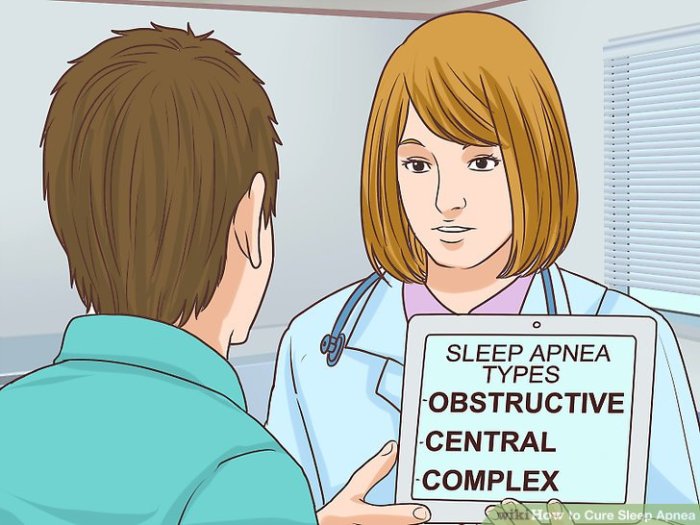
Sleep apnea is a serious sleep disorder characterized by repeated interruptions in breathing during sleep. These pauses can last for seconds to minutes and may occur many times per hour, disrupting the sleep cycle. There are primarily three types of sleep apnea: obstructive sleep apnea (OSA), central sleep apnea (CSA), and complex sleep apnea syndrome. Understanding the nuances between these types is essential for effective diagnosis and treatment.The physiological effects of sleep apnea on the body can be profound.
Frequent awakenings due to breathing interruptions can lead to poor sleep quality and excessive daytime sleepiness. Additionally, sleep apnea can increase the risk of various health problems, including cardiovascular diseases, hypertension, and metabolic issues. The body’s oxygen levels drop during apneic episodes, prompting a range of compensatory mechanisms that can strain the heart and other organs.
Types of Sleep Apnea
Sleep apnea is generally classified into three main categories, each with distinct characteristics:
- Obstructive Sleep Apnea (OSA): This is the most common form, where the muscles in the throat relax excessively during sleep, leading to blocked airflow. It often results in snoring and gasping sounds.
- Central Sleep Apnea (CSA): Unlike OSA, CSA occurs when the brain fails to send proper signals to the muscles that control breathing. This is less common and is often associated with underlying medical conditions.
- Complex Sleep Apnea Syndrome: This is a combination of OSA and CSA, where a person exhibits the characteristics of both forms. It may require more complex treatment approaches.
Physiological Effects on the Body
The impact of sleep apnea on the body is extensive and can lead to a cascade of health issues. The interruptions in breathing lead to decreased oxygen levels in the blood, which triggers a series of responses in the body:
- Increased Blood Pressure: The body responds to frequent drops in oxygen by increasing heart rate and blood pressure, which can contribute to hypertension over time.
- Cardiovascular Strain: Repeated apneic events can strain the heart, increasing the risk of heart disease, stroke, and arrhythmias.
- Metabolic Changes: Sleep apnea has been linked to insulin resistance, increased risk of type 2 diabetes, and obesity due to disrupted metabolic functions.
- Impaired Cognitive Function: Chronic sleep deprivation caused by sleep apnea can lead to memory problems, decreased concentration, and mental fatigue.
Common Symptoms of Sleep Apnea
Identifying sleep apnea can be challenging, as many symptoms can be subtle or mistaken for other issues. Common symptoms include:
- Loud Snoring: This is often the most noticeable sign, particularly in OSA, and can disturb both the sufferer and their partner.
- Excessive Daytime Sleepiness: Individuals may feel excessively tired during the day, impacting their daily activities.
- Gasping for Air: Witnessed by others, this occurs during apneic episodes when breathing resumes after a pause.
- Morning Headaches: Frequent headaches upon waking can result from disrupted sleep and low oxygen levels during the night.
- Difficulty Concentrating: Cognitive challenges can emerge due to poor sleep quality, impacting work and daily functions.
Understanding sleep apnea is crucial for early diagnosis and effective treatment, which can significantly improve quality of life and reduce health risks.
Causes and Risk Factors
Source: wikihow.com
Sleep apnea is a complex disorder influenced by various underlying causes and risk factors. Understanding these elements is crucial for identifying individuals at risk and implementing effective treatments. The interplay of anatomical, physiological, and lifestyle factors contributes to the development of sleep apnea.The primary causes of sleep apnea generally fall into two categories: obstructive sleep apnea (OSA) and central sleep apnea (CSA).
OSA is characterized by physical blockages in the airway, while CSA occurs when the brain fails to signal the muscles responsible for controlling breathing.
Primary Causes of Sleep Apnea
Several factors contribute to the onset of sleep apnea, particularly OSA. Common causes include:
- Obesity: Excess body weight, especially around the neck, can put pressure on the airway, leading to blockages during sleep.
- Anatomical Features: Structural abnormalities such as a thick neck, enlarged tonsils, or a deviated septum can obstruct airflow.
- Age: The risk of sleep apnea increases with age as muscle tone decreases, which can impact airway stability during sleep.
- Family History: Genetic predispositions play a significant role, with those having a family history of sleep apnea being more susceptible.
- Smoking: Tobacco use can increase inflammation and fluid retention in the upper airway, heightening the risk.
Risk Factors for Developing Sleep Apnea
Numerous risk factors may elevate the likelihood of developing sleep apnea. Recognizing these can lead to preventive measures or early intervention. Key risk factors include:
- Gender: Men are more likely to develop sleep apnea than women, although the risk for women increases after menopause.
- Alcohol Consumption: Alcohol relaxes throat muscles and can exacerbate symptoms.
- Medical Conditions: Conditions such as hypertension, diabetes, and asthma are associated with a higher incidence of sleep apnea.
- Use of Certain Medications: Sedatives and tranquilizers may worsen or trigger episodes of sleep apnea.
Demographic Variability in Sleep Apnea Prevalence
The prevalence of sleep apnea varies significantly among different demographic groups. Statistics show certain populations are more affected, underscoring the need for targeted awareness and treatment efforts. For instance:
- In the United States, sleep apnea affects approximately 9% of adults, with higher rates among those with obesity and specific racial backgrounds.
- Among African American adults, the prevalence is notably higher compared to Caucasian adults, indicating possible genetic and lifestyle contributions.
- Children can also develop sleep apnea, particularly those with obesity or certain anatomical features, highlighting the importance of early diagnosis.
Diagnosis and Assessment
Diagnosing sleep apnea involves a comprehensive evaluation by a healthcare professional who specializes in sleep disorders. Accurate diagnosis is crucial, as it can lead to effective treatment options and improved quality of life for those suffering from this condition. Various methods are used to confirm the presence of sleep apnea, including in-lab sleep studies and home testing.A sleep study, known as polysomnography, is the gold standard for diagnosing sleep apnea.
This overnight test records various physiological parameters while the patient sleeps, providing valuable insights into sleep patterns and disturbances. The steps involved in a sleep study are critical for accurate assessment.
Steps Involved in a Sleep Study (Polysomnography)
During a polysomnography, several important steps are followed to ensure comprehensive assessment of sleep apnea. The process typically includes:
1. Pre-Study Preparation
Patients are advised to avoid caffeine and alcohol before the study. They should also follow their regular sleep schedule to ensure accurate results.
2. Arrival at Sleep Center
Patients arrive at a sleep center in the evening where a sleep technician will explain the procedure and answer any questions.
3. Electrode Placement
The technician places sensors on the patient’s scalp, face, chest, and limbs to monitor brain waves, breathing patterns, heart rate, and oxygen levels.
4. Sleep Monitoring
Patients are then asked to sleep in a comfortable environment while the equipment records data throughout the night.
5. Data Analysis
The recorded data is analyzed by a sleep specialist who assesses the severity of sleep apnea based on the number of apneas and hypopneas, as well as other sleep disturbances.This thorough evaluation provides critical information that guides treatment decisions tailored to each individual’s needs.
Overview of Home Sleep Apnea Testing Options
Home sleep apnea testing (HSAT) has become a convenient alternative to in-lab sleep studies for many individuals experiencing symptoms of sleep apnea. These tests can be done in the comfort of one’s own home and typically involve simpler equipment. The key components of HSAT include:
Portable Monitoring Devices
Patients use small, portable devices that monitor airflow, oxygen saturation, heart rate, and respiratory effort during sleep.
Limited Scope
Unlike polysomnography, HSAT primarily focuses on diagnosing obstructive sleep apnea and may not provide a comprehensive analysis of other sleep disorders.
Patient Instructions
Prior to the test, healthcare providers give clear instructions on how to use the device, including proper placement and settings.
Data Interpretation
The data collected during the home test is sent to a healthcare provider for analysis to confirm or rule out sleep apnea.The convenience and simplicity of home testing have made it an attractive option for many patients, though it is essential to consult with a healthcare professional to ensure it is appropriate for individual circumstances.
Conventional Treatment Options
Source: organicfacts.net
The treatment of sleep apnea varies based on the severity of the condition and individual patient needs. Several conventional methods have proven effective in managing symptoms and improving quality of life. Understanding these options is essential for those impacted by sleep apnea or their caregivers.
Common Treatment Methods
Among the most prevalent treatments for sleep apnea are Continuous Positive Airway Pressure (CPAP) therapy and oral appliances. CPAP is widely recognized for its effectiveness.
CPAP therapy involves using a machine that delivers a continuous stream of air through a mask, keeping the airways open during sleep.
The different types of oral appliances, often designed by dentists, aim to reposition the jaw and tongue to keep the airway clear. These devices are particularly useful for individuals with mild to moderate sleep apnea.
Effectiveness of Lifestyle Changes
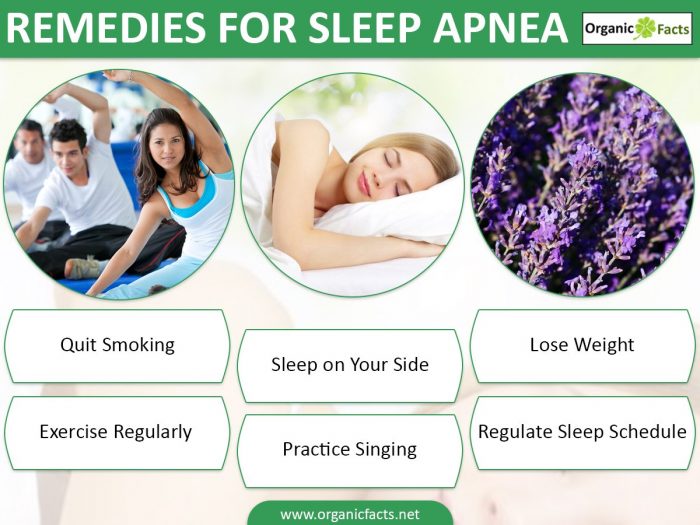
In addition to medical treatments, lifestyle modifications can play a crucial role in managing sleep apnea symptoms. Certain changes may reduce the severity of the condition or improve the effectiveness of other treatments.Some effective lifestyle changes include:
- Weight Management: Reducing excess weight can significantly decrease the severity of sleep apnea, as even a small amount of weight loss can lead to improvements in symptoms.
- Avoiding Alcohol and Sedatives: These substances relax throat muscles and can worsen sleep apnea symptoms.
- Sleep Position Adjustment: Sleeping on the side instead of the back can prevent the tongue and soft tissues from collapsing into the throat.
- Regular Exercise: Exercise can help improve overall health and reduce obesity, which is a major risk factor for sleep apnea.
These changes not only assist in managing sleep apnea but can also contribute to overall well-being.
Surgical Interventions
For patients with severe sleep apnea who do not respond well to CPAP or oral appliances, surgical options may be considered. Surgical interventions aim to enhance airway patency and include various procedures, each with specific indications.Some common surgical procedures include:
- Uvulopalatopharyngoplasty (UPPP): This procedure removes excess tissue in the throat to widen the airway, often performed in patients with significant obstruction.
- Genioglossus Advancement: This surgery repositions the tongue muscle attachment to prevent airway collapse during sleep.
- Maxillomandibular Advancement: This involves moving the upper and lower jaw forward to enlarge the space behind the tongue and soft palate.
- Tracheostomy: In severe cases, this procedure creates a new airway by placing a tube directly into the windpipe, providing immediate relief from severe obstructive sleep apnea.
While surgery can be effective, it is typically reserved for patients with moderate to severe cases who have not achieved relief through non-invasive methods. Each surgical option carries its own risks and benefits, and candidates should discuss these thoroughly with their healthcare provider.
Alternative and Complementary Therapies

Source: guardyoursmile.com
Exploring alternative and complementary therapies can provide valuable insights and methods for individuals dealing with sleep apnea. These approaches often focus on lifestyle modifications, natural treatments, and holistic techniques that can complement conventional treatment options and improve overall well-being.One effective way to alleviate sleep apnea symptoms is through lifestyle modifications. These changes can significantly enhance sleep quality and reduce the severity of apnea incidents.
Important lifestyle adjustments include:
- Weight Management: A key factor in sleep apnea, maintaining a healthy weight can help reduce fatty tissue in the neck and improve airway function.
- Regular Exercise: Engaging in consistent physical activity can promote weight loss and improve sleep quality, thus potentially reducing sleep apnea symptoms.
- Avoiding Alcohol and Sedatives: These substances can relax the throat muscles, exacerbating sleep apnea. Limiting their intake may lead to better sleep patterns.
- Sleeping Position: Sleeping on one’s side rather than on the back can help keep the airway open, significantly reducing episodes of apnea.
Alternative Therapies for Sleep Apnea
Several alternative therapies may offer additional benefits to sleep apnea patients. These methods focus on natural healing processes and can be integrated into a broader treatment plan. Some noteworthy therapies include:
- Acupuncture: This ancient Chinese practice involves inserting thin needles into specific points on the body. Some studies suggest that acupuncture may help reduce the frequency of apnea episodes and improve overall sleep quality.
- Herbal Treatments: Certain herbs, such as valerian root and passionflower, have been reported to promote relaxation and improve sleep. It’s essential for patients to consult with a healthcare provider before incorporating herbal remedies to ensure safety and efficacy.
- Yoga and Breathing Exercises: Practices that emphasize relaxation and controlled breathing can improve respiratory function and reduce stress. These techniques can enhance sleep quality and may contribute to alleviating apnea symptoms.
Weight management programs play a crucial role for many sleep apnea patients. Addressing obesity is often seen as a primary intervention for those suffering from obstructive sleep apnea. These programs typically involve:
- Nutritional Counseling: Patients receive guidance on creating balanced meal plans that promote healthy eating habits and sustainable weight loss.
- Behavioral Therapy: Support groups and individual counseling can help address emotional eating and develop healthier lifestyle choices.
- Exercise Plans: Customized fitness regimens that accommodate individual capabilities can encourage regular physical activity, further assisting in weight loss efforts.
“Weight loss is one of the most effective treatments for obstructive sleep apnea, with significant reductions in symptoms reported after even modest weight loss.”
Preventive Measures
Maintaining healthy sleep is crucial for overall well-being, and sleep apnea can significantly disrupt this. While treatment options exist, adopting preventive measures can significantly reduce the risk of developing sleep apnea or alleviating its severity. Everyday habits and lifestyle choices play an essential role in managing this condition effectively.
Daily Habits to Prevent Sleep Apnea
Incorporating healthy routines into daily life can help minimize the risk and impact of sleep apnea. Here are some effective habits to consider:
- Establish a consistent sleep schedule by going to bed and waking up at the same time every day.
- Avoid alcohol and sedatives, especially before bed, as they can relax the throat muscles and worsen sleep apnea.
- Quit smoking, as it can increase inflammation and fluid retention in the airway.
- Engage in regular physical activity to promote better sleep quality and overall health.
- Practice good sleep hygiene by creating a comfortable sleep environment, which includes a quiet, dark room and a comfortable mattress and pillow.
Importance of Maintaining a Healthy Weight, Cure for sleep apnea
Maintaining a healthy weight is a significant factor in preventing and managing sleep apnea. Excess weight, particularly around the neck, can contribute to airway obstruction during sleep.
The relationship between weight and sleep apnea is evident; losing even a modest amount of weight can lead to significant improvements in sleep quality.
Research indicates that individuals with a body mass index (BMI) over 30 have a higher probability of developing sleep apnea. A healthy diet combined with regular exercise can help manage weight effectively. For example, studies show that individuals who lose just 10% of their total body weight can experience a reduction in apnea episodes.
Environmental Changes to Reduce Sleep Apnea Occurrences
Making simple changes in the sleeping environment can also be beneficial in reducing sleep apnea occurrences. Creating an optimal sleeping space involves considering several factors. Here are changes to implement:
- Adjust the humidity levels in the room, as excessively dry air can irritate the respiratory tract.
- Ensure proper air circulation; using a fan or an air purifier can help maintain a breathable environment.
- Minimize allergens by regularly cleaning bedding and using hypoallergenic materials to reduce nasal congestion.
- Consider the sleeping position; sleeping on the side rather than the back can help keep the airway open.
Ongoing Research and Future Treatments
Research in the field of sleep apnea continues to evolve, aiming to enhance diagnosis, treatment options, and overall patient management. As awareness about sleep apnea grows, so does the pursuit of innovative solutions that promise to improve quality of life for millions affected by this condition. This section delves into current research trends and technologies being developed to combat sleep apnea effectively.
Current Research Trends in Sleep Apnea
Researchers are focusing on a variety of areas to improve understanding and management of sleep apnea. One notable trend is the investigation of genetic factors that may predispose individuals to the condition. By identifying specific genes linked to sleep apnea, researchers hope to develop personalized treatment plans that target the underlying causes rather than just the symptoms. Another emerging trend involves the exploration of the neurobiology of sleep apnea.
Studies are looking into how the brain controls breathing during sleep and how disruptions in these processes contribute to apnea episodes. Understanding these mechanisms could lead to novel therapeutic approaches that address the neurological aspects of the disorder.
Innovative Technologies in Development
Advancements in technology are paving the way for new treatment options for sleep apnea. One promising area is the development of portable sleep monitoring devices. These devices can track sleep patterns and provide real-time feedback to users and healthcare providers, allowing for better management of the condition. Another innovative approach is the use of adaptive servo-ventilation (ASV) devices, which adjust airflow based on detected breathing patterns.
This technology offers a more personalized approach to treatment, ensuring that patients receive the optimal level of support throughout the night.
Potential Future Therapies Based on Recent Studies
Recent studies are unveiling potential therapies that could revolutionize the treatment landscape for sleep apnea. For instance, researchers are investigating the use of implantable devices that stimulate the hypoglossal nerve to prevent airway collapse. Clinical trials have demonstrated promising results, suggesting that this method could be an effective alternative for patients who do not respond well to traditional treatments.Furthermore, the concept of pharmacological treatments is gaining traction.
Researchers are exploring medications that could tone the muscles of the upper airway, reducing the likelihood of obstructions during sleep. Ongoing trials are assessing the safety and efficacy of these drugs, and initial findings indicate that they may provide a viable option for some patients.A noteworthy mention includes the integration of artificial intelligence (AI) in the diagnosis and treatment of sleep apnea.
AI algorithms are being developed to analyze sleep data more efficiently, enabling healthcare providers to make informed decisions based on comprehensive insights. This technology could streamline the diagnosis process and enhance treatment outcomes by personalizing care plans based on individual patient data.As these research trends and technologies develop, the future of sleep apnea treatment looks promising, with the potential to significantly improve the lives of those affected by the condition.
Final Review: Cure For Sleep Apnea
In summary, the journey to address sleep apnea is multifaceted, incorporating a blend of conventional treatments, lifestyle adjustments, and emerging therapies. As ongoing research sheds light on innovative approaches and practical solutions, it becomes increasingly clear that effective management of sleep apnea is within reach. By proactively seeking the right information and support, individuals can reclaim their sleep and enhance their quality of life.
FAQ Corner
What are the long-term effects of untreated sleep apnea?
Untreated sleep apnea can lead to serious health issues, including cardiovascular problems, diabetes, and impaired cognitive function.
Can sleep apnea be cured completely?
While there is no one-size-fits-all cure, effective management strategies can greatly reduce symptoms and improve quality of life.
Are there any natural remedies for sleep apnea?
Some lifestyle changes such as maintaining a healthy weight, regular exercise, and avoiding alcohol can help alleviate symptoms.
How do I know if I have sleep apnea?
Common signs include loud snoring, gasping for air during sleep, excessive daytime drowsiness, and difficulty concentrating.
Is sleep apnea more common in certain age groups?
Yes, sleep apnea is often more prevalent in older adults, but it can affect individuals of all ages, including children.