Healthy eating for weight loss takes center stage as an essential aspect of achieving and maintaining a healthy lifestyle. Embracing nutritious foods not only aids in shedding unwanted pounds but also brings numerous health benefits, enhancing both physical and mental well-being. This journey is not just about dieting; it’s about fostering a balanced diet filled with the right macronutrients, micronutrients, and mindful eating habits that pave the way for lasting change.
With the right principles, meal planning strategies, and cooking techniques, anyone can navigate their way through the complexities of healthy eating. By understanding food labels, smart snacking, and the importance of hydration, individuals can transform their dietary choices. The path to weight loss is also fortified by behavioral changes that promote sustainability, ensuring that healthy eating becomes a lifestyle rather than a temporary fix.
Importance of Healthy Eating for Weight Loss
Healthy eating plays a pivotal role in achieving and maintaining weight loss. It goes beyond merely reducing calorie intake; it encompasses the quality of the foods consumed, which affects overall health, well-being, and success in managing weight. By focusing on nutrient-dense foods, individuals can not only lose weight but also enhance their quality of life through improved physical and mental health.
Understanding the multifaceted importance of healthy eating can provide the motivation needed to make lasting dietary changes.
Role of Healthy Eating in Weight Management
Healthy eating contributes significantly to weight management by providing the body with essential nutrients while promoting satiety. When individuals consume a balanced diet rich in whole foods, such as fruits, vegetables, whole grains, lean proteins, and healthy fats, they are more likely to feel full longer and reduce the likelihood of overeating. This is crucial for weight loss because it allows for a sustainable caloric deficit without the feeling of deprivation.
- Nutrient Density: Foods high in vitamins, minerals, and fiber, such as leafy greens and fruits, help maintain energy levels while keeping calorie counts in check.
- Portion Control: Healthy foods often have built-in portion control; for instance, one cup of vegetables may be more filling than processed snacks that are calorie-dense yet low in nutrients.
- Metabolism Boost: Certain foods, such as those high in protein or rich in fiber, can enhance metabolic rate and promote fat burning.
Health Benefits of a Balanced Diet
Maintaining a balanced diet has numerous health benefits that extend beyond weight loss. When the body receives the right mix of nutrients, it functions optimally, reducing the risk of chronic conditions associated with obesity, such as diabetes and heart disease. Furthermore, a balanced diet supports mental health, energy levels, and overall vitality.
- Reduced Risk of Chronic Diseases: A diet rich in antioxidants and anti-inflammatory foods can lower the risk of conditions like heart disease and certain cancers.
- Improved Digestive Health: High-fiber foods contribute to better digestion and gut health, which is crucial for overall wellness and effective weight management.
- Enhanced Mood and Energy: Foods rich in omega-3 fatty acids, such as fish and nuts, can improve mood and cognitive function, contributing to a more positive approach to weight loss.
Psychological Aspects of Healthy Eating and Weight Loss
The journey of weight loss is not just physical; it is deeply psychological. Healthy eating habits can positively influence mental well-being, leading to a more profound commitment to weight loss goals. Understanding the psychological implications of food choices can aid in overcoming emotional eating and fostering a healthier relationship with food.
- Mindful Eating: Practicing mindfulness during meals helps individuals become more aware of their hunger cues and emotional triggers, leading to better eating choices.
- Setting Realistic Goals: Achieving small, attainable goals can boost confidence and encourage consistency, turning weight loss into a fulfilling journey rather than a daunting task.
- Social Support: Engaging with support groups or communities focused on healthy eating can provide motivation and encouragement, making the process more enjoyable and less isolating.
Principles of a Healthy Diet
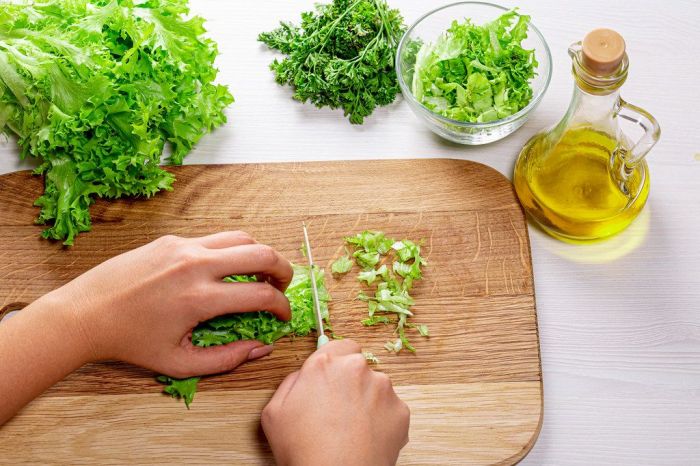
Source: wuestenigel.com
A healthy diet is fundamental for maintaining a balanced lifestyle, especially when focusing on weight loss. Understanding the components of a balanced diet is crucial for making informed food choices that promote overall health and support weight management. By incorporating a variety of nutrients, individuals can effectively fuel their bodies while shedding excess weight. Macronutrients and micronutrients play significant roles in a healthy diet.
Macronutrients, which include carbohydrates, proteins, and fats, provide the energy needed for daily activities. Micronutrients, consisting of vitamins and minerals, are critical for various bodily functions, including immune response, bone health, and metabolic processes. A well-rounded diet includes a mix of all these nutrients to ensure optimal performance and health.
Components of a Balanced Diet
To maintain a healthy diet, it’s essential to include diverse food groups that offer various health benefits. Below is a table that organizes these food groups along with their respective benefits:
| Food Group | Health Benefits |
|---|---|
| Fruits | Rich in vitamins, fiber, and antioxidants; supports digestion and reduces the risk of chronic diseases. |
| Vegetables | Low in calories, high in nutrients; aids in weight management and provides essential vitamins. |
| Whole Grains | High in fiber and B vitamins; promotes satiety and supports digestive health. |
| Lean Proteins | Supports muscle growth and repair; helps regulate appetite and can lead to reduced calorie intake. |
| Healthy Fats | Essential for hormone production and nutrient absorption; can help reduce inflammation. |
Incorporating more fruits and vegetables into daily meals not only enhances the nutritional profile of the diet but also adds flavor and variety. Here are some effective methods to increase your intake:
1. Smoothies
Blend fruits and leafy greens into smoothies for a quick and nutritious breakfast or snack.
2. Snacks
Keep chopped fruits and vegetables ready for snacking throughout the day. Carrot sticks, bell pepper slices, and apple wedges are great options.
3. Sides
Add a side salad or steamed vegetables to every meal. This easily ups your vegetable intake without much effort.
4. Soups and Stews
Incorporate a variety of vegetables into soups and stews, where they can blend with flavors and enhance the dish.
5. Creative Recipes
Experiment with recipes that feature fruits and vegetables prominently, such as stir-fries or vegetable-based pasta dishes. By consciously integrating these dietary principles and methods into everyday routines, individuals can effectively work towards their weight loss goals while fostering a healthier lifestyle.
Meal Planning for Weight Loss
Meal planning is a crucial strategy for successful weight loss as it encourages healthier food choices, helps manage portion sizes, and reduces the temptation to eat unhealthy convenience foods. By organizing meals ahead of time, individuals can take control of their dietary habits and ensure that they are getting the necessary nutrients while staying within their caloric goals.To effectively plan meals for weight loss, it’s important to focus on variety, balance, and portion control.
This involves preparing a weekly meal plan that includes a diverse range of foods across all food groups to keep meals interesting and satisfying. Additionally, incorporating meal prep strategies can save time and make it easier to stick to the plan throughout the week.
Weekly Meal Plan Design
Creating a balanced weekly meal plan involves selecting foods that are not only nutritious but also enjoyable. A sample weekly meal plan may include:
| Day | Breakfast | Lunch | Dinner |
|---|---|---|---|
| Monday | Oatmeal with berries | Grilled chicken salad | Quinoa and roasted vegetables |
| Tuesday | Smoothie with spinach and banana | Turkey and hummus wrap | Baked salmon with asparagus |
| Wednesday | Greek yogurt with honey and nuts | Chickpea salad | Stuffed bell peppers |
| Thursday | Scrambled eggs with spinach | Quinoa bowl with black beans | Stir-fried tofu with broccoli |
| Friday | Whole grain toast with avocado | Lentil soup | Grilled shrimp with zucchini noodles |
| Saturday | Chia seed pudding | Caprese salad | Baked chicken breasts with sweet potatoes |
| Sunday | Pancakes made with whole wheat flour | Vegetable soup | Beef stir-fry with bell peppers |
This plan emphasizes portion control by providing balanced meals throughout the day, ensuring a mix of protein, carbohydrates, and healthy fats while still allowing for variety and satisfaction.
Effective Grocery Shopping Tips
Shopping for healthy ingredients is essential to support meal planning for weight loss. Below are some strategies to enhance grocery shopping effectiveness:When grocery shopping, consider the following tips to ensure you make healthier choices:
- Make a list: Prepare a shopping list based on your meal plan to avoid impulse purchases.
- Shop the perimeter: Focus on the outer aisles of the store where fresh produce, lean meats, and dairy are typically located.
- Choose seasonal produce: Select fruits and vegetables that are in season for better taste and affordability.
- Read labels: Check nutrition labels for added sugars and unhealthy fats to make informed choices.
- Buy in bulk: Purchase whole grains, nuts, and seeds in bulk to save money and ensure a steady supply.
These practices will not only enhance your ability to stick to a healthy eating plan but also contribute to overall wellness and satisfaction.
Meal Prep Strategies
Implementing meal prep strategies can significantly reduce the time spent cooking during the week while ensuring a nutritious diet. Here are some effective meal prep techniques to consider:Preparing meals in advance allows for convenience and consistency in healthy eating. Consider the following strategies for effective meal prep:
- Batch cooking: Prepare large portions of meals, such as soups and casseroles, that can be divided into individual servings and frozen.
- Pre-chop vegetables: Spend some time washing and cutting vegetables to use in salads and stir-fries throughout the week.
- Use portion containers: Invest in portion-controlled containers to easily pack meals for grab-and-go options.
- Plan for leftovers: Incorporate leftovers into your meal plan to minimize waste and save cooking time.
- Designate a prep day: Set aside one day a week, such as Sunday, to prepare all meals for the coming week, making it easier to stay on track.
By adopting these meal prep strategies, individuals can maintain a nutritious diet with less daily cooking effort, paving the way for long-term weight loss success.
Healthy Cooking Techniques

Source: healthydiversity.eu
Cooking techniques play a crucial role in maintaining the nutritional value of food while preparing meals that support weight loss goals. By selecting the right methods, you can enhance flavors, preserve nutrients, and create satisfying dishes that align with a healthy eating plan. This section delves into various cooking techniques that promote both health and taste, making it easier to stick to a weight loss regimen.
Cooking Methods that Preserve Nutritional Value
Various cooking methods can significantly influence the nutritional quality of the food you consume. Opting for techniques that minimize nutrient loss is vital, particularly when it comes to vitamins and minerals that are sensitive to heat and water. The following methods are ideal for preserving the nutritional value of your meals:
- Steaming: This method uses steam to cook food, which helps retain most vitamins and minerals. Vegetables steamed for a short period offer vibrant flavors and textures without losing essential nutrients.
- Grilling: Grilling not only adds a delicious smoky flavor to food but also allows fat to drip away from the food, making it a healthier option. Grilled chicken, fish, and vegetables can be both satisfying and nutritious.
- Baking: Baking is a technique that requires minimal added fats and is particularly effective for preparing lean proteins and vegetables. It allows the natural flavors to shine through without excessive seasoning or fat.
- Sautéing: Using a small amount of healthy oil, such as olive oil, to sauté vegetables can enhance their flavor and texture while retaining their nutrients. Quick cooking over medium-high heat helps to keep the vegetables crisp and colorful.
- Poaching: This gentle cooking method involves simmering food in liquid, such as broth or water, which can help retain moisture and nutrients. Poached eggs or fish are great examples of light, nutritious meals.
Recipes Utilizing Healthy Cooking Techniques
Incorporating healthy cooking techniques into your recipes can transform ordinary meals into delicious, nutritious options that support your weight loss journey. Here are a couple of recipes that highlight these methods.
Grilled Lemon Herb Chicken
This simple recipe is packed with flavor and easy to prepare on a grill.
Ingredients: Chicken breasts, lemon juice, olive oil, garlic, fresh herbs (such as rosemary and thyme), salt, and pepper.
Cooking Technique: Grilling
Instructions:
- Marinate chicken breasts in a mixture of lemon juice, olive oil, minced garlic, chopped herbs, salt, and pepper for at least 30 minutes.
- Preheat the grill to medium-high heat.
- Grill the chicken for about 6-7 minutes on each side or until fully cooked.
- Serve with a side of grilled vegetables for a complete meal.
Steamed Veggies with Quinoa
A vibrant, nutrient-packed dish that’s quick to prepare.
Ingredients: Broccoli, carrots, bell peppers, quinoa, vegetable broth, and a splash of lemon juice.
Cooking Technique: Steaming
Instructions:
- Rinse quinoa and cook it in vegetable broth according to package directions.
- Steam the mixed vegetables for about 5-7 minutes until tender but still bright in color.
- Toss the steamed vegetables with cooked quinoa and add a splash of lemon juice for flavor.
Choosing Healthier Alternatives to Common Cooking Ingredients
Making simple substitutions in your cooking can significantly reduce calorie intake and enhance nutritional value. Here are some healthier alternatives to commonly used cooking ingredients:
- Oil: Instead of butter or margarine, use olive oil or avocado oil, which are rich in healthy fats.
- Sugar: Swap refined sugar for natural sweeteners like honey or maple syrup, or use fruit purees for sweetness.
- Salt: Reduce sodium by using herbs, spices, and citrus zest to flavor dishes instead of relying on table salt.
- Heavy Cream: Use Greek yogurt or coconut milk as substitutes for heavy cream in recipes, which add creaminess with fewer calories.
- White Rice: Consider using quinoa, brown rice, or cauliflower rice as healthier, fiber-rich alternatives.
By understanding and implementing these cooking techniques and ingredient substitutions, you can create meals that are not only delicious but also conducive to achieving and maintaining your weight loss goals.
Understanding Food Labels
Reading and interpreting food labels is a crucial skill for anyone looking to make healthier choices and manage their weight effectively. Food labels provide important information about the nutritional content of products, helping consumers make informed decisions. By understanding how to properly read these labels, you can choose options that align with your dietary needs and weight loss goals.Food labels can sometimes be overwhelming, but they are designed to help you assess the nutritional value of products quickly.
Key components of a food label include serving size, calories, macronutrients (fats, carbohydrates, and proteins), vitamins, and minerals. It’s important to pay attention to the serving size, as many people underestimate how much they are actually consuming. This can lead to unintentional overeating, even with seemingly healthy options.
Common Misleading Terms
When navigating food labels, it’s essential to be aware of misleading terms that can inflate a product’s health appeal. These terms can create false impressions about the nutritional value of foods. Here are some common misleading terms and what they really mean:
- Fat-Free: May still contain high levels of sugar or carbohydrates.
- Whole Grain: The product may only contain a small amount of whole grains; check the ingredients list.
- Low-Calorie: The term can be subjective; ensure it meets your dietary goals.
- Natural: This term is not regulated and can be used on products with artificial ingredients.
- Zero Trans Fat: Products can still contain small amounts of trans fats (less than 0.5g per serving).
Understanding these misleading terms can help you make better choices and avoid products that may not be as healthy as they seem.
Comparative Nutritional Label Analysis
To further illustrate how to read food labels effectively, here is a comparison table that showcases three different brands of a similar product—granola bars. Each brand’s nutritional content can significantly differ even if they are marketed similarly.
| Brand | Calories (per bar) | Total Fat (g) | Sugars (g) | Fiber (g) | Protein (g) |
|---|---|---|---|---|---|
| Brand A | 150 | 6 | 8 | 3 | 2 |
| Brand B | 120 | 4 | 5 | 2 | 3 |
| Brand C | 200 | 10 | 12 | 1 | 4 |
This table highlights the differences in nutritional values among the brands. It’s important to note that while Brand C might seem tasty, its higher calories and sugar content could hinder weight loss efforts. Always compare nutritional labels to find the best options that fit within your dietary plan.
Understanding food labels is not just about calories; it’s about making informed choices that support your health and weight loss journey.
Snacking Smartly
Snacking can be an essential part of a healthy diet, especially when aiming for weight loss. Choosing the right snacks and practicing portion control can help maintain energy levels while keeping hunger at bay. Smart snacking involves selecting nutritious options that support your goals rather than derail them. Let’s explore the various aspects of snacking smartly.
Healthy Snack Options for Weight Loss
Incorporating healthy snacks into your diet is vital for satisfying cravings and supporting weight loss goals. Here are some nutritious snack options that are both delicious and beneficial:
- Fresh Fruits: Apples, berries, and oranges are great for a sweet treat that’s low in calories and high in vitamins.
- Vegetable Sticks: Carrots, celery, and cucumber paired with hummus or yogurt dip offer crunch and nutrition.
- Nuts and Seeds: A small handful of almonds or sunflower seeds provides healthy fats and protein.
- Greek Yogurt: This is a protein-rich option that can be flavored with a drizzle of honey or some fresh fruit.
- Popcorn: Air-popped and lightly seasoned, popcorn is a whole grain snack that can be filling.
- Whole Grain Crackers: These can be paired with low-fat cheese for a satisfying combination of crunch and creaminess.
- Hard-Boiled Eggs: An excellent source of protein that can keep you full for longer.
Importance of Portion Control When Snacking
Maintaining portion control while snacking is crucial for achieving weight loss goals. Even healthy snacks can contribute to weight gain if consumed in large quantities. Effective strategies to manage portions include:
- Using smaller plates or bowls to trick your brain into thinking you’re eating more.
- Pre-packaging snacks in small bags or containers to avoid mindless eating directly from larger packages.
- Measuring out servings according to nutritional guidelines to keep calorie intake in check.
Keeping portions in check ensures that snacking remains a helpful part of your diet rather than a hindrance.
Role of Snacking in Maintaining Energy Levels
Smart snacking plays a significant role in maintaining consistent energy levels throughout the day. When meals are spaced too far apart, blood sugar levels can drop, leading to fatigue and irritability. Healthy snacks help bridge the gap between meals, providing necessary nutrients and keeping hunger pangs at bay.
Incorporating snacks that combine protein, healthy fats, and carbohydrates can sustain energy levels effectively. For instance, a snack of apple slices with almond butter not only satisfies sweet cravings but also provides long-lasting energy. Regular, healthy snacks can also improve focus and productivity, whether at work or during workouts.
Strategic snacking can prevent energy crashes, helping you stay alert and energetic throughout the day.
Maintaining proper hydration is a crucial aspect of any weight loss journey. Water plays a vital role in the body’s functions, from regulating body temperature to aiding digestion. Staying adequately hydrated not only helps support your metabolism but can also reduce feelings of hunger, making it easier to stick to a healthy eating plan.Water intake is particularly important for weight loss as it aids in the breakdown of fat and helps the body eliminate waste.
Research indicates that drinking water before meals can help reduce calorie intake, making it a simple yet effective strategy for weight management. Additionally, dehydration can often be mistaken for hunger, leading to unnecessary snacking and overeating. Incorporating more water into your daily routine can be easy and enjoyable. Here are some effective strategies to boost your hydration: Replacing sugary beverages with healthy, hydrating drinks can significantly aid in weight loss efforts. Here are some refreshing recipes to try: 1. Cucumber Mint Water Combine sliced cucumber and a handful of fresh mint leaves in a pitcher of water. Let it steep in the refrigerator for a couple of hours before serving to infuse the flavors. 2. Berry Citrus Sparkler Mix sparkling water with a splash of orange juice and a handful of mixed berries. This fizzy drink is not only refreshing but also rich in antioxidants. 3. Watermelon Basil Cooler Blend fresh watermelon chunks with basil leaves and strain to create a light, hydrating beverage. Serve chilled for a perfect summer refreshment. 4. Ginger Lemonade Combine fresh ginger juice, lemon juice, and a bit of honey in water. This zesty drink can boost your metabolism while keeping you hydrated. 5. Herbal Iced Tea Brew your favorite herbal tea, let it cool, and serve it over ice. You can add a splash of lemon or a few fresh herbs for added flavor.By making hydration a priority and opting for healthier drink alternatives, you can support your weight loss goals while enjoying delicious flavors. Developing and maintaining healthy eating habits is essential for effective weight loss and overall well-being. This process often requires a significant shift in mindset and behavior. By employing specific strategies, individuals can create a sustainable path towards healthier eating patterns while addressing the challenges that may arise along the way.It’s crucial to understand the various triggers that lead to unhealthy eating behaviors. These triggers can stem from emotional, environmental, or social influences, and recognizing them is the first step in combating unhealthy choices. Additionally, tracking progress in a healthy eating journey can provide motivation and accountability, ensuring that goals remain in focus. Establishing healthy eating habits involves consistent practice and mindfulness. Here are several strategies to consider: Recognizing triggers that lead to unhealthy eating is vital for maintaining a balanced diet. Common triggers include stress, boredom, and social pressures. Here are some effective methods to combat these triggers: Tracking progress in a healthy eating journey is essential for staying motivated and accountable. Various methods can be employed to monitor your journey effectively: “Sustaining healthy eating habits requires not just knowledge, but a commitment to ongoing behavioral changes.” Adopting a healthier eating pattern can be quite the journey, and it’s not without its challenges. Many encounter barriers that can hinder their progress, from hectic schedules to social pressures. However, understanding these obstacles and how to navigate them can empower you to make better choices on your path to weight loss.Identifying common barriers to healthy eating is crucial for finding effective solutions. Many individuals cite lack of time, limited access to fresh foods, and high costs as significant challenges. It’s essential to develop strategies to confront these issues head-on to maintain a healthy diet. It’s necessary to recognize the specific challenges people face regarding healthy eating. Here are some common barriers along with practical solutions to help overcome them: Understanding the impact of social settings on dietary choices is also vital. Social gatherings and peer influences can lead to temptation and unhealthy eating habits. It’s possible to navigate these situations without compromising your goals. Social events often present unique challenges to maintaining healthy eating habits. However, with mindful strategies, you can enjoy these occasions while sticking to your health goals. Finally, maintaining motivation throughout your weight loss journey can be challenging, especially when facing setbacks. It’s essential to develop resilience to stay on track. Motivation can wane, particularly during tough times. To stay focused, consider these strategies to keep your spirits high and your goals in sight: By recognizing and addressing these challenges, you can navigate the complexities of healthy eating with confidence, setting yourself up for long-term success on your weight loss journey. Source: wuestenigel.com In summary, adopting healthy eating for weight loss is a multifaceted approach that encompasses a variety of strategies aimed at improving overall health. By focusing on balanced nutrition, effective meal planning, and behavioral modifications, individuals can successfully navigate challenges and stay motivated on their weight loss journey. The insights shared pave the way for a healthier future, where nutritious eating supports long-term success and well-being. Can I lose weight while eating my favorite foods? Yes, you can enjoy your favorite foods in moderation while focusing on portion control and incorporating healthier options. How important is meal timing for weight loss? While meal timing isn’t as crucial as overall calorie intake, eating at regular intervals can help manage hunger and prevent overeating. Are all fats bad for weight loss? No, healthy fats, like those from avocados and nuts, are essential for the body and can support weight loss when consumed in moderation. What’s the role of exercise in healthy eating for weight loss? Exercise complements healthy eating by helping to burn calories, build muscle, and boost metabolism, enhancing weight loss efforts. How can I stay motivated during my weight loss journey? Setting realistic goals, celebrating small achievements, and seeking support from friends or groups can help maintain motivation.
Behavioral Changes for Sustaining Healthy Eating
Strategies for Developing Healthy Eating Habits, Healthy eating for weight loss
Identifying and Combating Triggers for Unhealthy Eating
Methods for Tracking Progress
Overcoming Challenges in Healthy Eating
Common Barriers to Healthy Eating and Solutions
Social Settings and Dietary Choices
Staying Motivated on a Weight Loss Journey
Final Review
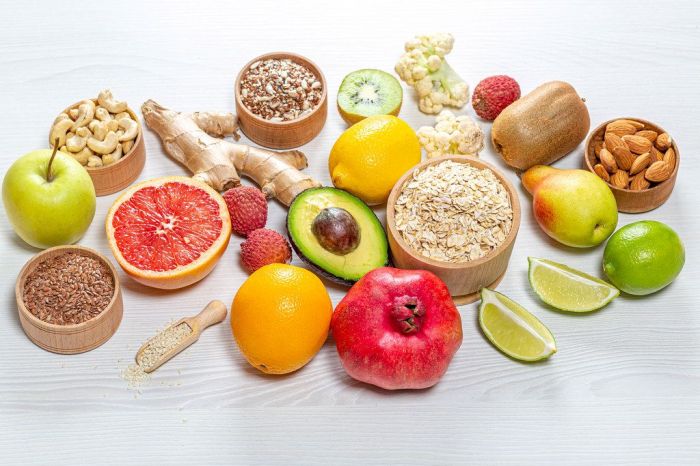
Question Bank: Healthy Eating For Weight Loss