Herbal remedies for stress have long been a part of human history, offering natural solutions to soothe the mind and body. As we navigate through our busy lives, the quest for stress relief has become increasingly essential, leading many to explore the calming properties of various herbs. From ancient practices to modern applications, these remedies hold significant promise in supporting both mental and physical well-being.
Common herbs such as chamomile, valerian root, and ashwagandha have established their reputations for alleviating stress, backed by centuries of traditional use. Understanding the physiological impacts of stress and how these herbs interact with our bodies can empower us to make informed choices for our health.
Introduction to Herbal Remedies for Stress
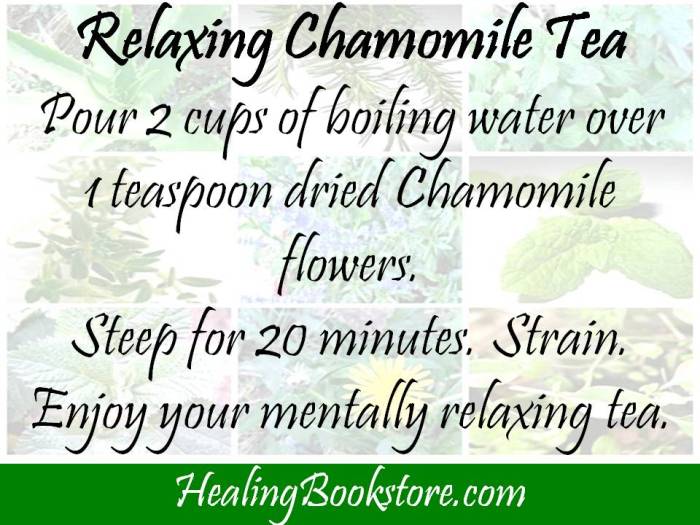
Source: healingbookstore.com
Herbal remedies have been utilized for centuries as a natural approach to managing stress and enhancing overall well-being. These remedies draw from a rich history of traditional medicine, where plants were used not only for their nutritional benefits but also for their therapeutic properties. Today, herbal remedies are gaining recognition as individuals seek alternatives to pharmaceutical options for stress relief.Stress is a physiological and psychological response to challenging situations, characterized by the release of hormones such as cortisol and adrenaline.
Over time, chronic stress can lead to various health issues, including anxiety, depression, and cardiovascular problems. Herbal remedies can play a significant role in alleviating these symptoms by supporting the body’s natural stress response and promoting relaxation. Various herbs have been traditionally used for their calming effects, contributing to a holistic approach to stress management.
Common Herbs Used for Alleviating Stress
An array of herbs has been recognized for their effectiveness in stress relief, each with unique properties and uses. The following herbs are frequently employed in herbal remedies for their calming effects and supportive roles in managing stress:
- Chamomile: Chamomile is often consumed as a tea and is known for its mild sedative effects, making it an excellent choice for promoting relaxation and aiding sleep.
- Lavender: This fragrant herb is commonly used in aromatherapy. Its essential oil is believed to reduce anxiety and improve mood through its calming scent.
- Valerian Root: Valerian root is often utilized as a sleep aid. It is thought to enhance the quality of sleep by reducing the time it takes to fall asleep and decreasing nighttime awakenings.
- Holy Basil (Tulsi): This adaptogenic herb has been traditionally used in Ayurvedic medicine to help the body cope with stress and promote mental balance.
- Passionflower: Known for its anxiety-reducing properties, passionflower is often used to relieve insomnia and promote relaxation.
These herbs not only provide a natural way to cope with stress but also offer a variety of beneficial compounds that work synergistically to enhance health. For example, chamomile contains apigenin, which binds to specific receptors in the brain, promoting feelings of calmness and relaxation. Similarly, the compounds in lavender can influence the limbic system, the part of the brain that regulates emotions.
“Herbs are the friends of the physician and the praise of the people.” – Charles R. Johnson
By integrating these herbal remedies into daily routines, individuals may find a balanced approach to managing stress, supporting both mental and physical health naturally.
Popular Herbal Ingredients
Herbal remedies have gained popularity for their potential to alleviate stress and promote relaxation. This section explores some of the most renowned herbs known for their stress-relief properties, providing insights into their active compounds and benefits.Many herbs have been studied for their ability to combat stress and anxiety. These natural ingredients can offer supportive relief, making them popular choices for those seeking alternative methods to manage stress.
Let’s delve into a selection of noteworthy herbs and their unique effects on the body.
Overview of Stress-Relief Herbs
Here are some prominent herbs recognized for their stress-relieving qualities, along with a summary of their active components and effects:
- Chamomile: Known for its calming effects, chamomile contains apigenin, an antioxidant that binds to specific receptors in the brain, helping to reduce anxiety and promote sleep.
- Valerian Root: Valerian is often used as a natural sedative. Its primary active compounds, valerenic acid and valerenol, work to enhance GABA levels in the brain, providing a calming effect.
- Ashwagandha: This adaptogenic herb contains withanolides, which are thought to help reduce cortisol levels, the hormone linked to stress, while also promoting a sense of tranquility.
The following table provides a comparative overview of each herb, detailing their benefits, recommended dosages, and potential side effects:
| Herb | Benefits | Dosage | Potential Side Effects |
|---|---|---|---|
| Chamomile | Promotes relaxation, aids sleep, reduces anxiety | 200-400 mg (dried flowers) or 1-2 cups of tea daily | Allergic reactions, drowsiness |
| Valerian Root | Improves sleep quality, reduces anxiety symptoms | 300-600 mg (extract) taken 30 minutes before bedtime | Dizziness, headache, upset stomach |
| Ashwagandha | Reduces stress, enhances mood, improves overall mental health | 500-1000 mg (standardized extract) daily | Gastrointestinal upset, drowsiness, headache |
Integrating these herbs into your wellness routine may provide natural support for managing stress effectively.
Preparation Methods for Herbal Remedies
Herbal remedies can be prepared using various methods, each offering unique benefits and ease of use. Understanding these preparation techniques is essential for maximizing the effectiveness of the herbs and for crafting remedies that fit your lifestyle. From soothing teas to concentrated tinctures, the methods you choose can greatly impact the potency and flavor of your herbal concoctions.
Preparation Methods Overview
Different methods of preparing herbal remedies include teas, tinctures, capsules, and powders. Each method has its advantages, from the quick and simple tea to the long-lasting benefits of tinctures. Below is a detailed look at how to prepare herbal teas and tinctures, two of the most popular forms of herbal remedies.
Creating Herbal Tea for Relaxation
Herbal tea is a straightforward and enjoyable way to experience the benefits of herbs, especially for relaxation. Here’s a simple recipe for a calming herbal tea blend:
Ingredients
1 teaspoon dried chamomile flowers
1 teaspoon dried lavender flowers
1 teaspoon dried lemon balm
2 cups water
Honey or lemon (optional for taste)
Preparation Steps
1. Boil 2 cups of water in a small pot or kettle. 2. Once boiling, remove the water from heat and add the chamomile, lavender, and lemon balm. 3.
Cover the pot and let the mixture steep for 5-10 minutes. 4. Strain the tea into a cup using a fine mesh strainer or tea infuser. 5. Add honey or lemon to taste, if desired.
6. Enjoy the tea warm, ideally in a quiet space to enhance its relaxing effects.
Making a Tincture: Step-by-Step Guide, Herbal remedies for stress
Tinctures are potent herbal extracts made by soaking herbs in alcohol or vinegar, extracting their medicinal properties. Here is a guide to making a basic tincture:
Required Materials
1 cup dried herbs (e.g., valerian root, passionflower)
2 cups high-proof alcohol (such as vodka, at least 40% alcohol)
A glass jar with a tight-fitting lid
A dark glass dropper bottle for storage
A strainer or cheesecloth for filtering
Preparation Steps
1. Place the dried herbs in a glass jar. 2. Pour the alcohol over the herbs, ensuring they are completely submerged. 3.
Seal the jar tightly and store it in a cool, dark place. 4. Shake the jar gently every few days to help the extraction process. 5. After 4-6 weeks, strain the mixture through a strainer or cheesecloth into another container, discarding the herb solids.
6. Transfer the filtered tincture into a dark glass dropper bottle for storage. 7. Label the bottle with the date and contents for future reference.Tinctures can be taken in small doses, typically 1-2 dropperfuls, diluted in water for ease of consumption. They offer a concentrated form of herbal remedy that can be stored for years when kept in a cool, dark place.
Combining Herbs for Enhanced Effects

Source: bodykind.com
Combining different herbs can create synergistic effects that enhance their individual benefits, particularly for stress relief. This approach allows for a more holistic method of managing stress, as various herbs can work together to address different aspects of stress and its symptoms.When you blend herbs, you can target multiple pathways in the body, potentially increasing the effectiveness of your remedies.
Some herbs may act as relaxants, while others could promote better sleep or improve mood. The right combinations can lead to a more balanced and effective solution for stress management.
Examples of Herbal Blends
Here are some effective herbal combinations that can enhance stress relief. Each blend targets unique stress-related symptoms, making them ideal choices for comprehensive stress management.
- Chamomile and Lavender: Known for their calming properties, this combination can help reduce anxiety and promote better sleep.
- Ashwagandha and Holy Basil: Both adaptogens, they work together to enhance resilience to stress and support overall mental health.
- Valerian Root and Lemon Balm: This blend is effective for relaxation and can improve sleep quality while reducing anxiety.
- Passionflower and Hops: Together, these herbs can alleviate insomnia and anxiety, making them excellent for evening use.
- Rhodiola and Ginseng: This combination can help boost energy levels and reduce fatigue associated with stress, making it ideal for daytime use.
Combining herbs not only enhances their effectiveness but also allows for a personalized approach to stress relief. By selecting combinations that cater to your specific needs, you can create a tailored herbal remedy that works best for you. Always consider consulting with a healthcare professional before starting any new herbal regimen, especially if you are taking medications or have underlying health conditions.
Safety and Precautions
When considering herbal remedies for stress, it’s essential to prioritize safety. While many herbs can offer relief, they can also have side effects and interact with other medications. Understanding these aspects can help ensure a positive experience while using herbal supplements. The potential side effects and interactions of commonly used herbs can vary significantly. Some of the most popular herbs for stress relief include chamomile, valerian root, and ashwagandha, each with its own profile of benefits and risks.
For instance, while chamomile is generally safe, it might cause allergic reactions in individuals sensitive to plants in the Asteraceae family. Valerian root can cause drowsiness, which may be problematic for those who need to remain alert. Moreover, ashwagandha, while helpful for anxiety, may interact with medications for thyroid function or sedatives.
Considerations When Choosing Herbal Remedies
When selecting herbal remedies, several important considerations must be acknowledged based on individual health conditions. It’s crucial to assess personal health history and existing medications to avoid adverse interactions. Here are some guidelines to keep in mind:
Consult a healthcare provider
Before starting any herbal remedy, discussing it with a healthcare professional is vital, especially if you have existing health concerns or are taking other medications.
Research the herb
Understanding the specific effects, side effects, and recommended dosages can help you make an informed decision.
Choose quality products
Not all herbal supplements are created equal; look for products that are third-party tested for purity and potency.
Monitor your body’s response
Keep track of how you feel after starting an herbal remedy to identify any negative reactions promptly.
Always prioritize your health by consulting a healthcare professional before starting any new herbal supplement, especially if you have existing health conditions or are taking other medications.
Lifestyle Integration of Herbal Remedies: Herbal Remedies For Stress
Integrating herbal remedies into daily routines can significantly enhance stress management and overall well-being. By consciously incorporating these natural solutions into your lifestyle, you create a holistic approach to combating stress. This can lead to a more balanced life, where the benefits of herbal remedies complement other stress-relief practices.A practical way to begin this integration is by setting specific times for herbal remedy consumption throughout your day.
Pairing these remedies with other stress-relief techniques, such as meditation, yoga, or even a brisk walk, can amplify their effects. Below are some effective strategies for seamlessly incorporating herbal remedies into your daily routine, alongside other well-established stress management practices.
Tips for Combining Herbal Use with Other Stress-Relief Practices
Incorporating herbal remedies with other stress-relief techniques can create a synergistic effect. Here are some practical tips to ensure a cohesive approach:
- Morning Ritual: Start your day with a calming herbal tea, such as chamomile or lemon balm, while performing a short meditation session. This can set a peaceful tone for the day.
- Midday Break: Take a break during your workday to enjoy an adaptogenic herbal blend, like ashwagandha, while practicing deep breathing exercises. This can help reset your focus and energy levels.
- Evening Wind Down: Incorporate herbal remedies like valerian root or passionflower into your evening routine by preparing a soothing tea. Pair this with gentle stretching or yoga to prepare your mind and body for restful sleep.
Integrating herbal remedies can also involve recognizing the moments in your daily routine that might trigger stress. For example, if you find commuting stressful, consider sipping on a calming herbal infusion before or during your journey.
Weekly Planner Template for Herbal Remedies and Stress Reduction
A well-structured weekly planner can assist in consistently integrating herbal remedies into your lifestyle. Here’s a simple template to get started:
| Day | Morning | Afternoon | Evening |
|---|---|---|---|
| Monday | Chamomile tea + Meditation | Ashwagandha smoothie + Breathing exercises | Valerian tea + Yoga |
| Tuesday | Lavender tea + Journaling | Holy basil infusion + Walk in nature | Passionflower tea + Relaxation techniques |
| Wednesday | Ginger tea + Affirmations | Rhodiola drink + Stretching | Hops tea + Mindfulness practice |
| Thursday | Mint tea + Visualization exercises | Reishi mushroom latte + Creative hobbies | Skullcap tea + Reading |
| Friday | Lemon balm tea + Gratitude practice | Turmeric golden milk + Nature walk | Kava tea + Meditation |
| Saturday | St. John’s Wort tea + Breathing exercises | Chamomile + Physical activity | Passionflower tea + Family time |
| Sunday | Herbal detox smoothie + Planning for the week | Adaptogen blend + Socializing | Relaxing herbal tea + Reflective journaling |
Utilizing a planner helps maintain consistency and allows for reflection on what works best for you. Tracking your experiences with various herbs alongside your stress-relief practices can also provide valuable insights into your personal well-being journey.
Personal Experiences and Anecdotes
The journey of utilizing herbal remedies for stress can be deeply personal and transformative. Many individuals have sought natural alternatives to manage their stress levels, often sharing their successes and insights along the way. These testimonials not only highlight the potential benefits of herbal treatments but also provide a relatability factor that can inspire others to explore similar paths.Personal experiences play a vital role in understanding how effective herbal treatments can be.
They serve as real-life examples of how herbs interact with individual bodies and lifestyles, showcasing varying outcomes based on factors such as dosage, preparation methods, and the specific stressors being addressed. Here, we delve into a compelling narrative of one individual’s journey with herbal remedies.
Case Study: Sarah’s Journey with Herbal Remedies
Sarah, a 32-year-old marketing executive, found herself overwhelmed by the pressures of her job. The stress was not only affecting her work performance but also her overall health. After trying various conventional stress relief methods with little success, she turned to herbal remedies as a last resort. Her journey began with the popular adaptogen, ashwagandha. After researching its properties and potential benefits, she decided to include it in her daily routine.
Within a few weeks, Sarah noticed a significant decrease in her anxiety levels and an improvement in her ability to focus. She supplemented ashwagandha with chamomile tea, known for its calming properties, which she enjoyed each evening as part of her winding-down ritual.Inspired by her positive experience, Sarah began experimenting with other herbs, including passionflower and valerian root. Each herb brought its unique benefits, which she carefully documented in a journal.
This not only helped her track her progress but reinforced her belief in the power of these natural remedies.Sarah’s journey illustrates the importance of personal experience in understanding the effectiveness of herbal treatments. Her testimony emphasizes that while herbs can provide significant relief, it is essential to approach them with mindfulness and respect for one’s individual health needs. She advocates for a personalized approach to herbal remedies, encouraging others to explore what works best for them while remaining cautious of potential interactions with other medications.Through sharing her story, Sarah aims to inspire others to consider herbal remedies as valid options in managing stress.
Her success has led her to participate in online forums and community groups, where she supports and encourages others embarking on similar journeys, further amplifying the collective understanding of herbal remedies in modern stress management.
Closure

Source: wellnessorigin.com
In conclusion, incorporating herbal remedies for stress into our lives not only promotes relaxation but also enhances our overall quality of life. By understanding the different herbs available, their preparation methods, and safety considerations, we can effectively harness the benefits of nature in our daily stress management routines. Embracing these natural solutions may lead to a more balanced and peaceful existence.
FAQs
What are herbal remedies for stress?
Herbal remedies for stress are natural treatments derived from plants that are believed to help alleviate feelings of stress and anxiety.
How do I choose the right herb for my stress?
Consider your personal preferences, any existing health conditions, and consult with a healthcare professional to choose the most suitable herb.
Are herbal remedies safe to use with other medications?
Some herbs can interact with medications; it’s essential to discuss all supplements with your healthcare provider to ensure safety.
How long does it take for herbal remedies to work?
The effectiveness can vary depending on the herb and individual; some may notice benefits within days, while others may take weeks.
Can I use herbal remedies if I am pregnant?
Many herbs are not recommended during pregnancy; consult with a healthcare provider before using any herbal remedies.