Keto diet meal plans take center stage, offering a structured approach to eating that can lead to remarkable health benefits. By drastically reducing carbohydrate intake and replacing it with fat, the body enters a state of ketosis, where it becomes incredibly efficient at burning fat for energy. This meal plan not only supports weight loss but also enhances energy levels and mental clarity, making it an appealing choice for those looking to improve their overall well-being.
At its core, a Keto meal plan consists of high-fat, moderate-protein, and low-carbohydrate foods. Understanding the science behind ketosis and making the right food choices are essential components for success on this journey. With a variety of delicious options available, adhering to a Keto diet can be both enjoyable and fulfilling.
Introduction to the Keto Diet
The Keto diet, short for ketogenic diet, is a low-carbohydrate, high-fat eating plan that has gained tremendous popularity for its potential weight loss and health benefits. The fundamental principle of this diet revolves around drastically reducing carbohydrate intake and replacing it with fat. This shift in macronutrient composition is designed to put the body into a metabolic state known as ketosis.When the body enters ketosis, it becomes highly efficient at burning fat for energy rather than relying on carbohydrates.
This process occurs when carbohydrate intake is reduced significantly, provoking the liver to convert fats into ketones, which then serve as an alternative fuel source for the body, particularly for the brain. The body’s transition into this state can lead to various effects, including weight loss, increased energy levels, and improved mental clarity.
Main Components of a Keto Meal Plan
A well-structured Keto meal plan emphasizes healthy fats, moderate protein, and very low carbohydrates. Understanding the key components of a Keto meal plan is crucial for successfully adhering to this diet and maximizing its benefits. Here are the essential elements:
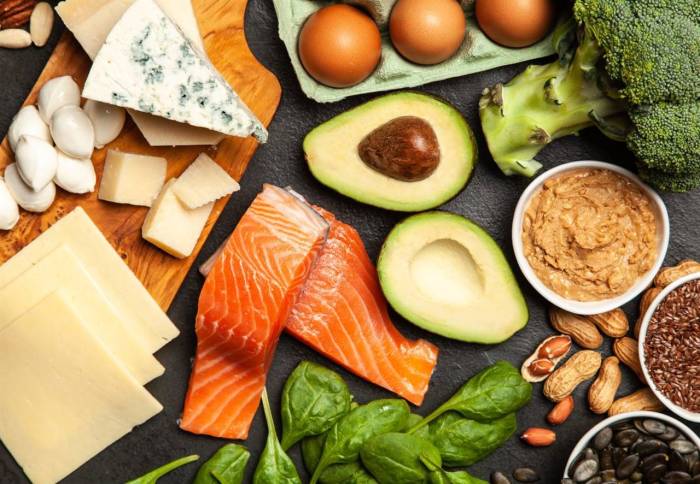
- Healthy Fats: The cornerstone of the Keto diet, including sources like avocados, olive oil, coconut oil, and fatty fish.
- Protein: Lean proteins are necessary, including meats, eggs, and dairy, consumed in moderation to support muscle maintenance without exceeding carb limits.
- Low-Carbohydrate Vegetables: Non-starchy vegetables like spinach, kale, and broccoli are encouraged, while starchy vegetables like potatoes and corn are to be avoided.
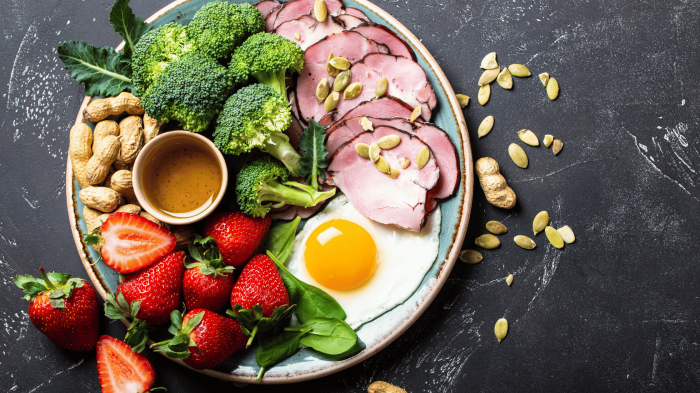
- Limited Fruits: Most fruits contain high sugar; however, berries can be included in moderation due to their lower carbohydrate content.
- Hydration and Electrolytes: Maintaining hydration levels and balancing electrolytes, such as sodium, potassium, and magnesium, is crucial, especially during the initial stages of the diet.
The balance of these components helps facilitate the body’s entry into and maintenance of ketosis, ultimately leading to more effective weight loss and health improvements. Adhering to these guidelines can make the Keto diet a sustainable lifestyle choice rather than just a temporary dietary change.
“The shift from glucose to ketones as an energy source can promote fat loss and improve metabolic health.”
Benefits of Keto Meal Plans
Source: clara.es
The ketogenic diet, often referred to as keto, has gained significant popularity due to its unique approach to nutrition and weight management. The benefits of adhering to a keto meal plan extend beyond mere weight loss; they include a range of health improvements and lifestyle enhancements that many individuals have experienced firsthand.Research has shown that a keto diet can lead to notable health benefits, particularly for those looking to improve their metabolic health.
By drastically reducing carbohydrate intake and increasing fat consumption, the body enters a metabolic state known as ketosis, where it becomes remarkably efficient at burning fat for energy. This process not only aids in weight loss but can also improve overall health markers.
Health Benefits Associated with Keto Diet
Following a well-structured keto meal plan can yield various health advantages, including:
- Weight Loss: Numerous studies have demonstrated that individuals on a keto diet often experience faster weight loss compared to those on low-fat diets. This is largely due to the body’s shift into fat-burning mode, leading to a decrease in body fat percentage.
- Improved Blood Sugar Control: The keto diet may help stabilize blood sugar levels, making it particularly beneficial for individuals with type 2 diabetes.
- Enhanced Mental Focus: Many people report improved concentration and mental clarity when in ketosis, which is attributed to the brain utilizing ketones as a source of energy.
- Increased Energy Levels: Unlike the energy spikes and crashes associated with high-carb diets, the keto diet provides a steady source of energy throughout the day.
- Reduced Hunger and Cravings: The high-fat content of the keto diet can enhance satiety, leading to fewer cravings and a natural reduction in calorie intake.
Success Stories from Keto Meal Plans
Many individuals have shared inspiring testimonials about their experiences with keto meal plans. For instance, a 35-year-old woman named Sarah lost over 40 pounds in just six months by adhering to a structured keto diet. She noted that not only did she shed weight, but she also experienced increased energy levels and improved focus at work. Similarly, James, a 50-year-old man, reported significant improvements in his blood sugar levels and a reduction in medication needed for diabetes after following a keto meal plan for a year.
“The keto diet transformed my life. I never thought I could feel this energized and focused.” – Sarah, 35
Keto Meal Plans and Weight Loss
The connection between keto meal plans and weight loss is supported by both anecdotal evidence and scientific research. A keto meal plan helps individuals reduce their calorie intake without feeling deprived, as the high-fat content keeps hunger at bay. Furthermore, the body’s transition to ketosis allows for rapid fat loss, making it a popular choice among those seeking effective weight management strategies.Many success stories highlight the efficiency of keto meal plans in achieving weight loss goals.
For example, a popular study published in the Journal of Nutrition found that participants on a ketogenic diet lost significantly more weight than those on a low-fat diet, primarily due to appetite suppression and increased fat oxidation.Overall, the benefits of keto meal plans are not limited to just weight loss. They encompass a wide range of health improvements that can lead to a better quality of life, enhanced energy levels, and a positive relationship with food.
Key Ingredients for Keto Meal Plans
When embarking on a keto diet, selecting the right ingredients is crucial for maintaining ketosis and achieving your health goals. Focused around high-fat, moderate-protein, and low-carb components, the keto meal plans rely on specific foods that optimize energy levels while minimizing carbohydrate intake. Understanding these key ingredients will help you create delicious and nutritious meals that align with keto principles.The foundation of keto meals consists primarily of healthy fats, quality proteins, and a variety of low-carb vegetables.
Each of these components plays an essential role in both the nutritional value and the flavor profile of your meals. Healthy fats are the cornerstone of the keto diet, providing energy and satiety, while proteins help in muscle maintenance and repair. Low-carb vegetables add essential vitamins and minerals without compromising your carb limits.
Essential Keto Ingredients and Their Benefits
Incorporating the right ingredients into your keto meal plans can enhance not only flavor but also your overall health. Below are some essential ingredients that are commonly used in keto diets, along with their benefits:
- Avocado: Rich in monounsaturated fats and fiber, avocados support heart health and provide a creamy texture to dishes.
- Coconut Oil: A fantastic source of medium-chain triglycerides (MCTs), coconut oil can boost energy and promote fat loss.
- Eggs: Packed with protein and essential nutrients, eggs are versatile and can be cooked in numerous ways.
- Fatty Fish: Salmon, mackerel, and sardines are high in omega-3 fatty acids, beneficial for brain health and reducing inflammation.
- Non-Starchy Vegetables: Spinach, kale, and broccoli are low in carbs but high in vitamins, minerals, and antioxidants, making them excellent additions to any meal.
- Nuts and Seeds: Almonds, walnuts, and chia seeds provide healthy fats, fiber, and protein, serving as great snacks or toppings.
Fats, proteins, and low-carb vegetables work synergistically to create balanced keto meals. Healthy fats, comprising roughly 70-75% of your daily caloric intake, keep your body fueled and satisfied. Proteins should make up about 20-25%, assisting in muscle preservation and overall health. Low-carb vegetables are your go-to for essential nutrients without exceeding your carbohydrate limits.
Foods to Avoid on a Keto Diet
To successfully maintain a ketogenic state, it’s crucial to avoid certain foods that can hinder your progress. These items are generally high in carbohydrates and can spike insulin levels, preventing your body from entering or remaining in ketosis.
- Grains: Bread, pasta, rice, and cereals contain high levels of carbohydrates that should be avoided.
- High-Sugar Foods: Sugary snacks, desserts, and beverages can quickly throw you out of ketosis due to their high sugar content.
- Starchy Vegetables: Potatoes, corn, and peas are all high in carbohydrates and are best kept off your plate.
- Legumes: Beans, lentils, and chickpeas, while healthy, are too high in carbohydrates for a strict keto diet.
- Low-Fat and Diet Products: These often contain added sugars to enhance flavor, making them unsuitable for keto.
Avoiding these foods will help you maintain a state of ketosis and promote the benefits associated with the keto lifestyle. The right ingredients pave the way for satisfying meals that keep you on track with your diet goals.
Sample Weekly Keto Meal Plan
Source: toiimg.com
Embarking on a Keto diet can be exciting, especially with a structured meal plan that keeps you motivated and on track. A well-designed meal plan not only simplifies your grocery shopping but also ensures you enjoy a variety of meals while sticking to your dietary goals. Here’s a detailed weekly meal plan that includes breakfast, lunch, and dinner, along with snack and dessert options to satisfy your cravings.This meal plan emphasizes low-carb, high-fat, and moderate protein meals, ensuring you stay within the desired macronutrient ratios.
The variety in meals also keeps the diet interesting and enjoyable, helping you maintain your Keto lifestyle effectively.
Weekly Meal Plan Overview
The following table Artikels a complete weekly meal plan tailored for a Keto diet, including breakfast, lunch, dinner, snacks, and dessert options. Each meal is designed to be delicious while adhering to the principles of the Keto diet.
| Day | Breakfast | Lunch | Dinner | Snacks | Dessert |
|---|---|---|---|---|---|
| Monday | Scrambled eggs with spinach and feta | Chicken Caesar salad (no croutons) | Grilled salmon with asparagus | Celery with almond butter | Keto chocolate mug cake |
| Tuesday | Avocado and bacon omelet | Zucchini noodles with pesto and shrimp | Beef stir-fry with broccoli | Hard-boiled eggs | Chia seed pudding |
| Wednesday | Greek yogurt with nuts and seeds | Tuna salad lettuce wraps | Pork chops with sautéed green beans | Olives | Keto cheesecake bites |
| Thursday | Smoothie with spinach and coconut milk | Egg salad on cucumber slices | Stuffed bell peppers with ground turkey | Cheese slices | Keto brownies |
| Friday | Egg muffins with cheese and peppers | Cauliflower rice with chicken | Baked cod with a side of spinach | Pork rinds with guacamole | Berry whipped cream |
| Saturday | Chia seed breakfast pudding | Salami and cheese platter | Grilled chicken thighs with zucchini | Mixed nuts | Keto ice cream |
| Sunday | Keto pancakes with butter | Grilled veggies and feta salad | Shrimp tacos with lettuce wraps | Radishes with cream cheese | Chocolate avocado mousse |
Incorporating a variety of meals helps prevent monotony and encourages adherence to the Keto lifestyle. Each meal option is carefully crafted to provide essential nutrients while keeping carbohydrates low. Enjoying flavorful snacks and desserts also aids in maintaining motivation throughout your dietary journey.
Grocery Shopping for Keto
Shopping for keto-friendly ingredients can be a rewarding adventure when you know what to look for. The ketogenic diet emphasizes low-carb, high-fat foods, which means your grocery list will differ from traditional meal planning. Navigating the grocery store effectively will not only help you stick to your diet but can also make your shopping trips more enjoyable and cost-effective.To maintain a keto diet without breaking the bank, it’s essential to develop smart shopping strategies.
Being mindful of your budget while selecting high-quality ingredients can make a significant difference. Look for sales, buy in bulk, and choose seasonal produce to minimize costs while ensuring you have all the necessary items for your meals.
Keto-Friendly Shopping Tips
When planning your grocery shopping, consider the following tips to ensure you are selecting the best keto-friendly ingredients:
- Focus on Whole Foods: Prioritize fresh vegetables, high-quality meats, and healthy fats. These are staples in a keto diet and are often more nutrient-dense.
- Read Labels: Always check the nutrition labels for hidden sugars and carbs. Aim for products with minimal ingredients.
- Shop the Perimeter: Most grocery stores have fresh produce, meats, and dairy around the outer edges. Keep to these areas to avoid processed foods in the aisles.
- Buy in Bulk: Purchasing items like nuts, seeds, and oils in bulk can save money in the long run. Just be sure to store them properly to maintain freshness.
- Keep It Simple: Don’t overcomplicate your meals. Fewer ingredients can lead to more straightforward shopping and cooking processes.
Budgeting Strategies for Keto
Maintaining a ketogenic diet on a budget is achievable with thoughtful planning. Here are some strategies to help you save money while enjoying a variety of keto-friendly foods:
- Plan Meals Ahead: Create a weekly meal plan that incorporates sales and seasonal products. This helps avoid impulse buys and reduces food waste.
- Use Coupons and Discounts: Look for coupons in newspapers or online. Many grocery stores have loyalty programs that offer discounts on popular items.
- Choose Local and Seasonal Products: Buying fruits and vegetables that are in season can reduce costs significantly. Farmers’ markets often have competitive pricing.
- Limit Specialty Products: While it may be tempting to buy keto snacks and specialty items, they can be pricey. Focus on whole foods instead.
- Invest in Quality Proteins: While higher-quality meats can be more expensive, they are often more satisfying and can reduce the need for larger quantities.
Keto Grocery Shopping List Template
Having a structured grocery list can streamline your shopping experience. Here’s a simple template to help you gather all the necessary items for your keto diet:
| Category | Item Suggestions |
|---|---|
| Vegetables | Spinach, Kale, Broccoli, Cauliflower, Zucchini |
| Proteins | Chicken, Beef, Pork, Fish, Eggs |
| Dairy | Cheese, Butter, Heavy Cream, Greek Yogurt |
| Healthy Fats | Olive Oil, Coconut Oil, Avocados, Nuts |
| Snacks | Pork Rinds, Cheese Crisps, Nut Butters |
This template serves as a guide to ensure you don’t forget essential ingredients while shopping. Adjust it as needed based on your personal preferences and recipes.
Meal Prep Strategies for Keto
Meal prep is a crucial component for anyone following the Keto diet. Not only does it save time during the week, but it also helps to maintain dietary discipline by ensuring that healthy, low-carb options are readily available. By planning and preparing meals in advance, you can better adhere to your Keto goals while enjoying delicious food.Effective meal prep techniques for maintaining a Keto diet involve understanding which meals and ingredients work best in a high-fat, low-carb lifestyle.
With the right strategies, you can streamline your cooking process and keep your meals fresh and flavorful throughout the week.
Batch Cooking Keto Meals
Batch cooking is an efficient way to prepare multiple meals at once, allowing for quick access to Keto-friendly options during your busy week. Here’s a step-by-step guide to successfully batch cooking your Keto meals:
1. Select Recipes
Choose a variety of recipes that share similar ingredients to minimize waste and maximize efficiency. Focus on meals that can be easily reheated, such as casseroles, soups, and stews.
2. Make a Shopping List
Based on your chosen recipes, create a detailed shopping list highlighting all necessary ingredients. This ensures you have everything on hand when it’s time to cook.
3. Set Aside Time for Cooking
Dedicate a specific day or time block for meal prep, ideally when you have a few uninterrupted hours. Weekends are often ideal for this purpose.
4. Prep Ingredients
Start by washing, chopping, and portioning out your vegetables and proteins. Consider marinating meats in advance to enhance flavor.
5. Cook in Batches
Begin cooking your meals simultaneously. Utilize multiple pots, pans, and baking trays to maximize your cooking capacity. For instance, while one dish is baking in the oven, you can be sautéing vegetables or simmering a sauce on the stove.
6. Cool and Portion
Once cooked, allow the meals to cool before portioning them into individual containers. This step helps maintain food safety and ensures longevity.
Storage Tips for Freshness and Longevity
Proper storage is essential to maintaining ingredient freshness and extending the life of your meals. Below are some effective storage tips for your prepped Keto meals:
Use Airtight Containers
Choose high-quality, airtight containers to minimize air exposure, which can lead to spoilage. Glass containers are often preferred as they do not retain odors and are microwave-safe.
Label and Date Containers
To keep track of freshness, label each container with the meal name and date it was prepared. This practice encourages timely consumption and reduces food waste.
Store in the Right Environment
Keep your meal prep containers in the fridge if you plan to eat them within a week. For longer storage, consider freezing meals. Most Keto meals freeze well, particularly soups, stews, and cooked meats.
Utilize Freezer Bags
For individual portions or ingredients like chopped veggies and marinades, freezer bags are an excellent space-saving option. Be sure to press out excess air before sealing to prevent freezer burn.
Thaw Safely
When ready to eat frozen meals, thaw them in the fridge overnight before reheating. This ensures even cooking and maintains the integrity of the food.By implementing these meal prep strategies, you can effectively manage your Keto diet, ensuring that you always have delicious and nutritious meals ready to go.
Common Mistakes to Avoid on Keto
Starting a Keto diet can be an exciting yet challenging journey. Many individuals find themselves stumbling over common pitfalls that can derail their progress. Understanding these mistakes and knowing how to navigate around them can make a significant difference in your Keto experience and results.One of the most frequent challenges people face is meal planning. It can be easy to fall into the trap of not preparing adequately, leading to unplanned meals that may not align with Keto guidelines.
Additionally, tracking macronutrient intake can seem daunting for newcomers. However, with the right strategies, these challenges can be effectively managed.
Common Pitfalls in Keto Dieting, Keto diet meal plans
Identifying the common mistakes that people encounter can empower you to take control of your Keto journey. These errors often stem from a lack of understanding of the diet’s principles or inadequate meal preparation. Here are some common pitfalls:
- Not Tracking Macronutrients: Many individuals underestimate the importance of tracking their macronutrient intake. Failure to do so can lead to exceeding carb limits or insufficient fat intake.
- Inadequate Meal Preparation: Skipping meal prep can result in reaching for non-Keto-friendly options when hunger strikes.
- Neglecting Hydration and Electrolytes: A common oversight is not drinking enough water or replenishing electrolytes, which is vital when transitioning to Keto.
- Overindulging in Keto Snacks: Some people mistakenly believe that all Keto-friendly snacks can be consumed freely, leading to potential weight gain.
- Ignoring Hidden Carbs: Many packaged products contain hidden sugars and carbs, which can disrupt ketosis.
Strategies for Effective Meal Planning
Overcoming the challenges associated with meal planning can set you up for success on your Keto diet. By implementing the following strategies, you can ensure that your meals are both enjoyable and compliant with Keto guidelines:
- Plan Ahead: Dedicate time each week to plan your meals, ensuring you have a balanced intake of protein, fats, and low-carb vegetables.
- Create a Recipe Bank: Compile a list of favorite Keto recipes to streamline your cooking process, making it easy to whip up meals without stress.
- Batch Cooking: Prepare large portions of meals that can be stored in the fridge or freezer for quick access during busy days.
- Utilize a Meal Prep App: Consider using a meal prep app to keep track of your meal plans and grocery lists, simplifying the process.
Monitoring Macronutrient Intake Effectively
To achieve and maintain ketosis, it’s crucial to monitor your macronutrient intake diligently. Here are some effective tips for tracking your macronutrients:
- Use a Food Diary: Keeping a food diary helps you visually track your daily intake, making it easier to adjust as needed.
- Download a Macro Tracking App: Utilize apps specifically designed for tracking macronutrients. These apps often include extensive databases to simplify the process.
- Familiarize Yourself with Macronutrient Ratios: Understanding the ideal ratios for Keto (typically around 70% fats, 25% protein, and 5% carbs) can guide your food choices.
- Educate Yourself on Portion Sizes: Learning about proper portion sizes of various foods can prevent accidental overconsumption of carbs.
“Success in the Keto diet hinges on knowledge, preparation, and vigilance in tracking your macronutrient intake.”
Keto Meal Plan for Different Lifestyles: Keto Diet Meal Plans
Source: ketology.net
The ketogenic diet is versatile and can be tailored to suit various lifestyles and dietary preferences. Whether you’re a vegetarian, gluten-free, or someone who enjoys dining out, there are strategies to maintain a keto-friendly approach without feeling deprived. This section highlights how to customize your meal plans based on your individual needs and preferences.
Adapting Keto for Dietary Preferences
A successful keto meal plan need not compromise on dietary preferences. Various adaptations can be made to cater to different lifestyles, ensuring that everyone can enjoy the benefits of keto. Below are effective guidelines for modifying meal plans:
- Vegetarian Keto: Focus on high-fat plant-based foods. Incorporate avocados, nuts, seeds, and oils like olive or coconut. Use low-carb vegetables such as spinach, zucchini, and cauliflower in your meals.
- Gluten-Free Keto: Most keto foods are naturally gluten-free. Choose meats, fish, eggs, dairy, and non-starchy vegetables. Ensure that any processed foods are labeled gluten-free to avoid hidden carbs.
- Keto for Athletes: Include higher protein options and adjust carb intake around workouts. Consider foods like protein shakes made with almond milk, Greek yogurt, or cottage cheese paired with nuts.
Maintaining Keto While Dining Out
Eating out can pose challenges for those on a keto diet, but with a little preparation, it can be done seamlessly. Here are some guidelines to help you stay on track:
- Review the menu in advance and look for low-carb options such as grilled meats, salads, or vegetable sides.
- Don’t hesitate to customize your order; ask for sauces on the side or substitute high-carb sides with extra vegetables.
- Be cautious with drinks; opt for water, unsweetened tea, or black coffee, avoiding sugary cocktails and soda.
Customizing Meal Plans Based on Individual Goals
Creating a personalized keto meal plan is essential for aligning with individual health objectives. Here’s a template to help you get started:
| Goal | Meal Plan Focus | Sample Foods |
|---|---|---|
| Weight Loss | Calorie Deficit | Grilled chicken, leafy greens, avocados, olive oil |
| Muscle Gain | Higher Protein | Steak, salmon, eggs, full-fat dairy |
| General Health | Balanced Nutrients | Eggs, nuts, low-carb vegetables, fatty fish |
Implementing these strategies ensures that you can enjoy the benefits of the keto diet while respecting your lifestyle choices and dietary needs. Each meal plan can be individually tailored to provide nourishment and satisfaction, making keto a sustainable way of eating for everyone.
End of Discussion
In summary, Keto diet meal plans present a unique opportunity to transform your eating habits and lifestyle. By focusing on the right ingredients and meal prep strategies, anyone can reap the rewards of this diet. Whether you’re seeking weight loss, increased energy, or improved health, following a well-structured Keto meal plan can guide you toward achieving your goals. Embrace this journey and enjoy the delicious meals that await!
Helpful Answers
What should I eat on a Keto diet?
Focus on high-fat foods like avocados, nuts, seeds, and healthy oils, along with moderate protein sources such as meat, fish, and eggs, while avoiding sugars and starchy foods.
Can I eat fruits on a Keto diet?
Yes, but only low-carb options like berries in moderation, as most fruits contain higher sugar content that can affect ketosis.
How long does it take to enter ketosis?
Typically, it takes about 2-7 days of following a strict low-carb diet to enter ketosis, depending on individual metabolic rates and activity levels.
Is meal prepping necessary for Keto?
While not mandatory, meal prepping can greatly simplify adhering to the diet by ensuring you have Keto-friendly meals readily available, making it easier to stay on track.
Can I drink alcohol on a Keto diet?
Certain low-carb alcoholic drinks like spirits and dry wines can be consumed in moderation, but it’s best to avoid sugary cocktails and beers.