Teeth whitening kits take center stage as the go-to solution for anyone looking to brighten their smile from the comfort of home. With various options available, these kits offer a convenient and effective alternative to professional treatments, making them a popular choice among many. Understanding their benefits, ingredients, and application processes can help you make informed decisions about which kit suits your needs best.
From strips to trays and gels to pens, teeth whitening kits come in various forms tailored to fit different lifestyles and preferences. Each type has its unique set of advantages and disadvantages, and navigating through these choices can be overwhelming. This guide aims to provide you with all the essential information to help you choose the right teeth whitening kit for your brightening journey.
Overview of Teeth Whitening Kits
Source: geeksforgeeks.org
Teeth whitening kits are a popular solution for those seeking a brighter smile. They are designed to reduce the discoloration of teeth caused by various factors such as diet, age, and lifestyle choices. Using these kits can lead to enhanced confidence and improved aesthetics, making them a go-to option for many individuals.The primary purpose of teeth whitening kits is to remove stains and lighten the color of teeth, typically using various bleaching agents.
The benefits of using these kits include convenience, affordability compared to professional treatments, and the ability to achieve results in the comfort of one’s home. However, with numerous options available on the market, it can be challenging to choose the right one.
Types of Teeth Whitening Kits
Several types of teeth whitening kits are available, each with its unique features and effectiveness. Understanding these options can help consumers make informed choices based on their individual needs.
- Whitening Strips: These thin, flexible strips are coated with a whitening gel containing peroxide. They are easy to use and typically worn for a specified period each day over a week or two.
- Whitening Gels: Often delivered via a tray, these products provide a higher concentration of whitening agents. They require a custom or generic tray to hold the gel against the teeth for optimal results.
- Whitening Pens: These portable options allow for precise application of the gel directly onto the teeth. They are ideal for on-the-go touch-ups and usually have a lower concentration of bleaching agents.
- LED Whitening Kits: These kits incorporate light technology to enhance the whitening process. The LED light activates the gel’s ingredients to potentially expedite results, often with a user-friendly design.
Common Ingredients in Teeth Whitening Kits
Teeth whitening kits often contain a variety of active ingredients that serve different purposes in the whitening process. Familiarizing oneself with these components is essential for choosing an effective product.
- Hydrogen Peroxide: A common bleaching agent, hydrogen peroxide penetrates the enamel to whiten teeth. It typically ranges from 3% to 20% concentration in over-the-counter products.
- Carbamide Peroxide: This compound breaks down into hydrogen peroxide and is often found in higher concentrations. It is effective for longer treatments and is commonly used in professional settings.
- Fluoride: While primarily known for preventing cavities, fluoride can help protect teeth during the whitening process, reducing sensitivity.
- Whitening Agents: Additional ingredients may include sodium bicarbonate or silica, which can help with surface stain removal without damaging enamel.
“The efficacy of teeth whitening kits often depends on the concentrations of the active ingredients and the method of application.”
Types of Teeth Whitening Kits
Teeth whitening kits come in various forms, each designed to meet different preferences and needs. Understanding these options can help you choose the right one for your dental goals. This section will cover the primary types of teeth whitening kits available on the market, along with their pros and cons, helping you make an informed decision.
Teeth Whitening Strips
Teeth whitening strips are thin, flexible plastic strips coated with a peroxide-based whitening gel. They are easy to use and typically require daily application for a specified duration.
- Pros:
- Convenient and easy to apply.
- Discreet and often less messy than other methods.
- Can effectively reduce stains from food and beverages.
- Cons:
- Results may vary depending on the individual.
- Limited coverage may leave some areas untreated.
- Can cause tooth sensitivity in some users.
Many users appreciate the effectiveness of whitening strips, noting visible results after a few applications. For instance, one user reported, “After just a week, my teeth were several shades lighter, and I felt more confident in my smile.”
Teeth Whitening Trays
Teeth whitening trays usually come in two forms: custom-fitted trays from a dentist or over-the-counter versions. Both types are filled with a whitening gel and worn for a given period.
- Pros:
- Custom trays offer better fit and coverage, leading to more effective results.
- Can be reused multiple times, making them cost-effective.
- Suitable for users with significant staining.
- Cons:
- Custom trays can be expensive and require a dental visit.
- Over-the-counter options may not fit as well and can lead to uneven whitening.
- Some users experience discomfort when wearing trays for extended periods.
User testimonials often highlight the superior results from custom trays. One individual shared, “The custom tray was a game-changer for me. The fit was perfect, and I achieved noticeable whitening faster than I expected!”
Teeth Whitening Gels
Teeth whitening gels are usually applied with a brush or included applicator. These gels can be used on their own or in conjunction with trays.
- Pros:
- Targeted application can help with specific areas of discoloration.
- Fast-acting formulas provide quick results.
- Some gels are designed for sensitive teeth, minimizing discomfort.
- Cons:
- Application can be tricky without a proper applicator.
- Results can vary based on the user’s technique.
- May require multiple applications for desired results.
Users have reported that gels can deliver impressive results, especially when used consistently. One user mentioned, “I love how easy it is to apply. The gel worked wonders on my stubborn stains!”
Teeth Whitening Pens
Teeth whitening pens are portable and contain a whitening gel that can be directly applied to the teeth. They are ideal for on-the-go touch-ups.
- Pros:
- Highly portable and convenient for travel.
- Easy to apply without mess.
- Allows for precision whitening in targeted areas.
- Cons:
- Generally less effective for extensive whitening needs.
- May require frequent application for noticeable results.
- Gels can dry quickly, limiting application time.
Many users find whitening pens to be a handy solution. A satisfied customer noted, “I keep one in my bag for quick touch-ups before meetings. It’s an instant confidence booster!”
Application Procedures: Teeth Whitening Kits
Source: squarespace-cdn.com
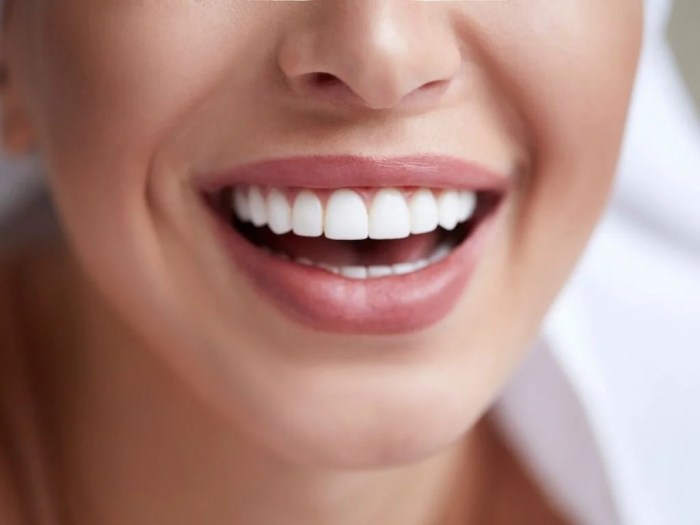
Using teeth whitening kits can significantly enhance the brightness of your smile, but it’s crucial to follow the correct application procedures for the best results. Different types of whitening kits come with specific guidelines to ensure safety and efficacy. Below, I’ll Artikel step-by-step processes for using teeth whitening strips and tray-based whitening kits, as well as important precautions to consider before and after treatment.
Application of Teeth Whitening Strips
Teeth whitening strips are a popular choice due to their convenience and ease of use. Here’s how to apply them effectively:
1. Preparation
Begin by brushing your teeth to remove plaque and ensure the strips adhere well to the surface of your teeth.
2. Open the package
Carefully remove the strips from the packaging. Each kit typically includes one strip for the upper teeth and one for the lower teeth.
3. Placement
Apply the adhesive side of the strip to your teeth, making sure it covers the entire surface you wish to whiten. Press it gently to secure it in place.
4. Timing
Follow the instructions regarding how long to wear the strips. This usually ranges from 30 minutes to an hour.
5. Removal
After the designated time, carefully peel the strips away from your teeth. Discard them properly.
6. Rinse
It’s recommended to rinse your mouth with water afterward to remove any residue from the strips.This straightforward process can help you achieve noticeable whitening results. Regular use, as per your kit’s instructions, often leads to a brighter smile within a few weeks.
Guide to Tray-Based Whitening Kits
Tray-based whitening kits offer a customizable option for teeth whitening. Here’s how to use them correctly:
1. Preparation
Brush and floss your teeth thoroughly to remove any debris.
2. Mold the trays
If your kit includes customizable trays, follow the instructions to mold them to your teeth. This often involves heating the trays in hot water and then biting into them to create an impression.
3. Apply the whitening gel
Squeeze a small amount of whitening gel into each tray. Avoid overfilling to prevent excess gel from leaking onto your gums.
4. Insert the trays
Place the trays over your teeth, ensuring they fit snugly. Press gently to adhere the gel to your teeth.
5. Timing
Leave the trays in place for the recommended time, which can differ based on the product—ranging from 15 minutes to overnight.
6. Removal and cleanup
After the time has elapsed, remove the trays and rinse your mouth thoroughly. Clean the trays according to the kit’s instructions to maintain their hygiene.This detailed approach maximizes the benefit of tray-based whitening kits, often resulting in a more uniform whitening effect across all teeth.
Precautions Before and After Whitening
Taking precautions before and after using whitening products ensures a safe experience and optimal results. Here are key considerations:
Consultation
Before starting any whitening regimen, it’s advisable to consult with a dentist, especially if you have existing dental issues or sensitive teeth.
Gum protection
Consider using a protective gel on your gums to minimize irritation, particularly with tray-based kits.
Follow instructions
Adhere strictly to the product instructions regarding application time and frequency to avoid overuse, which can lead to tooth sensitivity.
Post-treatment care
After treatment, avoid foods and drinks that can stain your teeth—such as coffee, red wine, and berries—for at least 24 hours.
Oral hygiene
Maintain good oral hygiene practices, including regular brushing and flossing, to prolong the effects of whitening.By following these procedures and precautions, you can enhance your teeth whitening experience, leading to a dazzling smile while minimizing potential side effects.
Safety and Side Effects
Source: rodeodental.com
Teeth whitening kits have gained immense popularity for their potential to enhance smiles, but they come with their own set of safety considerations and potential side effects. Understanding these factors is crucial for anyone considering the use of such products. This section aims to provide clarity on common side effects, who should avoid using these kits, and best practices for safe application.
Potential Side Effects of Teeth Whitening Kits
While teeth whitening kits can effectively lighten tooth color, they may also lead to certain unwanted effects. Common side effects include:
- Tooth Sensitivity: Many users experience heightened sensitivity during the whitening process, particularly to hot or cold stimuli. This sensitivity is typically temporary but can be uncomfortable.
- Gum Irritation: Whitening agents can cause irritation or burning sensations in the gums, especially if the product comes into contact with soft tissue.
- Uneven Whitening: Some individuals may notice uneven results, where certain areas of the teeth are lighter than others, often due to improper application.
- Enamel Damage: Overuse of whitening products may lead to enamel erosion or damage, compromising tooth structure and increasing sensitivity.
Understanding these side effects is essential for users to make informed choices about their oral health.
Who Should Avoid Using Teeth Whitening Products
Certain individuals should refrain from using teeth whitening kits to prevent adverse reactions. Those who should avoid these products include:
- Individuals with existing dental conditions, such as cavities or gum disease, as whitening may exacerbate these issues.
- People with extreme tooth sensitivity or allergic reactions to whitening agents should consult their dentist before use.
- Pregnant or nursing women are advised to avoid teeth whitening products, as safety during these stages has not been thoroughly studied.
- Those under the age of 16 should avoid whitening products, as their teeth and gums are still developing.
It’s vital for these groups to seek alternative methods for improving their smile, preferably under professional guidance.
Recommendations for Safe Usage of Whitening Kits
To maximize the benefits of teeth whitening while minimizing potential risks, users should adhere to the following best practices:
- Follow Instructions: It’s crucial to read and follow the manufacturer’s guidelines carefully to avoid misuse and potential damage to teeth.
- Conduct a Patch Test: Before full application, perform a patch test on a small area to check for any adverse reactions.
- Limit Frequency: Avoid excessive use of whitening kits. Space out treatments as recommended to protect tooth enamel.
- Consult a Dentist: Always consider seeking professional advice before starting any whitening regimen, especially for those with pre-existing dental issues.
These recommendations can help ensure a safer whitening experience, contributing to a brighter smile without compromising oral health.
Effectiveness of Teeth Whitening Kits
Teeth whitening kits have gained immense popularity, with countless options available for consumers seeking a brighter smile. Understanding the effectiveness of these kits can help users make informed decisions and set realistic expectations regarding their results. This section delves into various studies and statistics that evaluate the efficacy of different whitening kits, comparing at-home options with professional treatments and providing tips to enhance results.
Effectiveness Supported by Studies
Numerous studies have investigated the effectiveness of teeth whitening kits, revealing significant disparities in results based on the type of product used. Research published in theJournal of the American Dental Association* indicates that professional whitening treatments can lighten teeth by an average of eight shades, while at-home kits may range from two to six shades of improvement. This variation often comes down to the concentration of active ingredients, such as hydrogen peroxide or carbamide peroxide, which are commonly found in whitening products.A study conducted by theAmerican Academy of Cosmetic Dentistry* revealed that 85% of participants reported satisfaction with the outcomes from professional whitening.
In contrast, at-home kits yielded a satisfaction rate of approximately 60%. These statistics highlight the effectiveness of professional treatments for achieving dramatic results, while at-home kits can still provide noticeable improvements when used correctly.
Comparison of At-Home Kits and Professional Treatments
When comparing at-home whitening kits with professional treatments, several factors come into play, including cost, convenience, and results. Professional treatments typically involve a dentist’s supervision, which ensures safety and optimal results, but they can also be significantly more expensive than at-home alternatives. Here’s a breakdown of the two options:
- At-Home Kits:
- Generally more affordable, with prices ranging from $20 to $200.
- Convenient for use at home, allowing flexibility in timing.
- Results may vary significantly based on individual usage and product selection.
- Professional Treatments:
- Cost typically ranges from $300 to $1,000.
- Immediate and dramatic results usually achieved in one or two sessions.
- Supervised by dental professionals, ensuring safety and efficacy.
Maximizing Results from At-Home Whitening Kits
To achieve the best possible results from at-home whitening kits, users can follow several tips that enhance the effectiveness of their whitening routines. Implementing these strategies can lead to a more satisfying experience and optimal outcomes.Firstly, maintaining good oral hygiene is crucial. Regular brushing and flossing can help remove surface stains and allow whitening agents to work more effectively. Secondly, following the manufacturer’s instructions meticulously is essential for safety and results.
Overuse or incorrect application can lead to undesired effects, such as tooth sensitivity or uneven whitening.In addition, avoiding foods and beverages that stain teeth, such as coffee, tea, and red wine, during the whitening process can preserve results. Lastly, considering the use of desensitizing toothpaste may help alleviate any discomfort associated with sensitivity during treatment.
“Proper care and maintenance during teeth whitening can significantly affect the longevity of results.”
Cost Analysis
Teeth whitening kits can vary significantly in price, making it essential to understand the cost landscape before making a purchase. This cost analysis will provide insight into popular products, the factors influencing their prices, and budgeting tips for individuals considering teeth whitening options.
Price Comparison of Popular Teeth Whitening Kits
When looking at teeth whitening kits, consumers often seek effective products that fit their budget. Below is a table comparing the prices of popular teeth whitening kits on the market today:
| Brand | Product Name | Price (USD) |
|---|---|---|
| Whitestrips | Whitestrips Professional Effects | $44.99 |
| Crest | Crest 3D White Luxe | $39.99 |
| Snow | Wireless Teeth Whitening Kit | $149.00 |
| Colgate | Colgate Optic White | $29.99 |
| AuraGlow | AuraGlow Teeth Whitening Kit | $49.99 |
Understanding the prices of these kits helps consumers make informed choices based on their budget and whitening needs.
Factors Influencing the Cost of Teeth Whitening Kits
Several factors play a crucial role in determining the price of teeth whitening kits. These factors include:
- Brand Reputation: Established brands often charge more due to their popularity and trustworthiness in the market.
- Ingredients Used: Kits containing professional-grade whitening agents like hydrogen peroxide tend to be more expensive.
- Type of Kit: LED kits and professional treatments are generally pricier than basic strips or gels.
- Additional Features: Kits offering extras such as mouth trays, desensitizing gels, or aftercare products may have higher prices.
- Promotions and Discounts: Seasonal sales or bulk purchase options can lower the overall cost.
Considering these factors can help consumers understand why certain kits are priced higher and whether they are worth the investment.
Budgeting Tips for Teeth Whitening Options
When considering teeth whitening, it’s essential to budget effectively. Here are some practical tips to help you manage costs:
- Set a Budget: Determine how much you are willing to spend on teeth whitening products and stick to it.
- Research Offers: Look for sales, discount codes, and promotions to save on your chosen kit.
- Consider DIY Options: Some effective at-home solutions can be less expensive than branded kits.
- Evaluate Long-Term Costs: Invest in kits that provide lasting results to save money on frequent purchases.
- Consult a Dentist: Professional recommendations can help you choose effective and cost-efficient options.
By following these budgeting tips, individuals can make informed choices that align with their financial situation, ensuring they achieve a brighter smile without breaking the bank.
Maintenance of Whitened Teeth
Keeping your teeth bright and white after a whitening procedure requires some diligence and care. While the results of teeth whitening can be impressive, they are not permanent. Maintaining that dazzling smile involves a few straightforward practices and lifestyle adjustments. To extend the longevity of your teeth whitening results, you need to adopt certain post-whitening care habits and be mindful of what you consume.
Here are some valuable tips to keep in mind for maintaining your newly whitened teeth.
Post-Whitening Care Tips
After undergoing teeth whitening, it’s crucial to follow some care tips to preserve your results. Here are a few strategies to maintain teeth brightness:
- Practice Good Oral Hygiene: Brush at least twice a day with a fluoride toothpaste and floss daily to reduce plaque build-up, which can dull the brightness.
- Use a Straw: When drinking beverages that may stain, such as coffee or red wine, using a straw can minimize contact with your teeth.
- Rinse with Water: After consuming staining foods or drinks, rinse your mouth with water to wash away residues that could lead to discoloration.
- Regular Dental Check-ups: Schedule regular visits to your dentist for cleanings and check-ups to help maintain the shine of your smile.
Foods and Habits Affecting Longevity, Teeth whitening kits
Certain foods and habits can significantly impact the duration of your teeth whitening results. Understanding these factors can help you make better choices for your dental health. Here are some common culprits to be aware of:
- Staining Beverages: Coffee, tea, red wine, and soda can lead to staining and should be consumed in moderation.
- Dark Foods: Foods like berries, soy sauce, and dark chocolate can leave stains, so consider rinsing your mouth after consuming them.
- Tobacco Products: Smoking or using tobacco can cause significant discoloration, so avoiding these products is advised.
- Acidic Foods: Citrus fruits and vinegar can wear down enamel, making teeth more susceptible to stains. Balance these with enamel-friendly foods.
Maintenance Schedule for Ongoing Whitening Treatments
To keep your teeth looking their best, establishing a maintenance schedule can be very effective. Regular touch-ups can help maintain the desired brightness without the need for extensive whitening procedures. A suggested maintenance schedule includes:
- Initial Touch-Up: Schedule a touch-up treatment every 6 months after the initial whitening session.
- At-Home Maintenance: Use at-home whitening kits or maintenance products once a month to keep stains at bay.
- Regular Cleanings: Visit your dentist for professional cleanings every 6 months to remove surface stains and plaque.
Staying consistent with your oral care routine and being mindful of your diet can significantly enhance the longevity of your teeth whitening results.
Alternatives to Teeth Whitening Kits
Exploring alternatives to teeth whitening kits provides options for individuals looking for a brighter smile without the use of commercial products. Natural remedies and professional dental services can serve as effective means of achieving and maintaining whiteness in teeth. Understanding these alternatives allows for informed choices when it comes to oral care and aesthetics.
Natural Remedies for Teeth Whitening
Natural remedies, such as baking soda and activated charcoal, are sought after for their mild abrasive properties that can help remove surface stains on teeth. Baking soda, a common household item, is effective due to its abrasive texture that gently polishes teeth. When mixed with water to form a paste, it can be applied with a toothbrush. The alkalinity of baking soda may also neutralize acids in the mouth, promoting better dental health.Activated charcoal is another popular option.
This black powder is known for its absorbent properties that allow it to bind to toxins and stains. When used as a paste or in a tooth powder, it can help lift stains, resulting in a whiter appearance. However, caution is advised to avoid overuse, as the abrasive nature may wear down enamel over time.
Benefits of Professional Dental Whitening Services
Professional dental whitening services provide a level of effectiveness and safety that at-home kits may not match. These services are conducted by trained dental professionals who can ensure the process is tailored to individual needs.One significant advantage is the use of stronger whitening agents that can achieve results in a shorter time frame compared to over-the-counter products. Dentists also offer customized mouth trays for better coverage and effectiveness.
Additionally, the professional environment allows for monitoring of any side effects, ensuring patient safety throughout the procedure. Many people report a more noticeable and longer-lasting whiteness when opting for professional services.
Role of Dental Hygiene in Maintaining White Teeth
Maintaining white teeth can often be achieved through diligent dental hygiene practices. Regular brushing, flossing, and routine dentist visits play a critical role in preventing stains and maintaining brightness.Brushing at least twice a day with fluoride toothpaste helps remove plaque and food particles that can lead to discoloration. Flossing daily ensures that buildup between teeth is efficiently cleaned, contributing to overall oral health.Incorporating mouthwash into daily routines can further enhance dental hygiene by reducing bacteria and preventing bad breath, which can also affect the appearance of teeth.
Regular professional cleanings can help remove any stubborn stains, reinforcing the importance of consistent dental care. Overall, while teeth whitening kits can be effective, exploring natural remedies, professional options, and diligent dental hygiene can provide a comprehensive approach to maintaining a bright and healthy smile.
Final Wrap-Up
In conclusion, teeth whitening kits offer a flexible and effective way to enhance your smile without stepping foot in a dentist’s office. By understanding the various options, application methods, and maintenance tips, you can achieve and maintain that dazzling brightness. Remember to weigh the pros and cons of each kit and prioritize safety to enjoy the best results.
FAQ Resource
Are teeth whitening kits safe to use?
Yes, most teeth whitening kits are safe when used as directed, but it’s essential to follow instructions and consult with a dentist if you have concerns.
How long does it take to see results from teeth whitening kits?
Results can vary, but many users notice a difference within a few days to a couple of weeks, depending on the type of kit and usage frequency.
Can I use teeth whitening kits if I have sensitive teeth?
Some kits are designed for sensitive teeth, but it’s advisable to consult with a dentist before starting any whitening treatment if you have sensitivity issues.
How often can I use teeth whitening kits?
Usage frequency depends on the specific product; always follow the manufacturer’s guidelines to avoid overuse and potential damage to your enamel.
Will teeth whitening kits work on crowns or veneers?
Teeth whitening kits typically do not affect crowns or veneers, so consult with your dentist for the best options if you have these dental restorations.