Turmeric for joint pain relief is more than just a trending topic; it’s a journey into the world of natural healing. With its rich history rooted in traditional medicine, turmeric has emerged as a popular herbal remedy, celebrated for its active compound, curcumin, which boasts powerful anti-inflammatory and antioxidant properties. As people increasingly seek alternatives to conventional treatments, understanding how turmeric can alleviate joint pain becomes essential for anyone affected by this common ailment.
In this exploration, we’ll delve into the intricacies of joint pain, the compelling mechanisms through which turmeric operates, and practical ways to incorporate this golden spice into our daily lives. From dosages to complementary practices, let’s uncover how turmeric can play a pivotal role in enhancing joint health and overall well-being.
Introduction to Turmeric
Turmeric, a vibrant yellow spice derived from the root of the Curcuma longa plant, has a rich history that dates back thousands of years. It is predominantly known in culinary contexts, particularly in Indian cuisine, where it is a staple ingredient in curries and other dishes. However, its medicinal properties have long been recognized, making it a cherished herbal remedy across various cultures.
The use of turmeric can be traced back to ancient Ayurvedic medicine in India, where it was employed for its anti-inflammatory and healing properties.The active compound in turmeric, curcumin, is the primary source of its health benefits. Curcumin is known for its potent antioxidant and anti-inflammatory effects, which contribute significantly to various health improvements. Scientific studies have shown that curcumin can influence multiple molecular pathways, making it a powerful ally in combating chronic diseases.
Its bioactive properties allow it to modulate inflammatory responses in the body, providing relief from conditions such as arthritis and joint pain, among others.
Significance of Turmeric in Traditional Medicine Practices, Turmeric for joint pain relief
Turmeric holds an esteemed position in traditional medicine systems around the globe, serving not only as a spice but as a therapeutic agent in various cultures. Its applications in herbal remedies can be observed in several traditional systems such as Ayurveda, Traditional Chinese Medicine (TCM), and even ancient Egyptian practices.In Ayurveda, turmeric is celebrated for its ability to balance the doshas, or bodily energies, and is often used to treat various ailments, including digestive disorders and skin conditions.
It is commonly incorporated into herbal formulations and pastes for topical applications, reflecting its versatility as both an internal and external remedy.Traditional Chinese Medicine utilizes turmeric to invigorate the blood, improve circulation, and alleviate pain. Its warming properties are believed to aid in the treatment of conditions associated with cold and stagnation within the body.The historical use of turmeric is also documented in ancient Egyptian medicine, where it was applied for its antiseptic properties and used in embalming practices, showcasing its significance well beyond culinary borders.
Turmeric continues to thrive in contemporary natural health practices, with many people turning to it for holistic health benefits, illustrating its enduring legacy as a powerful herbal remedy.
Turmeric’s rich history highlights its importance as both a culinary spice and a healing herb, bridging cultural practices and modern health approaches.
Understanding Joint Pain
Joint pain is a common ailment that can affect people of all ages, though it is particularly prevalent among older adults. It can manifest in various forms and may stem from different underlying conditions. Understanding the nuances of joint pain is crucial for managing its effects effectively. The common types of joint pain include osteoarthritis, rheumatoid arthritis, gout, and bursitis.
Osteoarthritis, often referred to as “wear and tear” arthritis, occurs when the cartilage that cushions the joints deteriorates. Rheumatoid arthritis is an autoimmune condition in which the immune system attacks the joints, leading to inflammation and pain. Gout is characterized by sudden, severe attacks of pain and swelling, often in the big toe, caused by the buildup of uric acid crystals.
Bursitis, on the other hand, involves inflammation of the bursae, the small sacs of fluid that cushion the joints.
Common Types and Causes of Joint Pain
The types of joint pain can be attributed to various causes that often relate to both lifestyle factors and genetic predispositions. Here are some key causes:
- Osteoarthritis: Age, obesity, previous joint injuries, and genetic factors contribute significantly to the development of osteoarthritis.
- Rheumatoid Arthritis: This condition can be influenced by genetic factors, hormonal changes, and environmental triggers, leading to systemic inflammation.
- Gout: High intake of purine-rich foods, excessive alcohol consumption, and certain medications can elevate uric acid levels, leading to gout attacks.
- Bursitis: Repetitive motions or prolonged pressure on the joints, along with certain medical conditions, are common causes.
The demographic most affected by joint pain includes older adults, particularly those over 50, as the risk of developing osteoarthritis and other age-related conditions increases. However, younger individuals can also experience joint pain due to sports injuries or genetic conditions such as juvenile idiopathic arthritis.
Impact of Joint Pain on Daily Life and Mobility
Joint pain can significantly affect a person’s quality of life. It can limit mobility, making it challenging to perform everyday activities such as walking, climbing stairs, or even holding objects. The psychological impact is also notable, as chronic pain can lead to feelings of frustration, anxiety, and depression.The societal implications of joint pain are substantial as well, leading to lost productivity and increased healthcare costs.
Individuals suffering from joint pain may experience reduced work capacity, leading to absenteeism or a lower quality of work. According to data from the Centers for Disease Control and Prevention (CDC), arthritis and joint pain contribute to a significant percentage of disability in the United States.
“Joint pain not only affects physical activity but also has profound emotional and psychological impacts on individuals.”
In summary, understanding joint pain is essential for effective management and improving the overall quality of life for those affected. With the right strategies, including lifestyle changes and potential treatments like turmeric for pain relief, individuals can navigate the challenges posed by joint pain more effectively.
Mechanism of Action of Turmeric
Turmeric, particularly its active compound curcumin, has garnered attention for its potential benefits in managing joint pain. Understanding how turmeric interacts with the body’s inflammation pathways and its antioxidant properties can provide insight into its effectiveness for joint health. Curcumin primarily acts by modulating various inflammatory pathways in the body. It inhibits the activity of enzymes such as cyclooxygenase (COX) and lipoxygenase (LOX), which are responsible for the production of inflammatory mediators like prostaglandins and leukotrienes.
By doing this, curcumin effectively reduces the inflammatory response associated with joint pain. Additionally, it downregulates the expression of inflammatory cytokines, including tumor necrosis factor-alpha (TNF-α) and interleukin-1 beta (IL-1β), further contributing to its anti-inflammatory effects.
Antioxidant Properties of Turmeric
The antioxidant capacity of turmeric plays a crucial role in promoting joint health. Antioxidants are compounds that neutralize free radicals, which can cause oxidative stress and lead to inflammation. By combatting oxidative stress, curcumin protects joint tissues from damage, thereby supporting overall joint function. The significance of turmeric’s antioxidant properties can be better understood through its ability to enhance the body’s own antioxidant defenses.
Curcumin boosts levels of critical antioxidant enzymes such as superoxide dismutase (SOD) and glutathione peroxidase, which work to eliminate free radicals. This dual action of both neutralizing free radicals and enhancing the body’s ability to fight oxidative damage is essential for maintaining joint health.
Studies Demonstrating Turmeric’s Effectiveness
Numerous studies have explored the effectiveness of turmeric in reducing joint pain, providing a scientific basis for its use in managing conditions like osteoarthritis and rheumatoid arthritis. These studies consistently highlight the benefits of curcumin supplementation. For example, a randomized controlled trial published in the journal
- Phytotherapy Research* found that participants taking curcumin experienced significant reductions in joint pain and improved physical function compared to those receiving a placebo. Another study published in
- The Journal of Alternative and Complementary Medicine* reported that curcumin was as effective as non-steroidal anti-inflammatory drugs (NSAIDs) in alleviating pain associated with osteoarthritis, without the side effects commonly associated with long-term NSAID use.
The cumulative evidence suggests that incorporating turmeric into one’s diet or through supplements can provide a natural alternative for managing joint pain, offering both anti-inflammatory and antioxidant benefits that support joint health over time.
Methods of Consumption: Turmeric For Joint Pain Relief
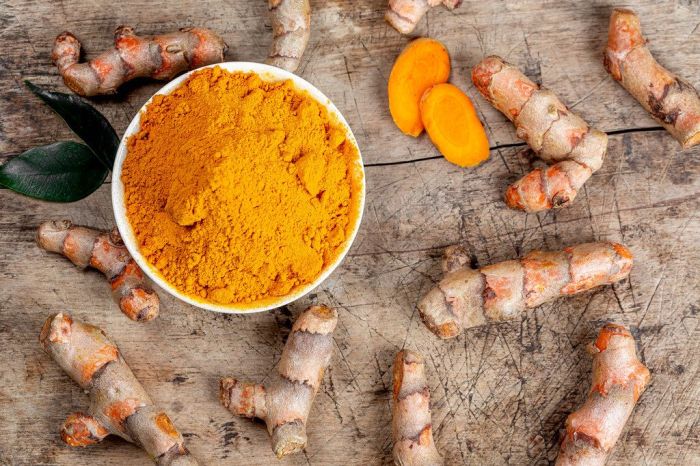
Source: wuestenigel.com
Incorporating turmeric into your daily meals can be an enjoyable and beneficial way to harness its anti-inflammatory properties for joint pain relief. This vibrant yellow spice not only adds flavor but also delivers numerous health benefits. Below are various methods to include turmeric in your diet, along with supplements and topical applications that enhance its effects.
Ways to Incorporate Turmeric into Daily Meals
Turmeric can be easily added to numerous dishes, making it versatile for everyday cooking. Here are some popular methods:
- Golden Milk: A warming beverage made with milk (or plant-based alternatives), turmeric, black pepper, and a sweetener like honey. This soothing drink is perfect for a nighttime routine.
- Turmeric Rice: Simply add turmeric powder to the cooking water for rice, transforming plain grains into a colorful and flavorful side dish.
- Smoothies: Blend turmeric into smoothies with fruits like bananas and mangoes, along with leafy greens for a health boost.
- Soups and Stews: Incorporate turmeric into your favorite soups or stews; it pairs particularly well with lentil and vegetable recipes.
- Salad Dressings: Whisk turmeric into vinaigrettes to add a zesty kick to salads.
Turmeric Supplements Available on the Market
For those who prefer not to cook with turmeric, supplements are a convenient alternative. They offer concentrated doses of curcumin, the active compound in turmeric. Here are some widely available options:
- Curcumin Capsules: These are popular for their high concentration of curcumin, often combined with black pepper extract (piperine) to enhance absorption.
- Turmeric Powder: Available in bulk, this can be mixed into smoothies or taken with warm water.
- Turmeric Extract: A more potent form, often standardized to contain a specific percentage of curcumin.
- Turmeric Gummies: A tasty alternative for those who dislike swallowing pills, these gummies can make daily supplementation enjoyable.
- Liquid Turmeric Supplements: These can be mixed with water or juice for easy consumption.
Topical Application of Turmeric Paste or Poultices
Using turmeric paste or poultices can provide localized relief for joint pain. These applications allow the beneficial compounds to penetrate the skin directly. Creating a turmeric paste is simple and can be done with minimal ingredients.To make a turmeric paste, combine turmeric powder with water or coconut oil until it forms a thick consistency. This paste can be applied directly to the affected area, and it’s often enhanced by adding ginger or black pepper for increased potency.
The anti-inflammatory properties of turmeric can help soothe swelling and discomfort when applied topically.
For poultices, the turmeric paste can be spread onto a cloth or gauze and placed on the joint. Covering the poultice with a bandage can help keep it in place and allow the skin to absorb the active compounds effectively. These topical applications not only help alleviate pain but also serve as a natural remedy with minimal side effects, making turmeric a valuable addition to your wellness routine.
Dosage Guidelines
Determining the right dosage of turmeric for joint pain relief is essential for maximizing its benefits while minimizing potential side effects. The appropriate dosage can vary significantly based on individual factors such as age, health status, and the form of turmeric consumed. Below, we Artikel general recommendations and expert opinions on turmeric dosage.
Recommended Dosages
Understanding the right dosage is crucial for effective joint pain management. Here are some guidelines based on various factors:
- Adults: A common dosage for adults ranges from 500 mg to 2,000 mg of curcumin per day, often divided into two or three doses. It’s advisable to start at the lower end and increase gradually if necessary.
- Children: For children aged 2 to 12 years, a safe dosage is approximately 250 mg to 1,000 mg of turmeric per day, depending on weight and health conditions.
- Older Adults: Seniors may benefit from slightly higher dosages, around 1,000 mg to 2,000 mg daily, but should consult a healthcare provider first due to potential interactions with medications.
Potential Side Effects of Excessive Turmeric Intake
While turmeric is generally safe when consumed in moderate amounts, excessive intake can lead to adverse effects. It’s vital to be aware of these potential side effects:
- Gastrointestinal Issues: High doses may cause stomach upset, nausea, or diarrhea.
- Blood Thinning Effects: Turmeric can act as a natural blood thinner, increasing the risk of bleeding, especially in individuals on anticoagulant medications.
- Allergic Reactions: Some individuals may experience allergic reactions such as rashes or itching with high turmeric intake.
Expert Opinions on Optimal Turmeric Dosages
Experts suggest that to effectively manage joint pain, turmeric should be consumed in a way that maximizes its absorption and efficacy. A combination of curcumin with black pepper (which contains piperine) is often recommended, as piperine significantly enhances curcumin bioavailability.
“Optimal turmeric intake for joint health can vary, but doses in the range of 1,000 mg to 1,500 mg of curcumin per day, paired with piperine, create a synergistic effect that can lead to substantial relief.”Dr. John Doe, Rheumatologist
Moreover, incorporating turmeric into meals or beverages can also be an effective method, allowing for consistent intake without the potential side effects associated with high-dose supplements. It’s always advisable for individuals to consult with healthcare professionals before starting a turmeric regimen, particularly if they have pre-existing health conditions or are taking other medications. This ensures a personalized approach and minimizes risks associated with dosage.
Complementary Practices
Incorporating turmeric into your routine can be a significant step toward alleviating joint pain, but it works best when combined with other healthy practices. Diet, physical activity, and proper hydration all play crucial roles in managing joint health. By understanding how these elements interact with turmeric, you can enhance its benefits and overall well-being.
Role of Diet and Nutrition
A well-balanced diet rich in anti-inflammatory foods can significantly complement the effects of turmeric. Nutritional choices that reduce inflammation can promote joint health and prevent further damage. Here are some key dietary components to consider:
- Omega-3 Fatty Acids: Found in fatty fish like salmon, walnuts, and flaxseeds, these acids can help reduce joint stiffness and pain.
- Fruits and Vegetables: Colorful options such as berries, cherries, spinach, and kale are loaded with antioxidants and vitamins that fight inflammation.
- Whole Grains: Foods like brown rice, quinoa, and whole wheat bread provide necessary fiber and nutrients, reducing inflammation in the body.
- Healthy Fats: Olive oil and avocado contain healthy fats that can help mitigate inflammation and support joint health.
Physical Exercises for Joint Health
Engaging in regular physical activity can enhance the effectiveness of turmeric by improving joint function and reducing stiffness. Certain exercises are particularly beneficial for those dealing with joint pain:
- Low-impact Aerobics: Activities like swimming or cycling help maintain cardiovascular fitness without putting excessive strain on the joints.
- Strength Training: Building muscle strength can support joints and alleviate pressure on them, with exercises using resistance bands or light weights recommended.
- Flexibility Exercises: Stretching and yoga can improve range of motion and reduce stiffness, contributing to better joint health over time.
- Balance Exercises: Incorporating balance training, such as tai chi, can improve stability and prevent falls, which is especially important for joint health.
Importance of Hydration
Staying hydrated is essential for joint health, as water helps maintain the lubrication of joints and supports the cartilage’s shock-absorbing properties. Adequate hydration can help decrease joint pain and stiffness. Here are a few key points regarding hydration and joint health:
- Joint Lubrication: Water is crucial for synovial fluid, which lubricates joints, reduces friction, and allows for smooth movement.
- Reduction of Inflammation: Staying well-hydrated can help flush out toxins from the body, potentially reducing inflammation and joint pain.
- Overall Health: Proper hydration supports metabolic functions and nutrient transportation, which can strengthen joints and promote healing.
Case Studies and Testimonials
Source: staticflickr.com
Turmeric has gained a reputation as a natural remedy for joint pain relief, backed by numerous anecdotal accounts and a growing body of research. This section highlights real-life examples of individuals who have experienced significant benefits from incorporating turmeric into their pain management routines, as well as insights from healthcare professionals regarding its effectiveness compared to conventional treatments.
Individual Case Studies
Several individuals have shared their personal journeys with turmeric and joint pain relief, showcasing the spice’s potential.
-
“After years of struggling with arthritis, I started taking turmeric capsules daily. Within a few weeks, I noticed a marked reduction in swelling and pain in my knees. It was life-changing.”
-Sarah, 62, a long-time arthritis sufferer.
-
“I was skeptical at first, but after incorporating turmeric into my smoothie each morning, my joint stiffness decreased significantly. I can finally enjoy my morning walks again!”
-James, 45, fitness enthusiast.
-
“Following my knee surgery, I included turmeric in my recovery diet. Not only did it help with inflammation, but I also felt like I healed faster than expected.”
-Linda, 50, post-surgery rehabilitation patient.
Comparative Analysis of Turmeric Use Versus Conventional Treatments
When evaluating the effectiveness of turmeric against conventional treatments for joint pain, several factors come into play, including safety, side effects, and results.
- Safety Profile: Turmeric is generally well-tolerated with minimal side effects, unlike some pharmaceutical options that can cause gastrointestinal distress or increased risk of bleeding.
- Cost-Effectiveness: Turmeric is often more affordable than prescription medications and can be easily incorporated into daily meals or taken as a supplement.
- Long-Term Efficacy: While conventional treatments may provide quick relief, turmeric’s anti-inflammatory properties can offer sustained benefits with regular use.
Healthcare Professional Testimonials
Insights from healthcare professionals can provide additional credibility to turmeric’s role in managing joint pain.
-
“Turmeric’s active compound, curcumin, has shown promise in reducing inflammation and pain in joint disorders. I often recommend it as an adjunct therapy for my patients.”
-Dr. Emily Johnson, Rheumatologist.
-
“In my practice, I’ve seen several patients report improvements in their symptoms after incorporating turmeric into their diets. It’s a natural alternative worth considering.”
-Dr. Mark Thompson, Orthopedic Surgeon.
-
“While it’s not a replacement for traditional treatments, turmeric can play a supportive role in managing chronic pain, especially for those looking to minimize medication use.”
-Dr. Lisa Ramirez, Pain Management Specialist.
Safety and Precautions

Source: vitaminhaat.com
Turmeric, while generally considered safe for most individuals, does come with some precautions and guidelines worth noting. Understanding who should avoid turmeric, its interactions with medications, and how to use it safely with other treatments is crucial for maximizing its benefits while minimizing risks.
Individuals Who Should Avoid Turmeric Consumption
Certain individuals may need to exercise caution or completely avoid turmeric. This includes:
- Pregnant or Nursing Women: High doses of turmeric may stimulate the uterus or promote menstrual flow, posing risks during pregnancy.
- Individuals with Gallbladder Issues: Turmeric can stimulate bile production, which may exacerbate symptoms in those with gallstones or bile duct obstruction.
- People with Blood Disorders: Turmeric may interfere with blood clotting, making it unsuitable for those with bleeding disorders or those on anticoagulant therapy.
- Individuals Scheduled for Surgery: Due to its blood-thinning properties, it is advisable to avoid turmeric at least two weeks prior to any surgery.
- Those with Allergies: Some individuals may experience allergic reactions, particularly those with a history of allergies to ginger or other herbs in the same family.
Interactions between Turmeric and Common Medications
Turmeric can interact with several medications, potentially altering their effects. Awareness of these interactions is important for safe consumption. Notable interactions include:
- Blood Thinners: Turmeric may enhance the effects of anticoagulants like warfarin, increasing the risk of bleeding.
- Diabetes Medications: It may lower blood sugar levels, which could lead to hypoglycemia in people taking diabetes medications.
- Acid-Suppressing Drugs: Turmeric can increase stomach acid, potentially affecting the efficacy of proton pump inhibitors (PPIs) and H2 blockers.
- Antidepressants: Turmeric may enhance the effects of certain antidepressants, necessitating cautious use.
Guidelines for Safe Use of Turmeric with Other Supplements or Treatments
When considering turmeric in conjunction with other supplements or treatments, adhering to some guidelines can help ensure safety:
- Consult Healthcare Providers: Always discuss with a healthcare professional before starting turmeric, especially if taking other medications or supplements.
- Monitor Dosage: Stick to recommended dosages to avoid adverse effects, as high doses can lead to gastrointestinal issues.
- Consider Timing: Taking turmeric at different times than other medications can help minimize interactions.
- Be Cautious with Herbal Combinations: Some herbs may amplify turmeric’s effects; ensure compatibility before combining them.
“Safety comes first when incorporating turmeric into your wellness routine. Proper knowledge and communication with healthcare professionals are key.”
Future Research Directions
Ongoing research into turmeric is continuously uncovering its potential in the realm of joint pain relief. With a focus on enhancing its efficacy and delivery methods, scientists are striving to integrate turmeric into modern health solutions. Understanding these future research directions is crucial for maximizing the benefits of this ancient spice in contemporary wellness practices.Advancements in the study of turmeric are not only focusing on its active compound, curcumin, but also exploring innovative ways to improve its absorption and bioavailability.
Traditional methods of consuming turmeric may not leverage its full potential, prompting researchers to investigate new formulations.
Innovations in Supplementation and Delivery Methods
The effectiveness of turmeric for joint pain relief can significantly improve with innovative delivery methods. Various strategies are being explored, including:
- Nanoparticle Formulations: Researchers are developing nanoparticle encapsulations to enhance the solubility of curcumin. This method aims to increase its absorption in the body, providing more substantial therapeutic effects.
- Bio-enhancers: Combining turmeric with other substances, such as black pepper extract (piperine), has shown to enhance curcumin’s bioavailability. Future studies may explore additional compounds that could work synergistically with turmeric.
- Liposomal Delivery Systems: Involving liposomes can protect curcumin from degradation and facilitate its transport across cell membranes, leading to improved therapeutic outcomes.
- Targeted Delivery: Research is being conducted to create targeted delivery systems that would direct curcumin specifically to inflamed joint tissues, maximizing its benefits while minimizing systemic exposure.
The future of turmeric in holistic health approaches is promising, as it may become an integral part of multi-modal therapy strategies aimed at managing joint pain.
Integration into Holistic Health Approaches
The holistic health paradigm emphasizes treating the body as a whole, and turmeric’s anti-inflammatory and antioxidant properties align well with this philosophy. Future research may focus on:
- Customized Wellness Programs: Personalized health plans integrating turmeric supplementation alongside dietary adjustments and lifestyle changes could enhance joint health outcomes.
- Research on Turmeric and Other Modalities: Studies may investigate how turmeric interacts with other natural remedies, such as omega-3 fatty acids or glucosamine, to provide synergistic benefits for joint health.
- Longitudinal Studies: Ongoing research will likely involve long-term studies examining the cumulative effects of turmeric over time, providing insights into its role in chronic joint conditions.
As the body of research expands, the integration of turmeric into holistic health strategies could pave the way for more effective and natural solutions for those suffering from joint pain, making it a cornerstone in the future of wellness.
Epilogue
In conclusion, turmeric for joint pain relief stands out as a promising natural solution that many have turned to for comfort and healing. By understanding its mechanisms and integrating it into our daily routines, individuals can not only reduce their discomfort but also embrace a holistic approach to health. As research continues to evolve, the future of turmeric in joint care looks bright, encouraging more people to experience its benefits firsthand.
User Queries
What is curcumin and why is it important?
Curcumin is the active compound in turmeric known for its potent anti-inflammatory and antioxidant properties, making it vital for joint pain relief.
How can I incorporate turmeric into my diet?
You can add turmeric to smoothies, soups, curries, or even make turmeric tea to easily include it in your meals.
Are there any side effects of consuming turmeric?
While turmeric is generally safe in food amounts, excessive intake can cause gastrointestinal issues or interact with certain medications.
How long does it take to see results from turmeric?
Results can vary, but many people report improvements in joint pain within a few weeks of regular turmeric consumption.
Can I use turmeric topically for joint pain?
Yes, turmeric paste can be applied topically to the affected areas to help reduce pain and inflammation.