Best sunscreen for sensitive skin is essential for those who experience irritation or discomfort when exposed to the sun. Sensitive skin requires special attention, as it can react negatively to various environmental factors and products, making the selection of sunscreen all the more crucial. The right sunscreen can protect your skin from harmful UV rays while keeping it calm and comfortable.
In this guide, we’ll dive into the characteristics of sensitive skin, the critical ingredients to look for in sunscreens, and the best products available. This will help you make informed choices, ensuring your skin stays protected without any adverse reactions.
Understanding Sensitive Skin
Source: hearstapps.com
Sensitive skin is a common condition characterized by increased reactivity to various environmental factors, products, and even internal changes. Individuals with sensitive skin may experience symptoms such as redness, itching, burning, or stinging sensations, particularly after exposure to irritants. This skin type is often thin, more prone to dryness, and can display a compromised barrier function, making it vulnerable to external aggressors.Common triggers for skin sensitivity include environmental factors like pollution, extreme temperatures, and humidity levels.
Additionally, ingredients in skincare products, such as fragrances, dyes, or alcohol, can provoke reactions. Stress and hormonal changes may also exacerbate sensitivity. The importance of sunscreen for sensitive skin types cannot be overstated; UV radiation can further irritate already sensitized skin, leading to inflammation, premature aging, and increased risk of skin cancer. Therefore, choosing the right sunscreen that offers broad-spectrum protection while being gentle on the skin is essential.
Characteristics of Sensitive Skin
Sensitive skin is often defined by several key characteristics that differentiate it from other skin types. Understanding these features is crucial for appropriate skincare and protection.
- Thin epidermis: Sensitive skin typically has a thinner outer layer, making it more reactive to environmental stressors.
- Visible redness: Those with sensitive skin often experience flushing and redness, especially in response to temperature changes or product application.
- Prone to dryness: A lack of moisture and a compromised skin barrier can lead to flakiness and dryness.
- Reactivity to products: Many individuals with sensitive skin report adverse reactions to common skincare ingredients, such as fragrances, preservatives, and acidic compounds.
Individuals with sensitive skin should prioritize products that are labeled hypoallergenic and non-comedogenic to minimize the risk of irritation.
Common Triggers for Skin Sensitivity, Best sunscreen for sensitive skin
Identifying the triggers of skin sensitivity can help in managing and minimizing reactions. Various external and internal factors can contribute to sensitivity, and awareness of these is key to developing a suitable skincare routine.
- Environmental irritants: Pollution, dust, and smoke can lead to skin irritation and exacerbate sensitivity.
- Weather conditions: Extreme heat, cold, or wind can strip the skin of moisture, leading to increased sensitivity.
- Skincare ingredients: Alcohol, fragrances, and certain preservatives in products can provoke reactions in sensitive skin types.
- Dietary factors: Certain foods, particularly those high in histamines or allergens, may trigger skin flare-ups in susceptible individuals.
Understanding personal triggers empowers individuals to choose products and lifestyles that protect their sensitive skin effectively.
Importance of Sunscreen for Sensitive Skin
For those with sensitive skin, sunscreen is an indispensable part of their skincare routine. Exposure to UV rays can not only cause immediate irritation but also have long-term effects on skin health.
- Prevention of sunburn: Sensitive skin is more susceptible to sunburn, making effective sunscreen usage crucial.
- Reduction of inflammation: A good sunscreen can help shield the skin from UV-induced inflammation, reducing the likelihood of reactions post-sun exposure.
- Protection against premature aging: Sunscreen helps prevent photoaging, which can be particularly pronounced in sensitive skin due to its thinner structure.
- Lower risk of skin cancer: Regular use of sunscreen can significantly reduce the overall risk of developing skin cancers associated with UV exposure.
Choosing a physical (mineral) sunscreen with zinc oxide or titanium dioxide often provides a gentler option for sensitive skin, as these ingredients are less likely to irritate.
Key Ingredients in Sunscreens for Sensitive Skin
Source: s-nbcnews.com
Selecting the right sunscreen is crucial for individuals with sensitive skin. The ideal formulation not only provides adequate sun protection but also soothes and nourishes the skin. Understanding the key ingredients in sunscreens can help you make informed choices and avoid potential irritants that could exacerbate skin sensitivity.Beneficial ingredients in sunscreens can enhance skin comfort and minimize irritation. These ingredients often possess calming and anti-inflammatory properties, making them suitable for sensitive skin types.
Conversely, certain harmful ingredients should be avoided as they can lead to adverse reactions or allergic responses.
Beneficial Ingredients in Sunscreens
Several ingredients are particularly beneficial for soothing sensitive skin. These include:
- Zinc Oxide: A mineral sunscreen ingredient known for its broad-spectrum protection against UVA and UVB rays. It also has anti-inflammatory properties, making it suitable for sensitive skin.
- Titanium Dioxide: Another mineral-based ingredient that offers sun protection and is less likely to irritate sensitive skin compared to some chemical filters.
- Aloe Vera: Known for its soothing properties, aloe vera can help calm irritated skin and provide hydration.
- Chamomile Extract: This natural extract has anti-inflammatory benefits and can help reduce redness and irritation associated with sun exposure.
- Green Tea Extract: Rich in antioxidants, green tea extract can protect the skin from sun damage and soothe irritation.
Harmful Ingredients to Avoid
Certain ingredients can increase the risk of irritation in sensitive skin. It is essential to steer clear of the following:
- Fragrance: Often added for scent, fragrances can cause allergic reactions and irritation.
- Alcohol: Certain types of alcohol can be drying and irritating to sensitive skin.
- Parabens: These preservatives may trigger allergic reactions in some individuals.
- Oxybenzone: A common chemical sunscreen ingredient that may cause skin irritation and is also associated with hormone disruption.
- Synthetic Colorants: Artificial colors can lead to skin reactions and should be avoided in formulations for sensitive skin.
Mineral vs. Chemical Sunscreens
Understanding the difference between mineral and chemical sunscreens is vital for selecting the right product for sensitive skin. Mineral sunscreens, containing active ingredients like zinc oxide and titanium dioxide, work by sitting on top of the skin and reflecting UV rays away. They are generally more suitable for sensitive skin types as they are less likely to cause irritation. These formulations start working immediately upon application and tend to have fewer overall skin reactions.In contrast, chemical sunscreens contain organic compounds that absorb UV radiation and convert it into heat, which is then released from the skin.
While they may be cosmetically elegant and easier to apply, some chemical filters can irritate sensitive skin and lead to allergic reactions. For those with sensitive skin, it’s often recommended to opt for mineral sunscreens due to their soothing properties and lower risk of irritation. Reading ingredient labels carefully will help in identifying the right formulation tailored to your skin’s needs.
Top Sunscreens for Sensitive Skin
Choosing the right sunscreen is crucial for individuals with sensitive skin. Many traditional sunscreens contain harsh chemicals and fragrances that can irritate delicate skin, leading to discomfort. Therefore, selecting a sunscreen specifically formulated for sensitive skin is essential in providing effective protection against harmful UV rays while minimizing the risk of irritation.In this section, we will explore some of the best sunscreens on the market for sensitive skin, highlighting their unique features and benefits.
Understanding these options will help users make informed decisions tailored to their specific needs.
Recommended Sunscreens for Sensitive Skin
When looking for a sunscreen suitable for sensitive skin, it’s important to consider factors such as ingredient composition, SPF protection level, and formulation type. Below is a list of some top-rated sunscreens that are well-regarded for their gentle formulations:
- EltaMD UV Clear Broad-Spectrum SPF 46
-Contains niacinamide and is oil-free, making it great for acne-prone skin. - Neutrogena Sheer Zinc Face Dry-Touch Sunscreen SPF 50
-A mineral-based sunscreen that provides broad-spectrum protection with a lightweight feel. - La Roche-Posay Anthelios Melt-in Milk Sunscreen SPF 100
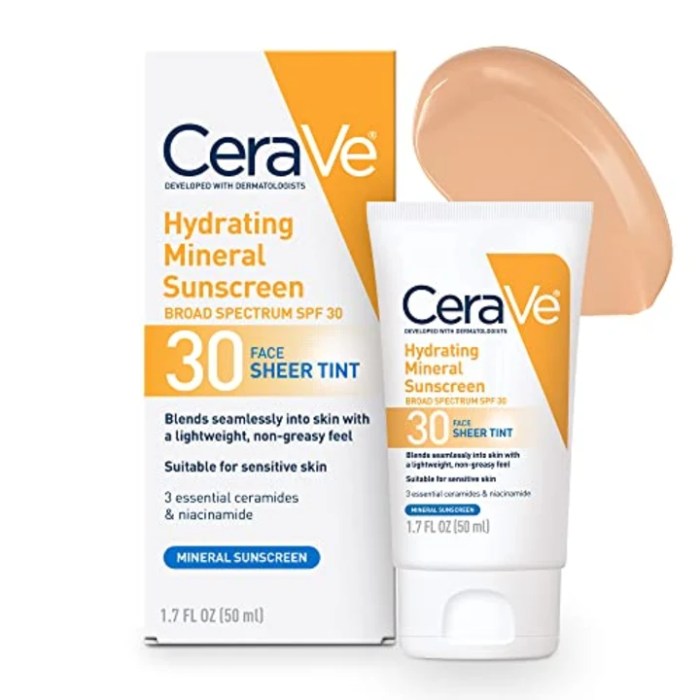
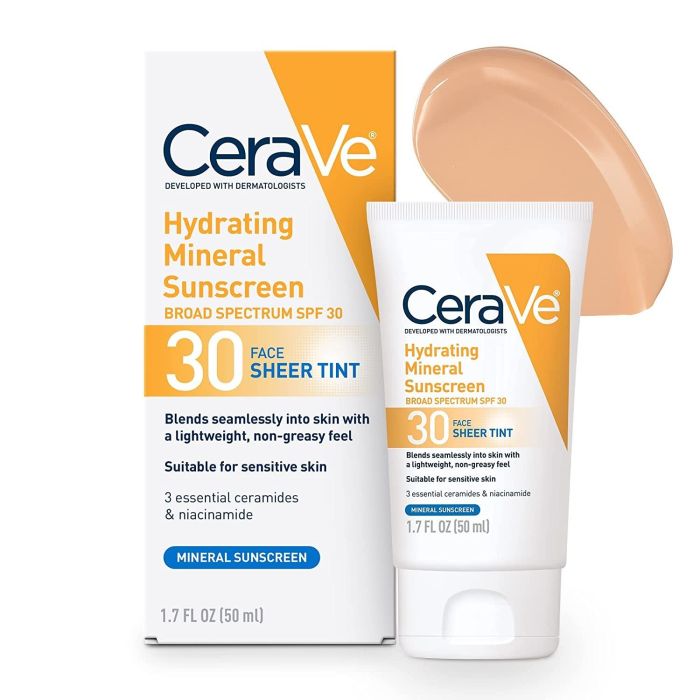
-Offers high SPF protection and is formulated with soothing thermal water. - CeraVe Hydrating Mineral Sunscreen SPF 30
-Infused with ceramides to help restore the skin barrier while providing mineral protection. - Aveeno Positively Mineral Sensitive Skin Sunscreen SPF 50
-Uses oat extract to help soothe and moisturize sensitive skin while protecting against UV rays.
Comparison of Top-rated Products
A comprehensive comparison of these sunscreens based on their effectiveness and key ingredients is essential for making the right choice. The table below summarizes these factors:
| Product Name | SPF | Active Ingredients | Skin Type | Texture |
|---|---|---|---|---|
| EltaMD UV Clear | 46 | Zinc oxide, niacinamide | Sensitive, Acne-prone | Lightweight, Oil-free |
| Neutrogena Sheer Zinc | 50 | Zinc oxide | Sensitive | Dry Touch, Non-greasy |
| La Roche-Posay Anthelios | 100 | Mexoryl SX, Titanium dioxide | Sensitive | Melt-in Milk |
| CeraVe Hydrating | 30 | Zinc oxide, ceramides | Dry, Sensitive | Hydrating, Creamy |
| Aveeno Positively Mineral | 50 | Zinc oxide, oat extract | Sensitive | Lightweight, Moisturizing |
User Testimonials and Feedback
Real-life experiences can provide valuable insights into the effectiveness of these sunscreens. Here are some testimonials from users who have tried these products:
“EltaMD UV Clear has been a game changer for my sensitive skin. It doesn’t break me out and keeps my skin looking clear!”
“I love Neutrogena Sheer Zinc. It feels light on my skin and doesn’t leave a greasy residue, which is perfect for my oily complexion.”
“La Roche-Posay Anthelios is my go-to sunscreen for beach days. It provides amazing protection without irritating my skin.”
“CeraVe Hydrating Mineral Sunscreen is fantastic! It keeps my skin moisturized while protecting it from the sun.”
“Aveeno Positively Mineral is gentle and effective. It’s the only sunscreen I can use without any irritation.”
These testimonials reflect the positive experiences many users have had with these products, reinforcing their recommendations for anyone with sensitive skin.
Application Tips for Sensitive Skin
Source: futurecdn.net
Applying sunscreen correctly is crucial, especially for those with sensitive skin. The right application techniques can significantly enhance the effectiveness of the product, providing optimal protection while minimizing irritation. Understanding how to properly apply sunscreen can make a noticeable difference in both comfort and skin health.
Proper Techniques for Applying Sunscreen
To effectively protect sensitive skin, use the following application techniques:
1. Cleanse and Moisturize
Always start with clean skin. Use a gentle cleanser followed by a suitable moisturizer to create a smooth base for the sunscreen.
2. Use a Considerate Amount
Apply a generous amount of sunscreen, ideally about a nickel-sized dollop for the face and more for larger areas of the body. This ensures adequate coverage.
3. Gentle Application
Use your fingertips to gently dab the sunscreen onto your skin. Avoid vigorous rubbing, which can irritate sensitive skin. Instead, use light, even strokes to spread the product.
4. Let It Absorb
Allow the sunscreen to absorb into the skin for about 15–30 minutes before going outside. This wait time ensures better protection.
5. Reapplication
Reapply every two hours, or more frequently if swimming or sweating. Make sure to use the same gentle application techniques to avoid irritation.
Importance of Patch Testing
Before applying sunscreen to your entire face or body, patch testing is recommended. This simple process involves applying a small amount of the sunscreen on a discreet area of your skin, such as behind your ear or on your inner forearm. Monitor the area for 24 to 48 hours for any adverse reactions. Patch testing helps identify potential allergens and ensures that the sunscreen is suitable for your sensitive skin, reducing the risk of irritation or breakouts.
Layering Sunscreen with Other Skincare Products
When combining sunscreen with other skincare products, it’s essential to follow a specific order for maximum efficacy. Here are tips for layering:
Cleanser
Start with a gentle cleanser to remove any impurities.
Moisturizer
Apply a lightweight, hydrating moisturizer suitable for sensitive skin. Allow it to absorb fully before moving to the next step.
Sunscreen
Apply your sunscreen as the final layer. This creates a protective barrier on top of your skincare routine.It’s crucial to note that if you are using makeup, apply the sunscreen before your makeup products. If using makeup with SPF, ensure that it is applied generously to achieve the intended protection.
“Layering products in the correct order maximizes the benefits of each product while ensuring your sensitive skin stays protected.”
Illustrating the importance of proper application, think about sensitive skin as a delicate fabric. If you treat it gently and layer your products thoughtfully, it will maintain its integrity and remain healthy. On the other hand, harsh applications and improper layering can lead to damage and irritation.
Common Myths About Sunscreen and Sensitive Skin
Many people with sensitive skin hold misconceptions about sunscreen, often leading to inadequate protection against harmful UV rays. Understanding these myths is crucial for effective skin care and maintaining healthy skin. This section aims to clarify common misunderstandings and emphasize the importance of sunscreen use regardless of weather conditions.
Myths Regarding Sunscreen Use
Sunscreen use can sometimes be surrounded by confusion, particularly among those with sensitive skin. Here are some prevalent myths, along with the facts that debunk them:
- Myth: Sunscreen is not necessary on cloudy days. This is incorrect; up to 80% of UV rays can penetrate through clouds, making sunscreen essential even when the sun isn’t directly visible.
- Myth: Sunscreen causes skin irritation on sensitive skin. While some formulas may irritate, many mineral sunscreens with zinc oxide or titanium dioxide are specifically designed for sensitive skin and provide effective protection without causing irritation.
- Myth: You only need to apply sunscreen once a day. In reality, sunscreen should be reapplied every two hours, or more frequently when swimming or sweating, to ensure adequate protection throughout the day.
- Myth: Higher SPF means better protection. SPF ratings only measure UVB protection. A higher SPF does not significantly increase protection and can lead users to neglect reapplication. SPF 30 is generally sufficient for most people when used correctly.
- Myth: Sunscreen is only needed in summer. UV rays can harm the skin year-round, regardless of season. Winter sun exposure, especially in snowy environments, can be particularly damaging due to reflection off snow.
Understanding UV Exposure and Skin Sensitivity
Misunderstandings about UV exposure can lead to inadequate sun protection. It’s essential to recognize the relationship between UV rays and skin irritation.
- UV Radiation Types: UV radiation consists of UVA and UVB rays. UVA rays penetrate deep into the skin and contribute to aging, while UVB rays are responsible for sunburns. Both types can cause skin cancer.
- Skin Sensitivity Factors: Factors such as skin conditions (e.g., eczema, rosacea), medications, and individual skin types can increase sensitivity to UV rays, making sunscreen a critical component of skin care.
- Importance of Daily Use: Consistent daily use of sunscreen not only prevents sunburn but also reduces the risk of long-term skin damage and conditions associated with UV exposure, such as photoaging and skin cancer.
“Sunscreen is not just a summer product; it’s a daily essential for all skin types, especially sensitive skin.”
Additional Skincare Tips for Sensitive Skin
Sensitive skin requires a thoughtful approach to skincare, especially when it comes to sun protection. A well-rounded routine can significantly enhance skin health and provide the necessary defense against harmful UV rays. Here are some crucial tips to incorporate into your daily regimen for sensitive skin care.
Organizing a Routine for Sensitive Skin Care
Building a proper skincare routine is essential for maintaining the health of sensitive skin. It should include gentle cleansing, moisturizing, and, importantly, sunscreen application. Here are steps to consider:
- Use a mild, fragrance-free cleanser suitable for sensitive skin to avoid irritation.
- Follow up with a hydrating moisturizer that contains soothing ingredients like aloe vera or chamomile.
- Apply a broad-spectrum sunscreen with SPF 30 or higher as the last step in your morning skincare routine.
- Reapply sunscreen every two hours, especially when outdoors, and more frequently if swimming or sweating.
Protective Measures Against UV Exposure
In addition to using sunscreen, taking further protective measures can significantly reduce UV damage. Here are some effective strategies:
- Seek shade during peak sun hours, typically between 10 AM and 4 PM, to minimize direct sun exposure.
- Wear protective clothing, such as long sleeves, wide-brimmed hats, and UV-blocking sunglasses.
- Consider using an umbrella or sunshade if you’ll be outdoors for extended periods.
- Choose outdoor activities that limit sun exposure, such as morning or late afternoon walks.
Soothing After-Sun Care for Sensitive Skin Types
After sun exposure, sensitive skin may require special care to soothe irritation and replenish moisture. Here are some recommendations for after-sun care:
- Apply a cooling gel or lotion containing aloe vera or calendula to calm the skin.
- Use a fragrance-free moisturizer to hydrate the skin and prevent peeling.
- Consider over-the-counter hydrocortisone cream for mild inflammation or redness, but consult a dermatologist before use.
- Stay hydrated by drinking plenty of water to help the skin recover from UV exposure.
Final Summary
In summary, finding the best sunscreen for sensitive skin is vital for maintaining skin health while enjoying outdoor activities. By understanding your skin’s needs and choosing the right product, you can prevent irritation and ensure effective sun protection. With the right knowledge and products at your disposal, you can confidently step out into the sun, knowing your sensitive skin is well cared for.
Helpful Answers: Best Sunscreen For Sensitive Skin
What is sensitive skin?
Sensitive skin is characterized by increased reactivity to various environmental factors, products, or allergens, leading to redness, irritation, or discomfort.
How do I know if a sunscreen is suitable for sensitive skin?
Look for sunscreens labeled as ‘hypoallergenic,’ ‘fragrance-free,’ or containing soothing ingredients like zinc oxide or titanium dioxide, which are typically gentler on the skin.
Should I use mineral or chemical sunscreen for sensitive skin?
Mineral sunscreens (containing zinc oxide or titanium dioxide) are generally recommended for sensitive skin as they are less likely to cause irritation compared to chemical sunscreens.
How often should I reapply sunscreen?
Reapply every two hours, or more frequently if sweating or swimming, to ensure continuous protection.
Can I use sunscreen on my face and body interchangeably?
While some sunscreens are formulated for both face and body, it’s best to use those specifically made for the face on facial skin to avoid potential breakouts or irritation.