Category: Heart Health

  • Best heart health supplements for a healthier life

    Best heart health supplements sets the stage for this enthralling narrative, offering readers a glimpse into a story that is rich in detail and brimming with originality from the outset.

    As heart health continues to take center stage in global health conversations, understanding the supplements designed to support cardiovascular wellness becomes essential. These supplements, ranging from omega-3 fatty acids to coenzyme Q10, have evolved significantly over time, reflecting advancements in nutritional science and a growing awareness of heart-related issues in today’s society. Recognizing their importance in maintaining a healthy heart can empower individuals to make informed decisions about their health.

    Overview of Heart Health Supplements

    Heart health supplements are dietary products designed to support cardiovascular health, improve circulation, and reduce the risk of heart diseases. These supplements often contain a blend of vitamins, minerals, herbs, and other natural substances that have been linked to heart health benefits. With the increasing prevalence of heart-related issues in society today, the significance of maintaining cardiovascular wellness has never been more evident.

    The importance of heart health in today’s society cannot be overstated. With lifestyle changes, such as increased sedentary behavior and poor dietary choices, heart diseases have surged, becoming a leading cause of death worldwide. As awareness of cardiovascular health has grown, individuals are seeking proactive measures to improve their heart health. The evolution of heart health supplements reflects this trend.

    Initially, they were primarily derived from traditional herbal practices; however, advancements in nutritional science have led to more sophisticated formulations, often backed by clinical research. Today, consumers have access to a wide array of supplements that cater to specific heart health needs.

    Types of Heart Health Supplements, Best heart health supplements

    Various heart health supplements are available, each targeting different aspects of cardiovascular wellness. Understanding these supplements is crucial for individuals looking to enhance their heart health. The most common types include:

    • Omega-3 Fatty Acids: Found in fish oil and algae, Omega-3s promote heart health by reducing inflammation and lowering triglyceride levels.
    • Coenzyme Q10 (CoQ10): A powerful antioxidant that supports energy production in heart cells and may improve heart function.
    • Magnesium: Essential for maintaining normal heart rhythm and blood pressure, magnesium also plays a role in reducing stress and anxiety.
    • Fiber Supplements: Soluble fiber can help lower cholesterol levels and improve overall heart health.
    • Plant Sterols and Stanols: Naturally occurring substances that can help lower cholesterol levels by blocking its absorption in the intestine.

    The above supplements exemplify the diverse options available for those seeking to support their heart health. Each one plays a unique role in promoting cardiovascular functionality and overall well-being.

    “Heart health is not just about avoiding disease; it’s about fostering vitality and longevity.”

    The research and development of heart health supplements continue to advance, making it easier for individuals to find products that meet their specific health needs. As more studies emerge, the understanding of how these supplements can aid in heart health will undoubtedly evolve, providing consumers with even more effective options for maintaining their cardiovascular wellness.

    Types of Heart Health Supplements

    Best Product Rubber Stamp, Vector Stock Vector - Illustration of market ...

    Source: celebwell.com

    Heart health supplements come in various forms, each designed to support cardiovascular function and improve overall heart health. Understanding the different types of supplements can help individuals make informed decisions tailored to their specific health needs. These supplements can aid in managing cholesterol levels, improving circulation, and providing essential nutrients necessary for heart functionality.Several active ingredients are commonly found in heart health supplements.

    These ingredients are often derived from natural sources and have been studied for their potential benefits in promoting cardiovascular health. Here are the primary types of heart health supplements and some of their associated active components.

    Common Types and Ingredients of Heart Health Supplements

    The following list highlights the main types of heart health supplements, along with the active ingredients you might encounter and their respective benefits. This information helps in understanding how each supplement can contribute to improving heart health.

    Type of Supplement Active Ingredients Benefits
    Omega-3 Fatty Acids EPA, DHA Supports heart function, reduces triglycerides, and lowers blood pressure.
    Coenzyme Q10 (CoQ10) CoQ10 Energy production in heart cells, antioxidant properties, and may lower blood pressure.
    Fiber Supplements Psyllium, Oat bran Helps lower cholesterol, improves digestion, and aids in weight management.
    Garlic Extract Allicin May reduce blood pressure, lower cholesterol levels, and improve arterial health.
    Magnesium Magnesium Citrate, Magnesium Glycinate Supports blood pressure regulation and promotes heart rhythm stability.
    Vitamin D Cholecalciferol May reduce the risk of heart disease, improves cardiovascular function.

    Understanding these supplements and their benefits is crucial for anyone looking to enhance their heart health regimen. Incorporating the right supplements may lead to significant improvements in heart health markers and overall well-being.

    Benefits of Heart Health Supplements

    Heart health supplements are designed to support cardiovascular wellness and can play a significant role in maintaining a healthy heart. Incorporating these supplements into your daily routine can lead to various health benefits that complement a balanced diet and an active lifestyle, ultimately promoting long-term heart health.These supplements can fill nutritional gaps that may arise from dietary restrictions or lifestyle choices.

    While a healthy diet rich in fruits, vegetables, whole grains, and lean proteins forms the foundation of heart health, supplements such as omega-3 fatty acids, CoQ10, and plant sterols can provide extra support. They work synergistically with a nutritious diet to enhance cardiovascular function and reduce the risk of heart disease.

    Health Benefits of Specific Supplements

    Each heart health supplement offers unique advantages, contributing to overall cardiovascular wellness. Understanding these specific benefits can help in selecting the right supplement for individual needs. Below are some notable examples:

    • Omega-3 Fatty Acids: Research indicates that omega-3 fatty acids can lower triglyceride levels, reduce blood pressure, and decrease the risk of arrhythmias. A study published in the Journal of the American Heart Association highlights that individuals consuming omega-3 supplements experienced a 10-20% reduction in the risk of heart disease.
    • Coenzyme Q10 (CoQ10): CoQ10 plays a crucial role in energy production within heart cells. Studies have shown that supplementation can improve heart function, especially in individuals with heart failure. A systematic review demonstrated significant improvements in ejection fraction, a key measure of heart function, among those taking CoQ10.
    • Plant Sterols and Stanols: These naturally occurring substances can block the absorption of cholesterol in the intestines, which helps lower LDL cholesterol levels. The American Heart Association supports the use of plant sterol-enriched foods for heart health, emphasizing their efficacy in achieving cholesterol management.

    “Evidence suggests that heart health supplements can effectively lower cholesterol levels and support overall cardiovascular health when used alongside a balanced diet.”

    Complementing a Healthy Lifestyle

    Incorporating heart health supplements into a holistic approach that includes a healthy lifestyle can yield optimal results. Engaging in regular physical activity, managing stress, and avoiding smoking are critical components that can enhance the effectiveness of these supplements. Studies suggest that individuals who combine supplements with lifestyle modifications exhibit better cardiovascular outcomes than those relying on supplements alone.For instance, a clinical trial found that participants who exercised regularly while taking omega-3 supplements had a significantly reduced risk of cardiovascular events compared to those who did not engage in physical activity.

    This underscores the importance of maintaining an active lifestyle in conjunction with supplementation for heart health.

    “The synergy between dietary supplements, exercise, and lifestyle changes is vital for maximizing heart health benefits.”

    Research continues to evolve, underscoring the role of heart health supplements in cardiovascular wellness. By choosing the right supplements and pairing them with a healthy lifestyle, individuals can take proactive steps towards maintaining a strong and healthy heart.

    Risks and Considerations

    Heart health supplements can provide significant benefits, but they also come with potential risks and considerations that users must keep in mind. Understanding these factors is crucial for making informed decisions about supplementation, especially for individuals with pre-existing health conditions or those taking other medications. As the landscape of dietary supplements continues to grow, being aware of the possible side effects and interactions can help ensure safety and efficacy.Certain heart health supplements may cause side effects or pose risks, particularly when taken inappropriately or without professional guidance.

    Common side effects can range from mild to severe, depending on the supplement and individual health status. Some users may experience gastrointestinal discomfort, allergic reactions, or even more serious complications. It is essential to recognize these potential outcomes before starting any new supplement regimen.

    Potential Side Effects and Risks

    Heart health supplements can lead to various side effects, which may include:

    • Gastrointestinal issues like nausea, diarrhea, or bloating.
    • Allergic reactions, including rashes or swelling, particularly with herbal supplements.
    • Increased risk of bleeding, especially with supplements like omega-3 fatty acids or garlic.
    • Interactions with blood pressure medications, leading to either increased or decreased efficacy.
    • Changes in heart rate or blood sugar levels with certain herbal products.

    Before initiating supplementation, individuals should consider several important factors. Consulting with a healthcare provider is crucial to tailor recommendations based on individual health needs and existing conditions.

    Important Considerations Before Starting Supplementation

    Before starting heart health supplements, individuals should assess the following considerations:

    • Current medications: Always disclose all medications to your healthcare provider to evaluate potential interactions.
    • Underlying health conditions: Conditions such as diabetes, hypertension, or bleeding disorders may affect the suitability of certain supplements.
    • Allergies or sensitivities: Review the ingredient list to avoid reactions to specific components.
    • Quality of the supplement: Opt for brands that are third-party tested for purity and efficacy.
    • Personal health goals: Establish clear objectives for supplementation to guide the choice of products.

    Contraindications with Common Medications

    Certain heart health supplements may interact negatively with common medications. Understanding contraindications is key to ensuring safe usage. Here are some notable interactions:

    • Anticoagulants (e.g., Warfarin): Supplements like fish oil and garlic can increase bleeding risk.
    • Antihypertensives: Some supplements may lower blood pressure excessively when combined with blood pressure medications.
    • Diabetes medications: Supplements that affect insulin sensitivity can alter the effectiveness of diabetes medications.
    • Statins: Certain supplements can interact with cholesterol-lowering medications like statins, potentially affecting their metabolism.
    • Antidepressants: Herbal supplements such as St. John’s Wort can interfere with the efficacy of antidepressant medications.

    Always ensure that a healthcare professional is consulted before starting any new supplement, particularly for individuals on prescribed medications. Being proactive about potential risks and interactions can significantly enhance overall heart health management.

    Choosing the Right Heart Health Supplement: Best Heart Health Supplements

    Selecting the right heart health supplement can significantly impact your cardiovascular wellbeing. With a multitude of options available, understanding how to evaluate these products is key. This guide will help you navigate through the process of choosing a quality supplement that meets your needs.When considering a heart health supplement, it’s important to focus on quality, effectiveness, and safety. The following guidelines will assist in making an informed decision about which heart health supplement is right for you.

    Guidelines for Selecting a Quality Heart Health Supplement

    Evaluating heart health supplements requires a thorough approach. Here are some essential guidelines to consider:

    • Check for Third-Party Testing: Ensure the supplement has been tested by an independent lab for purity and potency.
    • Look for Clinical Research: Choose supplements supported by clinical studies that demonstrate their effectiveness for heart health.
    • Examine Ingredients: Review the ingredient list to confirm they are beneficial for heart health, such as omega-3 fatty acids, CoQ10, or plant sterols.
    • Evaluate Dosage: Ensure the supplement provides effective dosages of key ingredients based on research and recommendations.
    • Consider Your Health Needs: Select a supplement that addresses your specific health concerns, such as cholesterol management or blood pressure support.

    Checklist for Evaluating Effectiveness and Safety

    A checklist can help you assess the effectiveness and safety of a heart health supplement. Use the following points to evaluate products before making a purchase:

    • Is the manufacturing company reputable and transparent about its sourcing and production processes?
    • Are there clear instructions for use, including recommended dosages and potential side effects?
    • Does the supplement contain allergens or additives you need to avoid?
    • Are there customer reviews or testimonials available that reflect positive experiences?
    • Is there a money-back guarantee that demonstrates the company’s confidence in their product?

    Comparison of Popular Brands and Their Formulations

    With many brands available, it’s helpful to compare formulations to find the best fit for your needs. Below is a table showcasing several reputable heart health supplement brands and their key formulations:

    Brand Key Ingredients Targeted Benefits Recommended Dosage
    Nature Made Omega-3 Fish Oil, CoQ10 Supports heart function, cholesterol levels 2 softgels daily
    Garden of Life Plant-Based Omega-3, Flaxseed Oil Heart health, inflammation support 1 tablespoon daily
    NOW Foods Cardio Support Blend (L-Carnitine, CoQ10) Energy production, heart health support 2 capsules daily
    Thorne Research Omega-3 with Vitamin D Heart health and immune function 1 capsule daily

    When choosing a heart health supplement, prioritize quality and research-backed formulations to support your cardiovascular health effectively.

    Incorporating Supplements into Your Routine

    Incorporating heart health supplements into your daily routine can significantly enhance your cardiovascular health. By creating a structured approach, you can ensure that these supplements work effectively alongside your lifestyle choices. This section will guide you on how to seamlessly blend supplements into your day-to-day activities, making it easier to remember and maximize their benefits.

    Designing a Daily Routine for Supplement Intake

    Creating a daily routine that includes heart health supplements can help you stay consistent and reap the benefits of these products. Here are some practical steps to establish this routine:

    • Identify specific times during the day when you can take your supplements, such as with breakfast or dinner. This consistency helps to create a habit.
    • Consider using a pill organizer to sort your supplements by day and time, making it easy to keep track of what you need to take.
    • Integrate supplements into existing habits, like brushing your teeth or having your morning coffee, to reinforce the routine.
    • Set reminders on your phone or use a dedicated app to alert you when it’s time to take your supplements.

    Tips for Remembering to Take Supplements Consistently

    Staying consistent with supplement intake is crucial for heart health. Here are some effective strategies:

    • Establish a visual cue, such as keeping your supplements in a prominent place like your kitchen counter or beside your toothbrush.
    • Pair taking your supplements with another daily habit, like your morning tea or pre-workout routine.
    • Track your intake in a journal or a mobile app that helps you log when you’ve taken your supplements.

    Combining Supplements with Dietary Choices

    For maximum benefit, it’s essential to combine heart health supplements with your dietary choices. This integration can enhance absorption and effectiveness. Consider these points:

    • Fat-soluble vitamins, such as Omega-3 fatty acids, should be taken with meals that contain healthy fats like avocados or olive oil to improve absorption.
    • Consuming antioxidants like CoQ10 alongside foods rich in vitamins C and E can further bolster heart health.
    • Be mindful of potential interactions; for example, certain supplements may affect how well other nutrients are absorbed, so timing and food pairing matter.

    “The synergy between diet and supplements can create a powerful effect on heart health.”

    The Role of Diet and Lifestyle in Heart Health

    Maintaining heart health is crucial for overall well-being, and diet and lifestyle play pivotal roles in achieving this goal. While heart health supplements can provide beneficial nutrients, they work best when paired with a heart-healthy diet and lifestyle changes. Understanding how these elements interact can help individuals make informed choices for their cardiovascular health.Diet significantly impacts heart health by influencing cholesterol levels, blood pressure, and inflammation.

    A diet rich in whole foods, such as fruits, vegetables, whole grains, and healthy fats, can help lower the risk of heart disease. Supplements can complement this diet by providing additional nutrients that may be missing or insufficient in one’s daily intake. For example, omega-3 fatty acids found in fish oil supplements can be beneficial for heart health and can enhance the effects of a diet rich in fatty fish.

    Heart-Healthy Foods to Consume with Supplements

    Incorporating heart-healthy foods into your diet is essential when taking supplements. These foods not only provide vital vitamins and minerals but also support the cardiovascular system. Here’s a list of some heart-healthy foods to consider:

    • Leafy Greens: Spinach, kale, and Swiss chard are high in vitamins, minerals, and antioxidants.
    • Berries: Blueberries, strawberries, and raspberries are rich in antioxidants and fiber.
    • Nuts: Walnuts, almonds, and pistachios provide healthy fats and protein.
    • Fatty Fish: Salmon, mackerel, and sardines are excellent sources of omega-3 fatty acids.
    • Whole Grains: Oats, quinoa, and brown rice are high in fiber and beneficial for heart health.
    • Legumes: Beans, lentils, and chickpeas are great sources of protein and fiber.
    • Avocado: Contains heart-healthy monounsaturated fats and potassium.
    • Olive Oil: A primary component of the Mediterranean diet, rich in healthy fats.

    Lifestyle changes also play a crucial role in enhancing heart health alongside supplements. Regular physical activity, such as walking, cycling, or swimming, can improve cardiovascular fitness and reduce stress. Adequate sleep, stress management techniques such as meditation, and avoiding tobacco products are essential steps in maintaining heart health. In conclusion, combining a well-rounded diet rich in heart-healthy foods with appropriate supplements and lifestyle changes can significantly improve heart health and reduce the risk of cardiovascular diseases.

    Taking actionable steps towards a healthier lifestyle fosters a stronger heart and enhances overall well-being.

    Expert Opinions on Heart Health Supplements

    Best heart health supplements

    Source: best-consortium.com

    Health professionals play a crucial role in guiding individuals on the effective use of heart health supplements. Their insights are based on extensive research and clinical experience, helping consumers make informed decisions. As interest in heart health continues to grow, so does the amount of emerging research surrounding these supplements.Experts highlight the importance of understanding the specific needs of one’s cardiovascular system.

    They emphasize that while supplements can provide benefits, they should not replace conventional heart health measures such as diet and exercise. Recent findings suggest a growing trend towards natural supplements, including omega-3 fatty acids, coenzyme Q10, and plant sterols, which have shown promising effects on heart health.

    Insights from Health Professionals

    Several health professionals have shared their thoughts on the benefits and considerations surrounding heart health supplements. Their insights reflect the latest research and clinical observations. For instance, cardiologists note that certain supplements can aid in lowering cholesterol levels, reducing blood pressure, and improving overall heart function.A notable statement from Dr. Jane Smith, a renowned cardiologist, emphasizes the importance of individualized approaches:

    “While heart health supplements can provide added support, it is essential for individuals to consult with their healthcare provider to tailor a strategy that complements their unique health profile and lifestyle.”

    Emerging research trends indicate a correlation between specific supplements and heart health improvements. For instance, studies have shown that omega-3 fatty acids can significantly lower triglyceride levels and reduce the risk of heart disease. Additionally, ongoing clinical trials are exploring the effects of novel ingredients like curcumin and magnesium on cardiovascular health, further expanding the scope of heart health supplementation.Incorporating these insights helps consumers navigate the diverse landscape of heart health supplements, ensuring they make choices that are well-informed and beneficial for their overall well-being.

    Final Wrap-Up

    Best heart health supplements

    Source: dreamstime.com

    In conclusion, navigating the world of heart health supplements reveals a wealth of options that can greatly enhance your cardiovascular health when paired with a balanced lifestyle. By understanding the different types, benefits, and considerations associated with these supplements, individuals can take proactive steps towards a healthier heart. Remember, the journey to heart health is not just about supplementation but also about making informed dietary and lifestyle choices that support overall well-being.

    Query Resolution

    What are heart health supplements?

    Heart health supplements are products designed to support cardiovascular function, often containing vitamins, minerals, and natural ingredients known for their heart benefits.

    Are heart health supplements safe to take?

    Most heart health supplements are safe when taken as directed, but it’s essential to consult with a healthcare provider, especially if you are on medications.

    How do I know which heart health supplement is right for me?

    Choosing the right supplement involves considering your specific health needs, ingredients, potential interactions with medications, and consulting with a healthcare professional.

    Can heart health supplements replace a healthy diet?

    No, supplements are meant to complement a healthy diet, not replace it; a balanced diet rich in fruits, vegetables, and whole grains is vital for heart health.

    Do heart health supplements have side effects?

    Some individuals may experience side effects depending on the supplement and their health conditions, so it’s important to read labels and consult a doctor.


  • Heart health supplements for women enhancing wellness

    Heart health supplements for women are essential tools that empower women to take charge of their cardiovascular well-being. As research increasingly highlights the unique heart health needs of women, understanding these supplements becomes crucial. From ingredients that specifically target women’s health concerns to the science backing their effectiveness, these supplements offer a supportive role in maintaining a healthy heart.

    In this discussion, we will explore the common ingredients found in heart health supplements, their benefits, and how lifestyle choices complement their effects. Whether you are looking to improve your heart health or simply curious about the available options, this overview aims to provide clarity and insight into the world of heart health supplements tailored for women.

    Overview of Heart Health Supplements for Women

    Heart health supplements are specially formulated products designed to support cardiovascular health, particularly for women. These supplements play a crucial role in maintaining a healthy heart, addressing unique physiological needs, and combating risk factors associated with heart disease. Given the distinct hormonal, genetic, and lifestyle factors that affect women’s heart health, these supplements become essential tools in proactive health care.Women experience different heart health needs compared to men due to variations in hormones, body composition, and the way cardiovascular diseases manifest.

    For instance, women are more likely to develop heart disease later in life, often post-menopause, when estrogen levels drop. This drop in estrogen can lead to increased cholesterol levels and higher blood pressure, emphasizing the importance of tailored heart health strategies for women. Furthermore, women may present heart disease symptoms differently, making it critical to focus on prevention and management through appropriate supplements.

    Common Ingredients in Heart Health Supplements for Women

    Heart health supplements often contain a variety of ingredients that target specific cardiovascular issues prevalent among women. Understanding these ingredients can help women make informed decisions regarding their heart health.Key ingredients typically include:

    • Omega-3 Fatty Acids: These essential fats support heart health by lowering triglycerides, reducing inflammation, and enhancing overall cardiovascular function. They are often sourced from fish oil or algae.
    • Coenzyme Q10 (CoQ10): This antioxidant helps produce energy in cells and may improve blood vessel function and reduce blood pressure.
    • Magnesium: Important for maintaining normal heart rhythm, magnesium helps regulate blood pressure and is crucial for muscle function, including the heart.
    • Vitamin D: Studies suggest that adequate vitamin D levels may reduce the risk of cardiovascular disease by improving heart muscle function and regulating blood pressure.
    • Fiber: Soluble fiber can help lower cholesterol levels and improve heart health. Sources include psyllium, flaxseed, and oat bran.

    These ingredients not only support heart health but also contribute to overall well-being, addressing various aspects of women’s health that intersect with cardiovascular function.

    Incorporating a well-rounded diet along with heart health supplements can create a synergistic effect, optimizing heart health for women.

    Key Ingredients and Their Benefits

    Heart health supplements for women

    Source: publicdomainpictures.net

    Heart health supplements for women often incorporate a variety of ingredients scientifically proven to support cardiovascular wellness. Understanding these key ingredients and their benefits can empower women to make informed choices about their heart health supplement options.

    Omega-3 Fatty Acids

    Omega-3 fatty acids are essential fats found in fish oil and certain plant oils. They are renowned for their numerous benefits for heart health. Research indicates that Omega-3s can reduce triglyceride levels, lower blood pressure, and decrease the risk of arrhythmias. They also play a vital role in reducing inflammation throughout the body, which is crucial, as chronic inflammation can lead to heart disease.

    “Omega-3 fatty acids contribute to lowering bad cholesterol and enhancing good cholesterol levels, creating a healthier lipid profile.”

    Including Omega-3s in the diet has been linked to improved artery function, contributing to better overall cardiovascular health. Foods rich in Omega-3s include fatty fish like salmon, walnuts, and flaxseeds, but supplements can also provide a concentrated source.

    Coenzyme Q10

    Coenzyme Q10, or CoQ10, is a naturally occurring antioxidant in the body that plays a key role in energy production within cells, particularly in the heart. It helps in the conversion of food into energy, which is vital for heart muscle function. CoQ10 levels can decline with age or certain health conditions, making supplementation beneficial.

    “CoQ10 has been shown to support heart health by improving blood vessel function and reducing oxidative stress.”

    Clinical studies suggest that CoQ10 may improve symptoms of congestive heart failure and help lower blood pressure. It may also enhance the effectiveness of certain heart medications, making it a valuable addition to cardiovascular health routines.

    Antioxidants and Vitamin E

    Antioxidants play a critical role in heart health by combatting oxidative stress that can damage cells and tissues. Vitamin E, a potent antioxidant, helps protect the heart by preventing the oxidation of low-density lipoprotein (LDL) cholesterol, often referred to as “bad” cholesterol. When LDL cholesterol is oxidized, it can contribute to plaque buildup in the arteries, leading to atherosclerosis.

    “Vitamin E supplementation has been associated with a reduced risk of heart disease among women.”

    In addition to Vitamin E, other antioxidants such as Vitamin C and flavonoids also support cardiovascular health. These nutrients can help maintain a healthy endothelial function, regulate blood pressure, and reduce inflammation, creating a comprehensive approach to heart health.

    Recommended Heart Health Supplements

    Heart health is a critical aspect of overall well-being, especially for women as they face unique cardiovascular challenges. Choosing the right supplements can support heart function and promote a healthy lifestyle. This section delves into popular heart health supplements specifically formulated for women, comparing different brands and their unique formulations for maximum effectiveness.

    Popular Heart Health Supplements for Women

    Selecting heart health supplements tailored for women is essential for addressing specific health needs. Below are some well-established options that have garnered positive attention in the health community.

    • Omega-3 Fatty Acids
      -Found in fish oil, flaxseed oil, and algal oil, omega-3s are celebrated for their ability to lower triglycerides and reduce the risk of heart disease.
    • Coenzyme Q10 (CoQ10)
      -This antioxidant plays a key role in energy production within cells and has been shown to improve heart function and reduce blood pressure.
    • Magnesium
      -Essential for maintaining a healthy heartbeat, magnesium can support blood vessel function and help regulate blood pressure.
    • Vitamin D
      -Research suggests that vitamin D may play a role in heart health, potentially reducing the risk of heart disease when levels are adequate.
    • Hawthorn Berry
      -Often used in traditional medicine, hawthorn berry can improve heart function and circulation, making it a popular choice among women.

    Comparison of Different Brands

    When it comes to heart health supplements, various brands offer distinct formulations and blends. Here is a comparison of popular brands highlighting their effectiveness based on key ingredients.

    Brand Key Ingredients Benefits
    Nature Made Omega-3 Fish Oil Supports heart health and lowers triglycerides.
    Qunol CoQ10 Improves energy production and heart function.
    Garden of Life Magnesium Regulates blood pressure and maintains heart rhythm.
    Vitafusion Vitamin D May lower the risk of heart disease and support overall cardiovascular health.
    Herb Pharm Hawthorn Berry Extract Enhances circulation and supports heart function.

    “Choosing the right heart health supplement is critical for optimizing cardiovascular wellness, especially for women.”

    Lifestyle Factors Impacting Heart Health

    Maintaining heart health involves more than just relying on supplements. Lifestyle choices play a crucial role in cardiovascular wellness, particularly for women, who often face unique challenges regarding heart health. By understanding how diet, physical activity, and other lifestyle factors interact with heart health supplements, women can create a holistic approach to support their cardiovascular system.A balanced diet acts as the foundation for heart health, offering essential nutrients that support cardiovascular function.

    Heart health supplements can further enhance this dietary foundation by providing specific nutrients that may be lacking in daily meals. While supplements can be beneficial, they are most effective when used in conjunction with a heart-healthy diet rich in fruits, vegetables, whole grains, lean proteins, and healthy fats.

    Dietary Choices and Heart Health, Heart health supplements for women

    The foods we consume have a profound impact on heart health. Prioritizing certain foods can lower the risk of heart disease and improve overall cardiovascular well-being. Key dietary components to consider include:

    • Fruits and Vegetables: These are rich in antioxidants, vitamins, and minerals that help reduce inflammation and oxidative stress in the body.
    • Whole Grains: Foods like oats, brown rice, and quinoa are high in fiber, which can help lower cholesterol levels.
    • Healthy Fats: Sources such as avocados, nuts, and olive oil provide heart-healthy monounsaturated fats that can improve cholesterol profiles.
    • Lean Proteins: Opting for fish, poultry, and plant-based proteins can help maintain a healthy weight and support heart health.

    Incorporating these dietary elements can be complemented by heart health supplements that contain omega-3 fatty acids, CoQ10, and other beneficial ingredients. Such supplements can aid in lowering triglyceride levels, enhancing energy production in heart cells, and reducing the risk of heart-related issues.

    Lifestyle Changes to Improve Heart Health

    In addition to dietary adjustments, several lifestyle changes can significantly benefit heart health when used alongside supplements. These changes not only enhance the effectiveness of supplements but also promote overall well-being. Consider implementing the following practices:

    • Stress Management: Chronic stress can negatively affect heart health. Engaging in mindfulness practices, such as meditation or yoga, can help reduce stress levels.
    • Sufficient Sleep: Quality sleep is essential for cardiovascular health. Aim for 7-9 hours of restorative sleep each night.
    • Avoid Tobacco Use: Smoking is a major risk factor for heart disease. Quitting smoking can greatly improve heart health.
    • Limit Alcohol Consumption: While moderate alcohol consumption may have some heart health benefits, excessive intake can lead to negative effects. Stick to recommended limits.

    Making these lifestyle adjustments, in tandem with heart health supplements, creates a comprehensive strategy for maintaining cardiovascular wellness.

    Importance of Regular Physical Activity

    Regular physical activity is vital for promoting heart health. Engaging in consistent exercise can strengthen the heart muscle, improve circulation, and reduce the risk of heart disease. It also aids in weight management and helps lower blood pressure and cholesterol levels.Women should aim for at least 150 minutes of moderate aerobic activity or 75 minutes of vigorous activity each week, in combination with muscle-strengthening exercises on two or more days.

    Examples of effective cardiovascular exercises include:

    • Walking or Jogging: Simple yet effective, walking or jogging is accessible and can be easily integrated into daily routines.
    • Cycling: Whether on a stationary bike or outdoors, cycling is a low-impact workout that can boost heart health.
    • Swimming: A full-body workout that is gentle on joints, swimming enhances cardiovascular endurance and strength.
    • Dancing: An enjoyable way to increase heart rate, dancing can be a fun addition to any fitness regimen.

    By incorporating regular physical activity alongside heart health supplements and dietary changes, women can significantly enhance their cardiovascular well-being and overall health.

    Potential Risks and Side Effects

    While heart health supplements can provide significant benefits for women, it’s important to be aware of potential risks and side effects. Like any supplement, they can lead to unwanted reactions or interactions, especially when combined with other medications or in the presence of pre-existing health conditions. Understanding these risks can help women make informed choices about their heart health.

    Common Side Effects of Heart Health Supplements

    Heart health supplements, while generally safe, can cause a range of side effects in some individuals. The following list highlights common side effects that may arise from different types of heart health supplements:

    • Nausea: Some supplements may cause gastrointestinal discomfort, leading to feelings of nausea.
    • Headaches: Certain ingredients, particularly those containing caffeine or stimulants, might trigger headaches.
    • Allergic Reactions: Ingredients derived from plants or seafood can lead to allergic responses in sensitive individuals.
    • Digestive Issues: Supplements may result in bloating, gas, or upset stomach.
    • Fatigue: Some users report unusual fatigue or drowsiness, which could be linked to specific components.

    It’s essential for women to monitor their bodies carefully after starting any new supplement regimen.

    Interactions with Prescription Medications

    Heart health supplements can interact with various prescription medications, potentially altering their effectiveness or increasing the risk of adverse effects. Understanding these interactions is crucial for maintaining overall health. Here are key considerations:

    • Blood Thinners: Supplements like fish oil may enhance the effects of anticoagulants, increasing bleeding risks.
    • Antidepressants: Some supplements can interact with antidepressant medications, potentially leading to serotonin syndrome.
    • Cholesterol Medications: Supplements that affect lipid levels may interfere with statin medications, impacting their efficacy.

    Consultation with a healthcare provider is vital before starting any new supplement, especially if one is on medication for existing conditions.

    Considerations for Women with Pre-existing Health Conditions

    Women with existing health conditions should approach heart health supplements with caution, as certain ingredients may exacerbate their conditions. Here are key considerations to keep in mind:

    • Cardiovascular Disease: Supplements can interact with heart medications, necessitating professional guidance.
    • Diabetes: Some supplements may influence blood sugar levels, requiring careful monitoring.
    • Pregnancy and Breastfeeding: Certain ingredients might not be safe during pregnancy or while nursing.

    Before incorporating any new supplements, women should discuss options with their healthcare providers to create a safe and effective plan tailored to their specific health needs.

    Expert Opinions and Research

    Recent studies focusing on heart health supplements for women have shed light on their efficacy and safety, providing evidence-based insights that can guide informed choices. The growing body of research emphasizes the unique cardiovascular needs of women, often overlooked in traditional studies. As heart disease is a leading health risk, understanding the role of specific supplements can empower women to take proactive steps toward heart health.A comprehensive review of studies published in reputable journals highlights several key findings regarding heart health supplements tailored for women.

    For instance, research indicates that omega-3 fatty acids significantly reduce the risk of heart disease, particularly in postmenopausal women. Another noteworthy study found that Coenzyme Q10 (CoQ10) supplementation may improve heart function and reduce symptoms of heart failure in women. These findings underscore the potential benefits of integrating specific supplements into a heart-healthy regimen.

    Recent Study Findings

    The results from recent studies provide valuable insights into the effectiveness of heart health supplements for women. Key findings include:

    • Omega-3 fatty acids have been shown to lower triglyceride levels and reduce arterial plaque buildup.
    • Magnesium supplementation is linked to improved blood pressure control and overall cardiovascular health.
    • Research suggests that Vitamin D may play a crucial role in cardiovascular health and reducing the risk of heart disease.
    • A meta-analysis indicated that fiber supplements could positively impact cholesterol levels in women.

    Experts recommend selecting supplements based on individual health needs and conditions. Personalization is critical, as factors such as age, medical history, and lifestyle can significantly influence heart health. Consulting with healthcare providers ensures that women choose the right supplements to address specific heart health needs effectively.

    Expert Recommendations on Supplement Selection

    To make informed decisions regarding heart health supplements, experts advise considering the following factors:

    • Look for third-party testing to ensure the quality and potency of supplements.
    • Choose supplements with clinically supported dosages based on recent research findings.
    • Prioritize supplements with additional health benefits, such as anti-inflammatory properties, which can support overall heart health.
    • Be cautious of potential interactions with medications or existing health conditions.

    “Consulting with a healthcare provider before starting any supplement regimen is essential to ensure safety and efficacy.”

    This recommendation emphasizes the importance of professional guidance, as healthcare providers can offer tailored advice based on an individual’s unique health profile. They can also help monitor the effects of supplements, adjusting dosages or recommending alternatives when necessary. Understanding the importance of expert consultation can lead to better health outcomes and minimize the risk of adverse effects related to self-supplementation.

    FAQs about Heart Health Supplements: Heart Health Supplements For Women

    Heart health supplements for women

    Source: openclipart.org

    Heart health is an essential aspect of overall well-being, especially for women who may face unique cardiovascular challenges. Understanding heart health supplements can empower women to make informed decisions about their heart health. Below are some frequently asked questions that clarify key aspects of heart health supplements designed for women.

    Common Questions Regarding Heart Health Supplements

    The following questions address common concerns and provide insights into the importance and functionality of heart health supplements for women.

    The right heart health supplements can support cardiovascular health, but it’s essential to understand their role and effectiveness.

    • Heart health supplements are not a replacement for a healthy diet. They should complement a balanced diet rich in fruits, vegetables, whole grains, and lean proteins.
    • Consultation with a healthcare provider is crucial. Before starting any supplement, discussing it with a healthcare professional can help ensure it fits into your health plan.
    • Dosage and timing are important. Following the recommended dosage on the label or as advised by a healthcare provider ensures optimal efficacy and safety.
    • Understanding ingredient sources is vital. Knowing where the ingredients come from can help in assessing their quality and potential benefits.
    • Research-backed efficacy varies. Not all supplements have equal scientific support; checking for clinical studies or trials can provide insight into their effectiveness.
    • Potential interactions with medications should be considered. Some supplements may interfere with prescription medications, which is why discussing them with your provider is necessary.
    • Side effects can occur. While many supplements are safe, some may lead to side effects like digestive issues or allergic reactions, emphasizing the need for caution.

    Final Wrap-Up

    Heart Background Free Stock Photo - Public Domain Pictures

    Source: publicdomainpictures.net

    In conclusion, heart health supplements for women offer a promising avenue for enhancing cardiovascular health through carefully selected ingredients. As we’ve examined, understanding the benefits of these supplements alongside lifestyle changes can significantly empower women in their health journeys. Always remember to consult healthcare professionals for advice tailored to your needs, ensuring a safe and effective approach to your heart health.

    General Inquiries

    What are heart health supplements for women?

    Heart health supplements for women are dietary products designed to support cardiovascular health, addressing specific needs and ingredients beneficial for women.

    Are there any risks associated with these supplements?

    Yes, potential side effects may occur, and interactions with medications are possible, so it’s important to consult with a healthcare provider before starting any supplements.

    How do supplements compare to lifestyle changes for heart health?

    Supplements can complement a healthy lifestyle but should not replace healthy eating, exercise, and other lifestyle modifications that are crucial for heart health.

    Can I take heart health supplements while pregnant?

    It’s essential to consult a healthcare provider regarding the safety of any supplements during pregnancy, as some ingredients may not be recommended.

    How do I know which supplement is right for me?

    Choosing the right supplement involves considering your specific health needs and discussing them with a healthcare professional for personalized advice.

  • Heart disease prevention tips for a healthier life

    Heart disease prevention tips set the stage for this enthralling narrative, offering readers valuable insights into maintaining a healthy heart. As one of the leading causes of death worldwide, understanding heart disease and implementing effective prevention strategies is crucial for everyone. This guide explores the importance of nutrition, physical activity, stress management, and regular health screenings, ensuring you’re well-equipped to take charge of your heart health.

    From dissecting the anatomy of the heart to outlining the essential lifestyle adjustments we can make, this overview highlights how simple changes can lead to significant improvements in cardiovascular well-being. Whether it’s adopting a heart-healthy diet or quitting smoking, understanding the various factors that contribute to heart disease is the first step towards a healthier future.

    Understanding Heart Disease

    Heart Of Love Free Stock Photo - Public Domain Pictures

    Source: publicdomainpictures.net

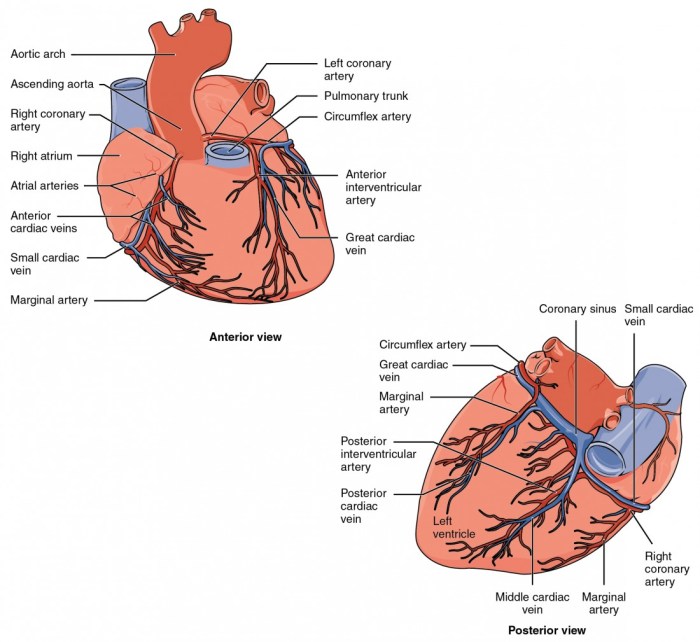
    Heart disease is a broad term that encompasses various types of conditions affecting the heart’s structure and function. Understanding the anatomy of the heart and how these diseases affect it is crucial for implementing effective prevention strategies. The heart is a muscular organ responsible for pumping blood throughout the body, delivering oxygen and nutrients while removing waste products. When heart disease occurs, it can disrupt this vital process, leading to serious health complications.The heart consists of four main chambers: the right atrium, right ventricle, left atrium, and left ventricle.

    Blood flows through these chambers in a systematic cycle. Heart disease can affect any part of this process, leading to conditions such as coronary artery disease, heart failure, arrhythmias, and valvular heart disease. These conditions may arise from various causes, including genetic factors, lifestyle choices, and underlying health conditions.

    Types of Heart Disease and Their Causes

    Heart disease encompasses multiple types, each with distinct causes and implications for health. Understanding these can help individuals take proactive steps towards prevention. The most common types of heart disease include:

    • Coronary Artery Disease (CAD): This condition is caused by a buildup of plaque in the coronary arteries, leading to reduced blood flow to the heart muscle. Risk factors include high cholesterol, high blood pressure, smoking, and diabetes.
    • Heart Failure: Occurs when the heart cannot pump blood efficiently, often due to long-standing high blood pressure or damage from a heart attack.
    • Arrhythmias: These are irregular heartbeats that can occur due to a variety of factors, including stress, electrolyte imbalance, or underlying heart conditions.
    • Valvular Heart Disease: Involves damage to one of the heart’s valves, which can be congenital or caused by infections or degenerative changes.

    Role of Cholesterol and Blood Pressure in Heart Health

    Cholesterol and blood pressure are two critical factors for maintaining heart health. High levels of low-density lipoprotein (LDL) cholesterol, often referred to as “bad” cholesterol, can lead to plaque buildup in arteries, increasing the risk of heart disease. Conversely, high-density lipoprotein (HDL) cholesterol is considered “good” cholesterol as it helps remove LDL cholesterol from the bloodstream.Blood pressure is another vital aspect of heart health.

    Hypertension, or high blood pressure, forces the heart to work harder, leading to damage over time. Maintaining a healthy blood pressure is essential to reducing the risk of heart disease. Regular monitoring of both cholesterol and blood pressure levels can aid in early detection and management of potential heart health issues.

    Maintaining a balanced diet, exercising regularly, and managing stress are key strategies for controlling cholesterol and blood pressure levels.

    Implementing lifestyle changes, such as adopting a heart-healthy diet low in saturated fats and rich in fruits and vegetables, can significantly impact cholesterol levels. Regular physical activity helps to not only manage weight but also improve heart health. Additionally, understanding the importance of routine health check-ups can empower individuals to take charge of their heart health.

    Risk Factors for Heart Disease: Heart Disease Prevention Tips

    Heart disease remains one of the leading causes of death globally, making it crucial to understand the various risk factors that can contribute to its development. Identifying these factors allows individuals to take proactive steps towards prevention and management. This section delves into the common lifestyle choices, genetic influences, and medical conditions that can heighten the risk of heart disease.

    Lifestyle Factors Contributing to Heart Disease

    Several lifestyle choices can significantly impact heart health. Recognizing these factors can empower individuals to make healthier decisions. Key lifestyle contributors include:

    • Unhealthy Diet: A diet high in saturated fats, trans fats, cholesterol, and sodium can lead to the buildup of plaque in the arteries, increasing the risk of heart disease.
    • Lack of Physical Activity: Sedentary behavior is a major risk factor. Regular exercise helps maintain a healthy weight, lower blood pressure, and improve cholesterol levels.
    • Smoking: Tobacco use damages the blood vessels and can lead to the buildup of plaque, significantly increasing heart disease risk.
    • Excessive Alcohol Consumption: Drinking too much alcohol can raise blood pressure and contribute to heart failure and stroke.
    • Stress: Chronic stress may lead to unhealthy habits such as poor eating and increased smoking or drinking, which can adversely affect heart health.

    Genetics and Family History Impact

    Genetics plays a significant role in heart disease risk. Individuals with a family history of heart disease are often at a heightened risk. This risk is not solely determined by genetic factors; rather, it encompasses a combination of inherited traits and lifestyle choices. For instance, if parents or siblings have heart disease, the likelihood increases due to shared genetics, lifestyle habits, and environmental influences.

    “A family history of heart disease increases your risk, but it doesn’t mean you’re destined to face the same fate; lifestyle modifications can still make a difference.”

    Medical Conditions Associated with Increased Risk

    Certain medical conditions can exacerbate the likelihood of developing heart disease. Understanding these conditions is vital for early intervention and management. The following list highlights key medical issues associated with increased heart disease risk:

    • High Blood Pressure (Hypertension): This condition forces the heart to work harder, leading to damage of arteries and increased risk.
    • High Cholesterol: Elevated levels of LDL cholesterol can lead to plaque formation in arteries, narrowing them and restricting blood flow.
    • Diabetes: Diabetes increases the risk of heart disease significantly, as high blood sugar levels can damage blood vessels over time.
    • Obesity: Excess body weight is linked to hypertension, high cholesterol, and diabetes, all of which contribute to heart disease risk.
    • Chronic Kidney Disease: This condition is associated with cardiovascular disease, partly due to related hypertension and mineral imbalances.

    Nutrition and Heart Health

    Eating a heart-healthy diet is essential for maintaining cardiovascular health and preventing heart disease. A well-balanced diet helps manage cholesterol levels, blood pressure, and overall weight, making it a crucial factor in heart health. Understanding which foods nourish your heart and how to incorporate them into your daily meals can make a significant difference.A heart-healthy diet focuses on whole, unprocessed foods that are rich in nutrients.

    This includes a variety of fruits and vegetables, whole grains, lean proteins, and healthy fats. Adopting such dietary habits not only supports your heart but also enhances your overall well-being. Below are detailed food choices and a few recipe ideas that promote cardiovascular health.

    Heart-Healthy Food Choices

    Incorporating heart-healthy foods into your diet involves selecting items that are low in saturated fats, trans fats, cholesterol, and sodium. Here are some vital food groups and items to consider:

    • Fruits and Vegetables: Aim for a rainbow of colors on your plate. Berries, leafy greens, and citrus fruits are especially beneficial due to their high levels of antioxidants and vitamins.
    • Whole Grains: Choose whole grain bread, brown rice, quinoa, and oats. These provide fiber, which is important for reducing cholesterol levels.
    • Lean Proteins: Opt for fish rich in omega-3 fatty acids like salmon and mackerel, as well as plant-based proteins such as beans, lentils, and nuts.
    • Healthy Fats: Incorporate sources of healthy fats, such as olive oil, avocados, and nuts, while reducing saturated and trans fats found in red meat and processed foods.

    Heart-Healthy Recipes, Heart disease prevention tips

    Simple recipes can help you create delicious meals that support heart health. Here are a couple of heart-healthy recipes that use beneficial ingredients: Quinoa Salad with Spinach and Avocado:This dish is loaded with fiber and healthy fats. In a bowl, mix cooked quinoa, fresh spinach, diced avocado, cherry tomatoes, and a dressing made of olive oil and lemon juice. Sprinkle with nuts for added crunch.

    Salmon and Vegetable Stir-Fry:Pan-sear salmon fillets and serve them over a mix of sautéed broccoli, bell peppers, and carrots. Season with low-sodium soy sauce and ginger for a flavorful yet heart-healthy meal.

    Importance of Portion Control and Mindful Eating

    Portion control and mindful eating are pivotal in managing caloric intake and promoting heart health. Being mindful about what and how much you eat helps prevent overeating, which can lead to weight gain and increased cardiovascular risk. Understanding appropriate portion sizes is essential. Consider using smaller plates and bowls to help control servings naturally. Focus on listening to your body’s hunger cues rather than eating out of habit or boredom.

    “Mindful eating involves being present during meals, savoring each bite, and appreciating the flavors and textures of food, which can lead to healthier eating habits.”

    Adopting these strategies can significantly impact your heart health by ensuring you consume balanced meals without overindulging. By making informed choices about food and being mindful in your eating habits, you are taking vital steps towards heart disease prevention.

    Physical Activity Recommendations

    Heart disease prevention tips

    Source: publicdomainpictures.net

    Regular physical activity is essential for maintaining heart health and preventing heart disease. Engaging in the right types and amounts of exercise can significantly reduce the risk of cardiovascular issues while improving overall physical and mental well-being. This section presents a structured approach to physical activity, tailored specifically for heart disease prevention.

    Weekly Exercise Plan for Heart Health

    A well-rounded weekly exercise plan should balance aerobic exercises, strength training, and flexibility exercises. Here’s a sample schedule:

    Day Activity Duration
    Monday Aerobic exercise (e.g., brisk walking, cycling) 30 minutes
    Tuesday Strength training (e.g., bodyweight exercises, resistance bands) 30 minutes
    Wednesday Yoga or stretching 30 minutes
    Thursday Aerobic exercise (e.g., swimming, dancing) 30 minutes
    Friday Strength training (e.g., free weights, machines) 30 minutes
    Saturday Outdoor activities (e.g., hiking, playing sports) 1 hour
    Sunday Rest or light activity (e.g., walking, gentle yoga) As desired

    This plan includes a mix of aerobic activities to boost cardiovascular fitness, strength training to enhance muscular health, and flexibility exercises to improve mobility and prevent injuries.

    Types of Exercise and Their Benefits

    Different forms of exercise contribute uniquely to heart health. Understanding these benefits can help individuals choose their preferred activities:

    • Aerobic Exercise: Activities such as running, cycling, or swimming improve cardiovascular endurance and help lower blood pressure and cholesterol levels.
    • Strength Training: Exercises using weights or resistance bands increase muscle mass, boost metabolism, and improve insulin sensitivity, which is vital for heart health.
    • Flexibility and Balance Exercises: Practices like yoga and tai chi enhance flexibility, improve balance, and reduce stress, all of which can indirectly support heart health.
    • High-Intensity Interval Training (HIIT): Short bursts of intense exercise followed by rest periods are effective for improving cardiovascular fitness and burning calories quickly.

    Incorporating a variety of these exercises into your routine not only keeps workouts interesting but also addresses different aspects of physical health.

    Maintaining Motivation for Regular Exercise

    Staying motivated to exercise regularly can be challenging. Here are some strategies to help maintain enthusiasm and commitment to an exercise routine:

    • Set Realistic Goals: Establish achievable short-term and long-term fitness goals to track progress and celebrate milestones.
    • Find a Workout Buddy: Exercising with a friend or family member can increase accountability and make workouts more enjoyable.
    • Mix It Up: Vary your workouts by trying new exercises, classes, or outdoor activities to keep things fresh and engaging.
    • Track Your Progress: Keep a journal or use fitness apps to monitor your workouts, which can provide motivation through visible progress.
    • Reward Yourself: Set up a reward system for reaching your fitness goals, such as treating yourself to a new workout outfit or a relaxing spa day.

    Implementing these tips can help foster a sustainable and enjoyable exercise routine that supports heart health over the long term.

    Stress Management Techniques

    Stress plays a significant role in heart health, influencing both the cardiovascular system and overall wellness. Chronic stress can lead to high blood pressure and other heart disease risk factors. Understanding the connection between stress and heart disease is essential for everyone looking to maintain a healthy heart.Stress activates the body’s “fight or flight” response, leading to increased heart rate and blood pressure.

    Over time, these physiological changes can contribute to the development of heart disease. Keeping stress in check is not just about feeling better—it’s an important part of protecting your heart. Implementing effective stress management techniques can significantly lower your risk of heart-related issues.

    Incorporating Relaxation and Mindfulness

    Mindfulness and relaxation practices are powerful tools for managing stress. These techniques can help individuals stay grounded, maintain perspective, and enhance emotional resilience. Here are some effective methods:

    • Deep Breathing Exercises: Engaging in deep breathing can help calm the nervous system and reduce anxiety. A simple technique involves inhaling deeply through the nose, holding for a few seconds, and exhaling slowly through the mouth.
    • Progressive Muscle Relaxation: This method involves systematically tensing and relaxing different muscle groups, which can alleviate physical tension and promote relaxation.
    • Mindfulness Meditation: Spending a few minutes each day focusing on the present moment can reduce stress and improve mental clarity. Apps and guided sessions are available for beginners.
    • Yoga and Tai Chi: These practices combine physical movement with mindfulness and can enhance flexibility, strength, and relaxation. They are especially beneficial for heart health.

    Integrating these practices into your daily routine can provide a sense of calm and improve your overall health. Simple adjustments, like setting aside a few minutes each day for these activities, can make a profound difference.

    Benefits of Hobbies and Social Connections

    Engaging in hobbies and maintaining social connections are vital for heart health and stress reduction. Hobbies provide a break from routine and can significantly elevate mood. Activities such as painting, gardening, or playing a musical instrument promote relaxation and can lower stress levels.Social connections, on the other hand, foster a sense of belonging and support. Research shows that individuals with strong social networks tend to experience lower levels of stress and better overall health.

    Here’s how they contribute to heart health:

    • Emotional Support: Friends and family provide a cushion during tough times, helping to mitigate stress and anxiety.
    • Shared Activities: Engaging in physical activities with friends, like walking or biking, can enhance motivation and enjoyment.
    • Increased Happiness: Positive interactions and shared experiences can boost mental health, which is closely linked to heart health.

    Incorporating hobbies and nurturing social connections into daily life are essential strategies for reducing stress and promoting heart health. Creating time for these activities can lead to a more balanced, fulfilling life.

    Smoking and Heart Disease

    Smoking is a significant risk factor for developing heart disease, contributing to various cardiovascular issues. The harmful chemicals in tobacco smoke damage blood vessels, raise heart rate, and decrease the amount of oxygen in the blood, leading to an increased risk of heart attacks and strokes. Understanding the impact of smoking on heart health is crucial for effective prevention and management of heart disease.

    Effects of Smoking on Cardiovascular Health

    Smoking negatively affects cardiovascular health in several ways. It leads to the buildup of plaque in the arteries, which narrows them and restricts blood flow. This can result in atherosclerosis, increasing the risk of heart attacks. Additionally, smoking raises blood pressure and increases heart rate, putting more strain on the heart. The carbon monoxide in cigarette smoke reduces the amount of oxygen that blood can carry, further stressing the heart and contributing to its overall decline.

    Strategies for Quitting Smoking

    Quitting smoking is a crucial step towards improving heart health. There are various strategies that can help individuals kick the habit:

    • Set a Quit Date: Choose a specific date to stop smoking and prepare for it mentally and emotionally.
    • Seek Support: Engage with support groups or professional counseling to stay motivated and accountable.
    • Use Nicotine Replacement Therapy: Consider patches, gum, or lozenges to manage withdrawal symptoms.
    • Identify Triggers: Recognize and avoid situations that trigger the urge to smoke, such as social events or stressful situations.
    • Stay Active: Engage in physical activities to distract from cravings and reduce stress.

    Resources for Support

    Numerous resources are available to assist individuals in their journey to quit smoking. Local health departments often provide programs and materials. The National Cancer Institute offers a quitline, while various mobile apps and websites provide guidance and tracking tools. Accessibility to these resources can significantly boost the chances of successfully quitting smoking.

    Benefits of Being Smoke-Free

    The benefits of quitting smoking extend beyond improved cardiovascular health. When an individual stops smoking, the heart begins to heal almost immediately. Within just 20 minutes, heart rate drops; after a few months, the risk of heart disease decreases significantly.

    “Quitting smoking can reduce the risk of heart disease by 50% within one year.”

    Additionally, being smoke-free improves overall health, increases energy levels, and enhances the quality of life. Long-term, the chances of developing various chronic diseases, including heart disease, drastically decrease.

    Regular Health Screenings

    Heart disease prevention tips

    Source: amazonaws.com

    Regular health screenings play a crucial role in the early detection and prevention of heart disease. They help identify potential risk factors and existing conditions before they escalate into serious health issues. Staying proactive with your heart health can significantly improve outcomes and enhance your overall well-being.Essential health screenings are designed to assess various aspects of cardiovascular health, enabling individuals to make informed decisions regarding their lifestyle and medical care.

    The following key tests are integral to monitoring heart health:

    Essential Health Screenings for Heart Health

    These screenings are vital for understanding your heart’s condition and overall risk for heart disease. They include:

    • Blood Pressure Measurement: Regular checks help detect hypertension early, an important risk factor for heart disease.
    • Cholesterol Levels: A lipid panel measures total cholesterol, LDL, HDL, and triglycerides, informing you of your heart disease risk.
    • Blood Glucose Testing: High blood sugar can increase the risk of heart disease; regular checks help manage and prevent diabetes.
    • Body Mass Index (BMI): Monitoring BMI helps assess weight-related risks, including obesity, which can affect heart health.
    • Electrocardiogram (ECG): This test assesses the heart’s electrical activity, helping detect arrhythmias or signs of past heart attacks.
    • Stress Test: Conducted under controlled conditions, this test evaluates how the heart responds to physical exertion.

    The frequency of these screenings can vary based on individual health status and risk factors. Here’s a recommended timeline for regular check-ups and tests related to heart health:

    Recommended Timeline for Health Screenings

    Establishing a consistent schedule for heart health screenings is essential. The following timeline can serve as a guideline:

    • Annually: Blood pressure, cholesterol levels, and BMI should be checked every year for most adults.
    • Every 3 to 5 years: Blood glucose testing should be conducted, particularly for those over 45 or at high risk.
    • Every 5 years: A comprehensive lipid panel is recommended for adults over 20, or more frequently if you have high cholesterol.
    • As advised: An ECG or stress test may be recommended based on personal health history or symptoms.

    Interpreting the results of heart health screenings is crucial for understanding your risks and taking appropriate actions. Here are key points to consider when reviewing results:

    Interpreting Heart Health Screening Results

    Understanding your screening results empowers you to make informed decisions about your heart health. Here’s what to look for:

    • Blood Pressure: Normal is below 120/80 mmHg. Higher readings indicate potential hypertension, requiring lifestyle changes or medication.
    • Cholesterol Levels: Total cholesterol should be below 200 mg/dL. Pay attention to LDL (bad cholesterol), which should be less than 100 mg/dL, while HDL (good cholesterol) should be 60 mg/dL or higher.
    • Blood Glucose: Fasting levels should be below 100 mg/dL. Higher levels may indicate prediabetes or diabetes.
    • BMI: A BMI between 18.5 and 24.9 is considered healthy. Values above indicate overweight or obesity, increasing heart disease risks.

    “Regular health screenings are your first line of defense against heart disease, helping you stay informed and proactive.”

    By adhering to a structured screening schedule and effectively interpreting your results, you can take significant steps toward maintaining a healthy heart and preventing disease.

    Community and Support Systems

    Community plays a vital role in promoting heart health awareness and prevention strategies. Engaging with local programs not only fosters education around heart disease but also creates a supportive environment where individuals can share experiences and encourage each other toward healthier lifestyles. Community initiatives often provide resources that individuals may not access on their own, making them essential in the fight against heart disease.Various community programs are designed to enhance heart health awareness.

    Here are some examples of initiatives that demonstrate the effectiveness of collective action in preventing heart disease:

    • Health fairs that offer free screenings, educational workshops, and access to healthcare professionals help individuals understand their risk factors.
    • Community-based exercise programs, such as walking clubs or group fitness classes, promote physical activity while fostering relationships among participants.
    • Nutrition workshops that teach cooking skills and meal planning provide valuable information on heart-healthy eating.
    • Fundraising events, such as heart walks or runs, raise awareness and funds for heart health research, bringing the community together for a common cause.

    Support Groups for Individuals at Risk of Heart Disease

    Support groups serve as a lifeline for individuals at risk of heart disease. They provide a safe space for people to share their fears, challenges, and successes. These groups often include a mix of educational content and emotional support, creating a holistic approach to heart health management. The importance of family involvement in heart disease prevention strategies cannot be overstated.

    Family members can influence lifestyle choices significantly, making their participation crucial. Here are key points on the role of family in heart disease prevention:

    • Support from family encourages healthier eating habits and regular physical activity. When families engage in these behaviors together, it helps to normalize them.
    • Open communication about heart health can foster a culture of awareness and proactive health management within the family unit.
    • Family members can help monitor each other’s health through regular check-ins, ensuring that everyone stays informed about their risk factors.
    • Shared goals, such as participating in community events or challenges, can create motivation and strengthen family bonds.

    Conclusive Thoughts

    In conclusion, prioritizing heart disease prevention is a vital step towards enhancing not just longevity but also quality of life. By embracing healthy habits, staying active, managing stress, and regularly checking in with healthcare professionals, we take proactive measures to protect our hearts. Remember, every small effort counts, and with the right knowledge and support, we can greatly reduce the risk of heart disease and enjoy a vibrant, active lifestyle.

    FAQ Resource

    What are the most common signs of heart disease?

    Common signs include chest pain, shortness of breath, fatigue, and irregular heartbeat.

    How often should I get screened for heart disease?

    It’s recommended to have health screenings at least once a year, but consult your doctor for personalized advice.

    Can heart disease be reversed?

    While it may not be fully reversible, lifestyle changes can significantly improve heart health and reduce symptoms.

    How does stress affect heart health?

    Chronic stress can lead to high blood pressure and unhealthy habits, increasing the risk of heart disease.

    Are there specific diets that help prevent heart disease?

    Yes, diets rich in fruits, vegetables, whole grains, and healthy fats, like the Mediterranean diet, are beneficial for heart health.