Category: Mental Health

  • Online therapy for depression a modern approach to healing

    Online therapy for depression is revolutionizing how we approach mental health care. With advancements in technology, therapy is no longer confined to traditional settings, making it more accessible to those in need. This shift allows individuals to seek help from the comfort of their homes, breaking down barriers that may have previously hindered them from pursuing treatment.

    The rise of online therapy has opened various avenues for support, offering different modalities to cater to diverse preferences and needs. From video sessions to chat-based therapy, these options provide flexibility and convenience, making it easier for individuals to engage in their mental health journey. As online therapy continues to evolve, it offers promising solutions for those struggling with depression.

    Introduction to Online Therapy for Depression

    Online therapy for depression

    Source: ec-orange.jp

    Online therapy, also known as teletherapy or e-therapy, is a form of mental health treatment delivered through digital platforms, allowing individuals to engage with therapists via video calls, phone calls, or messaging. Its relevance in treating depression has surged, especially as more people seek immediate and flexible support. With the rise of mental health awareness, the need for accessible and effective treatment options has become paramount, making online therapy a significant player in the mental health landscape.The benefits of online therapy compared to traditional face-to-face therapy are numerous.

    For many individuals, the convenience of accessing therapy from the comfort of their own home can significantly reduce anxiety associated with in-person visits. Online therapy also tends to offer greater scheduling flexibility, making it easier to fit sessions into busy lives. Furthermore, the anonymity that online therapy provides can encourage individuals to seek help without the fear of stigma often associated with mental health issues.

    Accessibility of Online Therapy for Individuals with Depression

    The accessibility of online therapy is one of its most compelling advantages, particularly for those dealing with depression. Many individuals facing depression may find it challenging to leave their homes, engage in social interactions, or even seek out traditional therapy due to feelings of hopelessness or low energy. Online therapy removes many of these barriers, making mental health support reachable.Several factors contribute to the enhanced accessibility of online therapy:

    • Geographical Reach: Online therapy enables individuals in remote or underserved areas to connect with licensed therapists who may not be available locally. This broadens the scope of available support.
    • Flexible Scheduling: Clients can schedule sessions at times that work best for them, accommodating different time zones and personal commitments.
    • Diverse Therapeutic Options: Online therapy platforms often provide a range of therapy styles and specialties, allowing individuals to find a therapist who aligns with their specific needs and preferences.
    • Cost-Effectiveness: Many online therapy services offer more affordable rates than traditional in-person sessions, which can help those facing financial constraints to access critical support.

    The incorporation of technology into mental health care, particularly for treating depression, has demonstrated promising outcomes. Research indicates that online therapy can be as effective as traditional face-to-face therapy, providing essential support and coping strategies for individuals struggling with depressive symptoms.

    “Online therapy offers a unique opportunity to bridge the gap between those in need and quality mental health support, ensuring that help is just a click away.”

    Types of Online Therapy Options

    Online therapy has evolved significantly, offering diverse modalities tailored to individual needs, especially for those dealing with depression. These options allow users to engage with mental health professionals from the comfort of their homes, providing flexibility and accessibility that traditional therapy may not offer. Understanding the different types of online therapy can help individuals choose the best fit for their situation.

    Modalities of Online Therapy

    The following are popular modalities of online therapy that cater to various preferences and comfort levels:

    • Video Therapy: This approach mimics traditional face-to-face therapy by allowing patients and therapists to interact through a video conferencing platform. It enables real-time communication and visual cues, fostering a more personal connection.
    • Chat Therapy: This method involves text-based communication between the therapist and the client. It can be synchronous (real-time chats) or asynchronous (messages exchanged over time), making it a convenient option for those who may feel anxious during live sessions.
    • Voice Therapy: This modality allows clients to communicate with therapists via voice calls. It provides a more personal touch than text-based options while still maintaining the flexibility of online therapy.
    • Self-Help Programs: These often include pre-recorded video sessions, interactive courses, or guided exercises accessible online. They can serve as supplementary tools alongside other therapy forms, providing users with additional resources to manage their depression.

    Cognitive Behavioral Therapy in Online Settings

    Cognitive Behavioral Therapy (CBT) is a widely utilized therapeutic approach for treating depression and can be effectively delivered in an online format. CBT focuses on identifying and challenging negative thought patterns and behaviors that contribute to depressive symptoms.One of the strengths of CBT in online therapy is its structured approach. It typically involves:

    • Identifying negative thoughts: Clients learn to recognize unhelpful thoughts that affect their mood.
    • Challenging these thoughts: Therapists guide clients to evaluate the validity of their thoughts and replace them with more constructive thinking.
    • Behavioral activation: Clients are encouraged to engage in activities that promote positive feelings and interactions.

    Evidence suggests that CBT delivered online can be as effective as in-person therapy. A meta-analysis indicated that participants receiving online CBT reported significant improvements in depressive symptoms, comparable to those receiving traditional therapy.

    Effectiveness of Various Online Therapy Methods

    The effectiveness of different online therapy methods can vary based on individual preferences and circumstances. Studies have shown that while all methods can be beneficial, some may resonate better with certain individuals.A few key points regarding the effectiveness of online therapy methods include:

    • Video Therapy: Often preferred for its personal touch, video therapy has been found to foster a stronger therapeutic alliance, which can enhance treatment outcomes.
    • Chat Therapy: This option can be particularly effective for those experiencing anxiety about speaking directly to a therapist, as it allows for reflection before responding. Clients often report feeling more comfortable expressing thoughts and feelings through text.
    • Self-Help Programs: While these can be effective for some, they are best utilized as a supplement to more interactive therapy rather than a standalone solution, particularly for moderate to severe depression.

    In conclusion, the choice of online therapy modality should reflect the individual’s comfort level and specific needs. Each type offers unique advantages, and understanding these can empower individuals to make informed decisions about their mental health care.

    Platforms and Tools for Online Therapy

    The rise of online therapy has brought a plethora of platforms and tools designed to assist individuals grappling with depression. These platforms vary in features, accessibility, and user experience, making it crucial for clients to find one that suits their needs. Understanding the options available can significantly enhance the therapeutic experience and foster a supportive environment.Different online therapy platforms come equipped with unique functionalities, making them appealing to diverse client preferences.

    Here are some of the most popular platforms currently available, each offering distinct features that cater to various needs.

    Popular Online Therapy Platforms

    When choosing an online therapy platform, it is essential to consider factors such as user interface, therapist qualifications, and availability of resources. Below is a list of notable platforms along with their significant features.

    • BetterHelp: Offers unlimited messaging and live sessions with licensed therapists. It supports various communication methods, including chat, video, and phone calls.
    • Talkspace: Features tailored therapy plans with licensed therapists, allowing for text, audio, and video options. It also provides potential matches based on client preferences.
    • 7 Cups: Provides free emotional support chat and affordable therapy services with trained listeners and licensed therapists.
    • Regain: Focuses on relationship and couples therapy, offering personalized matching with therapists specializing in relationship issues.
    • Pride Counseling: Specifically designed for the LGBTQ+ community, providing a secure space with therapists who understand the unique challenges faced by LGBTQ+ individuals.

    Comparison of Online Therapy Platforms

    A clear comparison of the features, pros, and cons of each platform can help clients make informed decisions. The following table Artikels the key aspects of selected platforms.

    Platform Pros Cons
    BetterHelp User-friendly interface, diverse communication options, and a large pool of therapists. Subscription-based, may not be covered by insurance.
    Talkspace Personalized therapy plans and various communication types. Higher cost compared to some other platforms.
    7 Cups Free support options, accessibility, and community focus. Limited access to licensed therapists for paid therapy.
    Regain Specialized in couples therapy with a focus on relationship dynamics. Limited to relationship-focused therapy.
    Pride Counseling Culturally sensitive support for LGBTQ+ individuals. May not address all mental health issues outside LGBTQ+ scope.

    Importance of User-Friendly Interfaces

    A user-friendly interface is critical in online therapy platforms as it directly impacts the client’s ability to engage with the therapy process. An intuitive design enhances accessibility, allowing clients to navigate the platform effortlessly. For many individuals seeking therapy, especially those dealing with depression, overwhelming interfaces can detract from the therapeutic experience. The ability to easily access sessions, resources, and communication tools fosters a sense of comfort and safety, encouraging clients to participate actively in their healing journey.

    Therefore, choosing a platform that prioritizes user experience is paramount for achieving the best therapeutic outcomes.

    The Role of Therapists in Online Settings

    (PDF) ‘Online social support seeking gratifications in a Turkish cancer ...

    Source: craft.do

    The transition to online therapy has reshaped the way therapists interact with their clients. Working in a virtual environment requires a unique set of adaptations to ensure that therapy remains effective. Therapists must develop new skills and techniques to facilitate communication and foster connection, despite the physical distance. This section delves into how therapists adapt their practices, the necessary qualifications they should possess, and the ethical considerations they face in the realm of online therapy.

    Adaptation of Therapists’ Approaches for Online Sessions

    Therapists need to modify their traditional methods to suit the online format. This adaptation includes creating a comfortable virtual atmosphere, utilizing technology effectively, and maintaining engagement throughout the session. To ensure a productive experience, therapists often employ the following strategies:

    • Establishing Rapport: Building trust and connection with clients can be more challenging online. Therapists often use open-ended questions and active listening techniques to create an inviting space.
    • Utilizing Technology: Therapists are encouraged to use various digital tools such as video conferencing software, chat functions, and shared documents, which enhance communication and keep clients engaged.
    • Flexibility in Session Structure: Online sessions may require therapists to be flexible with their approach, adapting to clients’ comfort levels and the dynamics of the digital environment.

    Qualifications and Training for Online Therapy

    The qualifications necessary for therapists practicing online therapy are similar to those for in-person sessions, with specific emphasis on understanding digital communication. Key qualifications include:

    • Licensure: Therapists must be licensed in their respective states to provide online therapy legally.
    • Training in Telehealth: Completion of specialized training or certification in teletherapy is essential for understanding the nuances of online interactions.
    • Familiarity with Technology: Proficiency in using technology effectively and securely is crucial for maintaining client confidentiality and ensuring seamless communication.

    Ethical Considerations in Online Therapy

    Therapists face numerous ethical dilemmas when conducting therapy online, necessitating a thorough understanding of best practices. These considerations include:

    • Confidentiality: Maintaining client confidentiality is paramount, with therapists needing to ensure that all digital interactions are secure and compliant with privacy laws.
    • Informed Consent: Therapists must clearly communicate the limits and procedures of online therapy, ensuring clients understand their rights and the nature of the therapeutic relationship.
    • Emergency Protocols: Therapists should have clear guidelines for addressing emergencies or crises, including emergency contact protocols and local resources for clients in distress.

    Effectiveness of Online Therapy for Depression

    Recent studies indicate that online therapy can be as effective as traditional face-to-face therapy for treating depression. With the growing acceptance of digital health solutions, especially in the wake of the pandemic, an increasing number of individuals are turning to online therapy to manage their mental health. This shift has prompted researchers to explore the effectiveness of online interventions in various contexts, yielding a range of compelling findings.Research conducted by the American Psychological Association revealed that approximately 75% of individuals who engage in online therapy report significant improvements in their symptoms of depression.

    A systematic review published in the journal “Psychological Bulletin” analyzed multiple studies and found that online cognitive behavioral therapy (CBT) leads to moderate to large reductions in depression symptoms, similar to those achieved through in-person therapy. This effectiveness is attributed to the accessibility and convenience of online platforms, which allow individuals to seek help without the barriers often associated with traditional therapy settings.

    Recent Case Studies of Successful Online Therapy Outcomes

    Several case studies highlight successful online therapy outcomes for individuals dealing with depression. These cases illustrate the range of experiences and effectiveness of various online therapeutic approaches.One notable example is a case published in the “Journal of Affective Disorders” where a 29-year-old woman with severe depression utilized an online CBT program. Over 12 weeks, she engaged in structured sessions that included interactive exercises and video calls with a therapist.

    By the end of the program, her depression score decreased significantly, showcasing a transition from severe to mild symptoms.Another case involved a 40-year-old man who struggled with chronic depression and had difficulty attending in-person therapy due to his work schedule. Through an online platform, he participated in weekly therapy sessions and achieved substantial improvements in his mood and coping skills over a six-month period.

    His case emphasizes how online therapy can cater to individual needs, making mental health care more accessible.

    Challenges and Limitations in the Effectiveness of Online Therapy, Online therapy for depression

    Despite the promising effectiveness of online therapy, there are challenges and limitations that can impact outcomes. Understanding these barriers is crucial for both practitioners and clients.One challenge is the potential lack of personal connection that some individuals may experience during online interactions, which can hinder the therapeutic alliance. A strong emotional bond is often essential for effective therapy, and the virtual format may not resonate with everyone.

    Additionally, technological issues such as poor internet connectivity or unfamiliarity with digital platforms can disrupt sessions, leading to frustration and disengagement. A study from the “Journal of Medical Internet Research” noted that clients with lower technological literacy often reported less satisfaction with their therapy experience.Furthermore, the absence of non-verbal cues can limit therapists’ ability to fully assess clients’ emotional states.

    While video calls provide some visual interaction, subtle body language cues that typically occur in person may be overlooked in a virtual setting. This limitation can affect the therapist’s ability to tailor interventions effectively.In summary, while online therapy for depression has proven effective for many, it is essential to remain aware of the challenges inherent in this format to maximize its benefits and ensure the best possible outcomes for clients.

    Patient Experience in Online Therapy

    The experience of individuals engaging in online therapy for depression can vary widely, reflecting personal circumstances, preferences, and the specific characteristics of the online therapy environment. In many cases, online therapy has provided a lifeline for those who may have found accessing traditional face-to-face therapy challenging. The flexibility, accessibility, and comfort of receiving therapy from home have led to positive testimonies from many patients.The emotional and psychological factors contributing to patient satisfaction in online therapy are multifaceted.

    Key influences include the sense of safety and privacy that many individuals feel when communicating from their own space, as well as the convenience of scheduling sessions around their daily lives. Additionally, the anonymity offered by online platforms can reduce the stigma associated with seeking mental health support, making it easier for individuals to express their feelings openly.

    Testimonials and Personal Experiences

    Numerous individuals have shared their positive experiences with online therapy. For example, one patient remarked, “I never thought I could talk about my feelings so openly until I tried online therapy. Being in my own space helped me feel more comfortable.” Another individual shared, “I love that I can have sessions during my lunch break or after work. It fits perfectly into my lifestyle.”Such testimonials underscore the importance of accessibility and comfort in enhancing the therapeutic experience.

    Many patients report that the ability to choose their environment made it easier for them to engage fully in the therapeutic process.

    Factors Influencing Patient Satisfaction

    Emotional and psychological factors play a significant role in how satisfied patients feel with their online therapy experience. Trust in the therapist, the effectiveness of the communication method, and the perceived progress in therapy all contribute to overall satisfaction. It’s essential for therapists to foster a strong rapport with their clients, even in a virtual setting, as this connection can significantly impact the therapeutic outcome.

    Tips for Maximizing the Online Therapy Experience

    To enhance the effectiveness of online therapy, clients can adopt various strategies. Implementing these tips can lead to a more productive and fulfilling therapeutic journey:

    Create a Comfortable Space

    Ensure that your session environment is quiet and private, allowing for open and honest communication.

    Be Consistent

    Regularly schedule sessions to establish a routine, which can help reinforce the habit of engaging in therapy.

    Prepare for Sessions

    Before each meeting, take some time to jot down thoughts or concerns you want to address. This can help guide the conversation.

    Be Open and Honest

    Transparency with your therapist about your feelings and experiences can foster a better understanding and more effective treatment.

    Utilize Technology Effectively

    Familiarize yourself with the platform or app being used for therapy to minimize technical issues during sessions.

    Set Goals

    Work with your therapist to establish clear, achievable goals for your therapy journey to monitor progress over time.Implementing these strategies can significantly enhance the effectiveness of online therapy, making it a valuable tool for managing depression and improving mental health.

    Future of Online Therapy for Depression

    Online therapy for depression

    Source: cloudinary.com

    As the digital landscape continues to evolve, the future of online therapy for depression appears promising and transformative. With advancements in technology and a growing understanding of mental health needs, online therapy is set to become more accessible, personalized, and effective. This section explores anticipated trends and innovations that could shape the realm of online therapy in the coming years.

    Predicted Trends and Advancements in Online Therapy Technology

    The integration of advanced technologies into online therapy is expected to enhance the quality and effectiveness of mental health services. Innovations that are anticipated to play a significant role include:

    • Increased Use of Artificial Intelligence: AI-powered platforms can analyze patient data to provide personalized treatment recommendations. For instance, chatbots may offer immediate support and help therapists monitor patient progress more efficiently.
    • Telehealth Integration: As healthcare systems continue to embrace telehealth, online therapy will likely integrate more seamlessly with overall health services, allowing for a holistic approach to treatment.
    • Improved Accessibility: The expansion of internet access and mobile technology will make online therapy available to previously underserved populations, ensuring that more individuals can receive the help they need.

    Impact of Virtual Reality and AI on Online Therapy Practices

    Virtual reality (VR) and artificial intelligence (AI) are poised to revolutionize online therapy practices dramatically. With immersive environments and realistic simulations, VR can provide unique therapeutic experiences, especially for anxiety and phobia treatments. For example, a patient could confront their fears in a controlled virtual setting, guided by a therapist, which can enhance exposure therapy outcomes.AI can enhance therapeutic interactions by facilitating a more personalized approach.

    Algorithms can analyze behavioral patterns and provide therapists with insights into their clients’ emotional states, allowing for tailored interventions that cater to individual preferences and needs.

    Potential Improvements for Online Therapy Services

    As the field of online therapy evolves, several potential improvements can enhance service delivery and patient outcomes. These advancements may include:

    • Enhanced Data Security: With growing concerns about privacy, improving data protection measures will be crucial to gaining patient trust.
    • Integration of Wearable Technology: Devices that monitor physiological responses could provide therapists with real-time data about a patient’s mental state, informing treatment decisions.
    • Customization of Therapy Plans: Advances in machine learning may allow for even more personalized therapy plans based on individual progress and preferences.
    • Community Building Features: Online therapy platforms may incorporate forums or support groups to foster a sense of community among users, facilitating peer support alongside professional guidance.

    Closure

    In summary, online therapy for depression presents an innovative and effective alternative to traditional therapeutic methods. With its variety of options and accessibility, it continues to gain traction as a reliable resource for individuals seeking help. As we look to the future, the integration of technology in therapy paves the way for continued improvement in mental health care.

    Popular Questions: Online Therapy For Depression

    What is online therapy for depression?

    Online therapy for depression refers to mental health treatment conducted via digital platforms, allowing therapists and clients to connect remotely.

    Is online therapy as effective as in-person therapy?

    Research suggests that online therapy can be equally effective as in-person therapy for treating depression, depending on the individual’s needs and circumstances.

    How do I choose the right online therapy platform?

    Consider factors such as the type of therapy you prefer, therapist qualifications, platform features, privacy policies, and user reviews when selecting a platform.

    Can I switch therapists in online therapy?

    Yes, most online therapy platforms allow clients to switch therapists if they feel a different approach or connection would be more beneficial.

    How do I ensure my privacy during online therapy?

    Choose platforms with strong encryption and privacy policies, and avoid sharing sensitive information over unsecured networks.

    What should I do if I experience technical issues during a session?

    If you encounter technical problems, try reconnecting or contacting the platform’s support team for assistance.
  • CBT therapy for anxiety understanding and effectiveness

    CBT therapy for anxiety offers a powerful approach to understanding and managing anxiety disorders through cognitive restructuring and behavioral techniques. This therapeutic method, rooted in psychological principles, has evolved over decades into a go-to treatment for various anxiety-related issues, including generalized anxiety disorder, panic disorder, and social anxiety. With its focus on modifying negative thought patterns and behaviors, CBT not only helps individuals confront their fears but also provides them with practical tools to navigate daily challenges, making it a vital resource in mental health care.

    As we explore the nuances of CBT therapy for anxiety, we will delve into the different types of anxiety disorders it addresses, the key techniques used, and the importance of personalizing the approach to meet individual needs. From understanding the role of homework in reinforcing learning to discussing the benefits and limitations of CBT, this overview aims to shed light on how this therapy empowers individuals to reclaim their lives from anxiety.

    Introduction to CBT Therapy

    Cognitive Behavioral Therapy (CBT) is a prominent evidence-based psychological treatment that focuses on the interconnections between thoughts, feelings, and behaviors. It operates on the premise that our thoughts influence our emotions and behaviors, and by changing negative thought patterns, we can improve our emotional responses and actions. This approach is particularly effective for anxiety disorders, where dysfunctional thinking often contributes to heightened feelings of fear and distress.

    CBT’s structured nature and active participation from clients make it a practical choice for addressing anxiety challenges.

    The development of CBT can be traced back to the 1960s, pioneered by psychologists like Aaron Beck and Albert Ellis. Initially stemming from behavioral and cognitive theories, CBT evolved over the years to incorporate various techniques, including exposure therapy, cognitive restructuring, and mindfulness strategies. It has gained widespread acceptance as a reliable method for treating anxiety, with numerous studies supporting its effectiveness.

    For instance, meta-analyses indicate that CBT significantly reduces anxiety symptoms in various populations, making it a first-line treatment option for anxiety disorders.

    Core Principles of CBT

    Understanding the core principles of CBT is essential for grasping its effectiveness in treating anxiety disorders. The therapy is grounded in the following key concepts:

    • Cognitive Restructuring: This involves identifying and challenging negative thought patterns, enabling clients to replace them with more balanced and constructive thoughts.
    • Behavioral Activation: This principle focuses on encouraging clients to engage in activities that align with their values and interests, thereby reducing avoidance behaviors commonly associated with anxiety.
    • Exposure Therapy: Gradual exposure to feared situations or stimuli helps clients confront their anxieties in a controlled manner, reducing avoidance and desensitizing the fear response.
    • Self-Monitoring: Clients are taught to track their thoughts, feelings, and behaviors, facilitating greater awareness and insight into their anxiety triggers.

    The effectiveness of these principles lies in their ability to help clients develop coping strategies and resilience, allowing them to manage their anxiety in real-world situations. Through guided practice, individuals learn how to apply these skills autonomously, leading to long-term improvements in their mental health.

    Psychological Mechanisms Behind CBT’s Effectiveness

    The effectiveness of CBT is rooted in several psychological mechanisms that underpin its therapeutic processes. These mechanisms help explain why CBT can lead to significant improvements in anxiety symptoms:

    • Thought-Emotion Connection: CBT emphasizes the link between thoughts and emotions, helping clients recognize how distorted thinking can lead to increased anxiety. By altering these thought patterns, clients often experience a corresponding decrease in anxious feelings.
    • Increased Coping Skills: Clients develop practical skills and strategies to cope with anxiety, empowering them to face challenges head-on. This leads to enhanced self-efficacy and confidence in their ability to manage stressors.
    • Neuroplasticity: Engaging in new cognitive and behavioral patterns can alter brain connections, a process known as neuroplasticity. This means that through consistent practice in CBT, clients can create new, healthier pathways in their brains, reducing anxiety responses over time.
    • Desensitization: Regular exposure to anxiety-provoking situations, as practiced in CBT, helps diminish the emotional response over time. Clients learn that their fears are often unfounded, leading to reduced anxiety levels.

    These mechanisms highlight how CBT operates not only on a behavioral level but also affects cognitive processes and emotional regulation, ultimately leading to lasting change in individuals struggling with anxiety disorders.

    Types of Anxiety Disorders Treated with CBT: CBT Therapy For Anxiety

    Cognitive Behavioral Therapy (CBT) is a highly effective treatment method for a range of anxiety disorders. By addressing the thoughts and behaviors that contribute to anxiety, CBT helps individuals develop healthier coping mechanisms. The following sections delve into several common anxiety disorders that can benefit from CBT, illustrating how the therapy is tailored to each specific condition.

    Generalized Anxiety Disorder (GAD)

    Generalized Anxiety Disorder is characterized by persistent and excessive worry about various life aspects, such as work, health, and social interactions. CBT for GAD focuses on helping patients identify and challenge their anxious thoughts, promoting more realistic and balanced perspectives. A common technique used in CBT for GAD is cognitive restructuring, where individuals learn to replace negative thoughts with more constructive ones.For example, a case study involving a 30-year-old woman with GAD demonstrated significant improvement after undergoing CBT.

    She learned to recognize her tendency to catastrophize mundane situations. With the support of her therapist, she practiced reframing these thoughts, resulting in reduced anxiety levels and improved daily functioning.

    Panic Disorder

    Panic disorder involves recurrent and unexpected panic attacks, leading to intense fear and avoidance behaviors. CBT for panic disorder often includes exposure therapy, where patients gradually face situations that trigger their panic attacks in a controlled environment. This helps desensitize them to the fear response associated with these situations.A notable case study involved a 25-year-old man who experienced debilitating panic attacks in crowded places.

    Through CBT, he was gradually exposed to these environments while practicing relaxation techniques. Over time, he developed the confidence to navigate crowded areas without panic, illustrating the effectiveness of CBT in treating panic disorder.

    Social Anxiety Disorder

    Social Anxiety Disorder is marked by an overwhelming fear of social situations, often leading to avoidance. CBT for social anxiety focuses on addressing the distorted beliefs about social interactions and promoting social skills. Techniques such as role-playing and exposure to social settings are commonly employed.An example of successful CBT treatment for social anxiety involved a 22-year-old college student who feared speaking in class.

    After engaging in CBT, she practiced speaking in front of small groups and received feedback from her therapist. Over the course of treatment, she gained confidence and was able to participate actively in class discussions, showcasing the positive outcomes of CBT for social anxiety.

    Specific Phobias

    Specific phobias entail intense fear of particular objects or situations, such as heights or spiders. CBT addresses these fears through gradual exposure and cognitive restructuring strategies. Individuals learn to challenge their irrational beliefs about the feared object and replace them with more realistic thoughts.A case study of a 40-year-old woman with a phobia of flying exemplified the effectiveness of CBT.

    Through a structured exposure plan that began with watching videos of planes, she gradually progressed to visiting an airport and eventually took a flight. Her successful journey illustrates the transformative potential of CBT for overcoming specific phobias.

    Key Techniques Used in CBT for Anxiety

    CBT therapy for anxiety

    Source: therapy-central.com

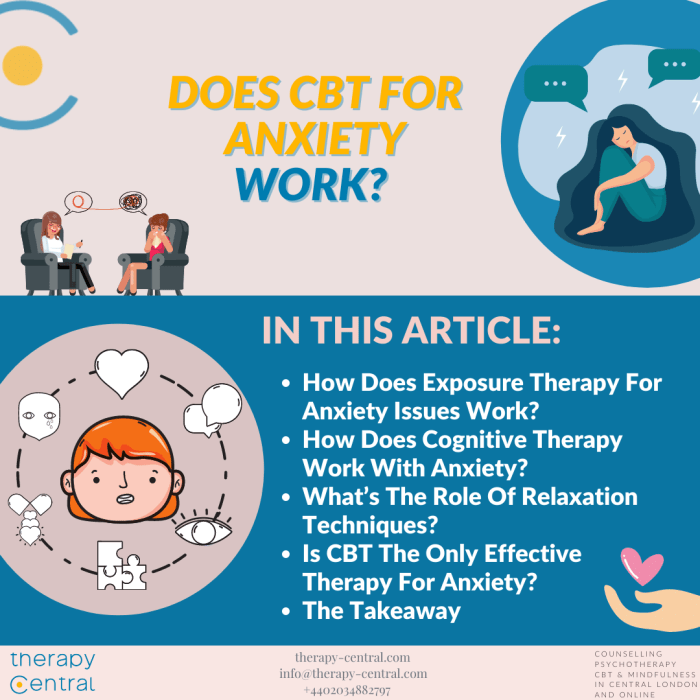
    Cognitive Behavioral Therapy (CBT) offers a structured approach to managing anxiety by employing various techniques that target thought patterns and behaviors. These methods help individuals shift their perspectives and develop coping strategies to reduce anxiety symptoms effectively. Understanding these techniques is vital for anyone looking to gain better control over their anxiety.CBT utilizes a range of techniques, among which cognitive restructuring and exposure therapy are the most common.

    Cognitive restructuring involves identifying and challenging negative thought patterns that contribute to anxiety. Conversely, exposure therapy is a technique aimed at gradually confronting fears in a controlled manner, helping clients reduce their sensitivity to anxiety-provoking stimuli.

    Cognitive Restructuring

    Cognitive restructuring is a fundamental technique in CBT that focuses on changing negative thought patterns. This process involves recognizing irrational or distorted thoughts and replacing them with more balanced and realistic perspectives. By altering these cognitive distortions, clients can reduce their anxiety levels significantly.

    Exposure Therapy

    Exposure therapy is another core technique in CBT, designed to help individuals face their fears in a safe environment. This gradual exposure helps reduce the power that anxiety triggers hold over a person. The process involves systematic desensitization, where clients are exposed to the feared object or situation incrementally.

    Table of CBT Techniques

    The following table Artikels common CBT techniques used in anxiety treatment, along with their definitions and applications:

    Technique Definition Application
    Cognitive Restructuring Identifying and challenging negative thoughts to replace them with balanced beliefs. Helps clients recognize distorted thinking patterns contributing to anxiety.
    Exposure Therapy A method that gradually exposes individuals to feared situations or stimuli. Reduces avoidance behavior and desensitizes clients to anxiety triggers.
    Behavioral Activation Encouraging engagement in positive activities to counteract anxiety. Enhances mood and reduces feelings of helplessness associated with anxiety.
    Mindfulness Techniques Practices that promote present-moment awareness and acceptance. Reduces rumination and helps manage anxiety symptoms effectively.

    Practical Exercises for Clients

    Engaging in practical exercises between therapy sessions can significantly enhance the effectiveness of CBT techniques. The following bullet-point list provides exercises that clients can practice:

    Thought Journaling

    Document anxious thoughts and identify cognitive distortions.

    Gradual Exposure

    Create a hierarchy of feared situations and start facing them step by step.

    Breathing Exercises

    Practice deep breathing techniques to reduce immediate anxiety symptoms.

    Mindfulness Meditation

    Spend a few minutes each day focusing on the present moment to enhance awareness and reduce anxiety.

    Positive Affirmations

    Write and recite affirmations to challenge negative self-talk and boost self-esteem.These techniques and exercises are essential components in the toolkit of anyone undergoing CBT for anxiety, fostering a proactive approach to managing symptoms and improving overall mental health.

    The Role of Homework in CBT

    Homework assignments play a critical role in Cognitive Behavioral Therapy (CBT), particularly for individuals dealing with anxiety. These tasks provide a bridge between therapy sessions, allowing clients to practice the skills and techniques they learn in a real-world context. When clients engage in homework, it reinforces the concepts discussed during therapy and fosters a greater understanding of how to manage their anxiety effectively.

    The consistency of practicing these skills outside of sessions is essential for making lasting changes.Homework assignments in CBT serve multiple purposes: they help clients confront their fears, test their beliefs, and develop coping strategies. By actively engaging with the material, clients can recognize patterns in their thoughts and behaviors, leading to greater self-awareness and insight. This practice not only enhances their skills but also builds confidence, as they see tangible progress in managing their anxiety.

    Types of Homework Tasks in CBT for Anxiety

    Various types of homework tasks are commonly assigned in CBT to support treatment progress. Each type is tailored to address specific aspects of anxiety and facilitate skill-building. Below are some notable categories of homework tasks:

    • Behavioral Experiments: Clients may be asked to conduct experiments that test the validity of anxious thoughts. For instance, someone fearing social situations might attend a social gathering to observe the outcomes and challenge their beliefs about being judged.
    • Thought Records: This involves keeping a log of anxious thoughts, feelings, and associated triggers. By documenting these experiences, clients can learn to identify cognitive distortions and replace them with more balanced thoughts.
    • Exposure Tasks: Gradual exposure to feared situations is essential. Clients might be tasked with facing specific anxieties, such as going to a crowded place for a short duration, to diminish their fear response over time.
    • Mindfulness Practices: Clients may be encouraged to engage in mindfulness exercises, such as meditation or deep-breathing techniques, and report on their experiences and feelings related to anxiety reduction.
    • Journaling: Reflective journaling allows clients to explore their feelings and thoughts regarding their anxiety and progress. This can enhance self-reflection and reinforce learning from therapy sessions.

    Each of these tasks addresses the underlying mechanisms of anxiety and promotes active engagement in the therapeutic process. By taking these steps, clients not only reinforce the techniques learned in therapy but also gain valuable insights into their responses to anxiety-provoking situations.

    “Homework in CBT empowers clients to take charge of their anxiety, fostering independence and resilience.”

    Effective homework activities can significantly enhance treatment progress. For example, a client struggling with panic attacks might be assigned to practice breathing techniques during moments of heightened anxiety. Another client with social anxiety could be tasked with initiating a conversation with a stranger and noting the outcome. These practical assignments complement the therapeutic work done in sessions and help clients build coping mechanisms that are critical for their recovery journey.

    Benefits and Limitations of CBT for Anxiety

    CBT therapy for anxiety

    Source: choosingtherapy.com

    Cognitive Behavioral Therapy (CBT) has become a cornerstone in the treatment of anxiety disorders, widely recognized for its structured approach and effectiveness. CBT focuses on altering negative thought patterns and behaviors that contribute to anxiety, making it a compelling option for many individuals struggling with these issues. However, like any therapeutic approach, it comes with both benefits and limitations that are essential to understand.

    Benefits of CBT for Anxiety, CBT therapy for anxiety

    CBT offers a range of benefits that make it a preferred choice for treating anxiety disorders. The following points highlight its strengths:

    • Evidence-Based Effectiveness: Numerous studies have shown that CBT is effective in reducing symptoms of anxiety and depression, often achieving results comparable to medication.
    • Skill Development: CBT equips individuals with practical skills to manage their anxiety long-term, including coping strategies and problem-solving techniques.
    • Short-Term Treatment: Typically, CBT requires fewer sessions than other therapeutic methods, often yielding results in a matter of weeks, making it a cost-effective option.
    • Personal Empowerment: CBT encourages individuals to take an active role in their healing process, fostering a sense of control over their symptoms and enhancing self-efficacy.
    • Flexibility: CBT can be adapted to various formats, including individual therapy, group sessions, and online platforms, making it accessible to a wide audience.

    Limitations of CBT for Anxiety

    While CBT has many advantages, there are certain limitations that can affect its efficacy for some individuals. Understanding these challenges can help set realistic expectations for treatment:

    • Not Suitable for Everyone: Some individuals may find it difficult to engage with the cognitive aspects of therapy. Those with severe mental health issues might require a more comprehensive treatment approach.
    • Requires Commitment: CBT necessitates active participation and homework outside of sessions. This can be challenging for those who struggle with motivation or time constraints.
    • Focus on Thoughts: The emphasis on cognitive restructuring may overlook deeper emotional issues or trauma that could be contributing to anxiety, limiting its effectiveness in such cases.
    • Variable Results: While many individuals experience significant improvements, CBT does not guarantee results for everyone, and some might require additional therapies or medications.
    • Potential for Over-Simplification: Critics argue that CBT may simplify complex emotional issues, neglecting the nuance of individual experiences that contribute to anxiety disorders.

    Comparison with Other Therapeutic Approaches

    When comparing CBT to other therapeutic methods for anxiety, it’s important to consider the unique strengths and weaknesses of each approach. The following points illustrate how CBT stands in contrast to alternatives like psychodynamic therapy and medication:

    Therapeutic Approach Strengths Weaknesses
    CBT Structured, focuses on present issues, time-limited May overlook deeper emotional issues, requires active participation
    Psychodynamic Therapy Explores underlying emotional conflicts and relationships Longer duration, may not provide immediate symptom relief
    Medication Can provide rapid symptom relief, especially in severe cases Potential for side effects, does not address underlying thought patterns

    Integrating CBT with Other Treatments

    Integrating Cognitive Behavioral Therapy (CBT) with other treatment modalities can create a more comprehensive approach to managing anxiety disorders. This combination can enhance the overall effectiveness of treatment by addressing the multifaceted nature of anxiety. By utilizing both psychological and pharmacological strategies, patients can experience better outcomes and improved quality of life.Combining CBT with medication can be particularly beneficial for individuals with moderate to severe anxiety.

    Medication may help alleviate symptoms enough to allow clients to engage more fully in therapy. For instance, selective serotonin reuptake inhibitors (SSRIs) can reduce anxiety levels, enabling patients to apply CBT techniques more effectively. This integrative approach offers a dual mechanism that addresses both the biological and psychological aspects of anxiety disorders.

    Integrating Mindfulness Practices with CBT Techniques

    Mindfulness practices can complement CBT by fostering greater awareness and acceptance of present-moment experiences. By incorporating mindfulness into the CBT framework, individuals can learn to observe their thoughts and feelings without judgment, which can be particularly useful in managing anxiety.This integration can include the following strategies:

    Mindful Breathing

    Focusing on breath can help ground individuals during moments of anxiety. This technique can be integrated into CBT sessions to help patients center themselves before discussing anxiety-provoking thoughts.

    Body Scan Meditation

    This practice encourages awareness of bodily sensations, which can help individuals recognize the physical manifestations of anxiety and develop strategies to cope with them.

    Thought Defusion Techniques

    Mindfulness can help separate individuals from their thoughts, making it easier for them to challenge and reframe negative thinking patterns characteristic of CBT.By weaving these mindfulness techniques into CBT sessions, therapists can enhance their clients’ ability to manage anxiety and cultivate a more resilient mindset.

    Complementary Therapies to Enhance CBT Outcomes for Anxiety

    Several complementary therapies can further enhance the effectiveness of CBT for anxiety. These therapies can provide additional support and coping strategies, enriching the treatment experience. Here are some options to consider:

    • Yoga: Incorporates physical movement and mindfulness, promoting relaxation and a sense of well-being.
    • Aromatherapy: Utilizes essential oils to create a calming environment that supports emotional regulation.
    • Art Therapy: Encourages self-expression through creative processes, helping individuals explore and process their emotions.
    • Exercise: Regular physical activity can reduce anxiety symptoms by releasing endorphins and improving overall mood.
    • Support Groups: Provide a structured environment for individuals to share experiences and coping strategies, enhancing social support.
    • Nutrition Counseling: Focuses on diet and nutrition, which can play a crucial role in mental health and emotional stability.

    These complementary therapies can work synergistically with CBT, providing individuals with a holistic approach to managing anxiety and fostering overall well-being.

    Personalizing CBT for Diverse Needs

    The effectiveness of Cognitive Behavioral Therapy (CBT) can significantly increase when tailored to meet the unique needs of various demographic groups. Recognizing the differences in age, developmental stages, and cultural backgrounds can enhance the therapeutic process and help clients feel understood and supported. This section will explore how CBT can be personalized for children, adolescents, seniors, and those with co-occurring disorders, while also considering cultural factors that influence anxiety treatment.

    Tailoring CBT for Different Demographic Groups

    Children, adolescents, and seniors each have distinct cognitive and emotional needs that must be considered when implementing CBT. Tailoring techniques to suit each group enhances engagement and therapeutic outcomes. For children, the use of play therapy and creative expression, such as drawing or storytelling, can be integrated into CBT sessions. Simplifying language and using age-appropriate examples help convey concepts effectively.

    For example, a child may relate to a story about a character facing a fear that mirrors their own experiences.Adolescents often face unique pressures, including social anxiety and identity issues. Incorporating peer involvement and technology, such as apps for tracking thoughts and feelings, can resonate well with younger clients. Role-playing scenarios that reflect real-life challenges can also empower adolescents to practice coping strategies.Seniors may experience anxiety related to health concerns and life transitions.

    Modifying CBT for older adults involves using relatable examples and a slower pace in sessions to ensure comprehension. Incorporating mindfulness and relaxation techniques can also be beneficial, as they align with many seniors’ preferences for holistic approaches.

    Modifying CBT Techniques for Clients with Co-occurring Disorders

    Many individuals seeking treatment for anxiety may also struggle with other mental health issues, such as depression or substance use disorders. Modifying CBT techniques for these clients requires an integrated approach that addresses multiple issues simultaneously.Identifying the primary concern is crucial, as it guides the therapeutic focus. For instance, if anxiety is the predominant issue, CBT techniques can be emphasized, while also addressing underlying depression through cognitive restructuring.

    Skill-building exercises that enhance emotional regulation and coping strategies can be particularly effective. Creating a supportive environment where clients feel safe discussing their co-occurring disorders is essential. Regularly monitoring progress and adapting strategies based on the client’s evolving needs ensures a client-centered approach.

    Cultural Considerations in Applying CBT for Anxiety

    Cultural background plays a significant role in how individuals perceive and cope with anxiety. To effectively apply CBT, therapists must demonstrate cultural competence and sensitivity to the diverse values and beliefs of their clients.Understanding cultural variations in expressing anxiety is crucial. Some individuals may describe anxiety in somatic terms, while others may articulate emotional experiences. Therapists should be open to exploring these expressions without imposing their interpretations.Incorporating culturally relevant examples into CBT can enhance relatability.

    For instance, discussing anxiety triggers specific to a client’s cultural context can help legitimize their experiences and foster trust in the therapeutic relationship. Additionally, therapists should consider language barriers and provide resources in the client’s native language wherever possible, ensuring that the therapeutic materials are accessible.Acknowledging and respecting cultural practices, such as traditional healing methods, can also be vital. Integrating these practices with CBT may enhance the effectiveness of treatment, demonstrating an understanding of the client’s whole self within their cultural framework.

    Measuring Progress in CBT for Anxiety

    Tracking progress in Cognitive Behavioral Therapy (CBT) for anxiety is essential for understanding the effectiveness of the treatment and for making necessary adjustments. By measuring progress, therapists can identify which techniques are working, which may need refinement, and how clients are responding to various interventions. This ongoing assessment helps both clients and therapists stay aligned with treatment goals and enhances the overall therapeutic relationship.

    Assessing client progress can be achieved through a variety of tools and methods, both self-reported and clinician-administered. These assessments provide valuable insights into the client’s emotional state, symptoms, and overall functioning. Regular feedback sessions are crucial in this process, as they allow for collaborative discussions about progress, setbacks, and adjustments to the treatment plan. Below, we explore various assessments and tools used to measure client progress in CBT, as well as the importance of feedback in therapy.

    Assessments and Tools for Measuring Progress

    A number of standardized assessments can be utilized to gauge the effectiveness of CBT for anxiety. These assessments can be broadly categorized into self-reported measures completed by the client and clinician-administered assessments conducted by a therapist. Below is a comparative table highlighting some of the key differences between the two types of assessments:

    Assessment Type Example Tools Strengths Limitations
    Self-Reported Measures Generalized Anxiety Disorder 7-item (GAD-7), Beck Anxiety Inventory (BAI) Client’s perspective, easy to administer, can track changes over time Possible response bias, relies on clients’ insights and honesty
    Clinician-Administered Assessments Structured Clinical Interview for DSM-5 (SCID), Hamilton Anxiety Rating Scale (HAM-A) Professional evaluation, detailed insights, reduces bias Time-consuming, may not reflect client’s subjective experiences

    In addition to these assessments, regular feedback sessions play a pivotal role in the therapeutic process. These sessions serve multiple purposes:

    • They provide an opportunity for clients to express their feelings about their progress and the therapy process.
    • They allow therapists to address any concerns or difficulties that clients may be experiencing.
    • They facilitate collaborative decision-making regarding modifications to treatment plans.
    • They reinforce the therapeutic alliance, helping clients feel supported and understood.

    “Feedback is the breakfast of champions.” – Ken Blanchard

    Ultimately, measuring progress in CBT for anxiety not only enhances the effectiveness of therapy but also empowers clients by making them active participants in their healing journey. Through the combined use of assessments and feedback sessions, both therapists and clients can ensure that the approach remains responsive to the client’s evolving needs and challenges.

    Concluding Remarks

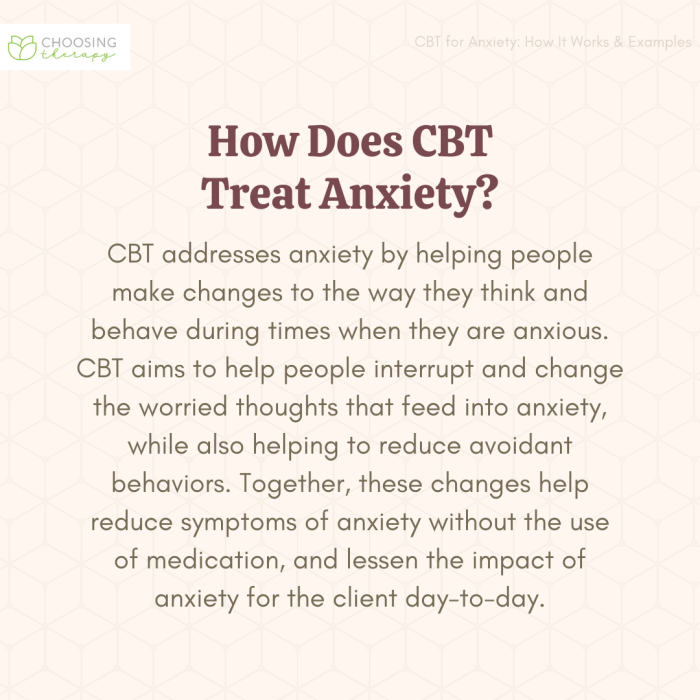
    How Does CBT for Anxiety Work?

    Source: choosingtherapy.com

    In summary, CBT therapy for anxiety stands out as an effective and structured approach to treating a range of anxiety disorders. By equipping individuals with cognitive and behavioral strategies, it fosters resilience and a sense of control over their anxiety. As we have seen, the integration of personalized techniques and the importance of continuous progress measurement play crucial roles in maximizing the benefits of CBT.

    Whether through individual or combined treatment plans, the journey towards managing anxiety with CBT is a promising path toward improved mental well-being.

    Detailed FAQs

    What is the duration of CBT therapy for anxiety?

    CBT therapy typically lasts between 12 to 20 sessions, depending on individual needs and progress.

    Can CBT therapy be done online?

    Yes, CBT therapy can be effectively conducted online through teletherapy platforms, making it accessible for many.

    Are there any side effects of CBT therapy?

    CBT is generally safe, but some individuals may experience initial discomfort when confronting anxiety-provoking thoughts or situations.

    How does CBT differ from medication for anxiety?

    CBT focuses on changing thought patterns and behaviors, while medication aims to manage symptoms chemically; both can be used together for optimal results.

    Is CBT suitable for children?

    Yes, CBT can be adapted for children and adolescents, often incorporating play and creative techniques to engage younger clients.

  • Therapist for anxiety A Comprehensive Guide

    Therapist for anxiety is a crucial resource for individuals navigating the complexities of anxiety disorders. As anxiety affects millions across various demographics, understanding its nuances and the role of therapy becomes essential. This guide delves into the different types of anxiety disorders, the therapist’s pivotal role in treatment, and effective therapeutic approaches that pave the way to recovery.

    From cognitive-behavioral therapy techniques to recognizing when professional help is needed, we will explore how therapists tailor their methods to meet individual needs, promoting healing and well-being. With practical tips on preparing for therapy sessions and overcoming stigmas, this overview aims to empower readers to take proactive steps towards managing anxiety.

    Understanding Anxiety Disorders

    Anxiety disorders are among the most common mental health conditions worldwide, affecting millions of people across different age groups and backgrounds. Understanding these disorders is crucial for effective treatment and support. This section delves into the various types of anxiety disorders, their symptoms, and the distinction between normal anxiety and clinical anxiety disorders. Anxiety disorders encompass several specific conditions, each characterized by distinct symptoms and triggers.

    The main types include:

    • Generalized Anxiety Disorder (GAD): Persistent and excessive worry about various aspects of life, including work, health, and social interactions.
    • Panic Disorder: Recurrent and unexpected panic attacks, characterized by sudden feelings of intense fear accompanied by physical symptoms like heart palpitations and shortness of breath.
    • Social Anxiety Disorder: Intense fear of social situations, leading to avoidance of interactions and performance situations due to fear of embarrassment or judgment.
    • Specific Phobias: Extreme fear of specific objects or situations, such as heights, animals, or flying, which can lead to avoidance behaviors.
    • Obsessive-Compulsive Disorder (OCD): Characterized by unwanted thoughts (obsessions) and repetitive behaviors (compulsions) performed to reduce anxiety.
    • Post-Traumatic Stress Disorder (PTSD): May develop after exposure to a traumatic event, featuring flashbacks, avoidance of reminders, and heightened arousal.

    Understanding the prevalence of anxiety disorders reveals their significant impact on various demographics. Research indicates that anxiety disorders affect approximately 18% of adults in the United States, with women being diagnosed more frequently than men. Anxiety can also manifest in children and adolescents, with about 7% of youth experiencing an anxiety disorder each year. Normal anxiety differs from anxiety disorders in intensity and duration.

    While it is common to feel anxious during challenging situations—like public speaking or job interviews—these feelings typically dissipate after the event. In contrast, anxiety disorders involve persistent and excessive worry that interferes with daily functioning and quality of life. For instance, an individual with GAD may find themselves constantly worried about future events, even when no immediate threat exists, making it difficult to focus on daily tasks.Understanding these distinctions is vital for recognizing when anxiety may require professional intervention and support.

    Role of a Therapist in Treating Anxiety

    Therapist for anxiety

    Source: wixstatic.com

    Therapists play a crucial role in managing anxiety disorders. They are trained professionals who assist individuals in understanding their anxiety, developing coping strategies, and ultimately leading a more balanced life. The therapeutic process involves various responsibilities, from conducting assessments to providing support through tailored treatment plans.Therapists have several important functions in the treatment of anxiety. They begin by establishing a safe and trusting environment, where clients can openly discuss their feelings and experiences.

    This initial step is vital, as it lays the foundation for effective treatment. Additionally, therapists utilize various therapeutic techniques, such as cognitive-behavioral therapy (CBT), mindfulness practices, and exposure therapy, tailored to the individual’s specific anxiety type and personal circumstances.

    Importance of Building a Therapeutic Relationship

    An essential element of successful therapy is the therapeutic relationship between the client and the therapist. This bond fosters a sense of safety and trust, which encourages clients to explore their thoughts and feelings without fear of judgment. A strong therapeutic relationship has several key benefits:

    • Enhanced Communication: Clients are more likely to share sensitive information when they feel comfortable and understood.
    • Improved Engagement: A positive rapport motivates clients to actively participate in their treatment and adhere to their therapy plans.
    • Better Outcomes: Research indicates that a strong therapeutic alliance correlates with more effective treatment outcomes, as clients feel supported throughout their journey.

    Tailoring Treatment Plans to Individual Needs

    Every individual’s experience with anxiety is unique, necessitating personalized treatment plans. Therapists assess each client’s specific symptoms, triggers, and coping mechanisms to create a plan that suits their needs. This individualized approach includes:

    • Comprehensive Assessments: Therapists utilize standardized assessments and interviews to understand the severity and type of anxiety experienced.
    • Goal Setting: Clients and therapists collaborate to establish realistic and achievable goals tailored to the client’s life circumstances and values.
    • Flexible Techniques: Therapists may incorporate various therapeutic modalities, adjusting techniques as necessary based on the client’s progress and feedback.

    “The key to effective therapy is understanding the individual behind the symptoms.”

    By focusing on the unique aspects of each client’s experience, therapists can enhance the effectiveness of their interventions, ultimately leading to improved coping strategies and a better quality of life for clients dealing with anxiety.

    Therapeutic Approaches for Anxiety

    Step by Step Process in Getting a License in Massage Therapy - Fitness ...

    Source: pressidium.com

    Therapeutic approaches for anxiety encompass a range of strategies aimed at helping individuals manage their symptoms and improve their overall well-being. Two primary methods that have gained prominence in the field of mental health are Cognitive-Behavioral Therapy (CBT) and various alternative therapies. Understanding these approaches can empower individuals to make informed choices about their treatment.Cognitive-Behavioral Therapy (CBT) is a structured, time-limited psychotherapy that focuses on identifying and altering negative thought patterns and behaviors that contribute to anxiety.

    CBT has been shown to be highly effective, with numerous studies indicating significant reductions in anxiety symptoms among individuals who undergo this form of therapy. The core principle of CBT is that our thoughts, emotions, and behaviors are interconnected, and by transforming negative thinking, we can foster more positive emotional responses and behaviors.

    Cognitive-Behavioral Therapy (CBT)

    CBT involves several key components that help clients confront and manage their anxiety. These components include:

    • Identifying Negative Thoughts: Therapists assist clients in recognizing harmful thought patterns that exacerbate anxiety.
    • Challenging Cognitive Distortions: Clients learn to dispute irrational or exaggerated thoughts that create unnecessary anxiety.
    • Behavioral Activation: This involves encouraging clients to engage in activities that counteract avoidance behaviors often linked to anxiety.

    CBT has proven effective across various anxiety disorders, including Generalized Anxiety Disorder (GAD), Social Anxiety Disorder, and Panic Disorder. Studies have shown that approximately 60-75% of individuals undergoing CBT experience significant relief from their symptoms.

    Alternative Therapeutic Approaches, Therapist for anxiety

    In addition to CBT, there are several alternative therapies that can complement traditional treatment methods. These approaches address anxiety through diverse mechanisms, promoting relaxation and mindfulness.

    • Mindfulness Meditation: This practice involves focusing on the present moment and acknowledging thoughts and feelings without judgment, which can reduce anxiety and improve emotional regulation.
    • Exposure Therapy: Exposure therapy involves gradual exposure to anxiety-provoking stimuli, helping clients desensitize their fears in a controlled and supportive environment.
    • Yoga and Movement Therapies: Physical activities such as yoga have been associated with lower levels of anxiety and stress due to their focus on breath control and physical relaxation.
    • Art Therapy: Creative expression can serve as a powerful tool for processing emotions and reducing anxiety, allowing individuals to explore their feelings through various artistic forms.

    These alternative therapies have been found to reduce anxiety symptoms in varying degrees and can be used in conjunction with traditional therapies for a more comprehensive approach.

    Techniques Used in Therapy Sessions

    Therapists utilize a variety of techniques in therapy sessions to directly address anxiety symptoms. These techniques include:

    • Breathing Exercises: Deep breathing exercises help to calm the nervous system and reduce the physical symptoms of anxiety.
    • Grounding Techniques: Grounding techniques, such as the “5-4-3-2-1” method, help clients to focus on their immediate environment, alleviating feelings of panic.
    • Journaling: Encouraging clients to journal about their thoughts and feelings can help identify triggers and patterns in their anxiety.
    • Visualization: Guided imagery and visualization techniques can help clients envision calming scenarios, reducing feelings of anxiety.

    These techniques are often tailored to each individual, ensuring that therapy is as effective and supportive as possible.

    Identifying Signs to Seek Therapy

    Recognizing when to seek professional help for anxiety can be challenging, yet it’s crucial for fostering overall mental well-being. Anxiety can manifest in various ways, sometimes subtly, making it easy to dismiss as mere stress or temporary discomfort. Being aware of specific signs can help individuals take proactive steps toward recovery and enhance their quality of life.Untreated anxiety can significantly affect daily life, from negatively impacting work performance to straining personal relationships.

    Many individuals may find themselves withdrawing from social activities or feeling overwhelmed by routine tasks. Here are common signs indicating the need for professional help with anxiety:

    Common Signs Indicating the Need for Therapy

    It is important to understand the indicators that suggest anxiety might be more than just a temporary phase. The following points highlight the common signs that warrant seeking therapy:

    • Persistent feelings of worry or fear that are difficult to control.
    • Physical symptoms such as headaches, stomachaches, or unexplained aches that arise without a clear medical cause.
    • Difficulty concentrating or making decisions due to overwhelming anxiety.
    • Increased avoidance of situations that trigger anxiety, leading to isolation.
    • Disruption of daily life, such as missing work or social events due to anxiety.
    • Feelings of hopelessness or helplessness regarding the situation.

    “If anxiety is interfering with your ability to lead a fulfilling life, seeking help is a vital step.”

    Self-help methods can be effective for some individuals; however, there are instances where they may not suffice. Examples of situations where self-help may fall short include:

    When Self-Help Methods May Not Be Sufficient

    Certain circumstances indicate that anxiety may require professional intervention rather than reliance solely on self-help strategies. This can include scenarios where:

    • Self-help techniques such as meditation or journaling fail to alleviate symptoms over time.
    • Anxiety leads to panic attacks or intense physical reactions that are distressing and unmanageable.
    • Personal relationships or work performance significantly deteriorate due to anxiety symptoms.
    • Feelings of anxiety are accompanied by depression or thoughts of self-harm.

    Recognizing these signs is the first step toward seeking the support needed to manage anxiety effectively. Taking action can lead to a better understanding of one’s mental health and improved overall well-being.

    Preparing for Therapy Sessions

    Preparing for your initial therapy session can set the tone for your journey towards managing anxiety. Understanding what to expect and how to approach this experience can help ease your nerves and create a productive environment for both you and your therapist. This guide will walk you through the essential steps to ensure you are well-prepared for your first session.

    Information to Bring to the Therapist

    Bringing the right information to your therapy session can greatly enhance the effectiveness of your treatment. Here are some key items to consider:

    • Your Medical History: Include any past or current medical conditions, medications, and significant health issues. This helps the therapist understand your overall health context.
    • Anxiety Symptoms: Be prepared to discuss your specific anxiety symptoms, their duration, frequency, and intensity. This will give the therapist crucial insight into your condition.
    • Personal Background: Share information about your family, work, and social life. This helps the therapist grasp the broader context in which your anxiety exists.
    • Questions and Concerns: Write down any questions you have about the therapeutic process or concerns you wish to address. This ensures you don’t forget important points during the session.

    Setting Realistic Goals for Therapy

    Establishing clear and realistic goals for therapy is essential for tracking progress and staying motivated. Here are some guidelines to help you formulate your objectives:

    • Specific Goals: Rather than vague aspirations, focus on specific areas you want to improve, such as reducing panic attacks or learning coping strategies.
    • Measurable Outcomes: Consider setting measurable goals, such as attending therapy consistently or practicing anxiety-reducing techniques daily.
    • Achievable Targets: Ensure that your goals are achievable within a reasonable timeframe. Aim for gradual changes rather than immediate transformations.
    • Relevant Focus: Align your goals with your personal values and what matters most to you, whether it’s improving relationships, work performance, or self-esteem.
    • Time-Bound Objectives: Set a timeline for your goals. For instance, aim to assess your progress every few weeks to stay accountable and motivated.

    “Setting clear, realistic goals not only provides direction but also fosters a sense of accomplishment as you progress through therapy.”

    Overcoming Stigma Associated with Therapy

    Stigma surrounding therapy and mental health can create significant barriers for individuals seeking help. Misconceptions about therapy may deter people from pursuing the support they need to manage anxiety and other mental health issues. This section explores common misconceptions, strategies for promoting acceptance, and cultural influences that shape views on seeking help.Common misconceptions about therapy often stem from stereotypes and a lack of understanding.

    Many people believe that therapy is only for individuals with severe mental illness or that attending therapy signifies weakness. Others may think therapy is ineffective or that therapists simply provide generic advice without truly understanding their clients’ unique experiences. Such misconceptions can lead to feelings of shame and isolation, preventing individuals from seeking the support they need.

    Strategies for Promoting Awareness and Acceptance of Therapy

    To help overcome stigma, it is essential to promote awareness and acceptance of therapy. This can be achieved through various strategies, including:

    • Public Education: Workshops, seminars, and social media campaigns can provide information about mental health and the benefits of therapy, making it more accessible to the general public.
    • Personal Stories: Sharing personal experiences with therapy can foster understanding and relatability. When individuals speak openly about their journeys, it humanizes therapy and encourages others to seek help.
    • Encouraging Open Conversations: Creating safe spaces where people can discuss mental health issues without judgment can contribute to a culture of acceptance. This can occur in community settings, workplaces, and schools.
    • Involving Influencers: Engaging public figures or influencers to share their experiences with therapy can help normalize seeking help and reach wider audiences.

    Cultural factors play a crucial role in shaping attitudes towards seeking help. In many cultures, mental health issues are often stigmatized, seen as a sign of failure or a personal weakness. Traditional beliefs may prioritize self-reliance and discourage individuals from discussing their problems openly. In contrast, some cultures may have strong communal support systems, making it easier for individuals to seek help.Understanding these cultural nuances can guide therapists in addressing stigma.

    Culturally competent therapy recognizes the influence of cultural backgrounds on mental health perceptions and encourages practitioners to approach treatment with sensitivity. By acknowledging these factors, therapists can help clients navigate their feelings about seeking help while promoting acceptance and understanding in their communities.

    Evaluating Progress in Therapy

    Tracking progress in therapy for anxiety is essential for both the therapist and the patient, as it helps to establish whether the treatment is effective and what adjustments may be necessary. Progress evaluation not only creates a sense of accomplishment but also fosters motivation to continue working towards better mental health. This process often involves a combination of self-assessment by the patient and feedback from the therapist.Regularly assessing progress allows both parties to identify areas of improvement, set achievable goals, and address challenges that may arise during therapy.

    This ongoing dialogue plays a vital role in ensuring the therapeutic approach remains relevant and effective, ultimately leading to better outcomes for the patient.

    Methods for Tracking Progress

    To effectively monitor progress in therapy, various methods can be employed. These tools help quantify improvements and provide a clearer picture of the therapeutic journey. Here are some common methods used:

    • Self-Report Scales: Patients may use standardized questionnaires like the Beck Anxiety Inventory (BAI) or the Generalized Anxiety Disorder 7-item (GAD-7) scale. These tools allow individuals to rate their anxiety levels over time, providing measurable data for both the therapist and the patient.
    • Therapy Journals: Keeping a journal helps patients document their feelings, thoughts, and experiences outside of therapy sessions. This method encourages self-reflection, allowing patients to identify patterns in their anxiety and the effectiveness of coping strategies.
    • Session Feedback: Therapists often ask for feedback at the end of each session. This practice encourages open communication and enables adjustments to be made in real-time based on the patient’s feelings about the session and their progress.
    • Behavioral Observations: Therapists may observe changes in a patient’s behavior during sessions. Notable improvements, such as increased engagement or reduced avoidance behaviors, can be significant milestones in the treatment process.

    Milestones Indicating Improvement

    Recognizing milestones in therapy is crucial as they serve as markers of progress. These milestones can vary from person to person but often include:

    • Reduction in frequency or intensity of anxiety symptoms.
    • Enhanced ability to cope with anxiety-provoking situations without excessive distress.
    • Increased engagement in social activities or responsibilities that were previously avoided.
    • Improvement in daily functioning, such as work performance or academic achievement.
    • Development of effective coping strategies and techniques learned through therapy.

    Using Feedback to Adjust Treatment Plans

    Feedback is a fundamental component in evaluating progress and adapting treatment plans. It facilitates a collaborative therapeutic relationship, ensuring that the therapy remains tailored to the patient’s evolving needs. Here’s how feedback is utilized:

    • Identifying Strengths and Weaknesses: Regular feedback helps both the therapist and patient recognize which strategies are effective and which require re-evaluation or modification.
    • Adjusting Goals: As progress is made, therapy goals can be updated to reflect new challenges and aspirations, promoting ongoing growth.
    • Incorporating New Techniques: If certain approaches are not yielding desired results, feedback allows the therapist to introduce alternative therapeutic techniques or interventions.
    • Boosting Motivation: Positive feedback reinforces progress and encourages patients to stay committed to the therapeutic process, enhancing their overall motivation.

    Resources for Finding a Therapist

    Finding a qualified therapist who specializes in anxiety can be a critical step towards managing and overcoming anxiety disorders. With the right support, individuals can navigate their challenges and develop effective coping strategies. Knowing where to look and what to consider is essential in this journey.Verifying the qualifications and experience of a therapist is crucial. Professionals in the mental health field should possess relevant licenses and credentials, ensuring that they are trained to provide effective care.

    A therapist’s background can significantly impact the quality of therapy and the therapeutic relationship.

    Steps to Locate a Qualified Therapist Specializing in Anxiety

    To effectively find a therapist specializing in anxiety, follow these structured steps:

    1. Identify Your Needs

    Determine what specific issues you want to address in therapy, such as generalized anxiety, panic disorders, or social anxiety.

    2. Research Potential Therapists

    Look for therapists who list anxiety as a specialty. Utilize various resources such as:

    Professional directories

    Recommendations from friends or family

    Health care providers

    3. Check Credentials

    Ensure therapists have the proper licenses and certifications. This might include:

    Licensed Professional Counselor (LPC)

    Licensed Clinical Social Worker (LCSW)

    Psychologist (Ph.D. or Psy.D.)

    4. Schedule Consultations

    Many therapists offer initial consultations. Use this opportunity to ask about their experience with anxiety disorders and their therapeutic approach.

    5. Evaluate Comfort Level

    Assess how comfortable you feel during the initial meetings. A good therapeutic relationship is key to successful therapy.

    Importance of Verifying Credentials and Experience

    Validating a therapist’s credentials is vital to ensure you receive safe and effective treatment. Look for the following:

    Licensing

    Check if the therapist is licensed in your state and whether they have any disciplinary actions against them.

    Specialization

    Inquire about their experience with anxiety disorders specifically. More years of experience often correlate with better outcomes.

    Therapeutic Approach

    Understand the methods they use. Cognitive Behavioral Therapy (CBT) is widely recognized for treating anxiety.

    Online Platforms for Therapist Searches

    Several online platforms can assist you in locating a qualified therapist. These platforms can simplify your search and help you make informed decisions. Here are some reputable options:

    Psychology Today

    Offers a comprehensive directory of therapists, allowing you to filter by specialty, location, and insurance.

    TherapyDen

    A platform that focuses on inclusivity and allows you to search for therapists based on specific needs and identities.

    BetterHelp

    Provides online therapy with licensed professionals through messaging, chat, phone, or video sessions.

    Zocdoc

    Primarily known for booking medical appointments, it also includes mental health providers and patient reviews.Utilizing these resources can streamline the process of finding a therapist and ensure you receive the support you need to manage anxiety effectively.

    Coping Strategies Outside Therapy

    Managing anxiety effectively often requires a multi-faceted approach that extends beyond therapy sessions. Integrating self-help techniques, strong support systems, and healthy lifestyle changes can significantly enhance one’s ability to cope with anxiety. These strategies not only provide immediate relief but also empower individuals in their journey toward mental well-being.

    Self-Help Techniques

    Incorporating self-help techniques into daily routines can serve as a valuable complement to therapeutic practices. These strategies enable individuals to take an active role in managing their anxiety.

    • Mindfulness Meditation: Practicing mindfulness helps individuals stay present and focused, reducing anxiety by allowing them to observe thoughts without judgment.
    • Breathing Exercises: Techniques like deep breathing and box breathing can lower stress levels and promote relaxation during anxious moments.
    • Journaling: Writing about feelings and experiences helps in processing emotions and identifying triggers, fostering greater self-awareness.
    • Physical Activity: Regular exercise, such as walking or yoga, releases endorphins, which naturally alleviate anxiety and improve mood.
    • Time Management: Organizing tasks and setting realistic goals can reduce feelings of overwhelm that contribute to anxiety.

    Support Systems

    A strong support system plays a crucial role in managing anxiety. Friends, family, and community members can provide emotional support, encouragement, and practical assistance.

    • Open Communication: Sharing feelings and experiences with trusted individuals can foster understanding and lessen feelings of isolation.
    • Support Groups: Connecting with others who share similar experiences can create a sense of belonging and provide valuable coping strategies.
    • Accountability Partners: Having someone to check in with can motivate individuals to adhere to their coping strategies and therapeutic goals.

    Lifestyle Changes

    Adopting specific lifestyle changes can significantly promote mental well-being and aid in anxiety management.

    • Balanced Diet: Consuming a nutritious diet rich in fruits, vegetables, and whole grains supports brain health and stabilizes mood.
    • Sufficient Sleep: Prioritizing sleep hygiene and ensuring adequate rest is essential for mental clarity and emotional resilience.
    • Avoiding Substances: Limiting caffeine, alcohol, and recreational drugs can prevent exacerbation of anxiety symptoms.
    • Establishing Routines: Creating structured daily routines can provide stability and predictability, reducing feelings of chaos and anxiety.

    Conclusion

    Therapist for anxiety

    Source: thebalancecareers.com

    In conclusion, the journey with a therapist for anxiety can greatly enhance one’s quality of life. By understanding anxiety disorders and the therapeutic process, individuals can become more equipped to seek help and engage in effective treatment. Whether it’s through established methods like CBT or alternative therapies, the path to overcoming anxiety is not only achievable but also rewarding, fostering resilience and personal growth.

    FAQ Corner: Therapist For Anxiety

    What should I expect during my first therapy session?

    During your first session, the therapist will discuss your concerns, gather background information, and Artikel what therapy will involve.

    How long will therapy take?

    The duration of therapy varies by individual needs and goals, but many see improvements within a few months.

    Are there alternative therapies to consider?

    Yes, options like mindfulness, meditation, and exposure therapy can complement traditional therapy methods.

    Can I do anything to help myself before starting therapy?

    Engaging in self-help techniques, maintaining a healthy lifestyle, and reaching out to supportive friends or family can be beneficial.

    How do I know if my therapist is right for me?

    It’s important to feel comfortable and understood by your therapist; trust your instincts and consider seeking another if it doesn’t feel right.

  • Mental health treatment for adults A comprehensive guide

    Mental health treatment for adults is essential in today’s fast-paced world, where stress and anxiety can profoundly affect well-being. As more individuals recognize the significance of mental health, understanding the various treatment options available becomes crucial. From psychotherapy to medication, there are numerous avenues to explore for those seeking help, making it imperative to stay informed.

    With statistics revealing a growing prevalence of mental health disorders among adults, the need for effective treatment is more pressing than ever. This overview will navigate through the landscape of mental health treatment, highlighting its importance, types of therapies, and the support systems that can enhance the recovery process.

    Understanding Mental Health Treatment

    Mental health treatment encompasses a range of services designed to support individuals dealing with mental health issues. It is crucial for adults as it not only addresses symptoms but also improves overall well-being and quality of life. The importance of mental health treatment cannot be overstated, especially as mental health disorders can significantly affect daily functioning, relationships, and productivity.Statistics indicate a rising prevalence of mental health issues among adults.

    According to the National Institute of Mental Health (NIMH), nearly one in five adults in the United States experienced mental illness in 2021. This translates to approximately 53 million individuals. Furthermore, mental health disorders such as anxiety, depression, and substance abuse are among the leading causes of disability worldwide, highlighting the urgent need for effective treatment options.

    Prevalent Mental Health Disorders Among Adults

    Several mental health disorders commonly affect adults, each requiring specific treatment approaches. Understanding these disorders is essential for recognizing the need for timely intervention.

    • Anxiety Disorders: Characterized by excessive fear or worry, anxiety disorders are among the most common mental health issues. These include generalized anxiety disorder, panic disorder, and social anxiety disorder.
    • Major Depressive Disorder: Often simply referred to as depression, this disorder can lead to persistent feelings of sadness and loss of interest in activities once enjoyed, significantly impairing daily life.
    • Bipolar Disorder: This condition involves episodes of mood swings ranging from depressive lows to manic highs, affecting energy levels, activity, judgment, and behavior.
    • Post-Traumatic Stress Disorder (PTSD): PTSD may develop after experiencing or witnessing a traumatic event, leading to severe anxiety, flashbacks, and uncontrollable thoughts.
    • Obsessive-Compulsive Disorder (OCD): OCD is characterized by unwanted repetitive thoughts and behaviors, which can interfere with daily activities and cause significant distress.
    • Substance Use Disorders: These disorders involve the misuse of alcohol and drugs, which often co-occur with mental health issues, complicating treatment and recovery.

    “Mental health is not a destination, but a process. It’s about how you drive, not where you’re going.”

    Awareness of these prevalent disorders underscores the necessity of mental health treatment. Seeking help can lead to effective management and recovery, allowing individuals to lead fulfilling lives.

    Types of Mental Health Treatments

    Mental health treatment for adults

    Source: foresightmentalhealth.com

    Mental health treatment for adults encompasses a variety of approaches aimed at alleviating symptoms and improving overall well-being. Understanding the different types of mental health treatments available is crucial for individuals seeking help. These treatments can generally be categorized into psychotherapy, medication, and alternative therapies, each with its own unique benefits and potential drawbacks.

    Psychotherapy and Medication

    Psychotherapy, often referred to as talk therapy, involves working with a trained mental health professional to address emotional difficulties. It can take various forms, including cognitive-behavioral therapy (CBT), dialectical behavior therapy (DBT), and interpersonal therapy (IPT). On the other hand, medication can include antidepressants, anti-anxiety medications, and mood stabilizers, which are prescribed to help manage symptoms.The following points highlight the benefits and drawbacks of psychotherapy versus medication:

    • Benefits of Psychotherapy:
      • Encourages self-discovery and personal growth.
      • Helps develop coping strategies to manage stress and anxiety.
      • Can lead to lasting change by addressing root causes of mental health issues.
    • Drawbacks of Psychotherapy:
      • Requires a significant time commitment and consistency.
      • Not all individuals may find a therapist they connect with.
      • Results can vary based on individual willingness to engage in the process.
    • Benefits of Medication:
      • Can provide quick relief from severe symptoms.
      • May be necessary for individuals with biological components to their mental health issues.
      • Easy to integrate into daily routines, with options for long-term use.
    • Drawbacks of Medication:
      • Potential side effects, including weight gain and fatigue.
      • Risk of dependency or withdrawal symptoms.
      • Does not address underlying issues, often requiring concurrent therapy.

    Alternative Therapies

    Alternative therapies, such as art therapy and music therapy, provide creative outlets for individuals seeking to express emotions and cope with mental health challenges. These therapies can complement traditional treatments and offer unique benefits.Art therapy involves engaging in artistic activities, such as painting or drawing, to facilitate emotional expression and processing. Music therapy, on the other hand, utilizes music to promote healing and improve emotional well-being.

    The effectiveness of these therapies can be observed in various settings:

    • Art Therapy:
      • Can reduce anxiety, depression, and feelings of isolation.
      • Helps in expressing emotions that may be difficult to articulate verbally.
      • Encourages mindfulness and relaxation through creative processes.
    • Music Therapy:
      • Improves mood and emotional regulation through musical engagement.
      • Can enhance cognitive function and social skills when done in groups.
      • Often used in rehabilitation settings for trauma and PTSD recovery.

    Both art and music therapy have shown promising results in various clinical studies, indicating their potential benefits as adjuncts to more traditional forms of mental health treatment.

    “Alternative therapies can offer a fresh perspective and a new avenue for healing alongside conventional methods.”

    Evidence-Based Treatment Approaches

    Mental health treatment for adults

    Source: healthgroovy.com

    In the realm of mental health treatment, evidence-based approaches are essential for ensuring effective care for adults. These approaches are grounded in scientific research and clinical expertise, providing structured methods to help individuals overcome various mental health challenges. This section explores some of the most prominent evidence-based treatment modalities, focusing on their applications and effectiveness in treating conditions such as depression, anxiety, and emotional dysregulation.

    Cognitive Behavioral Therapy (CBT)

    Cognitive Behavioral Therapy (CBT) is a widely recognized evidence-based treatment designed to address a variety of mental health issues, particularly in adults. CBT operates on the premise that our thoughts, feelings, and behaviors are interconnected. By identifying and transforming negative thought patterns, individuals can learn healthier coping mechanisms and behaviors. This therapeutic approach is structured, typically involving a set number of sessions and specific goals.Key components of CBT include:

    • Identifying negative thoughts: Clients learn to recognize automatic negative thoughts that contribute to their distress.
    • Behavioral activation: Engaging in activities that promote positive emotions and reinforce adaptive behaviors.
    • Cognitive restructuring: Challenging and replacing irrational beliefs with more balanced thoughts.

    Research has shown that CBT is particularly effective for conditions such as depression and anxiety disorders, with studies indicating that approximately 50-75% of individuals report significant improvement after completing a course of CBT.

    Dialectical Behavior Therapy (DBT)

    Dialectical Behavior Therapy (DBT) is another evidence-based treatment that is especially beneficial for adults experiencing emotional dysregulation. Developed initially for treating borderline personality disorder, DBT has expanded its application to various conditions characterized by intense emotional responses. This therapy combines cognitive-behavioral techniques with mindfulness strategies, providing individuals with tools to manage their emotions more effectively.The core components of DBT include:

    • Mindfulness: Techniques that encourage clients to focus on the present moment and observe their thoughts and feelings nonjudgmentally.
    • Distress tolerance: Strategies for coping with and tolerating emotional pain, rather than trying to escape from it.
    • Emotional regulation: Skills to help clients understand and manage their emotional responses.
    • Interpersonal effectiveness: Techniques to improve communication and relationship-building skills.

    DBT’s structured framework and skills training have demonstrated effectiveness in reducing self-harming behaviors and improving emotional stability in adults.

    Efficacy of Various Evidence-Based Treatments for Depression and Anxiety Disorders

    When comparing the efficacy of different evidence-based treatments for depression and anxiety disorders, it is essential to consider the individual needs and responses of patients, as no single treatment is universally effective. The following treatments are frequently evaluated in clinical settings:

    • CBT: Proven to be effective for both depression and anxiety, with meta-analyses showing significant symptom reduction.
    • DBT: Particularly effective for individuals with co-occurring mood disorders and emotional dysregulation.
    • Medication: Antidepressants and anxiolytics may be beneficial, especially when combined with therapy; however, they come with potential side effects.
    • Mindfulness-based therapies: Techniques such as Mindfulness-Based Cognitive Therapy (MBCT) have shown promise in preventing relapse in depression.

    Research indicates that combining therapies often yields the best results. For instance, a study found that individuals receiving both CBT and medication for depression exhibited more significant improvement compared to those receiving either treatment alone. In summary, evidence-based treatment approaches like CBT and DBT serve as cornerstones in the effective management of adult mental health issues, offering structured techniques founded on solid research and practical applicability.

    Accessing Mental Health Services

    Finding the right mental health services can be a vital step towards improving emotional and psychological well-being. With numerous options available, it’s essential for adults to know how to navigate these resources effectively. This guide will highlight key ways to locate mental health services, choose a suitable professional, and understand the financial implications involved.

    Locating Mental Health Services

    Accessing mental health services begins with identifying the resources available in your area. Here are some effective strategies to find suitable services:

    • Online Directories: Websites like Psychology Today, GoodTherapy, or the National Alliance on Mental Illness (NAMI) offer searchable databases of therapists and mental health professionals based on location, specialties, and insurance acceptance.
    • Community Health Centers: Local community health centers often provide mental health services, sometimes on a sliding scale based on income. These centers can be a great starting point for those seeking affordable care.
    • Referrals: Asking for referrals from primary care physicians, friends, or family members can yield personal recommendations that might resonate with your needs and preferences.
    • Hotlines: Mental health hotlines can provide immediate guidance and support, helping you to understand your options and navigate available services.
    • Workplace Programs: Many employers offer Employee Assistance Programs (EAPs) that provide confidential mental health support and referrals.

    Choosing the Right Mental Health Professional

    Selecting a mental health professional is crucial to receiving effective treatment. Factors to consider while making this choice include:

    • Specialization: Different professionals have varying areas of expertise, such as anxiety, depression, trauma, or relationship issues. It’s important to choose someone experienced in addressing your specific concerns.
    • Approach: Familiarize yourself with various therapeutic approaches, including cognitive-behavioral therapy (CBT), dialectical behavior therapy (DBT), or psychodynamic therapy, to find a method that aligns with your preferences.
    • Credentials: Verify the professional’s qualifications, licenses, and certifications to ensure they meet required standards in the field.
    • Compatibility: An initial consultation can help assess whether you feel comfortable and understood by the therapist, which is vital for effective treatment.

    Financial Aspects of Mental Health Treatment

    Understanding the financial implications of mental health treatment is essential for planning and access. Here are the key aspects to consider:

    • Insurance Coverage: Many insurance plans cover mental health services, but the extent of that coverage can vary. Contact your insurance provider to inquire about specific benefits, co-pays, and required referrals.
    • Out-of-Pocket Costs: Determine potential costs if you are paying out-of-pocket. This can include session fees, materials for therapy, or any additional resources recommended by the professional.
    • Sliding Scale Fees: Some therapists offer a sliding scale fee structure based on income, making therapy more accessible for individuals with financial constraints.
    • Payment Plans: Discuss potential payment plans with your therapist, as many are willing to work with clients to make payments more manageable.
    • Community Programs: Investigate local resources and programs that provide free or low-cost mental health services, which are especially helpful for those without insurance.

    “Access to mental health services is not just about availability; it’s about finding the right fit for your needs and ensuring financial feasibility.”

    The Role of Family and Support Systems

    A supportive network can significantly enhance the mental health treatment experience for adults. Whether it’s family, friends, or community members, having people who understand and encourage individuals can lead to more effective outcomes in managing mental health challenges. Family and support systems play a crucial role in reinforcing positive behaviors, providing emotional support, and encouraging individuals to seek and adhere to treatment plans.

    Importance of a Supportive Network

    A supportive network serves as a safety net for adults undergoing mental health treatment. It can mitigate feelings of isolation and despair, often associated with mental health issues. Families that are actively involved in the treatment process can foster an environment of understanding and compassion, which is fundamental for recovery. Here are some ways families can support their loved ones:

    • Listening and Validation: Providing a non-judgmental space where individuals feel comfortable sharing their thoughts and feelings can be immensely helpful. Active listening promotes openness and trust.
    • Encouragement and Motivation: Families can help keep their loved ones motivated to stick with treatment plans and follow through with self-care practices.
    • Education and Awareness: Learning about mental health conditions can enable family members to understand what their loved ones are experiencing and how best to support them.
    • Participating in Therapy: Some therapy models encourage family involvement, allowing family members to better understand the treatment process and their loved one’s struggles.

    Community Resources for Mental Health Support

    Community resources provide an invaluable extension of support for adults in mental health treatment. These resources can complement family support and offer additional avenues for individuals to engage with others facing similar challenges. Here are some essential community resources:

    • Support Groups: These are designed for individuals experiencing similar mental health issues. They provide a space for shared experiences, which can foster a sense of belonging and reduce feelings of isolation.
    • Crisis Hotlines: Many communities offer 24/7 crisis support services that provide immediate assistance to those in distress.
    • Therapeutic Community Centers: These centers often provide a range of services, including counseling, workshops, and group activities that promote mental wellness.
    • Educational Workshops: Many organizations host workshops aimed at educating both individuals and families about mental health, coping mechanisms, and community resources.

    Stigma and Mental Health Treatment: Mental Health Treatment For Adults

    The stigma surrounding mental health treatment can create significant barriers for adults seeking the help they need. Despite advances in understanding mental health, many individuals still face judgment and misconceptions that can deter them from pursuing treatment. Addressing this stigma is crucial for fostering an environment where mental health is openly discussed and treated with the same seriousness as physical health.The stigma associated with mental health treatment often manifests as discrimination and negative stereotypes, leading individuals to feel shame or fear about their condition.

    This can result in reluctance to seek help, ultimately preventing many from accessing necessary support. For instance, research shows that individuals with mental health disorders may experience increased rates of unemployment and social isolation due to societal attitudes.

    Strategies to Combat Stigma

    Promoting mental health awareness in communities is essential for dismantling stigma. Here are several effective strategies that can help in this endeavor:

    • Education and Awareness Campaigns: Initiatives aimed at informing the public about mental health issues can reduce misconceptions and foster understanding.
    • Open Discussions: Encouraging conversations about mental health in schools, workplaces, and community centers can normalize these topics.
    • Positive Representation: Highlighting stories of individuals who have successfully navigated mental health challenges can inspire others and change perceptions.
    • Support Groups: Creating safe spaces for individuals to share their experiences can empower them and reduce feelings of isolation.
    • Advocacy: Collaborating with organizations to advocate for mental health policy changes can help address systemic stigma and promote better access to care.

    Success Stories of Overcoming Stigma

    Numerous adults have successfully overcome the stigma surrounding mental health treatment, leading to significant improvements in their well-being. For example, a well-known public figure who has openly discussed their mental health journey may inspire others to seek help without fear of judgment. One compelling example is that of a young woman who struggled with severe anxiety. Initially hesitant to seek therapy due to fear of being labeled “crazy,” she eventually decided to pursue treatment and found solace in a supportive community.

    Through therapy and participation in local mental health awareness events, she not only transformed her life but also became an advocate for others facing similar challenges. Her story illustrates that with support and the right resources, individuals can challenge societal stigma and achieve mental wellness.

    “Seeking help is a sign of strength, not weakness.” – Anonymous

    Future of Mental Health Treatment

    The landscape of mental health treatment is evolving rapidly, driven by advancements in technology, changing societal perceptions, and a deeper understanding of mental health issues. As we look to the future, several emerging trends are shaping the way adults receive mental health care. These trends not only enhance accessibility but also introduce innovative methods of intervention that cater to diverse needs.

    Technology-Based Therapies

    The integration of technology into mental health treatment is one of the most significant trends. Technology-based therapies include a variety of methods such as mobile applications, virtual reality, and artificial intelligence. These tools provide patients with new ways to engage with therapeutic practices outside traditional therapy sessions.Mobile applications often offer features that facilitate mindfulness, relaxation techniques, and mood tracking. For instance, applications like Headspace and Calm provide users with guided meditations that can help manage anxiety and stress.

    Virtual reality therapy allows patients to confront and manage specific phobias or anxiety disorders in a controlled environment, offering immersive experiences that can lead to meaningful breakthroughs.The use of artificial intelligence in mental health treatment is also on the rise. Chatbots, powered by AI, can provide immediate support for individuals seeking help, operating 24/7 and offering resources and coping strategies.

    These technologies are especially beneficial for individuals who may not have ready access to a therapist or who prefer anonymity while seeking help.

    Teletherapy and Online Support Groups

    Teletherapy has revolutionized access to mental health care. By allowing clients to connect with therapists via video conferencing, phone calls, or messaging, teletherapy breaks down geographical barriers and provides flexibility to individuals with busy schedules or mobility challenges. This mode of therapy enhances convenience and enables individuals to receive care from the comfort of their own home.Online support groups have also gained popularity, creating communities for individuals to share experiences and coping strategies.

    These groups provide a platform for connection and validation, which can significantly reduce feelings of isolation. The effectiveness of these online interactions is supported by studies showing that peer support can enhance recovery outcomes for many individuals facing similar struggles.

    Importance of Ongoing Research, Mental health treatment for adults

    Ongoing research is crucial for the development of innovative treatment options for adults dealing with mental health disorders. As new findings emerge, they have the potential to reshape existing paradigms and introduce novel therapeutic techniques and interventions.Research in psychopharmacology is particularly promising, with new medications being developed that target specific neurological pathways associated with mental health disorders. Additionally, studies exploring the efficacy of combined treatments—integrating psychotherapy with medication—are gaining momentum, emphasizing the need for individualized treatment plans.Furthermore, research initiatives focusing on diverse populations are essential to ensure that treatment approaches are inclusive and culturally sensitive.

    For example, studies examining the efficacy of specific therapies in minority populations help tailor interventions that resonate with different cultural contexts, thus enhancing their effectiveness.In summary, the future of mental health treatment is bright, characterized by technological advancements, increased accessibility through teletherapy, and a commitment to ongoing research. These developments collectively foster a more holistic, inclusive, and effective mental health care landscape for adults.

    Closing Summary

    Mental Health Disorder | Roots Through Recovery

    Source: altermentalhealthsd.com

    In conclusion, mental health treatment for adults encompasses a wide range of options that cater to the diverse needs of individuals. With an increasing understanding of mental health issues and the importance of seeking help, there is hope for many to achieve stability and wellness. By fostering supportive environments and combating stigma, we can pave the way for better mental health outcomes in our communities.

    FAQ Compilation

    What are the signs that I need mental health treatment?

    Common signs include persistent sadness, excessive worry, changes in mood, withdrawal from social activities, and changes in eating or sleeping habits.

    How long does mental health treatment typically last?

    The duration of treatment varies based on the individual and the severity of the condition, ranging from a few weeks to several months or longer.

    Are there different types of mental health professionals?

    Yes, mental health professionals include psychologists, psychiatrists, licensed counselors, and social workers, each specializing in different areas of mental health.

    Can mental health treatment be done online?

    Absolutely! Teletherapy and online support groups have become popular and effective means of receiving mental health care.

    Is mental health treatment covered by insurance?

    Many insurance plans cover mental health treatment, but it’s essential to check specific coverage details with your provider.

  • Mental health counseling online is the future of therapy

    Mental health counseling online sets the stage for this enthralling narrative, offering readers a glimpse into a world where mental wellness is just a click away. This innovative approach to therapy bridges the gap between traditional face-to-face sessions and the convenience of digital access, making it an increasingly popular option for individuals seeking support. With a variety of platforms available, online counseling not only caters to diverse needs but also provides a level of accessibility that was previously unimaginable.

    As the stigma surrounding mental health continues to diminish, the acceptance of online counseling services grows. The flexibility of scheduling, the comfort of participating from home, and the ability to connect with therapists regardless of geographical barriers are just a few reasons why many are turning to online mental health counseling as a viable solution.

    Overview of Online Mental Health Counseling

    Online mental health counseling is a modern approach that provides therapeutic support to individuals through digital platforms. This method of counseling has gained significant traction due to its accessibility and convenience, particularly in today’s fast-paced world where traditional in-person therapy may not always be feasible. The importance of online mental health counseling lies in its ability to break down barriers such as geographical limitations, stigma, and time constraints, allowing more individuals to seek help and support when they need it most.Various platforms are available for individuals seeking online counseling services.

    These platforms range from dedicated mental health apps to telehealth services offered by established therapy practices. Some notable options include:

    • Video conferencing platforms like Zoom and Skype, which many therapists use for virtual sessions.
    • Specialized mental health apps such as Talkspace and BetterHelp that connect users to licensed therapists through messaging or video calls.
    • Online community forums and chat services that enable peer support and connection under professional moderation.
    • Text-based therapy apps that allow users to communicate with therapists via messaging, providing flexibility for those who prefer written communication.

    Choosing online counseling offers several advantages over traditional face-to-face therapy. The flexibility of scheduling appointments at convenient times is a primary benefit, allowing individuals to seek help without the constraints of travel or waiting room times. Additionally, online counseling often provides greater anonymity, which can help reduce the stigma associated with seeking mental health support. The variety of platforms available also enhances accessibility, enabling individuals to choose a style of communication that best suits their comfort level and personal needs.

    “Online counseling can reach individuals who may otherwise not seek help due to stigma, distance, or other barriers.”

    As mental health awareness grows, online counseling continues to evolve and adapt, offering a crucial resource for those in need of support.

    Types of Online Counseling Services

    The Law of Attraction and Relationships | Mental State: Straight talk ...

    Source: inksoft.com

    Online mental health counseling offers a variety of services tailored to meet different needs. These services cater to individuals seeking flexibility, accessibility, and comfort in their mental health journey. With advancements in technology, online counseling has become a widely accepted practice, allowing people to connect with licensed therapists from the comfort of their homes.There are several types of online mental health counseling services available, each designed to accommodate different preferences and situations.

    The main services include teletherapy, which typically involves real-time interactions, and more flexible asynchronous methods. Below are some specific examples of what these services entail.

    Teletherapy Services

    Teletherapy encompasses live, interactive sessions between a therapist and client using various communication tools. These sessions can be conducted through:

    • Video Calls: This method allows for face-to-face interaction, fostering a personal connection. Platforms like Zoom or specialized therapy apps enable secure, high-quality video conferences.
    • Chat Sessions: Text-based counseling provides a discreet alternative for clients who may prefer not to speak directly. Therapists can offer real-time support through secure messaging platforms.
    • Phone Calls: Similar to video calls, phone sessions allow for personal interaction without the need for a visual component, which can be beneficial for clients who are more comfortable discussing their feelings verbally.

    Each of these teletherapy options has its unique advantages, such as flexibility, ease of access, and the ability to create a comfortable environment for discussion.

    Asynchronous Counseling Methods, Mental health counseling online

    Asynchronous counseling methods allow clients to communicate with their therapists on their own schedule. This form of counseling includes:

    • Email Support: Clients can send messages to their therapists at any time and receive thoughtful responses, allowing them to reflect on their issues before proceeding.
    • Messaging Platforms: These provide a secure way for clients to communicate with therapists at their convenience, often used for ongoing support between sessions.
    • Online Journals: Some therapists utilize secure online journal platforms, where clients can document their thoughts and experiences, which therapists can later review and provide feedback on.

    Asynchronous methods are particularly beneficial for individuals with busy schedules or those who prefer more time to process their thoughts before engaging in a conversation.

    “Real-time counseling offers immediate support, while asynchronous methods provide flexibility and reflection.”

    Understanding the differences between real-time and asynchronous counseling is essential for choosing the right approach. Real-time methods foster immediate interaction, enabling urgent support and spontaneous dialogue. In contrast, asynchronous methods allow time for introspection, making it easier for clients to articulate their feelings without the pressure of a live conversation. Both approaches serve different needs and can be effective depending on individual circumstances and preferences.

    Accessibility and Convenience

    Mental health counseling online

    Source: cloudfront.net

    Online mental health counseling has transformed the way individuals access support, making it more inclusive and adaptable to various needs. The flexibility offered by online platforms breaks down barriers that many face in traditional counseling settings. With just a device and an internet connection, anyone can reach out for help, regardless of their location or circumstances.The advantages of online mental health counseling are especially significant for diverse demographics.

    It enables individuals from different backgrounds, including those in rural or remote areas, to connect with mental health professionals who may not be available locally. This accessibility fosters a more inclusive environment where everyone has the opportunity to seek help.

    Reaching Underserved Populations

    Online counseling plays a crucial role in addressing the mental health needs of underserved populations. Many individuals face systemic barriers that prevent them from accessing traditional mental health services, such as socioeconomic challenges, cultural stigma, or a lack of transportation. Online counseling provides a platform that can bridge these gaps by offering:

    • Increased Reach: Services can be delivered to clients in various locations, helping those in rural or low-income areas receive care without the need for travel.
    • Culturally Competent Care: Online platforms often host diverse practitioners skilled at addressing the unique needs of various cultural backgrounds, making it easier for clients to find someone they resonate with.
    • Anonymity and Privacy: Many people feel more comfortable seeking help when they can do so from the privacy of their own homes, reducing the stigma associated with in-person visits.

    Convenience of Scheduling and Reduced Travel Time

    The convenience of online mental health counseling cannot be overstated. It significantly reduces the time and effort required to access support. Key aspects of this convenience include:

    • Flexible Scheduling: Clients can arrange appointments at times that fit their schedules, which is especially beneficial for those balancing work, family, or other commitments.
    • Elimination of Travel: By removing the necessity to commute, clients save time and reduce transportation-related stress, making it easier to prioritize their mental health.
    • Access to Continuous Care: Online counseling allows for more frequent check-ins and ongoing support, which is essential for maintaining mental health during challenging times.

    “The flexibility offered by online platforms breaks down barriers that many face in traditional counseling settings.”

    Privacy and Confidentiality

    In online mental health counseling, privacy and confidentiality are paramount to fostering a secure environment for clients. The digital nature of these services presents unique challenges, yet various measures are implemented to protect sensitive personal information. Understanding these safeguards can enhance client trust and engagement in their therapeutic journeys.Several measures are taken to ensure the privacy and confidentiality of clients in online mental health counseling.

    Counselors typically utilize secure, encrypted platforms that comply with regulations like HIPAA (Health Insurance Portability and Accountability Act) in the United States. These platforms employ robust security protocols, including end-to-end encryption, secure login processes, and regular security audits to protect client data from unauthorized access. Additionally, many platforms offer features such as secure messaging, where personal messages are encrypted, ensuring that any communication between the client and the counselor remains private.

    Comparison of Security Protocols

    Evaluating the security protocols of different online counseling platforms reveals a range of practices aimed at safeguarding user data. The following points highlight the security features commonly found across various platforms:

    • Encryption Standards: Most reputable platforms use advanced encryption methods, such as AES (Advanced Encryption Standard), to secure data during transmission and storage.
    • User Authentication: Multi-factor authentication is often employed to ensure that only authorized users can access sensitive information.
    • Data Breach Policies: Platforms typically have clear policies detailing how they respond to data breaches, including notification procedures for affected clients.
    • Regular Security Audits: Regular assessments and updates to security measures are conducted to address potential vulnerabilities and ensure compliance with industry standards.
    • Clear User Agreements: Most platforms provide detailed user agreements that Artikel the specifics of data handling, ensuring transparency and building trust.

    The importance of informed consent and client rights in a virtual setting cannot be overstated. Clients should be fully aware of their rights regarding their privacy and how their data will be utilized. Informed consent involves providing clients with comprehensive information about the therapist’s practices, the limits of confidentiality, and the potential risks associated with online counseling. It is essential for clients to understand that while counselors strive to maintain confidentiality, certain circumstances, such as threats of harm to oneself or others, may require disclosure.

    “Informed consent is not just a formality; it is a fundamental aspect of the therapeutic alliance that respects client autonomy and fosters trust.”

    Ensuring that clients are informed of their rights promotes transparency and empowers them to make educated choices about their mental health treatment. This practice is crucial in fostering a sense of safety and security, allowing clients to engage more openly in the counseling process.

    Challenges and Limitations

    Online mental health counseling offers numerous benefits, but it also presents several challenges and limitations that clients should be aware of. Navigating these hurdles can be crucial for achieving the best possible outcomes in therapy. Understanding these challenges ensures clients are better prepared for their online counseling experience.Technology plays a significant role in the accessibility of online counseling, yet it can also be a source of frustration.

    Clients may encounter issues related to internet connectivity, software usability, and their own level of comfort with technology. These factors can impact the quality of the therapeutic experience and create barriers to effective communication.

    Common Challenges Faced by Clients

    There are specific challenges that clients may face during online counseling sessions. Recognizing these challenges can help individuals prepare and possibly mitigate them.

    • Technical Difficulties: Clients may experience problems with unstable internet connections, software glitches, or unfamiliarity with the platform being used for counseling. This can lead to interruptions during sessions or difficulties accessing resources.
    • Distractions at Home: The virtual environment may not provide the same sense of privacy as an in-person setting, leading to potential distractions. Family members, pets, or household chores can disrupt the focus needed for effective therapy.
    • Limited Nonverbal Cues: Online counseling can restrict the therapist’s ability to read nonverbal signals, such as body language and facial expressions, which can be vital for understanding a client’s emotional state.
    • Feeling of Isolation: Some clients may feel disconnected or isolated during virtual sessions, which can hinder the development of a strong therapeutic alliance. The lack of physical presence can make emotional engagement more challenging.

    Potential Technology-Related Issues

    The reliance on technology in online counseling brings specific issues that can affect the experience. Addressing these issues can help enhance the effectiveness of online therapy.

    • Internet Connectivity: A reliable internet connection is essential for smooth communication. Poor connectivity can lead to lagging video, audio dropouts, or complete disconnection, making it hard for clients and therapists to engage effectively.
    • Platform Usability: Different counseling platforms offer varying features, and clients may struggle with navigation if they are not user-friendly or if clients are not adequately trained on how to use them.
    • Security Concerns: Online counseling raises questions about data security and privacy. Clients may worry about the confidentiality of their sessions and the protection of their personal information.

    Limitations in Addressing Certain Mental Health Conditions

    While online counseling can be beneficial for many individuals, there are limitations in effectively addressing specific mental health conditions compared to traditional in-person therapy.

    • Severe Mental Illness: Conditions such as severe depression, schizophrenia, or bipolar disorder may require more intensive intervention that online counseling cannot provide. Clients with these conditions may benefit more from a structured in-person treatment program.
    • Emergency Situations: Online counseling may not be suitable for crisis situations where immediate intervention is necessary. In-person therapy can provide the urgency and support needed in such scenarios.
    • Therapeutic Relationship: Building trust and rapport may take longer online, particularly for clients who prefer face-to-face interactions. The depth of the therapeutic relationship may be harder to establish in a virtual setting.

    Strategies for Effective Online Counseling: Mental Health Counseling Online

    Mental health counseling online

    Source: noviwear.com

    Online counseling offers unique opportunities and challenges. To ensure that clients and counselors can navigate this digital landscape effectively, it’s essential to adopt specific strategies that enhance the therapeutic experience. These strategies focus on preparation, creating a supportive environment, and maintaining engagement throughout the sessions.

    Preparation for Clients

    Preparing for online counseling sessions can significantly improve the overall experience and outcomes. Clients can take several steps to ensure they make the most out of their time with the counselor.

    • Establish a comfortable environment: Choose a quiet, private space with minimal distractions where you feel safe to share openly.
    • Test the technology: Before the session, ensure your device, internet connection, and chosen platform are working properly to avoid interruptions.
    • Prepare topics in advance: Reflect on what you want to discuss and jot down key points or questions to guide the conversation.
    • Be on time: Arriving promptly to the session demonstrates respect for your counselor’s time and helps you get the most out of the appointment.

    Creating a Supportive Virtual Environment

    Counselors play a crucial role in fostering a nurturing atmosphere during online sessions. A supportive virtual environment can help clients feel more comfortable and engaged in the therapeutic process.

    • Use a welcoming demeanor: Smile and maintain eye contact to create a connection, even through a screen.
    • Set clear boundaries: Discuss session guidelines, including confidentiality and the structure of the session, to establish trust.
    • Encourage open communication: Invite clients to express their feelings about the online format and address any concerns they may have.
    • Provide resources: Share relevant materials or activities that clients can explore between sessions to encourage ongoing engagement and reflection.

    Maintaining Engagement and Focus

    Engagement is vital in an online counseling setting, where distractions may compete for attention. Implementing effective methods can help maintain focus and enhance the therapeutic relationship.

    • Utilize interactive tools: Incorporate visual aids, such as diagrams or slides, to illustrate concepts and maintain interest.
    • Implement regular check-ins: Periodically ask clients how they’re feeling about the session’s pace and content to ensure they remain engaged.
    • Encourage active participation: Ask clients to share their thoughts and feelings regularly, fostering a two-way dialogue that keeps them involved.
    • Limit session length: Shorter, focused sessions can help maintain attention and allow for more effective engagement without overwhelming the client.

    “Effective online counseling relies on the active participation of both the counselor and client, creating a space where progress can be achieved despite the physical distance.”

    Future Trends in Online Mental Health Counseling

    The landscape of online mental health counseling is evolving rapidly, driven by technological advancements and shifting societal attitudes towards mental health. As more individuals seek accessible and convenient mental health services, the future promises to integrate innovative solutions that enhance counseling experiences. The following sections explore emerging technologies, the acceptance of online services within healthcare systems, and predictions for the evolution of online counseling practices over the next decade.

    Emerging Technologies Enhancing Online Counseling Experiences

    Emerging technologies are transforming how online counseling is delivered, making it more interactive and effective. The integration of artificial intelligence (AI) and machine learning (ML) is particularly promising, as these technologies can personalize the counseling experience by analyzing user data to provide tailored recommendations. Additionally, virtual reality (VR) and augmented reality (AR) technologies are beginning to play a role in therapeutic practices, offering immersive environments for exposure therapy and anxiety management.Furthermore, mobile applications are gaining traction, allowing users to access cognitive behavioral therapy (CBT) tools and mindfulness exercises at their convenience.

    Telehealth platforms are incorporating features such as real-time data sharing and secure messaging, fostering a collaborative environment between clients and counselors. These innovations not only enhance engagement but also facilitate a deeper connection between mental health professionals and their clients.

    Growing Acceptance and Integration within Healthcare Systems

    The acceptance of online mental health services is increasing within traditional healthcare systems, reflecting a shift towards more holistic and inclusive approaches to health care. Many hospitals and clinics are now integrating teletherapy into their service offerings, recognizing its effectiveness in reaching underserved populations and those with mobility challenges. This trend is supported by research indicating that online therapy can be as effective as face-to-face counseling for various mental health issues.Insurance companies are also beginning to recognize the value of virtual mental health services, with more plans covering teletherapy sessions.

    This integration not only enhances accessibility but also reduces stigma, making it easier for individuals to seek help without facing barriers associated with in-person visits. As a result, people are more likely to utilize mental health resources, leading to better overall health outcomes.

    Predictions for Online Counseling Practices in the Next Decade

    Looking ahead, the next decade is likely to see significant advancements in online counseling practices. Predictive analytics may become commonplace, allowing counselors to anticipate client needs based on historical data and trends. This proactive approach could lead to more effective interventions and personalized care strategies.Moreover, the rise of peer support networks online is expected to gain momentum. These platforms connect individuals experiencing similar challenges, providing a sense of community and shared understanding while complementing traditional counseling methods.

    As virtual reality tools and gamified experiences become more prevalent, they may be employed to treat a wider range of disorders, such as PTSD and phobias, with increased effectiveness. The emphasis on integrating holistic health approaches, including mindfulness and wellness practices, will also be more pronounced, encouraging a comprehensive view of mental health.In summary, the future of online mental health counseling is not only bright but also filled with exciting possibilities that will reshape the way individuals access and engage with mental health resources.

    Last Point

    In summary, Mental health counseling online presents an exciting evolution in therapeutic practices, offering unprecedented access and convenience for those in need. While challenges remain, the advancements in technology and the growing integration of online services within healthcare systems signal a promising future for mental wellness. As we continue to embrace these digital solutions, it’s clear that online counseling is not just a temporary alternative, but a pivotal component of mental healthcare moving forward.

    FAQ Summary

    What is online mental health counseling?

    Online mental health counseling is a service that allows individuals to receive therapy and mental health support through digital platforms such as video calls, chat sessions, or emails.

    Is online counseling as effective as in-person therapy?

    Many studies suggest that online counseling can be just as effective as in-person therapy, depending on the individual’s needs and the specific circumstances.

    How do I choose the right online counselor?

    Consider factors such as the counselor’s qualifications, areas of expertise, and whether you feel comfortable communicating with them via your preferred online method.

    Can I get help for serious mental health conditions online?

    While online counseling can be effective for many conditions, those with severe mental health issues may benefit more from in-person therapy or emergency services.

    What should I expect in an online counseling session?

    Expect a structured session similar to in-person therapy, where you’ll discuss your thoughts, feelings, and challenges in a supportive environment, facilitated through the digital medium.