Skincare routine for glowing skin is essential for anyone looking to achieve that radiant complexion we all desire. A consistent skincare regimen not only enhances your skin’s natural glow but also protects it from various environmental stressors. By understanding the importance of each step, from cleansing to moisturizing, you can unlock your skin’s true potential and maintain a healthy, vibrant look.
This guide offers a comprehensive look at the key components of a successful skincare routine, including daily practices, exfoliation techniques, and the impact of nutrition and lifestyle choices. With the right knowledge and products, anyone can embrace a skincare routine that leads to glowing skin.
Importance of a Skincare Routine
Establishing a consistent skincare routine is crucial for maintaining healthy, glowing skin. Not only does it enhance your natural beauty, but it also serves to protect your skin from environmental stressors and aging. A well-structured routine can mean the difference between dull, lifeless skin and a vibrant, radiant complexion.A skincare routine offers numerous benefits that collectively contribute to skin health.
Regular cleansing removes impurities, excess oil, and makeup, while moisturizing hydrates and nourishes the skin. Additionally, incorporating targeted treatments can address specific concerns such as acne, hyperpigmentation, and fine lines. The right ingredients work together to boost the skin’s natural defenses and promote a balanced complexion.
Key Components of a Skincare Routine
Understanding the essential elements of a skincare routine helps in creating an effective regimen tailored to individual skin types and concerns. The following components play a significant role in achieving and maintaining glowing skin:
- Cleansing: The first step in any skincare routine, cleansing removes dirt and impurities to prevent clogged pores and breakouts.
- Exfoliation: Exfoliating 1-2 times a week helps remove dead skin cells, revealing fresher, brighter skin underneath.
- Toning: A toner balances the skin’s pH levels and prepares it for better absorption of subsequent products.
- Moisturizing: Hydration is key. A good moisturizer locks in moisture, keeping the skin plump and supple.
- Sun Protection: Daily application of sunscreen is essential to protect the skin from harmful UV rays and prevent premature aging.
Incorporating these components into your daily routine can significantly reduce the likelihood of common skin issues. Regular cleansing minimizes breakouts, while consistent moisturizing combats dryness and flakiness. Proper sun protection prevents sun damage, which can lead to dark spots and wrinkles over time.
“A consistent skincare routine not only enhances your skin’s appearance but also fortifies its health against environmental aggressors.”
Daily Skincare Routine Steps
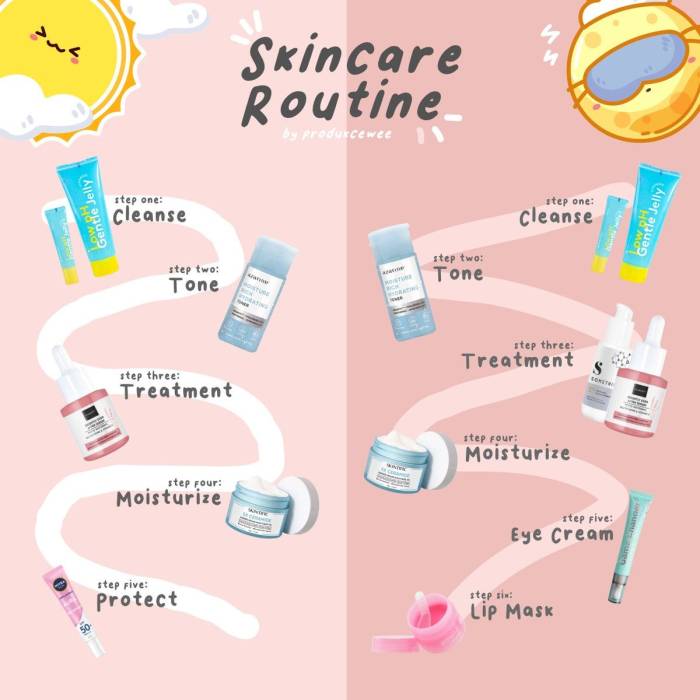
A well-structured daily skincare routine is essential for achieving and maintaining glowing skin. Following specific steps in a consistent order allows the skin to effectively absorb products and maximize their benefits. Whether morning or evening, each step plays a crucial role in enhancing skin health.In the daily skincare routine, products are applied in a specific sequence to cleanse, hydrate, and protect the skin.
Understanding these steps will help you build a routine that caters to your skin type and concerns. Below are the vital components of both morning and evening skincare routines, along with examples of suitable products.
Morning Skincare Routine Steps, Skincare routine for glowing skin
The morning routine focuses on preparing the skin for the day while providing hydration and protection from environmental stressors. Each step is designed to enhance skin vitality throughout the day.
- Cleanser: Start your day by cleansing your skin to remove any impurities accumulated overnight. Look for a gentle cleanser that suits your skin type.
Example: CeraVe Hydrating Facial Cleanser is a great option for dry skin, while the La Roche-Posay Effaclar Purifying Foaming Gel works well for oily skin.
- Toner: Applying toner helps to balance the skin’s pH and prepare it for subsequent products. Choose an alcohol-free toner to avoid irritation.
Example: Thayers Witch Hazel Toner is a popular choice for its soothing properties.
- Serum: This step adds concentrated nutrients to your skin. Select a serum based on your skin concerns, such as Vitamin C for brightening or hyaluronic acid for hydration.
Example: The Ordinary Niacinamide 10% + Zinc 1% is excellent for reducing blemishes.
- Moisturizer: Lock in hydration with a suitable moisturizer. A lightweight formula is ideal for daytime use.
Example: Neutrogena Hydro Boost Gel-Cream is perfect for oily to combination skin.
- Sunscreen: Protect your skin from harmful UV rays with a broad-spectrum sunscreen. This is a non-negotiable step in any morning routine.
Example: EltaMD UV Clear Broad-Spectrum SPF 46 is suitable for sensitive or acne-prone skin.
Evening Skincare Routine Steps
The evening skincare routine focuses on repairing and rejuvenating the skin overnight. It typically involves more intensive treatment options to address specific skin issues.
- Cleanser: Use a cleanser to remove makeup, sunscreen, and impurities from the day. Consider a double cleansing method if you have heavy makeup on.
Example: The Banila Co Clean It Zero Cleansing Balm effectively removes makeup.
- Toner: As in the morning, toner prepares the skin for the following treatments. It can also help in removing leftover residue.
Example: Kiehl’s Calendula Herbal Extract Toner is excellent for calming the skin.
- Serum: In the evening, opt for serums with active ingredients that work during the night, such as retinol for anti-aging.
Example: RoC Retinol Correxion Deep Wrinkle Night Cream is known for its effective retinol formula.
- Eye Cream: The skin around the eyes is delicate and prone to signs of aging. Use a dedicated eye cream to hydrate and reduce puffiness.
Example: Olay Eyes Brightening Eye Cream is effective in reducing dark circles.
- Moisturizer: Apply a richer moisturizer to nourish the skin overnight and support skin barrier repair.
Example: Laneige Water Sleeping Mask provides intense overnight hydration.
Exfoliation Techniques
Exfoliation plays a critical role in maintaining glowing skin by removing dead skin cells, unclogging pores, and promoting cell turnover. Understanding the different exfoliation methods and their specific benefits is essential for achieving radiant skin. Here, we will explore the two primary types of exfoliation: physical and chemical, as well as the recommended frequency of exfoliation for various skin types.
Methods of Exfoliation
Exfoliation can be categorized into two main methods—physical exfoliation and chemical exfoliation. Each method has its unique advantages and is suited to different skin types and concerns.
- Physical Exfoliation: This method involves manually scrubbing the skin using granular products such as scrubs, brushes, or sponges. It provides immediate results by physically removing dead skin cells. Popular physical exfoliants include sugar scrubs, coffee scrubs, and exfoliating gloves.
- Chemical Exfoliation: This technique utilizes chemical agents like alpha hydroxy acids (AHAs) and beta hydroxy acids (BHAs) to dissolve dead skin cells and promote skin renewal. Common chemical exfoliants include glycolic acid, salicylic acid, and lactic acid. They penetrate deeper into the skin and are ideal for addressing specific issues like acne or hyperpigmentation.
Frequency of Exfoliation for Different Skin Types
The frequency of exfoliation largely depends on your skin type and its sensitivity. Adhering to the right schedule can enhance your skin’s texture and glow without causing irritation.
- Oily Skin: Individuals with oily skin can benefit from exfoliating 2-3 times a week to help control excess oil and prevent breakouts.
- Dry Skin: Those with dry skin should limit exfoliation to once a week to avoid exacerbating dryness or irritation.
- Sensitive Skin: If you have sensitive skin, it’s advisable to exfoliate only once every two weeks using gentle products to minimize redness and irritation.
- Combination Skin: For combination skin, exfoliating once a week is usually sufficient, focusing on oilier areas more frequently while being gentle on drier zones.
Selecting the Right Exfoliant for Glowing Skin
Choosing the appropriate exfoliant is crucial for achieving and maintaining glowing skin. Here are some tips to guide your selection process:
- Identify Your Skin Type: Understanding if your skin is oily, dry, sensitive, or combination will help narrow down suitable products.
- Consider Your Skin Concerns: If you struggle with acne, look for exfoliants containing salicylic acid. For uneven skin tone, glycolic acid can be beneficial.
- Check Product Ingredients: Opt for natural, gentle exfoliants if you have sensitive skin. Look for ingredients like jojoba beads or fruit enzymes that provide a mild exfoliating effect.
- Patch Test New Products: Before fully integrating a new exfoliant into your routine, perform a patch test to ensure there is no adverse reaction.
Regular exfoliation, tailored to your skin type and concerns, can result in a significantly brighter and healthier complexion.
Hydration and Moisturization
Source: medium.com
Achieving glowing skin goes beyond just cleansing and exfoliating; hydration and moisturization play crucial roles in maintaining a healthy, radiant complexion. Proper hydration helps to keep the skin plump, reduces the appearance of fine lines, and enhances overall skin texture. When skin is well-hydrated, it also creates a natural barrier against environmental aggressors, improving its resilience and health.
Hydration is vital for every skin type, as it helps to maintain the skin’s natural balance and elasticity. Dry skin can lead to irritation and dullness, while oily skin may still require hydration to prevent excess oil production. To effectively lock in moisture, it’s essential to use products that enhance moisture retention. Below is a list of ingredients known for their superior hydrating properties:
Key Ingredients for Moisture Retention
Utilizing the right ingredients can significantly enhance your skin’s ability to retain moisture. Consider incorporating the following into your skincare routine:
- Hyaluronic Acid: A power-packed humectant that can hold up to 1000 times its weight in water, making it perfect for all skin types.
- Glycerin: An effective moisturizer that draws moisture from the environment into the skin, providing lasting hydration.
- Urea: Known for its ability to soften skin and improve moisture retention, especially in dry areas.
- Squalane: A lightweight oil that mimics the skin’s natural oils, providing hydration without a greasy feel.
- Aloe Vera: A soothing ingredient that not only hydrates but also calms the skin, ideal for sensitive types.
In addition to using topical products, staying hydrated internally is equally important. Below is a suggested hydration schedule that incorporates both water intake and topical hydration products to enhance skin glow:
Hydration Schedule for Glowing Skin
Maintaining a consistent hydration schedule can improve your skin’s overall health and appearance. Follow this simple daily routine:
| Time | Activity |
|---|---|
| Upon Waking | Drink 1 glass of water (8 oz) to kickstart hydration. |
| Morning Skincare Routine | Apply a hydrating serum containing hyaluronic acid followed by a moisturizer. |
| Midday | Drink another glass of water and consider using a hydrating mist for a refreshing boost. |
| Afternoon | Reapply moisturizer if needed, especially in dry environments. |
| Evening Skincare Routine | Apply a heavier moisturizer or overnight mask to lock in moisture while you sleep. |
| Before Bed | Drink 1 final glass of water to ensure hydration during the night. |
Consistent hydration, both internally and externally, is key to achieving and maintaining glowing skin.
Sun Protection
Source: thefireinsidesade.com
Sun protection is a vital aspect of any skincare routine, especially if you desire glowing and healthy skin. The sun emits harmful ultraviolet (UV) rays that can lead to skin damage, premature aging, and increase the risk of skin cancer. Incorporating sunscreen into your daily regimen is essential for defending your skin against these harmful effects, ensuring a radiant complexion for years to come.Sunscreen plays a significant role in skincare by acting as a barrier that absorbs or reflects UV radiation.
There are two primary types of UV rays: UVA rays, which penetrate deeply into the skin and are linked to aging, and UVB rays, responsible for sunburn. Effective sunscreens protect against both types, making it crucial to choose the right formula for your needs.
Types of Sunscreens
Understanding the different types of sunscreens available can help you select the best product for your skin type and lifestyle. Here’s a breakdown of the main types of sunscreens:
- Chemical Sunscreens: These contain organic compounds that absorb UV radiation and convert it into heat, which is then released from the skin. Examples include avobenzone, octisalate, and octocrylene. They are often lightweight and suitable for everyday wear.
- Physical (Mineral) Sunscreens: Formulated with active mineral ingredients like zinc oxide or titanium dioxide, these sit on top of the skin to deflect UV rays. They are typically better for sensitive skin and provide immediate protection upon application.
- Hybrid Sunscreens: Combining both chemical and physical blockers, these products offer broad-spectrum protection while addressing concerns like skin sensitivity and cosmetic feel. They provide a versatile option for various skin types.
When selecting a sunscreen, consider the SPF (sun protection factor) rating. SPF 30 blocks about 97% of UVB rays, while SPF 50 blocks approximately 98%. Higher SPF values may provide slightly more protection but can create a false sense of security if not applied correctly.
Daily Sun Protection Practices
Incorporating sun protection into your daily routine is essential for maintaining healthy skin. Here’s a checklist of practices to ensure you’re adequately protected from the sun:
Adopting these daily sun protection habits will safeguard your skin and enhance its overall appearance:
- Apply a broad-spectrum sunscreen with at least SPF 30 every day, even on cloudy days.
- Reapply sunscreen every two hours, or immediately after swimming or sweating.
- Use enough sunscreen—about one ounce (a shot glass full) for full body coverage.
- Wear protective clothing, such as long sleeves and wide-brimmed hats, when outdoors.
- Seek shade during peak sun hours, typically between 10 a.m. and 4 p.m.
- Accessorize with UV-blocking sunglasses to protect your eyes and the delicate skin around them.
“Consistent sun protection is the most effective way to combat premature aging and maintain youthful, glowing skin.”
Understanding the importance of sun protection and adhering to these practices can significantly enhance your skincare routine, allowing your skin to remain radiant and healthy, free from the damaging effects of UV exposure.
Nighttime Skincare Routine
The nighttime skincare routine is an essential component of achieving and maintaining glowing skin. While you sleep, your skin undergoes a natural repair process, making it the perfect opportunity to nourish and rejuvenate. A dedicated nighttime regimen allows your skin to recover from daily stressors, replenish moisture, and enhance the overall appearance of your complexion.Creating an effective nighttime skincare routine involves choosing the right products that will aid in skin repair and hydration.
Here are some key products to consider incorporating into your nightly regimen:
Essential Products for Nighttime Skincare
To maximize the benefits of your nighttime routine, it is crucial to select products that align with your skin type and concerns. The following products should be included for optimal results:
- Gentle Cleanser: A mild cleanser to remove makeup and impurities without stripping the skin’s natural oils.
- Toner: A hydrating toner can help balance the skin’s pH levels and prep it for subsequent products.
- Serum: Targeted serums containing ingredients like hyaluronic acid, vitamin C, or retinol can boost hydration and promote cell turnover.
- Eye Cream: A nourishing eye cream can address dark circles and puffiness, providing a youthful appearance.
- Moisturizer: A rich, nourishing moisturizer locks in hydration, ensuring your skin stays soft and supple overnight.
- Facial Oil: Adding a facial oil can enhance moisture retention, especially for dry or dehydrated skin.
In addition to using the right products, incorporating treatments such as serums and oils into your nighttime routine can elevate results significantly. Here are some tips for seamless integration:
Incorporating Treatments Effectively
Integrating treatments into your nightly skincare routine can enhance skin repair and hydration. Here are some recommendations:
- Layer Appropriately: Apply products in order from thinnest to thickest. Start with cleansers and toners, followed by serums, and finish with moisturizers and oils.
- Allow Time for Absorption: Wait a few minutes between applying different products to allow each layer to absorb fully into the skin.
- Use Targeted Applications: Apply serums directly to areas of concern, like fine lines or dark spots, for more effective treatment.
- Don’t Overdo It: Stick to a few key products rather than layering too many treatments, as this can lead to irritation or clogged pores.
By following these guidelines and choosing the right products, your nighttime skincare routine can become a restorative ritual that promotes healthy, glowing skin.
Nutrition and Skincare
A well-rounded skincare routine often emphasizes topical products, but what you put into your body is equally important. Nutrition plays a pivotal role in maintaining skin health and achieving that coveted glow. Your skin reflects your overall health, and a balanced diet can lead to vibrant, radiant skin.The impact of diet on skin health is profound. Foods rich in essential nutrients can combat inflammation, enhance hydration, and promote skin cell regeneration.
For instance, antioxidants found in fruits and vegetables help protect the skin from oxidative stress, while healthy fats contribute to maintaining the skin’s barrier function. Regularly incorporating specific foods into your diet can significantly influence your skin’s appearance.
Foods that Promote Glowing Skin
Incorporating a variety of skin-friendly foods into your diet can elevate your skin’s health. Below are some examples of foods that can help you achieve radiance:
- Berries: Rich in antioxidants, berries like blueberries and strawberries help combat free radicals, which can cause premature aging.
- Leafy Greens: Spinach and kale are packed with vitamins A, C, and K, which are essential for skin repair and rejuvenation.
- Avocado: Loaded with healthy fats and vitamins E and C, avocados promote skin elasticity and hydration.
- Fatty Fish: Salmon and mackerel are excellent sources of omega-3 fatty acids, which help reduce inflammation and keep skin moisturized.
- Sweet Potatoes: High in beta-carotene, sweet potatoes can help protect your skin from sun damage and promote a healthy glow.
- Nuts and Seeds: Almonds and chia seeds provide essential fatty acids and vitamin E, which are crucial for skin hydration and protection.
- Green Tea: This beverage contains polyphenols that can help reduce inflammation and improve skin hydration.
A skin-friendly diet doesn’t have to be complicated. Planning meals that nourish your skin can be simple and enjoyable. Below is a sample meal plan designed to boost your skin’s health and appearance.
Sample Meal Plan for Skin-Friendly Nutrition
This meal plan consists of nutrient-rich foods aimed at promoting healthy, glowing skin.
| Meal | Options |
|---|---|
| Breakfast | Oatmeal topped with sliced almonds and fresh berries, paired with a cup of green tea. |
| Snack | Sliced cucumber with hummus or a handful of walnuts. |
| Lunch | Quinoa salad with spinach, cherry tomatoes, avocado, and grilled salmon drizzled with lemon dressing. |
| Snack | A smoothie made with spinach, banana, and almond milk. |
| Dinner | Stir-fried tofu with broccoli, bell peppers, and sweet potatoes, served with brown rice. |
| Dessert | Greek yogurt topped with honey and chia seeds. |
Integrating these foods into your daily meals can not only support your overall health but also enhance your skin’s vitality and radiance. Remember, a consistent approach to nutrition will yield the best results for glowing skin.
Lifestyle Factors

Source: co.za
Maintaining glowing skin goes beyond just skincare products; it also involves understanding the impact of lifestyle factors, particularly sleep, stress, and exercise. These elements can significantly influence how our skin looks and feels. Let’s explore how they play a role in achieving that radiant complexion.
Sleep and Stress Effects on Skin
Adequate sleep and effective stress management are crucial for healthy skin. Lack of sleep can lead to various skin issues such as dryness, puffiness, and dark circles. Stress, on the other hand, tends to trigger the release of hormones like cortisol, which can increase oil production and contribute to acne and other skin problems. To enhance sleep quality, consider establishing a regular sleep schedule, creating a calming bedtime routine, and minimizing screen time before bed.
Stress management techniques such as deep breathing, meditation, or yoga can also foster a more relaxed state, helping to improve overall skin health.
Practices for Enhancing Sleep Quality
Improving sleep quality is essential for rejuvenating the skin. Here are some effective practices to consider:
- Consistent Sleep Schedule: Aim to go to bed and wake up at the same time every day to regulate your body’s internal clock.
- Calming Bedtime Ritual: Engage in activities like reading or taking a warm bath to signal to your body that it’s time to wind down.
- Comfortable Sleep Environment: Ensure your bedroom is dark, cool, and quiet to promote restful sleep.
- Limit Stimulants: Avoid caffeine and heavy meals close to bedtime to prevent disruptions in sleep.
Importance of Exercise for Skin Health
Regular physical activity is not just beneficial for overall health but also plays a significant role in skin appearance. Exercise promotes blood circulation, which helps deliver oxygen and nutrients to skin cells, contributing to a healthy glow. Additionally, sweating during workouts helps to unclog pores and can assist in the elimination of toxins.Incorporating a variety of moderate to vigorous exercises into your routine can effectively enhance your skin’s vitality.
Activities such as running, cycling, or even brisk walking can provide these benefits.
“Regular exercise helps improve skin health by increasing blood flow and reducing stress.”
Integrating these lifestyle factors into your daily routine can lead to remarkable improvements in skin appearance, making your journey to glowing skin even more effective.
Seasonal Adjustments
As the seasons change, so do our skin’s needs. Adapting your skincare routine to align with the climate can make a significant difference in maintaining a radiant complexion year-round. Each season brings distinct environmental factors that can either benefit or challenge your skin. Understanding these changes is crucial for achieving that coveted glow.The skin behaves differently depending on the temperature, humidity, and exposure to sunlight throughout the year.
For instance, winter’s cold, dry air can strip moisture from the skin, while summer’s heat can lead to increased oil production and breakouts. Adjusting your skincare products and routines accordingly can help keep your skin balanced and healthy, regardless of the season.
Seasonal Skincare Tips
To effectively manage your skincare routine with the changing seasons, here are some essential tips to consider:
- Spring: Focus on exfoliation to remove winter’s dullness. Incorporate lightweight moisturizers and antioxidants like vitamin C to brighten the skin.
- Summer: Opt for gel-based moisturizers and non-comedogenic products to prevent clogged pores. Always prioritize sun protection with a broad-spectrum SPF.
- Autumn: Switch to richer moisturizers as the air becomes drier. Consider adding hydrating serums to combat moisture loss.
- Winter: Use thicker creams and oils to nourish dry skin. Incorporate humidifiers to maintain moisture in the air, which helps prevent skin from becoming too dry.
The climate significantly affects skin behavior and product choices. For example, in humid climates, lighter formulations are best, as heavy creams can lead to clogged pores. Conversely, in dry climates, heavier creams or oils can help lock in moisture. Not only does understanding your environment aid in choosing the right products, but it also influences how often you should apply them.
The key to glowing skin year-round is adjusting your skincare routine according to seasonal changes and your skin’s needs.
DIY Skincare Products: Skincare Routine For Glowing Skin
Creating your own skincare products at home can be a fun and rewarding experience. DIY skincare not only allows you to customize treatments to suit your skin’s unique needs, but it also helps you avoid the harsh chemicals often found in store-bought products. With natural ingredients at your disposal, you can whip up masks and scrubs that promote a radiant glow without breaking the bank.Homemade skincare products often utilize simple ingredients readily available in your kitchen.
These natural components can be incredibly beneficial for the skin, providing nourishment, hydration, and protection. Many store-bought products claim to offer similar benefits but can include synthetic additives that might irritate sensitive skin. By using natural ingredients, you can create tailored solutions while knowing exactly what you’re putting on your skin.
Recipes for Homemade Masks and Scrubs
Here are some easy recipes that you can try at home to promote glowing skin: Honey and Oatmeal Face Mask
Ingredients
2 tablespoons of honey, 1 tablespoon of finely ground oatmeal.
Benefits
Honey is a natural humectant, drawing moisture into the skin, while oatmeal soothes and gently exfoliates.
Instructions
Mix the ingredients into a paste. Apply to a clean face and leave on for 15-20 minutes before rinsing with warm water. Coffee Scrub
Ingredients
1 cup of coffee grounds, 1/2 cup of coconut oil, 1/2 cup of brown sugar.
Benefits
Coffee helps to stimulate blood flow and reduce puffiness, while coconut oil provides deep moisture.
Instructions
Combine all ingredients in a bowl. Gently rub onto damp skin in circular motions and rinse thoroughly.
Benefits of Natural Ingredients
Natural ingredients boast numerous advantages for skin health. Here’s a look at some key benefits:
- Non-toxic: Natural products are free from synthetic chemicals, reducing the risk of irritation.
- Rich in Nutrients: Ingredients like avocados, honey, and yogurt are packed with vitamins and minerals essential for skin health.
- Customizable: Tailor recipes to your skin type by mixing and matching ingredients based on your needs.
Safety Guidelines for Homemade Products
While making your own skincare products is generally safe, there are guidelines to follow to ensure effectiveness and safety:
- Always perform a patch test before applying any new product to your face. This helps to identify any allergic reactions.
- Use clean utensils and containers to avoid contamination and maintain hygiene.
- Store homemade products in a cool, dry place and use them within a week or two to prevent spoiling.
- If you have sensitive skin or specific conditions, consult with a dermatologist before trying new homemade formulations.
By following these recipes and guidelines, you can enjoy the benefits of glowing skin through the power of DIY skincare.
Last Word
In conclusion, adopting a structured skincare routine for glowing skin can transform not only your complexion but also your confidence. By incorporating proper hydration, sun protection, and nourishing ingredients, along with mindful lifestyle choices, you can achieve the radiant skin you’ve always wanted. Remember, consistency is key, so stick to your routine and enjoy the journey to a more luminous you!
FAQ Guide
How often should I exfoliate my skin?
It is generally recommended to exfoliate 1-3 times a week, depending on your skin type and the exfoliation method used.
Can I use the same products for day and night?
While some products can be used both day and night, it’s beneficial to use specific products tailored for nighttime repair.
What foods promote glowing skin?
Foods rich in antioxidants, like berries, nuts, and green leafy vegetables, can help promote glowing skin.
Is it necessary to use a toner?
While not absolutely necessary, a toner can help balance your skin’s pH and remove any leftover impurities.
What is the best way to protect my skin from the sun?
Using a broad-spectrum sunscreen with an SPF of at least 30 daily is crucial for protecting your skin from sun damage.