Blog

  • Therapist for anxiety A Comprehensive Guide

    Therapist for anxiety is a crucial resource for individuals navigating the complexities of anxiety disorders. As anxiety affects millions across various demographics, understanding its nuances and the role of therapy becomes essential. This guide delves into the different types of anxiety disorders, the therapist’s pivotal role in treatment, and effective therapeutic approaches that pave the way to recovery.

    From cognitive-behavioral therapy techniques to recognizing when professional help is needed, we will explore how therapists tailor their methods to meet individual needs, promoting healing and well-being. With practical tips on preparing for therapy sessions and overcoming stigmas, this overview aims to empower readers to take proactive steps towards managing anxiety.

    Understanding Anxiety Disorders

    Anxiety disorders are among the most common mental health conditions worldwide, affecting millions of people across different age groups and backgrounds. Understanding these disorders is crucial for effective treatment and support. This section delves into the various types of anxiety disorders, their symptoms, and the distinction between normal anxiety and clinical anxiety disorders. Anxiety disorders encompass several specific conditions, each characterized by distinct symptoms and triggers.

    The main types include:

    • Generalized Anxiety Disorder (GAD): Persistent and excessive worry about various aspects of life, including work, health, and social interactions.
    • Panic Disorder: Recurrent and unexpected panic attacks, characterized by sudden feelings of intense fear accompanied by physical symptoms like heart palpitations and shortness of breath.
    • Social Anxiety Disorder: Intense fear of social situations, leading to avoidance of interactions and performance situations due to fear of embarrassment or judgment.
    • Specific Phobias: Extreme fear of specific objects or situations, such as heights, animals, or flying, which can lead to avoidance behaviors.
    • Obsessive-Compulsive Disorder (OCD): Characterized by unwanted thoughts (obsessions) and repetitive behaviors (compulsions) performed to reduce anxiety.
    • Post-Traumatic Stress Disorder (PTSD): May develop after exposure to a traumatic event, featuring flashbacks, avoidance of reminders, and heightened arousal.

    Understanding the prevalence of anxiety disorders reveals their significant impact on various demographics. Research indicates that anxiety disorders affect approximately 18% of adults in the United States, with women being diagnosed more frequently than men. Anxiety can also manifest in children and adolescents, with about 7% of youth experiencing an anxiety disorder each year. Normal anxiety differs from anxiety disorders in intensity and duration.

    While it is common to feel anxious during challenging situations—like public speaking or job interviews—these feelings typically dissipate after the event. In contrast, anxiety disorders involve persistent and excessive worry that interferes with daily functioning and quality of life. For instance, an individual with GAD may find themselves constantly worried about future events, even when no immediate threat exists, making it difficult to focus on daily tasks.Understanding these distinctions is vital for recognizing when anxiety may require professional intervention and support.

    Role of a Therapist in Treating Anxiety

    Therapist for anxiety

    Source: wixstatic.com

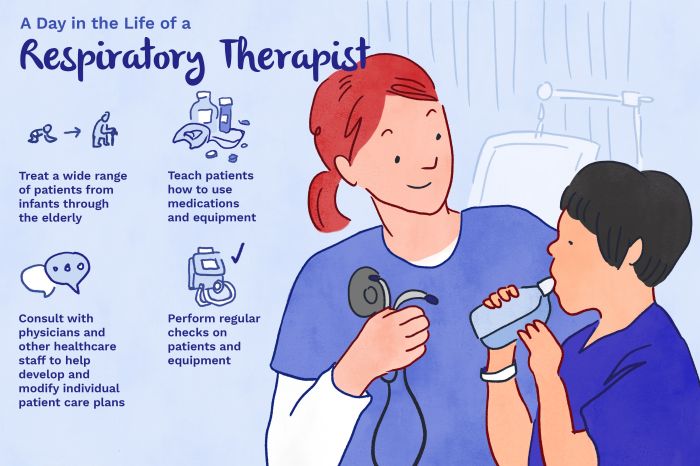
    Therapists play a crucial role in managing anxiety disorders. They are trained professionals who assist individuals in understanding their anxiety, developing coping strategies, and ultimately leading a more balanced life. The therapeutic process involves various responsibilities, from conducting assessments to providing support through tailored treatment plans.Therapists have several important functions in the treatment of anxiety. They begin by establishing a safe and trusting environment, where clients can openly discuss their feelings and experiences.

    This initial step is vital, as it lays the foundation for effective treatment. Additionally, therapists utilize various therapeutic techniques, such as cognitive-behavioral therapy (CBT), mindfulness practices, and exposure therapy, tailored to the individual’s specific anxiety type and personal circumstances.

    Importance of Building a Therapeutic Relationship

    An essential element of successful therapy is the therapeutic relationship between the client and the therapist. This bond fosters a sense of safety and trust, which encourages clients to explore their thoughts and feelings without fear of judgment. A strong therapeutic relationship has several key benefits:

    • Enhanced Communication: Clients are more likely to share sensitive information when they feel comfortable and understood.
    • Improved Engagement: A positive rapport motivates clients to actively participate in their treatment and adhere to their therapy plans.
    • Better Outcomes: Research indicates that a strong therapeutic alliance correlates with more effective treatment outcomes, as clients feel supported throughout their journey.

    Tailoring Treatment Plans to Individual Needs

    Every individual’s experience with anxiety is unique, necessitating personalized treatment plans. Therapists assess each client’s specific symptoms, triggers, and coping mechanisms to create a plan that suits their needs. This individualized approach includes:

    • Comprehensive Assessments: Therapists utilize standardized assessments and interviews to understand the severity and type of anxiety experienced.
    • Goal Setting: Clients and therapists collaborate to establish realistic and achievable goals tailored to the client’s life circumstances and values.
    • Flexible Techniques: Therapists may incorporate various therapeutic modalities, adjusting techniques as necessary based on the client’s progress and feedback.

    “The key to effective therapy is understanding the individual behind the symptoms.”

    By focusing on the unique aspects of each client’s experience, therapists can enhance the effectiveness of their interventions, ultimately leading to improved coping strategies and a better quality of life for clients dealing with anxiety.

    Therapeutic Approaches for Anxiety

    Step by Step Process in Getting a License in Massage Therapy - Fitness ...

    Source: pressidium.com

    Therapeutic approaches for anxiety encompass a range of strategies aimed at helping individuals manage their symptoms and improve their overall well-being. Two primary methods that have gained prominence in the field of mental health are Cognitive-Behavioral Therapy (CBT) and various alternative therapies. Understanding these approaches can empower individuals to make informed choices about their treatment.Cognitive-Behavioral Therapy (CBT) is a structured, time-limited psychotherapy that focuses on identifying and altering negative thought patterns and behaviors that contribute to anxiety.

    CBT has been shown to be highly effective, with numerous studies indicating significant reductions in anxiety symptoms among individuals who undergo this form of therapy. The core principle of CBT is that our thoughts, emotions, and behaviors are interconnected, and by transforming negative thinking, we can foster more positive emotional responses and behaviors.

    Cognitive-Behavioral Therapy (CBT)

    CBT involves several key components that help clients confront and manage their anxiety. These components include:

    • Identifying Negative Thoughts: Therapists assist clients in recognizing harmful thought patterns that exacerbate anxiety.
    • Challenging Cognitive Distortions: Clients learn to dispute irrational or exaggerated thoughts that create unnecessary anxiety.
    • Behavioral Activation: This involves encouraging clients to engage in activities that counteract avoidance behaviors often linked to anxiety.

    CBT has proven effective across various anxiety disorders, including Generalized Anxiety Disorder (GAD), Social Anxiety Disorder, and Panic Disorder. Studies have shown that approximately 60-75% of individuals undergoing CBT experience significant relief from their symptoms.

    Alternative Therapeutic Approaches, Therapist for anxiety

    In addition to CBT, there are several alternative therapies that can complement traditional treatment methods. These approaches address anxiety through diverse mechanisms, promoting relaxation and mindfulness.

    • Mindfulness Meditation: This practice involves focusing on the present moment and acknowledging thoughts and feelings without judgment, which can reduce anxiety and improve emotional regulation.
    • Exposure Therapy: Exposure therapy involves gradual exposure to anxiety-provoking stimuli, helping clients desensitize their fears in a controlled and supportive environment.
    • Yoga and Movement Therapies: Physical activities such as yoga have been associated with lower levels of anxiety and stress due to their focus on breath control and physical relaxation.
    • Art Therapy: Creative expression can serve as a powerful tool for processing emotions and reducing anxiety, allowing individuals to explore their feelings through various artistic forms.

    These alternative therapies have been found to reduce anxiety symptoms in varying degrees and can be used in conjunction with traditional therapies for a more comprehensive approach.

    Techniques Used in Therapy Sessions

    Therapists utilize a variety of techniques in therapy sessions to directly address anxiety symptoms. These techniques include:

    • Breathing Exercises: Deep breathing exercises help to calm the nervous system and reduce the physical symptoms of anxiety.
    • Grounding Techniques: Grounding techniques, such as the “5-4-3-2-1” method, help clients to focus on their immediate environment, alleviating feelings of panic.
    • Journaling: Encouraging clients to journal about their thoughts and feelings can help identify triggers and patterns in their anxiety.
    • Visualization: Guided imagery and visualization techniques can help clients envision calming scenarios, reducing feelings of anxiety.

    These techniques are often tailored to each individual, ensuring that therapy is as effective and supportive as possible.

    Identifying Signs to Seek Therapy

    Recognizing when to seek professional help for anxiety can be challenging, yet it’s crucial for fostering overall mental well-being. Anxiety can manifest in various ways, sometimes subtly, making it easy to dismiss as mere stress or temporary discomfort. Being aware of specific signs can help individuals take proactive steps toward recovery and enhance their quality of life.Untreated anxiety can significantly affect daily life, from negatively impacting work performance to straining personal relationships.

    Many individuals may find themselves withdrawing from social activities or feeling overwhelmed by routine tasks. Here are common signs indicating the need for professional help with anxiety:

    Common Signs Indicating the Need for Therapy

    It is important to understand the indicators that suggest anxiety might be more than just a temporary phase. The following points highlight the common signs that warrant seeking therapy:

    • Persistent feelings of worry or fear that are difficult to control.
    • Physical symptoms such as headaches, stomachaches, or unexplained aches that arise without a clear medical cause.
    • Difficulty concentrating or making decisions due to overwhelming anxiety.
    • Increased avoidance of situations that trigger anxiety, leading to isolation.
    • Disruption of daily life, such as missing work or social events due to anxiety.
    • Feelings of hopelessness or helplessness regarding the situation.

    “If anxiety is interfering with your ability to lead a fulfilling life, seeking help is a vital step.”

    Self-help methods can be effective for some individuals; however, there are instances where they may not suffice. Examples of situations where self-help may fall short include:

    When Self-Help Methods May Not Be Sufficient

    Certain circumstances indicate that anxiety may require professional intervention rather than reliance solely on self-help strategies. This can include scenarios where:

    • Self-help techniques such as meditation or journaling fail to alleviate symptoms over time.
    • Anxiety leads to panic attacks or intense physical reactions that are distressing and unmanageable.
    • Personal relationships or work performance significantly deteriorate due to anxiety symptoms.
    • Feelings of anxiety are accompanied by depression or thoughts of self-harm.

    Recognizing these signs is the first step toward seeking the support needed to manage anxiety effectively. Taking action can lead to a better understanding of one’s mental health and improved overall well-being.

    Preparing for Therapy Sessions

    Preparing for your initial therapy session can set the tone for your journey towards managing anxiety. Understanding what to expect and how to approach this experience can help ease your nerves and create a productive environment for both you and your therapist. This guide will walk you through the essential steps to ensure you are well-prepared for your first session.

    Information to Bring to the Therapist

    Bringing the right information to your therapy session can greatly enhance the effectiveness of your treatment. Here are some key items to consider:

    • Your Medical History: Include any past or current medical conditions, medications, and significant health issues. This helps the therapist understand your overall health context.
    • Anxiety Symptoms: Be prepared to discuss your specific anxiety symptoms, their duration, frequency, and intensity. This will give the therapist crucial insight into your condition.
    • Personal Background: Share information about your family, work, and social life. This helps the therapist grasp the broader context in which your anxiety exists.
    • Questions and Concerns: Write down any questions you have about the therapeutic process or concerns you wish to address. This ensures you don’t forget important points during the session.

    Setting Realistic Goals for Therapy

    Establishing clear and realistic goals for therapy is essential for tracking progress and staying motivated. Here are some guidelines to help you formulate your objectives:

    • Specific Goals: Rather than vague aspirations, focus on specific areas you want to improve, such as reducing panic attacks or learning coping strategies.
    • Measurable Outcomes: Consider setting measurable goals, such as attending therapy consistently or practicing anxiety-reducing techniques daily.
    • Achievable Targets: Ensure that your goals are achievable within a reasonable timeframe. Aim for gradual changes rather than immediate transformations.
    • Relevant Focus: Align your goals with your personal values and what matters most to you, whether it’s improving relationships, work performance, or self-esteem.
    • Time-Bound Objectives: Set a timeline for your goals. For instance, aim to assess your progress every few weeks to stay accountable and motivated.

    “Setting clear, realistic goals not only provides direction but also fosters a sense of accomplishment as you progress through therapy.”

    Overcoming Stigma Associated with Therapy

    Stigma surrounding therapy and mental health can create significant barriers for individuals seeking help. Misconceptions about therapy may deter people from pursuing the support they need to manage anxiety and other mental health issues. This section explores common misconceptions, strategies for promoting acceptance, and cultural influences that shape views on seeking help.Common misconceptions about therapy often stem from stereotypes and a lack of understanding.

    Many people believe that therapy is only for individuals with severe mental illness or that attending therapy signifies weakness. Others may think therapy is ineffective or that therapists simply provide generic advice without truly understanding their clients’ unique experiences. Such misconceptions can lead to feelings of shame and isolation, preventing individuals from seeking the support they need.

    Strategies for Promoting Awareness and Acceptance of Therapy

    To help overcome stigma, it is essential to promote awareness and acceptance of therapy. This can be achieved through various strategies, including:

    • Public Education: Workshops, seminars, and social media campaigns can provide information about mental health and the benefits of therapy, making it more accessible to the general public.
    • Personal Stories: Sharing personal experiences with therapy can foster understanding and relatability. When individuals speak openly about their journeys, it humanizes therapy and encourages others to seek help.
    • Encouraging Open Conversations: Creating safe spaces where people can discuss mental health issues without judgment can contribute to a culture of acceptance. This can occur in community settings, workplaces, and schools.
    • Involving Influencers: Engaging public figures or influencers to share their experiences with therapy can help normalize seeking help and reach wider audiences.

    Cultural factors play a crucial role in shaping attitudes towards seeking help. In many cultures, mental health issues are often stigmatized, seen as a sign of failure or a personal weakness. Traditional beliefs may prioritize self-reliance and discourage individuals from discussing their problems openly. In contrast, some cultures may have strong communal support systems, making it easier for individuals to seek help.Understanding these cultural nuances can guide therapists in addressing stigma.

    Culturally competent therapy recognizes the influence of cultural backgrounds on mental health perceptions and encourages practitioners to approach treatment with sensitivity. By acknowledging these factors, therapists can help clients navigate their feelings about seeking help while promoting acceptance and understanding in their communities.

    Evaluating Progress in Therapy

    Tracking progress in therapy for anxiety is essential for both the therapist and the patient, as it helps to establish whether the treatment is effective and what adjustments may be necessary. Progress evaluation not only creates a sense of accomplishment but also fosters motivation to continue working towards better mental health. This process often involves a combination of self-assessment by the patient and feedback from the therapist.Regularly assessing progress allows both parties to identify areas of improvement, set achievable goals, and address challenges that may arise during therapy.

    This ongoing dialogue plays a vital role in ensuring the therapeutic approach remains relevant and effective, ultimately leading to better outcomes for the patient.

    Methods for Tracking Progress

    To effectively monitor progress in therapy, various methods can be employed. These tools help quantify improvements and provide a clearer picture of the therapeutic journey. Here are some common methods used:

    • Self-Report Scales: Patients may use standardized questionnaires like the Beck Anxiety Inventory (BAI) or the Generalized Anxiety Disorder 7-item (GAD-7) scale. These tools allow individuals to rate their anxiety levels over time, providing measurable data for both the therapist and the patient.
    • Therapy Journals: Keeping a journal helps patients document their feelings, thoughts, and experiences outside of therapy sessions. This method encourages self-reflection, allowing patients to identify patterns in their anxiety and the effectiveness of coping strategies.
    • Session Feedback: Therapists often ask for feedback at the end of each session. This practice encourages open communication and enables adjustments to be made in real-time based on the patient’s feelings about the session and their progress.
    • Behavioral Observations: Therapists may observe changes in a patient’s behavior during sessions. Notable improvements, such as increased engagement or reduced avoidance behaviors, can be significant milestones in the treatment process.

    Milestones Indicating Improvement

    Recognizing milestones in therapy is crucial as they serve as markers of progress. These milestones can vary from person to person but often include:

    • Reduction in frequency or intensity of anxiety symptoms.
    • Enhanced ability to cope with anxiety-provoking situations without excessive distress.
    • Increased engagement in social activities or responsibilities that were previously avoided.
    • Improvement in daily functioning, such as work performance or academic achievement.
    • Development of effective coping strategies and techniques learned through therapy.

    Using Feedback to Adjust Treatment Plans

    Feedback is a fundamental component in evaluating progress and adapting treatment plans. It facilitates a collaborative therapeutic relationship, ensuring that the therapy remains tailored to the patient’s evolving needs. Here’s how feedback is utilized:

    • Identifying Strengths and Weaknesses: Regular feedback helps both the therapist and patient recognize which strategies are effective and which require re-evaluation or modification.
    • Adjusting Goals: As progress is made, therapy goals can be updated to reflect new challenges and aspirations, promoting ongoing growth.
    • Incorporating New Techniques: If certain approaches are not yielding desired results, feedback allows the therapist to introduce alternative therapeutic techniques or interventions.
    • Boosting Motivation: Positive feedback reinforces progress and encourages patients to stay committed to the therapeutic process, enhancing their overall motivation.

    Resources for Finding a Therapist

    Finding a qualified therapist who specializes in anxiety can be a critical step towards managing and overcoming anxiety disorders. With the right support, individuals can navigate their challenges and develop effective coping strategies. Knowing where to look and what to consider is essential in this journey.Verifying the qualifications and experience of a therapist is crucial. Professionals in the mental health field should possess relevant licenses and credentials, ensuring that they are trained to provide effective care.

    A therapist’s background can significantly impact the quality of therapy and the therapeutic relationship.

    Steps to Locate a Qualified Therapist Specializing in Anxiety

    To effectively find a therapist specializing in anxiety, follow these structured steps:

    1. Identify Your Needs

    Determine what specific issues you want to address in therapy, such as generalized anxiety, panic disorders, or social anxiety.

    2. Research Potential Therapists

    Look for therapists who list anxiety as a specialty. Utilize various resources such as:

    Professional directories

    Recommendations from friends or family

    Health care providers

    3. Check Credentials

    Ensure therapists have the proper licenses and certifications. This might include:

    Licensed Professional Counselor (LPC)

    Licensed Clinical Social Worker (LCSW)

    Psychologist (Ph.D. or Psy.D.)

    4. Schedule Consultations

    Many therapists offer initial consultations. Use this opportunity to ask about their experience with anxiety disorders and their therapeutic approach.

    5. Evaluate Comfort Level

    Assess how comfortable you feel during the initial meetings. A good therapeutic relationship is key to successful therapy.

    Importance of Verifying Credentials and Experience

    Validating a therapist’s credentials is vital to ensure you receive safe and effective treatment. Look for the following:

    Licensing

    Check if the therapist is licensed in your state and whether they have any disciplinary actions against them.

    Specialization

    Inquire about their experience with anxiety disorders specifically. More years of experience often correlate with better outcomes.

    Therapeutic Approach

    Understand the methods they use. Cognitive Behavioral Therapy (CBT) is widely recognized for treating anxiety.

    Online Platforms for Therapist Searches

    Several online platforms can assist you in locating a qualified therapist. These platforms can simplify your search and help you make informed decisions. Here are some reputable options:

    Psychology Today

    Offers a comprehensive directory of therapists, allowing you to filter by specialty, location, and insurance.

    TherapyDen

    A platform that focuses on inclusivity and allows you to search for therapists based on specific needs and identities.

    BetterHelp

    Provides online therapy with licensed professionals through messaging, chat, phone, or video sessions.

    Zocdoc

    Primarily known for booking medical appointments, it also includes mental health providers and patient reviews.Utilizing these resources can streamline the process of finding a therapist and ensure you receive the support you need to manage anxiety effectively.

    Coping Strategies Outside Therapy

    Managing anxiety effectively often requires a multi-faceted approach that extends beyond therapy sessions. Integrating self-help techniques, strong support systems, and healthy lifestyle changes can significantly enhance one’s ability to cope with anxiety. These strategies not only provide immediate relief but also empower individuals in their journey toward mental well-being.

    Self-Help Techniques

    Incorporating self-help techniques into daily routines can serve as a valuable complement to therapeutic practices. These strategies enable individuals to take an active role in managing their anxiety.

    • Mindfulness Meditation: Practicing mindfulness helps individuals stay present and focused, reducing anxiety by allowing them to observe thoughts without judgment.
    • Breathing Exercises: Techniques like deep breathing and box breathing can lower stress levels and promote relaxation during anxious moments.
    • Journaling: Writing about feelings and experiences helps in processing emotions and identifying triggers, fostering greater self-awareness.
    • Physical Activity: Regular exercise, such as walking or yoga, releases endorphins, which naturally alleviate anxiety and improve mood.
    • Time Management: Organizing tasks and setting realistic goals can reduce feelings of overwhelm that contribute to anxiety.

    Support Systems

    A strong support system plays a crucial role in managing anxiety. Friends, family, and community members can provide emotional support, encouragement, and practical assistance.

    • Open Communication: Sharing feelings and experiences with trusted individuals can foster understanding and lessen feelings of isolation.
    • Support Groups: Connecting with others who share similar experiences can create a sense of belonging and provide valuable coping strategies.
    • Accountability Partners: Having someone to check in with can motivate individuals to adhere to their coping strategies and therapeutic goals.

    Lifestyle Changes

    Adopting specific lifestyle changes can significantly promote mental well-being and aid in anxiety management.

    • Balanced Diet: Consuming a nutritious diet rich in fruits, vegetables, and whole grains supports brain health and stabilizes mood.
    • Sufficient Sleep: Prioritizing sleep hygiene and ensuring adequate rest is essential for mental clarity and emotional resilience.
    • Avoiding Substances: Limiting caffeine, alcohol, and recreational drugs can prevent exacerbation of anxiety symptoms.
    • Establishing Routines: Creating structured daily routines can provide stability and predictability, reducing feelings of chaos and anxiety.

    Conclusion
    Therapist for anxiety

    Source: thebalancecareers.com

    In conclusion, the journey with a therapist for anxiety can greatly enhance one’s quality of life. By understanding anxiety disorders and the therapeutic process, individuals can become more equipped to seek help and engage in effective treatment. Whether it’s through established methods like CBT or alternative therapies, the path to overcoming anxiety is not only achievable but also rewarding, fostering resilience and personal growth.

    FAQ Corner: Therapist For Anxiety

    What should I expect during my first therapy session?

    During your first session, the therapist will discuss your concerns, gather background information, and Artikel what therapy will involve.

    How long will therapy take?

    The duration of therapy varies by individual needs and goals, but many see improvements within a few months.

    Are there alternative therapies to consider?

    Yes, options like mindfulness, meditation, and exposure therapy can complement traditional therapy methods.

    Can I do anything to help myself before starting therapy?

    Engaging in self-help techniques, maintaining a healthy lifestyle, and reaching out to supportive friends or family can be beneficial.

    How do I know if my therapist is right for me?

    It’s important to feel comfortable and understood by your therapist; trust your instincts and consider seeking another if it doesn’t feel right.


  • Depression help near me for local support options

    Depression help near me sets the stage for this enthralling narrative, offering readers a glimpse into the invaluable resources available right in their local communities. For those grappling with depression, understanding the myriad symptoms and types can be a crucial first step towards seeking help. This overview will explore how local mental health services, supportive networks, and self-help strategies can significantly impact one’s journey toward recovery.

    Finding the right support can feel overwhelming, but it doesn’t have to be. From identifying qualified therapists to joining local support groups, the options are abundant and accessible. Let’s delve into the various avenues for assistance that can foster healing and connection.

    Understanding Depression

    Depression is a complex mental health condition that affects millions of individuals worldwide. It is characterized by persistent feelings of sadness, hopelessness, and a lack of interest or pleasure in activities once enjoyed. Recognizing the symptoms and understanding the different types of depression is crucial for seeking appropriate help and support.The symptoms of depression can manifest in various ways and may affect an individual’s emotional well-being, physical health, and daily functioning.

    Common signs include persistent sadness, irritability, fatigue, changes in appetite or sleep patterns, and difficulty concentrating. The experience of depression can vary widely, making it essential to understand its different forms.

    Types of Depression and Their Characteristics

    Understanding the various types of depression helps in recognizing the specific challenges individuals may face. The main types include:

    • Major Depressive Disorder: Characterized by severe symptoms that interfere with daily life, including intense feelings of sadness, worthlessness, and loss of interest in most activities.
    • Persistent Depressive Disorder (Dysthymia): A chronic form of depression lasting for at least two years, marked by ongoing feelings of sadness that may not be as severe as major depression but can significantly impact quality of life.
    • Bipolar Disorder: Involves episodes of depression alternating with periods of mania or elevated mood. The depressive phases may mirror symptoms of major depression.
    • Seasonal Affective Disorder (SAD): A type of depression that occurs at certain times of the year, usually in winter when daylight is limited. Symptoms typically improve with increased sunlight exposure.
    • Postpartum Depression: Affects women after childbirth, characterized by severe mood swings, exhaustion, and feelings of inadequacy as a mother.

    The impact of depression extends beyond individual feelings and can significantly affect daily life and relationships. Affected individuals may struggle with maintaining social connections, performing at work or school, and managing daily responsibilities. This often leads to a cycle of isolation, as those experiencing depression may withdraw from friends and family, further exacerbating their symptoms.

    “The effects of depression can ripple through every aspect of life, influencing relationships, job performance, and overall well-being.”

    Understanding these dynamics is vital for both individuals affected by depression and those around them. By recognizing the signs and types of depression, one can better navigate the path towards healing and support.

    Local Resources for Depression Help: Depression Help Near Me

    In the journey toward managing depression, accessing local resources can provide essential support and guidance. Various services are available, ranging from mental health clinics to individual therapy sessions, catering to different needs. Understanding the local landscape of mental health services can empower individuals to seek the help they need.Local mental health services encompass a wide array of options designed to address depression and related conditions.

    These services can include therapy, counseling, and community support groups, which play crucial roles in recovery. Below are some primary types of resources you can explore in your area.

    Types of Local Mental Health Services

    The variety of mental health services available can significantly impact your recovery process. Here’s a breakdown of the main types of resources you might find:

    • Therapists and Psychologists: Professionals who offer one-on-one counseling and therapy sessions tailored to individual needs.
    • Community Mental Health Clinics: Facilities that provide mental health services to the public, often on a sliding scale based on income.
    • Support Groups: Peer-led groups that offer a safe space for individuals to share experiences and coping strategies.
    • Hotlines: Confidential helplines that provide immediate support and guidance for those in crisis.
    • Hospitals and Emergency Services: Facilities that cater to severe mental health crises, offering immediate care and intervention.

    When seeking assistance, it is crucial to identify reputable clinics and therapists in your area. These professionals often have the expertise and experience to guide you through your treatment. Here are some steps you can take to find trusted resources:

    Reputable Clinics and Therapists

    Finding qualified mental health professionals is a vital step in seeking help for depression. The following approaches can help you locate reputable clinics and therapists:

    • Check local directories or health organization websites, which often list licensed professionals.
    • Consult with your primary care physician for referrals to trusted mental health providers.
    • Utilize online platforms that allow you to read reviews and compare therapists based on their specialties.
    • Reach out to local universities or colleges, as they may have counseling centers that offer services to the community.

    It’s essential to be aware of the supportive community resources available for those dealing with depression. These can enhance your recovery process and connect you with others who understand your experiences.

    Finding Local Support Groups and Community Resources

    Support groups and community resources can provide invaluable assistance in managing depression. Here are effective ways to find these resources in your locality:

    • Search for local non-profit organizations focused on mental health, which often host support groups.
    • Visit community centers that may offer workshops and classes related to mental wellness.
    • Utilize social media platforms and online forums to connect with local support networks.
    • Contact local mental health associations that can provide information on available resources and events.

    By exploring these local resources, individuals struggling with depression can find the necessary support and guidance to navigate their mental health journey effectively. Each resource plays a unique role in fostering a sense of community and encouraging healing.

    Seeking Professional Help

    When it comes to dealing with depression, seeking professional help can be a crucial step towards recovery. Finding the right therapist can feel overwhelming, but understanding the process can make it more manageable. Professional help offers a safe space to explore emotions, develop coping strategies, and gain insights into mental health challenges.Choosing the right mental health professional is essential for effective treatment.

    A good therapist can make a significant difference in your healing journey. Factors such as their qualifications, experience, and therapeutic approach matter greatly. Here are some steps to consider when looking for a therapist:

    Steps to Find a Therapist

    Finding a therapist involves several key steps that help ensure you connect with someone who meets your needs effectively. The following steps can guide you in your search:

    • Assess your needs: Consider what you are looking for in therapy, such as specific issues you’d like to address or the type of therapy you think might work best for you.
    • Research potential therapists: Look for professionals in your area, read their biographies, and check their credentials to ensure they are licensed and experienced.
    • Check for specialties: Some therapists specialize in areas like anxiety, trauma, or depression, so finding someone with relevant expertise can enhance your experience.
    • Consider logistics: Think about practical matters like location, availability, and whether they accept your insurance or offer sliding scale fees.
    • Schedule initial consultations: Many therapists offer free consultations, which can help you gauge whether you feel comfortable with their style and approach.

    Importance of Choosing the Right Therapist

    Selecting the right mental health professional can significantly impact your treatment outcomes. A strong therapeutic alliance fosters trust, openness, and collaboration, essential for effective therapy. Here are some reasons why this choice is vital:

    • Personal Comfort: Feeling comfortable with your therapist allows for open discussions about sensitive topics, which can lead to deeper insights.
    • Effective Treatment: Therapists use various methods; finding one whose approach resonates with you can enhance the effectiveness of treatment.
    • Commitment to Progress: A good fit can motivate you to stay committed to attending sessions and working through challenges.

    What to Expect During the First Therapy Session

    The first therapy session is an opportunity to lay the groundwork for your therapeutic journey. It usually involves several critical components that help establish a connection with your therapist:

    • Introduction: The therapist will introduce themselves and explain their approach to therapy, setting the tone for a collaborative relationship.
    • Gathering Information: Expect questions about your mental health history, current struggles, and any previous experiences with therapy.
    • Setting Goals: You will discuss what you hope to achieve in therapy, which helps in creating a focused treatment plan.
    • Discussing Logistics: The therapist will cover practical details, such as session frequency, fees, and confidentiality, to establish clear expectations.
    • Creating a Safe Space: The therapist will reassure you that the session is a judgment-free zone, encouraging you to share openly.

    “Establishing a strong therapeutic relationship is key to successful treatment, as it allows clients to feel understood and validated.”

    Support Systems

    Depression help near me

    Source: publicdomainpictures.net

    Support systems play a vital role in helping individuals cope with depression. Family and friends can have a significant impact on a person’s mental health journey, providing emotional support, understanding, and encouragement. Their involvement can make a considerable difference in the recovery process, fostering a sense of belonging and reducing feelings of isolation.The role of family and friends in supporting someone with depression cannot be overstated.

    They can provide a safe space for open conversations about mental health, offering a listening ear without judgment. This support can alleviate some of the burdens individuals face, allowing them to express their feelings more freely. Additionally, loved ones can help identify the signs of worsening depression and encourage professional intervention when necessary.

    Effective Communication with Loved Ones

    When discussing depression with family and friends, effective communication is key to fostering understanding and support. It is essential to approach these conversations with honesty and clarity. Here are strategies for facilitating these discussions:

    Choose the Right Time and Place

    Find a private and comfortable setting where both parties can speak openly without distractions.

    Be Honest About Your Feelings

    Use “I” statements to express your experiences, such as “I feel overwhelmed” or “I struggle with sadness.”

    Educate Your Loved Ones

    Share information about depression to help them understand your condition better. This knowledge can eliminate misconceptions and promote empathy.

    Encourage Questions

    Let your loved ones know that it’s okay to ask questions. This can help clarify their understanding and foster deeper conversations.

    Set Boundaries

    Explain what type of support you need and what might be unhelpful. Setting clear boundaries can guide how they can assist you effectively.

    Building a Support Network

    Creating a robust support network is essential for anyone dealing with depression. This network can consist of family, friends, mental health professionals, and support groups. Here are some strategies to help build this network:

    Reach Out to Trusted Individuals

    Identify family members or friends who are empathetic and willing to support you. Start by sharing your feelings with them.

    Join Support Groups

    Look for local or online support groups where you can connect with others experiencing similar challenges. These groups provide a platform for sharing experiences and coping strategies.

    Engage in Community Activities

    Participate in local events or organizations that interest you. Engaging with others in a supportive environment helps expand your social circle.

    Consult Mental Health Professionals

    Engage with therapists or counselors who can provide guidance and support. They can also help connect you with additional resources and groups.

    Building a support network is not only about seeking help; it’s about fostering meaningful connections that can uplift and empower you through your journey.

    Self-Help Strategies

    Finding effective ways to manage depression at home can be a game changer for many individuals. Incorporating self-help strategies into daily routines can help alleviate symptoms and promote a greater sense of well-being. These strategies empower individuals to take charge of their mental health in tangible ways, providing a sense of control and accomplishment.Developing coping mechanisms and making lifestyle changes are essential steps toward enhancing mental wellness.

    These approaches focus on addressing both the emotional and physical aspects of depression, making them holistic solutions. Incorporating small, manageable changes can lead to significant improvements over time.

    Coping Mechanisms for Managing Depression

    Implementing effective coping mechanisms is crucial for managing depression on a daily basis. Here are some practical methods to consider:

    • Mindfulness and Meditation: Practicing mindfulness helps anchor your thoughts in the present, reducing anxiety and promoting a sense of calm.
    • Journaling: Writing down feelings and thoughts can provide an outlet for emotions and help identify patterns that trigger depressive episodes.
    • Deep Breathing Exercises: Engaging in deep breathing can help reduce stress and create a sense of relaxation during overwhelming moments.
    • Creative Outlets: Activities such as painting, playing music, or crafting can serve as therapeutic outlets, allowing for emotional expression.
    • Establishing a Routine: Having a structured daily routine can provide a sense of normalcy and purpose, which is beneficial for mental health.

    Lifestyle Changes for Mental Wellness

    Making lifestyle changes can significantly impact mental wellness. Below are some changes that can foster a healthier mental state:

    • Balanced Nutrition: Eating a well-balanced diet rich in fruits, vegetables, whole grains, and lean proteins can support brain health and improve mood.
    • Consistent Sleep Schedule: Prioritizing a regular sleep routine can enhance mood stability and energy levels.
    • Limiting Alcohol and Caffeine: Reducing intake of substances that can exacerbate anxiety or depression is beneficial for mental clarity.
    • Social Connections: Staying connected with friends and family helps combat feelings of isolation and fosters a support network.
    • Personal Time: Allocating time for hobbies and interests outside of daily responsibilities can rejuvenate the spirit and provide joy.

    Importance of Physical Activity

    Physical activity plays a pivotal role in improving mood and combating depression. Engaging in regular exercise releases endorphins, which are natural mood lifters and can alleviate feelings of stress and anxiety. Here are some insights on how physical activity influences mental health:

    • Regular Exercise: Aim for at least 30 minutes of moderate exercise most days of the week, as it has been shown to reduce symptoms of depression.
    • Outdoor Activities: Spending time in nature while walking or hiking not only provides physical benefits but also enhances mood through exposure to sunlight.
    • Group Sports: Participating in team sports can build a sense of community and belonging, which is essential for emotional support.
    • Yoga and Stretching: These practices combine movement with mindfulness, promoting relaxation and reducing tension.

    “Exercise is not only a way to enhance physical health; it is a powerful tool for improving mental well-being.”

    Emergency Resources

    Depression help near me

    Source: publicdomainpictures.net

    In moments of crisis, having access to immediate support can make a significant difference. This section focuses on local hotlines and crisis centers that provide urgent assistance for individuals facing mental health emergencies. Recognizing the signs of a mental health crisis is crucial, as timely intervention can save lives and promote recovery.Understanding when someone is in crisis can help friends and family provide the necessary support.

    Here are some key indicators to be aware of:

    Signs of a Mental Health Crisis, Depression help near me

    It’s important to be aware of various signs that may indicate someone is experiencing a mental health crisis. Identifying these signs early can lead to quicker intervention and support. Some common signs include:

    • Severe mood swings or emotional distress
    • Withdrawal from social interactions or activities
    • Increased substance use or reckless behavior
    • Expressions of hopelessness or worthlessness
    • Talking about self-harm or suicide

    Recognizing these signs allows individuals to take action to provide or seek help.

    Local Hotlines and Crisis Centers

    Local resources are essential for immediate support. Here are notable hotlines and crisis centers that can assist during a mental health emergency:

    • National Suicide Prevention Lifeline: 1-800-273-TALK (8255)
      -Offers 24/7 support for those in distress or crisis.
    • Crisis Text Line: Text “HELLO” to 741741 – Provides free, 24/7 text support for individuals in crisis.
    • Local Mental Health Crisis Center: Many communities have these centers that offer immediate assistance and support.

    These resources are vital for those who need immediate help, ensuring that support is just a call or text away.

    Steps to Take in Crisis Situations

    In case someone is in immediate danger or requires urgent help, there are specific steps to follow that can guide you in providing the necessary support:

    1. Stay Calm

    Your demeanor can influence the person in crisis. Speak softly and reassure them that help is available.

    2. Assess the Situation

    Determine if the individual has the means to harm themselves or others. Understanding the severity of the situation is critical.

    3. Call for Help

    If the situation is life-threatening, contact emergency services (911 in the U.S.) or your local emergency number immediately.

    4. Listen Actively

    Provide a listening ear without judgment. Sometimes, the person in crisis needs to express their feelings.

    5. Stay with Them

    If safe, stay with the individual until help arrives. Your presence can be comforting and provide reassurance.

    Remember, timely intervention can be the key to preventing further harm and facilitating recovery.

    Online Resources and Telehealth

    The landscape of mental health care has evolved significantly, particularly with the advent of online resources and telehealth services. These platforms provide opportunities for individuals dealing with depression to access support and therapy without the constraints of traditional in-person visits. As more people seek help from the comfort of their homes, understanding the available options is crucial for effective management of mental health.Telehealth offers a modern approach to therapy and support, utilizing technology to bridge the gap between patients and mental health professionals.

    Various online platforms provide different types of services, from video therapy sessions to chat-based support. However, while telehealth has many advantages, it also presents challenges that users should consider.

    Comparison of Online Therapy Platforms

    There are numerous online platforms dedicated to mental health support, each offering unique features that cater to diverse needs. Here’s a brief overview of some popular options:

    • BetterHelp: This platform connects users with licensed therapists via messaging, phone, or video. It offers flexible scheduling and a wide range of therapists specializing in various issues, including depression.
    • Talkspace: Talkspace provides therapy through text, audio, and video messaging. Users can choose from various subscription plans to receive unlimited messaging or scheduled live sessions with therapists.
    • 7 Cups: This platform offers free emotional support through trained listeners and affordable online therapy with licensed professionals. It’s a good option for those looking for peer support or wanting to try therapy.
    • Ginger: Combining behavioral health coaching with therapy and psychiatry services, Ginger provides on-demand support via text messaging and video, making it accessible and user-friendly.

    Benefits and Challenges of Telehealth

    Telehealth brings several advantages to mental health care, including:

    • Accessibility: Individuals can access therapy from anywhere, eliminating geographical barriers and making it easier for those in remote areas to receive support.
    • Convenience: Scheduling flexibility allows users to choose times that work best for them, reducing the hassle of travel and wait times.
    • Anonymity: Some individuals may feel more comfortable discussing sensitive topics from the privacy of their homes, which can lead to more open communication with therapists.

    However, there are also challenges to consider:

    • Technology Dependence: Access to reliable internet and devices is essential, which can be a barrier for some individuals.
    • Lack of Personal Connection: Some people may find it harder to establish rapport with therapists over video or chat compared to face-to-face interactions.
    • Regulatory Issues: Telehealth services can vary by region, and not all therapists may be licensed to practice across state lines, affecting access.

    Reputable Websites and Apps for Depression Management

    Several websites and applications are instrumental in managing depression and providing resources for those in need. Here’s a curated list of reputable options:

    • National Alliance on Mental Illness (NAMI): Provides comprehensive resources and support, including a helpline and educational materials about mental health.
    • Headspace: An app focused on mindfulness and meditation, helping users incorporate mental wellness practices into their daily routines.
    • Mayo Clinic: Offers a wealth of information on various mental health conditions, including depression, along with tips for coping and treatment options.
    • Calm: A go-to app for relaxation, meditation, and sleep, which can benefit individuals struggling with anxiety and depressive symptoms.

    “Accessing mental health resources online can provide invaluable support and aid in managing depression effectively.”

    Community Engagement

    Community involvement plays a crucial role in supporting mental health, especially for individuals struggling with depression. Engaging with others not only fosters a sense of belonging but also provides diverse perspectives and resources that can aid in recovery. Local communities can act as pillars of support, encouraging individuals to share their experiences and feel understood.Participating in community mental health awareness events is an excellent way to contribute to this cause.

    These events raise awareness, reduce stigma, and promote mental health resources. Here are some effective ways to get involved:

    Ways to Participate in Local Mental Health Awareness Events

    Getting engaged in local mental health initiatives can be fulfilling and impactful. Here are some activities you can partake in:

    • Attend mental health workshops and seminars to gain knowledge and share insights.
    • Volunteer for local mental health organizations that focus on outreach and support programs.
    • Participate in community walks or runs, such as a mental health awareness 5K, which helps raise both funds and awareness.
    • Join or organize support groups where individuals can share their experiences and coping mechanisms.
    • Engage in social media campaigns that promote mental health awareness, encouraging others to share their stories.

    Numerous community initiatives aim to support individuals dealing with depression and create a more inclusive environment. These programs not only provide direct services but also foster connections among community members. Examples of such initiatives include:

    Examples of Community Initiatives Supporting Individuals with Depression

    Many communities have established programs specifically designed to assist those suffering from depression. Notable examples include:

    • Peer support groups that connect individuals with similar experiences, allowing them to share their journeys and learn from each other.
    • Community mental health fairs that offer free screenings, informational resources, and access to local mental health services.
    • Art and music therapy workshops that provide creative outlets for expression and healing.
    • Collaborations with local schools to implement mental health education and awareness programs aimed at children and teenagers.
    • Regular community gatherings, such as potlucks or meetups, to encourage friendship and connection among residents.

    Engaging in these community efforts not only helps those affected by depression but also strengthens the community as a whole by creating a culture of support and understanding.

    Closing Notes

    Being Too Nice Can Contribute to Depression

    Source: wallpaperflare.com

    In conclusion, seeking out depression help near me opens up a world of possibilities for recovery. By engaging with local resources, building support networks, and exploring self-help strategies, individuals can navigate their path toward improved mental health. Remember, reaching out is the first step, and there are many compassionate professionals and communities ready to help.

    Essential FAQs

    What types of services are available locally for depression?

    Local services for depression often include therapy clinics, counseling centers, and support groups.

    How do I find a therapist near me?

    You can search online directories, ask for referrals from friends or family, or consult with local mental health organizations.

    Can I attend support groups online?

    Yes, many local organizations offer virtual support groups that you can join from home.

    What if I have a mental health crisis?

    If you are in crisis, contact local emergency services or a crisis hotline immediately for support.

    Are there any free resources for mental health help?

    Many communities offer free or low-cost counseling services; it’s worth checking with local health departments or nonprofits.

  • Mental health treatment for adults A comprehensive guide

    Mental health treatment for adults is essential in today’s fast-paced world, where stress and anxiety can profoundly affect well-being. As more individuals recognize the significance of mental health, understanding the various treatment options available becomes crucial. From psychotherapy to medication, there are numerous avenues to explore for those seeking help, making it imperative to stay informed.

    With statistics revealing a growing prevalence of mental health disorders among adults, the need for effective treatment is more pressing than ever. This overview will navigate through the landscape of mental health treatment, highlighting its importance, types of therapies, and the support systems that can enhance the recovery process.

    Understanding Mental Health Treatment

    Mental health treatment encompasses a range of services designed to support individuals dealing with mental health issues. It is crucial for adults as it not only addresses symptoms but also improves overall well-being and quality of life. The importance of mental health treatment cannot be overstated, especially as mental health disorders can significantly affect daily functioning, relationships, and productivity.Statistics indicate a rising prevalence of mental health issues among adults.

    According to the National Institute of Mental Health (NIMH), nearly one in five adults in the United States experienced mental illness in 2021. This translates to approximately 53 million individuals. Furthermore, mental health disorders such as anxiety, depression, and substance abuse are among the leading causes of disability worldwide, highlighting the urgent need for effective treatment options.

    Prevalent Mental Health Disorders Among Adults

    Several mental health disorders commonly affect adults, each requiring specific treatment approaches. Understanding these disorders is essential for recognizing the need for timely intervention.

    • Anxiety Disorders: Characterized by excessive fear or worry, anxiety disorders are among the most common mental health issues. These include generalized anxiety disorder, panic disorder, and social anxiety disorder.
    • Major Depressive Disorder: Often simply referred to as depression, this disorder can lead to persistent feelings of sadness and loss of interest in activities once enjoyed, significantly impairing daily life.
    • Bipolar Disorder: This condition involves episodes of mood swings ranging from depressive lows to manic highs, affecting energy levels, activity, judgment, and behavior.
    • Post-Traumatic Stress Disorder (PTSD): PTSD may develop after experiencing or witnessing a traumatic event, leading to severe anxiety, flashbacks, and uncontrollable thoughts.
    • Obsessive-Compulsive Disorder (OCD): OCD is characterized by unwanted repetitive thoughts and behaviors, which can interfere with daily activities and cause significant distress.
    • Substance Use Disorders: These disorders involve the misuse of alcohol and drugs, which often co-occur with mental health issues, complicating treatment and recovery.

    “Mental health is not a destination, but a process. It’s about how you drive, not where you’re going.”

    Awareness of these prevalent disorders underscores the necessity of mental health treatment. Seeking help can lead to effective management and recovery, allowing individuals to lead fulfilling lives.

    Types of Mental Health Treatments

    Mental health treatment for adults

    Source: foresightmentalhealth.com

    Mental health treatment for adults encompasses a variety of approaches aimed at alleviating symptoms and improving overall well-being. Understanding the different types of mental health treatments available is crucial for individuals seeking help. These treatments can generally be categorized into psychotherapy, medication, and alternative therapies, each with its own unique benefits and potential drawbacks.

    Psychotherapy and Medication

    Psychotherapy, often referred to as talk therapy, involves working with a trained mental health professional to address emotional difficulties. It can take various forms, including cognitive-behavioral therapy (CBT), dialectical behavior therapy (DBT), and interpersonal therapy (IPT). On the other hand, medication can include antidepressants, anti-anxiety medications, and mood stabilizers, which are prescribed to help manage symptoms.The following points highlight the benefits and drawbacks of psychotherapy versus medication:

    • Benefits of Psychotherapy:
      • Encourages self-discovery and personal growth.
      • Helps develop coping strategies to manage stress and anxiety.
      • Can lead to lasting change by addressing root causes of mental health issues.
    • Drawbacks of Psychotherapy:
      • Requires a significant time commitment and consistency.
      • Not all individuals may find a therapist they connect with.
      • Results can vary based on individual willingness to engage in the process.
    • Benefits of Medication:
      • Can provide quick relief from severe symptoms.
      • May be necessary for individuals with biological components to their mental health issues.
      • Easy to integrate into daily routines, with options for long-term use.
    • Drawbacks of Medication:
      • Potential side effects, including weight gain and fatigue.
      • Risk of dependency or withdrawal symptoms.
      • Does not address underlying issues, often requiring concurrent therapy.

    Alternative Therapies

    Alternative therapies, such as art therapy and music therapy, provide creative outlets for individuals seeking to express emotions and cope with mental health challenges. These therapies can complement traditional treatments and offer unique benefits.Art therapy involves engaging in artistic activities, such as painting or drawing, to facilitate emotional expression and processing. Music therapy, on the other hand, utilizes music to promote healing and improve emotional well-being.

    The effectiveness of these therapies can be observed in various settings:

    • Art Therapy:
      • Can reduce anxiety, depression, and feelings of isolation.
      • Helps in expressing emotions that may be difficult to articulate verbally.
      • Encourages mindfulness and relaxation through creative processes.
    • Music Therapy:
      • Improves mood and emotional regulation through musical engagement.
      • Can enhance cognitive function and social skills when done in groups.
      • Often used in rehabilitation settings for trauma and PTSD recovery.

    Both art and music therapy have shown promising results in various clinical studies, indicating their potential benefits as adjuncts to more traditional forms of mental health treatment.

    “Alternative therapies can offer a fresh perspective and a new avenue for healing alongside conventional methods.”

    Evidence-Based Treatment Approaches

    Mental health treatment for adults

    Source: healthgroovy.com

    In the realm of mental health treatment, evidence-based approaches are essential for ensuring effective care for adults. These approaches are grounded in scientific research and clinical expertise, providing structured methods to help individuals overcome various mental health challenges. This section explores some of the most prominent evidence-based treatment modalities, focusing on their applications and effectiveness in treating conditions such as depression, anxiety, and emotional dysregulation.

    Cognitive Behavioral Therapy (CBT)

    Cognitive Behavioral Therapy (CBT) is a widely recognized evidence-based treatment designed to address a variety of mental health issues, particularly in adults. CBT operates on the premise that our thoughts, feelings, and behaviors are interconnected. By identifying and transforming negative thought patterns, individuals can learn healthier coping mechanisms and behaviors. This therapeutic approach is structured, typically involving a set number of sessions and specific goals.Key components of CBT include:

    • Identifying negative thoughts: Clients learn to recognize automatic negative thoughts that contribute to their distress.
    • Behavioral activation: Engaging in activities that promote positive emotions and reinforce adaptive behaviors.
    • Cognitive restructuring: Challenging and replacing irrational beliefs with more balanced thoughts.

    Research has shown that CBT is particularly effective for conditions such as depression and anxiety disorders, with studies indicating that approximately 50-75% of individuals report significant improvement after completing a course of CBT.

    Dialectical Behavior Therapy (DBT)

    Dialectical Behavior Therapy (DBT) is another evidence-based treatment that is especially beneficial for adults experiencing emotional dysregulation. Developed initially for treating borderline personality disorder, DBT has expanded its application to various conditions characterized by intense emotional responses. This therapy combines cognitive-behavioral techniques with mindfulness strategies, providing individuals with tools to manage their emotions more effectively.The core components of DBT include:

    • Mindfulness: Techniques that encourage clients to focus on the present moment and observe their thoughts and feelings nonjudgmentally.
    • Distress tolerance: Strategies for coping with and tolerating emotional pain, rather than trying to escape from it.
    • Emotional regulation: Skills to help clients understand and manage their emotional responses.
    • Interpersonal effectiveness: Techniques to improve communication and relationship-building skills.

    DBT’s structured framework and skills training have demonstrated effectiveness in reducing self-harming behaviors and improving emotional stability in adults.

    Efficacy of Various Evidence-Based Treatments for Depression and Anxiety Disorders

    When comparing the efficacy of different evidence-based treatments for depression and anxiety disorders, it is essential to consider the individual needs and responses of patients, as no single treatment is universally effective. The following treatments are frequently evaluated in clinical settings:

    • CBT: Proven to be effective for both depression and anxiety, with meta-analyses showing significant symptom reduction.
    • DBT: Particularly effective for individuals with co-occurring mood disorders and emotional dysregulation.
    • Medication: Antidepressants and anxiolytics may be beneficial, especially when combined with therapy; however, they come with potential side effects.
    • Mindfulness-based therapies: Techniques such as Mindfulness-Based Cognitive Therapy (MBCT) have shown promise in preventing relapse in depression.

    Research indicates that combining therapies often yields the best results. For instance, a study found that individuals receiving both CBT and medication for depression exhibited more significant improvement compared to those receiving either treatment alone. In summary, evidence-based treatment approaches like CBT and DBT serve as cornerstones in the effective management of adult mental health issues, offering structured techniques founded on solid research and practical applicability.

    Accessing Mental Health Services

    Finding the right mental health services can be a vital step towards improving emotional and psychological well-being. With numerous options available, it’s essential for adults to know how to navigate these resources effectively. This guide will highlight key ways to locate mental health services, choose a suitable professional, and understand the financial implications involved.

    Locating Mental Health Services

    Accessing mental health services begins with identifying the resources available in your area. Here are some effective strategies to find suitable services:

    • Online Directories: Websites like Psychology Today, GoodTherapy, or the National Alliance on Mental Illness (NAMI) offer searchable databases of therapists and mental health professionals based on location, specialties, and insurance acceptance.
    • Community Health Centers: Local community health centers often provide mental health services, sometimes on a sliding scale based on income. These centers can be a great starting point for those seeking affordable care.
    • Referrals: Asking for referrals from primary care physicians, friends, or family members can yield personal recommendations that might resonate with your needs and preferences.
    • Hotlines: Mental health hotlines can provide immediate guidance and support, helping you to understand your options and navigate available services.
    • Workplace Programs: Many employers offer Employee Assistance Programs (EAPs) that provide confidential mental health support and referrals.

    Choosing the Right Mental Health Professional

    Selecting a mental health professional is crucial to receiving effective treatment. Factors to consider while making this choice include:

    • Specialization: Different professionals have varying areas of expertise, such as anxiety, depression, trauma, or relationship issues. It’s important to choose someone experienced in addressing your specific concerns.
    • Approach: Familiarize yourself with various therapeutic approaches, including cognitive-behavioral therapy (CBT), dialectical behavior therapy (DBT), or psychodynamic therapy, to find a method that aligns with your preferences.
    • Credentials: Verify the professional’s qualifications, licenses, and certifications to ensure they meet required standards in the field.
    • Compatibility: An initial consultation can help assess whether you feel comfortable and understood by the therapist, which is vital for effective treatment.

    Financial Aspects of Mental Health Treatment

    Understanding the financial implications of mental health treatment is essential for planning and access. Here are the key aspects to consider:

    • Insurance Coverage: Many insurance plans cover mental health services, but the extent of that coverage can vary. Contact your insurance provider to inquire about specific benefits, co-pays, and required referrals.
    • Out-of-Pocket Costs: Determine potential costs if you are paying out-of-pocket. This can include session fees, materials for therapy, or any additional resources recommended by the professional.
    • Sliding Scale Fees: Some therapists offer a sliding scale fee structure based on income, making therapy more accessible for individuals with financial constraints.
    • Payment Plans: Discuss potential payment plans with your therapist, as many are willing to work with clients to make payments more manageable.
    • Community Programs: Investigate local resources and programs that provide free or low-cost mental health services, which are especially helpful for those without insurance.

    “Access to mental health services is not just about availability; it’s about finding the right fit for your needs and ensuring financial feasibility.”

    The Role of Family and Support Systems

    A supportive network can significantly enhance the mental health treatment experience for adults. Whether it’s family, friends, or community members, having people who understand and encourage individuals can lead to more effective outcomes in managing mental health challenges. Family and support systems play a crucial role in reinforcing positive behaviors, providing emotional support, and encouraging individuals to seek and adhere to treatment plans.

    Importance of a Supportive Network

    A supportive network serves as a safety net for adults undergoing mental health treatment. It can mitigate feelings of isolation and despair, often associated with mental health issues. Families that are actively involved in the treatment process can foster an environment of understanding and compassion, which is fundamental for recovery. Here are some ways families can support their loved ones:

    • Listening and Validation: Providing a non-judgmental space where individuals feel comfortable sharing their thoughts and feelings can be immensely helpful. Active listening promotes openness and trust.
    • Encouragement and Motivation: Families can help keep their loved ones motivated to stick with treatment plans and follow through with self-care practices.
    • Education and Awareness: Learning about mental health conditions can enable family members to understand what their loved ones are experiencing and how best to support them.
    • Participating in Therapy: Some therapy models encourage family involvement, allowing family members to better understand the treatment process and their loved one’s struggles.

    Community Resources for Mental Health Support

    Community resources provide an invaluable extension of support for adults in mental health treatment. These resources can complement family support and offer additional avenues for individuals to engage with others facing similar challenges. Here are some essential community resources:

    • Support Groups: These are designed for individuals experiencing similar mental health issues. They provide a space for shared experiences, which can foster a sense of belonging and reduce feelings of isolation.
    • Crisis Hotlines: Many communities offer 24/7 crisis support services that provide immediate assistance to those in distress.
    • Therapeutic Community Centers: These centers often provide a range of services, including counseling, workshops, and group activities that promote mental wellness.
    • Educational Workshops: Many organizations host workshops aimed at educating both individuals and families about mental health, coping mechanisms, and community resources.

    Stigma and Mental Health Treatment: Mental Health Treatment For Adults

    The stigma surrounding mental health treatment can create significant barriers for adults seeking the help they need. Despite advances in understanding mental health, many individuals still face judgment and misconceptions that can deter them from pursuing treatment. Addressing this stigma is crucial for fostering an environment where mental health is openly discussed and treated with the same seriousness as physical health.The stigma associated with mental health treatment often manifests as discrimination and negative stereotypes, leading individuals to feel shame or fear about their condition.

    This can result in reluctance to seek help, ultimately preventing many from accessing necessary support. For instance, research shows that individuals with mental health disorders may experience increased rates of unemployment and social isolation due to societal attitudes.

    Strategies to Combat Stigma

    Promoting mental health awareness in communities is essential for dismantling stigma. Here are several effective strategies that can help in this endeavor:

    • Education and Awareness Campaigns: Initiatives aimed at informing the public about mental health issues can reduce misconceptions and foster understanding.
    • Open Discussions: Encouraging conversations about mental health in schools, workplaces, and community centers can normalize these topics.
    • Positive Representation: Highlighting stories of individuals who have successfully navigated mental health challenges can inspire others and change perceptions.
    • Support Groups: Creating safe spaces for individuals to share their experiences can empower them and reduce feelings of isolation.
    • Advocacy: Collaborating with organizations to advocate for mental health policy changes can help address systemic stigma and promote better access to care.

    Success Stories of Overcoming Stigma

    Numerous adults have successfully overcome the stigma surrounding mental health treatment, leading to significant improvements in their well-being. For example, a well-known public figure who has openly discussed their mental health journey may inspire others to seek help without fear of judgment. One compelling example is that of a young woman who struggled with severe anxiety. Initially hesitant to seek therapy due to fear of being labeled “crazy,” she eventually decided to pursue treatment and found solace in a supportive community.

    Through therapy and participation in local mental health awareness events, she not only transformed her life but also became an advocate for others facing similar challenges. Her story illustrates that with support and the right resources, individuals can challenge societal stigma and achieve mental wellness.

    “Seeking help is a sign of strength, not weakness.” – Anonymous

    Future of Mental Health Treatment

    The landscape of mental health treatment is evolving rapidly, driven by advancements in technology, changing societal perceptions, and a deeper understanding of mental health issues. As we look to the future, several emerging trends are shaping the way adults receive mental health care. These trends not only enhance accessibility but also introduce innovative methods of intervention that cater to diverse needs.

    Technology-Based Therapies

    The integration of technology into mental health treatment is one of the most significant trends. Technology-based therapies include a variety of methods such as mobile applications, virtual reality, and artificial intelligence. These tools provide patients with new ways to engage with therapeutic practices outside traditional therapy sessions.Mobile applications often offer features that facilitate mindfulness, relaxation techniques, and mood tracking. For instance, applications like Headspace and Calm provide users with guided meditations that can help manage anxiety and stress.

    Virtual reality therapy allows patients to confront and manage specific phobias or anxiety disorders in a controlled environment, offering immersive experiences that can lead to meaningful breakthroughs.The use of artificial intelligence in mental health treatment is also on the rise. Chatbots, powered by AI, can provide immediate support for individuals seeking help, operating 24/7 and offering resources and coping strategies.

    These technologies are especially beneficial for individuals who may not have ready access to a therapist or who prefer anonymity while seeking help.

    Teletherapy and Online Support Groups

    Teletherapy has revolutionized access to mental health care. By allowing clients to connect with therapists via video conferencing, phone calls, or messaging, teletherapy breaks down geographical barriers and provides flexibility to individuals with busy schedules or mobility challenges. This mode of therapy enhances convenience and enables individuals to receive care from the comfort of their own home.Online support groups have also gained popularity, creating communities for individuals to share experiences and coping strategies.

    These groups provide a platform for connection and validation, which can significantly reduce feelings of isolation. The effectiveness of these online interactions is supported by studies showing that peer support can enhance recovery outcomes for many individuals facing similar struggles.

    Importance of Ongoing Research, Mental health treatment for adults

    Ongoing research is crucial for the development of innovative treatment options for adults dealing with mental health disorders. As new findings emerge, they have the potential to reshape existing paradigms and introduce novel therapeutic techniques and interventions.Research in psychopharmacology is particularly promising, with new medications being developed that target specific neurological pathways associated with mental health disorders. Additionally, studies exploring the efficacy of combined treatments—integrating psychotherapy with medication—are gaining momentum, emphasizing the need for individualized treatment plans.Furthermore, research initiatives focusing on diverse populations are essential to ensure that treatment approaches are inclusive and culturally sensitive.

    For example, studies examining the efficacy of specific therapies in minority populations help tailor interventions that resonate with different cultural contexts, thus enhancing their effectiveness.In summary, the future of mental health treatment is bright, characterized by technological advancements, increased accessibility through teletherapy, and a commitment to ongoing research. These developments collectively foster a more holistic, inclusive, and effective mental health care landscape for adults.

    Closing Summary

    Mental Health Disorder | Roots Through Recovery

    Source: altermentalhealthsd.com

    In conclusion, mental health treatment for adults encompasses a wide range of options that cater to the diverse needs of individuals. With an increasing understanding of mental health issues and the importance of seeking help, there is hope for many to achieve stability and wellness. By fostering supportive environments and combating stigma, we can pave the way for better mental health outcomes in our communities.

    FAQ Compilation

    What are the signs that I need mental health treatment?

    Common signs include persistent sadness, excessive worry, changes in mood, withdrawal from social activities, and changes in eating or sleeping habits.

    How long does mental health treatment typically last?

    The duration of treatment varies based on the individual and the severity of the condition, ranging from a few weeks to several months or longer.

    Are there different types of mental health professionals?

    Yes, mental health professionals include psychologists, psychiatrists, licensed counselors, and social workers, each specializing in different areas of mental health.

    Can mental health treatment be done online?

    Absolutely! Teletherapy and online support groups have become popular and effective means of receiving mental health care.

    Is mental health treatment covered by insurance?

    Many insurance plans cover mental health treatment, but it’s essential to check specific coverage details with your provider.

  • Mental health counseling online is the future of therapy

    Mental health counseling online sets the stage for this enthralling narrative, offering readers a glimpse into a world where mental wellness is just a click away. This innovative approach to therapy bridges the gap between traditional face-to-face sessions and the convenience of digital access, making it an increasingly popular option for individuals seeking support. With a variety of platforms available, online counseling not only caters to diverse needs but also provides a level of accessibility that was previously unimaginable.

    As the stigma surrounding mental health continues to diminish, the acceptance of online counseling services grows. The flexibility of scheduling, the comfort of participating from home, and the ability to connect with therapists regardless of geographical barriers are just a few reasons why many are turning to online mental health counseling as a viable solution.

    Overview of Online Mental Health Counseling

    Online mental health counseling is a modern approach that provides therapeutic support to individuals through digital platforms. This method of counseling has gained significant traction due to its accessibility and convenience, particularly in today’s fast-paced world where traditional in-person therapy may not always be feasible. The importance of online mental health counseling lies in its ability to break down barriers such as geographical limitations, stigma, and time constraints, allowing more individuals to seek help and support when they need it most.Various platforms are available for individuals seeking online counseling services.

    These platforms range from dedicated mental health apps to telehealth services offered by established therapy practices. Some notable options include:

    • Video conferencing platforms like Zoom and Skype, which many therapists use for virtual sessions.
    • Specialized mental health apps such as Talkspace and BetterHelp that connect users to licensed therapists through messaging or video calls.
    • Online community forums and chat services that enable peer support and connection under professional moderation.
    • Text-based therapy apps that allow users to communicate with therapists via messaging, providing flexibility for those who prefer written communication.

    Choosing online counseling offers several advantages over traditional face-to-face therapy. The flexibility of scheduling appointments at convenient times is a primary benefit, allowing individuals to seek help without the constraints of travel or waiting room times. Additionally, online counseling often provides greater anonymity, which can help reduce the stigma associated with seeking mental health support. The variety of platforms available also enhances accessibility, enabling individuals to choose a style of communication that best suits their comfort level and personal needs.

    “Online counseling can reach individuals who may otherwise not seek help due to stigma, distance, or other barriers.”

    As mental health awareness grows, online counseling continues to evolve and adapt, offering a crucial resource for those in need of support.

    Types of Online Counseling Services

    The Law of Attraction and Relationships | Mental State: Straight talk ...

    Source: inksoft.com

    Online mental health counseling offers a variety of services tailored to meet different needs. These services cater to individuals seeking flexibility, accessibility, and comfort in their mental health journey. With advancements in technology, online counseling has become a widely accepted practice, allowing people to connect with licensed therapists from the comfort of their homes.There are several types of online mental health counseling services available, each designed to accommodate different preferences and situations.

    The main services include teletherapy, which typically involves real-time interactions, and more flexible asynchronous methods. Below are some specific examples of what these services entail.

    Teletherapy Services

    Teletherapy encompasses live, interactive sessions between a therapist and client using various communication tools. These sessions can be conducted through:

    • Video Calls: This method allows for face-to-face interaction, fostering a personal connection. Platforms like Zoom or specialized therapy apps enable secure, high-quality video conferences.
    • Chat Sessions: Text-based counseling provides a discreet alternative for clients who may prefer not to speak directly. Therapists can offer real-time support through secure messaging platforms.
    • Phone Calls: Similar to video calls, phone sessions allow for personal interaction without the need for a visual component, which can be beneficial for clients who are more comfortable discussing their feelings verbally.

    Each of these teletherapy options has its unique advantages, such as flexibility, ease of access, and the ability to create a comfortable environment for discussion.

    Asynchronous Counseling Methods, Mental health counseling online

    Asynchronous counseling methods allow clients to communicate with their therapists on their own schedule. This form of counseling includes:

    • Email Support: Clients can send messages to their therapists at any time and receive thoughtful responses, allowing them to reflect on their issues before proceeding.
    • Messaging Platforms: These provide a secure way for clients to communicate with therapists at their convenience, often used for ongoing support between sessions.
    • Online Journals: Some therapists utilize secure online journal platforms, where clients can document their thoughts and experiences, which therapists can later review and provide feedback on.

    Asynchronous methods are particularly beneficial for individuals with busy schedules or those who prefer more time to process their thoughts before engaging in a conversation.

    “Real-time counseling offers immediate support, while asynchronous methods provide flexibility and reflection.”

    Understanding the differences between real-time and asynchronous counseling is essential for choosing the right approach. Real-time methods foster immediate interaction, enabling urgent support and spontaneous dialogue. In contrast, asynchronous methods allow time for introspection, making it easier for clients to articulate their feelings without the pressure of a live conversation. Both approaches serve different needs and can be effective depending on individual circumstances and preferences.

    Accessibility and Convenience

    Mental health counseling online

    Source: cloudfront.net

    Online mental health counseling has transformed the way individuals access support, making it more inclusive and adaptable to various needs. The flexibility offered by online platforms breaks down barriers that many face in traditional counseling settings. With just a device and an internet connection, anyone can reach out for help, regardless of their location or circumstances.The advantages of online mental health counseling are especially significant for diverse demographics.

    It enables individuals from different backgrounds, including those in rural or remote areas, to connect with mental health professionals who may not be available locally. This accessibility fosters a more inclusive environment where everyone has the opportunity to seek help.

    Reaching Underserved Populations

    Online counseling plays a crucial role in addressing the mental health needs of underserved populations. Many individuals face systemic barriers that prevent them from accessing traditional mental health services, such as socioeconomic challenges, cultural stigma, or a lack of transportation. Online counseling provides a platform that can bridge these gaps by offering:

    • Increased Reach: Services can be delivered to clients in various locations, helping those in rural or low-income areas receive care without the need for travel.
    • Culturally Competent Care: Online platforms often host diverse practitioners skilled at addressing the unique needs of various cultural backgrounds, making it easier for clients to find someone they resonate with.
    • Anonymity and Privacy: Many people feel more comfortable seeking help when they can do so from the privacy of their own homes, reducing the stigma associated with in-person visits.

    Convenience of Scheduling and Reduced Travel Time

    The convenience of online mental health counseling cannot be overstated. It significantly reduces the time and effort required to access support. Key aspects of this convenience include:

    • Flexible Scheduling: Clients can arrange appointments at times that fit their schedules, which is especially beneficial for those balancing work, family, or other commitments.
    • Elimination of Travel: By removing the necessity to commute, clients save time and reduce transportation-related stress, making it easier to prioritize their mental health.
    • Access to Continuous Care: Online counseling allows for more frequent check-ins and ongoing support, which is essential for maintaining mental health during challenging times.

    “The flexibility offered by online platforms breaks down barriers that many face in traditional counseling settings.”

    Privacy and Confidentiality

    In online mental health counseling, privacy and confidentiality are paramount to fostering a secure environment for clients. The digital nature of these services presents unique challenges, yet various measures are implemented to protect sensitive personal information. Understanding these safeguards can enhance client trust and engagement in their therapeutic journeys.Several measures are taken to ensure the privacy and confidentiality of clients in online mental health counseling.

    Counselors typically utilize secure, encrypted platforms that comply with regulations like HIPAA (Health Insurance Portability and Accountability Act) in the United States. These platforms employ robust security protocols, including end-to-end encryption, secure login processes, and regular security audits to protect client data from unauthorized access. Additionally, many platforms offer features such as secure messaging, where personal messages are encrypted, ensuring that any communication between the client and the counselor remains private.

    Comparison of Security Protocols

    Evaluating the security protocols of different online counseling platforms reveals a range of practices aimed at safeguarding user data. The following points highlight the security features commonly found across various platforms:

    • Encryption Standards: Most reputable platforms use advanced encryption methods, such as AES (Advanced Encryption Standard), to secure data during transmission and storage.
    • User Authentication: Multi-factor authentication is often employed to ensure that only authorized users can access sensitive information.
    • Data Breach Policies: Platforms typically have clear policies detailing how they respond to data breaches, including notification procedures for affected clients.
    • Regular Security Audits: Regular assessments and updates to security measures are conducted to address potential vulnerabilities and ensure compliance with industry standards.
    • Clear User Agreements: Most platforms provide detailed user agreements that Artikel the specifics of data handling, ensuring transparency and building trust.

    The importance of informed consent and client rights in a virtual setting cannot be overstated. Clients should be fully aware of their rights regarding their privacy and how their data will be utilized. Informed consent involves providing clients with comprehensive information about the therapist’s practices, the limits of confidentiality, and the potential risks associated with online counseling. It is essential for clients to understand that while counselors strive to maintain confidentiality, certain circumstances, such as threats of harm to oneself or others, may require disclosure.

    “Informed consent is not just a formality; it is a fundamental aspect of the therapeutic alliance that respects client autonomy and fosters trust.”

    Ensuring that clients are informed of their rights promotes transparency and empowers them to make educated choices about their mental health treatment. This practice is crucial in fostering a sense of safety and security, allowing clients to engage more openly in the counseling process.

    Challenges and Limitations

    Online mental health counseling offers numerous benefits, but it also presents several challenges and limitations that clients should be aware of. Navigating these hurdles can be crucial for achieving the best possible outcomes in therapy. Understanding these challenges ensures clients are better prepared for their online counseling experience.Technology plays a significant role in the accessibility of online counseling, yet it can also be a source of frustration.

    Clients may encounter issues related to internet connectivity, software usability, and their own level of comfort with technology. These factors can impact the quality of the therapeutic experience and create barriers to effective communication.

    Common Challenges Faced by Clients

    There are specific challenges that clients may face during online counseling sessions. Recognizing these challenges can help individuals prepare and possibly mitigate them.

    • Technical Difficulties: Clients may experience problems with unstable internet connections, software glitches, or unfamiliarity with the platform being used for counseling. This can lead to interruptions during sessions or difficulties accessing resources.
    • Distractions at Home: The virtual environment may not provide the same sense of privacy as an in-person setting, leading to potential distractions. Family members, pets, or household chores can disrupt the focus needed for effective therapy.
    • Limited Nonverbal Cues: Online counseling can restrict the therapist’s ability to read nonverbal signals, such as body language and facial expressions, which can be vital for understanding a client’s emotional state.
    • Feeling of Isolation: Some clients may feel disconnected or isolated during virtual sessions, which can hinder the development of a strong therapeutic alliance. The lack of physical presence can make emotional engagement more challenging.

    Potential Technology-Related Issues

    The reliance on technology in online counseling brings specific issues that can affect the experience. Addressing these issues can help enhance the effectiveness of online therapy.

    • Internet Connectivity: A reliable internet connection is essential for smooth communication. Poor connectivity can lead to lagging video, audio dropouts, or complete disconnection, making it hard for clients and therapists to engage effectively.
    • Platform Usability: Different counseling platforms offer varying features, and clients may struggle with navigation if they are not user-friendly or if clients are not adequately trained on how to use them.
    • Security Concerns: Online counseling raises questions about data security and privacy. Clients may worry about the confidentiality of their sessions and the protection of their personal information.

    Limitations in Addressing Certain Mental Health Conditions

    While online counseling can be beneficial for many individuals, there are limitations in effectively addressing specific mental health conditions compared to traditional in-person therapy.

    • Severe Mental Illness: Conditions such as severe depression, schizophrenia, or bipolar disorder may require more intensive intervention that online counseling cannot provide. Clients with these conditions may benefit more from a structured in-person treatment program.
    • Emergency Situations: Online counseling may not be suitable for crisis situations where immediate intervention is necessary. In-person therapy can provide the urgency and support needed in such scenarios.
    • Therapeutic Relationship: Building trust and rapport may take longer online, particularly for clients who prefer face-to-face interactions. The depth of the therapeutic relationship may be harder to establish in a virtual setting.

    Strategies for Effective Online Counseling: Mental Health Counseling Online

    Mental health counseling online

    Source: noviwear.com

    Online counseling offers unique opportunities and challenges. To ensure that clients and counselors can navigate this digital landscape effectively, it’s essential to adopt specific strategies that enhance the therapeutic experience. These strategies focus on preparation, creating a supportive environment, and maintaining engagement throughout the sessions.

    Preparation for Clients

    Preparing for online counseling sessions can significantly improve the overall experience and outcomes. Clients can take several steps to ensure they make the most out of their time with the counselor.

    • Establish a comfortable environment: Choose a quiet, private space with minimal distractions where you feel safe to share openly.
    • Test the technology: Before the session, ensure your device, internet connection, and chosen platform are working properly to avoid interruptions.
    • Prepare topics in advance: Reflect on what you want to discuss and jot down key points or questions to guide the conversation.
    • Be on time: Arriving promptly to the session demonstrates respect for your counselor’s time and helps you get the most out of the appointment.

    Creating a Supportive Virtual Environment

    Counselors play a crucial role in fostering a nurturing atmosphere during online sessions. A supportive virtual environment can help clients feel more comfortable and engaged in the therapeutic process.

    • Use a welcoming demeanor: Smile and maintain eye contact to create a connection, even through a screen.
    • Set clear boundaries: Discuss session guidelines, including confidentiality and the structure of the session, to establish trust.
    • Encourage open communication: Invite clients to express their feelings about the online format and address any concerns they may have.
    • Provide resources: Share relevant materials or activities that clients can explore between sessions to encourage ongoing engagement and reflection.

    Maintaining Engagement and Focus

    Engagement is vital in an online counseling setting, where distractions may compete for attention. Implementing effective methods can help maintain focus and enhance the therapeutic relationship.

    • Utilize interactive tools: Incorporate visual aids, such as diagrams or slides, to illustrate concepts and maintain interest.
    • Implement regular check-ins: Periodically ask clients how they’re feeling about the session’s pace and content to ensure they remain engaged.
    • Encourage active participation: Ask clients to share their thoughts and feelings regularly, fostering a two-way dialogue that keeps them involved.
    • Limit session length: Shorter, focused sessions can help maintain attention and allow for more effective engagement without overwhelming the client.

    “Effective online counseling relies on the active participation of both the counselor and client, creating a space where progress can be achieved despite the physical distance.”

    Future Trends in Online Mental Health Counseling

    The landscape of online mental health counseling is evolving rapidly, driven by technological advancements and shifting societal attitudes towards mental health. As more individuals seek accessible and convenient mental health services, the future promises to integrate innovative solutions that enhance counseling experiences. The following sections explore emerging technologies, the acceptance of online services within healthcare systems, and predictions for the evolution of online counseling practices over the next decade.

    Emerging Technologies Enhancing Online Counseling Experiences

    Emerging technologies are transforming how online counseling is delivered, making it more interactive and effective. The integration of artificial intelligence (AI) and machine learning (ML) is particularly promising, as these technologies can personalize the counseling experience by analyzing user data to provide tailored recommendations. Additionally, virtual reality (VR) and augmented reality (AR) technologies are beginning to play a role in therapeutic practices, offering immersive environments for exposure therapy and anxiety management.Furthermore, mobile applications are gaining traction, allowing users to access cognitive behavioral therapy (CBT) tools and mindfulness exercises at their convenience.

    Telehealth platforms are incorporating features such as real-time data sharing and secure messaging, fostering a collaborative environment between clients and counselors. These innovations not only enhance engagement but also facilitate a deeper connection between mental health professionals and their clients.

    Growing Acceptance and Integration within Healthcare Systems

    The acceptance of online mental health services is increasing within traditional healthcare systems, reflecting a shift towards more holistic and inclusive approaches to health care. Many hospitals and clinics are now integrating teletherapy into their service offerings, recognizing its effectiveness in reaching underserved populations and those with mobility challenges. This trend is supported by research indicating that online therapy can be as effective as face-to-face counseling for various mental health issues.Insurance companies are also beginning to recognize the value of virtual mental health services, with more plans covering teletherapy sessions.

    This integration not only enhances accessibility but also reduces stigma, making it easier for individuals to seek help without facing barriers associated with in-person visits. As a result, people are more likely to utilize mental health resources, leading to better overall health outcomes.

    Predictions for Online Counseling Practices in the Next Decade

    Looking ahead, the next decade is likely to see significant advancements in online counseling practices. Predictive analytics may become commonplace, allowing counselors to anticipate client needs based on historical data and trends. This proactive approach could lead to more effective interventions and personalized care strategies.Moreover, the rise of peer support networks online is expected to gain momentum. These platforms connect individuals experiencing similar challenges, providing a sense of community and shared understanding while complementing traditional counseling methods.

    As virtual reality tools and gamified experiences become more prevalent, they may be employed to treat a wider range of disorders, such as PTSD and phobias, with increased effectiveness. The emphasis on integrating holistic health approaches, including mindfulness and wellness practices, will also be more pronounced, encouraging a comprehensive view of mental health.In summary, the future of online mental health counseling is not only bright but also filled with exciting possibilities that will reshape the way individuals access and engage with mental health resources.

    Last Point

    In summary, Mental health counseling online presents an exciting evolution in therapeutic practices, offering unprecedented access and convenience for those in need. While challenges remain, the advancements in technology and the growing integration of online services within healthcare systems signal a promising future for mental wellness. As we continue to embrace these digital solutions, it’s clear that online counseling is not just a temporary alternative, but a pivotal component of mental healthcare moving forward.

    FAQ Summary

    What is online mental health counseling?

    Online mental health counseling is a service that allows individuals to receive therapy and mental health support through digital platforms such as video calls, chat sessions, or emails.

    Is online counseling as effective as in-person therapy?

    Many studies suggest that online counseling can be just as effective as in-person therapy, depending on the individual’s needs and the specific circumstances.

    How do I choose the right online counselor?

    Consider factors such as the counselor’s qualifications, areas of expertise, and whether you feel comfortable communicating with them via your preferred online method.

    Can I get help for serious mental health conditions online?

    While online counseling can be effective for many conditions, those with severe mental health issues may benefit more from in-person therapy or emergency services.

    What should I expect in an online counseling session?

    Expect a structured session similar to in-person therapy, where you’ll discuss your thoughts, feelings, and challenges in a supportive environment, facilitated through the digital medium.